Expert Test

Supporting new and legacy automation. Whether you're maintaining existing equipment or sourcing parts for current systems,we provide fast,dependable supply you can rely on.

Industry Top Tips

This series tackles your most common automation challenges. Quick, practical guidance to keep your operations running smoothly.
  • Hima Distributed Control System
    Hima Distributed Control System
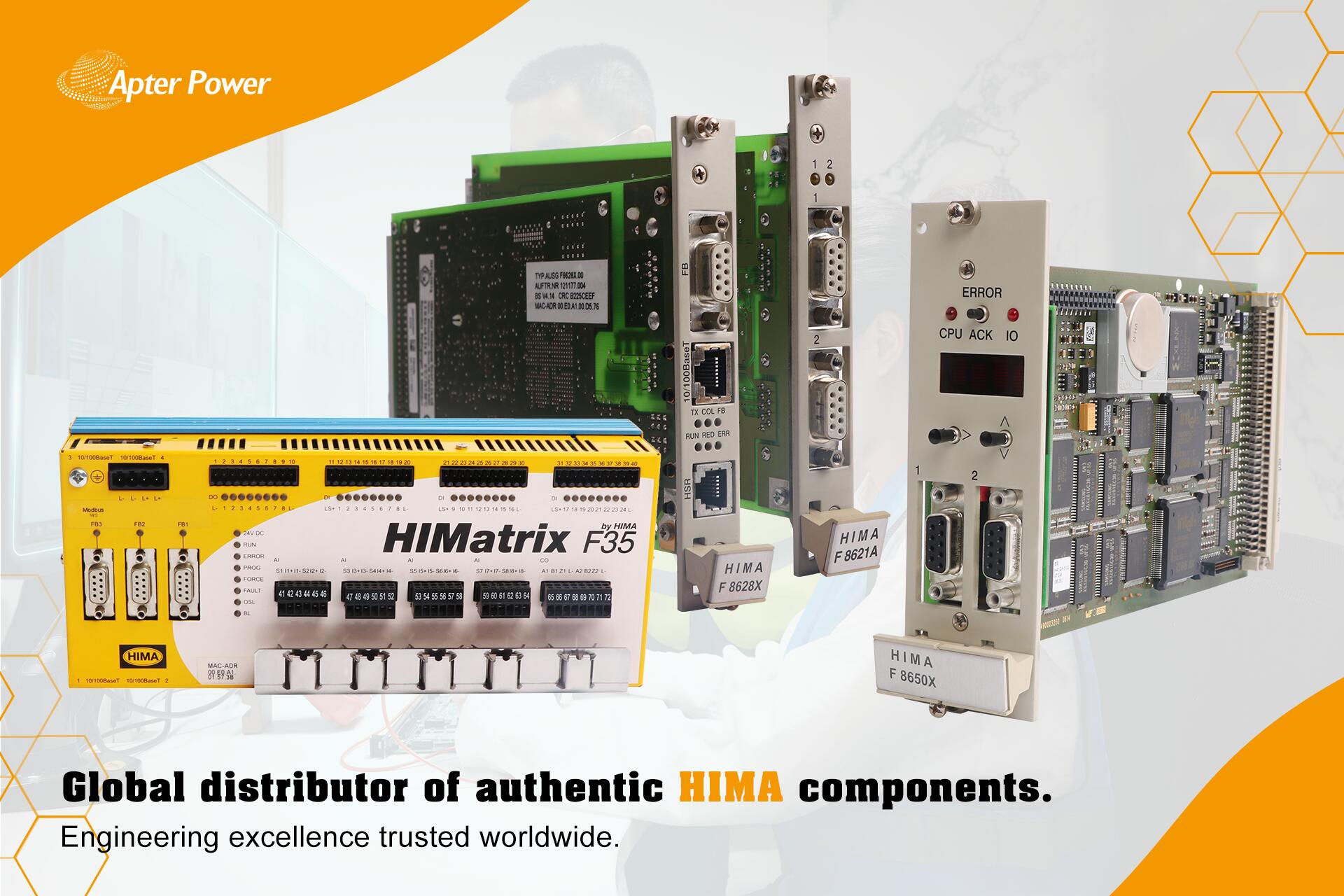
      HIMA is a renowned German manufacturer of safety control systems, with its DCS (Distributed Control System) solutions primarily targeting safety-critical industrial applications. The core philosophy of HIMA is to physically separate the safety system from the control system, ensuring the safety system can operate independently in the event of a DCS failure.       System Architecture Features   1. Independent security architecture       HIMA safety solution and DCS control system operate physically independently       Even if there are errors in DCS, it will not affect the normal operation of the safety system     Strongly recommend the separation of control systems and safety systems in accordance with international standards Main Product Lines HIMax XMR architecture, supports up to four modular redundancies, with almost unlimited scalability potential Large and complex security applications HIQuad Scalable redundancy, suitable for small and medium-sized high availability process applications Small and medium-sized projects HIMatrix Modular safety controller and remote I/O, cost-effective, supporting dedicated versions for underwater and orbit Distributed architecture, special environments Planar4 Hardwired system (without software), with integrated logic processing and I/O for each module Highest security level application Core Module Components Central processing module F8652X / F8650E series: Safety related central processing units, dual processor redundancy design Processor: Dual core ARM9 or Intel x86 (200MHz-1GHz) Memory: 1GB RAM+4GB Flash Support hot swapping and redundant configuration I/O Module F3322/F3330/F3331 : Digital output module, 8-16 channels, used for controlling devices and actuators F71302/F7131 : Power module, providing stable power output, supporting redundant design F7553 : Coupling module, used for communication connection between devices K1412B: High performance I/O module, supporting flexible configuration Application Field major industries Petrochemical industry: safety control and process monitoring of chemical production and oil and gas processing Power industry: safety protection of power plants and substations Pharmaceutical Industry: Safety Control in Production Processes Transportation: Railway Signal System, Traffic Control Manufacturing industry: production line, mechanical processing control Typical application scenarios Emergency Shutdown System (ESD): Implementing Emergency Shutdown and Safety Interlocking Fire and Gas Detection System (F&G): Fire and Gas Leakage Monitoring Remote I/O nodes: Distributed deployment in large devices to reduce the burden on central controllers Hazardous environment protection: deployed in potential explosive environments such as hydrogen and steam System integration capability Integration with mainstream DCS HIMA has a dedicated DCS capability team responsible for testing integration options with all mainstream DCS systems Support OPC DA and OPC A&E protocols Support MODBUS, PROFIBUS-DP, PROFINET Supports HART protocol (on-site device level) Integrated features Integrating alarms and events into DCS alarm management Integration of operation and monitoring panel Visualization of diagnostic data, process data, and security lock status Timestamp transmission Partial Travel Test (PST) and Start Bypass (SUB) functions Deployment method The HIMA system supports two deployment architectures: Distributed: Connect on-site signals using a central controller and remote I/O modules Centralized: Multiple security controllers are networked, and any controller can undertake higher-level control functions Hybrid: Combining two methods to connect additional HIMax controllers
    Read More


    HIMA is a renowned German manufacturer of safety control systems, with its DCS (Distributed Control System) solutions primarily targeting safety-critical industrial applications. The core philosophy of HIMA is to physically separate the safety system from the control system, ensuring the safety system can operate independently in the event of a DCS failure.


    System Architecture Features


    1. Independent security architecture


    HIMA safety solution and DCS control system operate physically independently


    Even if there are errors in DCS, it will not affect the normal operation of the safety system


    Strongly recommend the separation of control systems and safety systems in accordance with international standards


    Main Product Lines

    HIMax XMR architecture, supports up to four modular redundancies, with almost unlimited scalability potential Large and complex security applications
    HIQuad Scalable redundancy, suitable for small and medium-sized high availability process applications Small and medium-sized projects
    HIMatrix Modular safety controller and remote I/O, cost-effective, supporting dedicated versions for underwater and orbit Distributed architecture, special environments
    Planar4 Hardwired system (without software), with integrated logic processing and I/O for each module Highest security level application


    Core Module Components

    Central processing module

    • F8652X/F8650E series: Safety related central processing units, dual processor redundancy design
    • Processor: Dual core ARM9 or Intel x86 (200MHz-1GHz)
    • Memory: 1GB RAM+4GB Flash

    Support hot swapping and redundant configuration


    I/O Module

    • F3322/F3330/F3331: Digital output module, 8-16 channels, used for controlling devices and actuators
    • F71302/F7131: Power module, providing stable power output, supporting redundant design
    • F7553: Coupling module, used for communication connection between devices
    • K1412B: High performance I/O module, supporting flexible configuration


    Application Field

    major industries

    • Petrochemical industry: safety control and process monitoring of chemical production and oil and gas processing
    • Power industry: safety protection of power plants and substations
    • Pharmaceutical Industry: Safety Control in Production Processes
    • Transportation: Railway Signal System, Traffic Control
    • Manufacturing industry: production line, mechanical processing control

    Typical application scenarios

    Emergency Shutdown System (ESD): Implementing Emergency Shutdown and Safety Interlocking

    Fire and Gas Detection System (F&G): Fire and Gas Leakage Monitoring

    Remote I/O nodes: Distributed deployment in large devices to reduce the burden on central controllers

    Hazardous environment protection: deployed in potential explosive environments such as hydrogen and steam

    System integration capability
    Integration with mainstream DCS HIMA has a dedicated DCS capability team responsible for testing integration options with all mainstream DCS systems Support OPC DA and OPC A&E protocols Support MODBUS, PROFIBUS-DP, PROFINET Supports HART protocol (on-site device level)

    Integrated features
    Integrating alarms and events into DCS alarm management Integration of operation and monitoring panel Visualization of diagnostic data, process data, and security lock status Timestamp transmission Partial Travel Test (PST) and Start Bypass (SUB) functions


    Deployment method The HIMA system supports two deployment architectures:
    Distributed: Connect on-site signals using a central controller and remote I/O modules Centralized: Multiple security controllers are networked, and any controller can undertake higher-level control functions Hybrid: Combining two methods to connect additional HIMax controllers


  • Emerson Ovation DCS System
    Emerson Ovation DCS System
    Emerson Ovation DCS is a distributed control system developed by Emerson Process Management specifically for the power generation and process industries. The system adopts an advanced software defined architecture to ensure scalability and adaptability, allowing enterprises to evolve their technology without worrying about system obsolescence. 1. Controllers A fully redundant controller based on Intel processors, capable of executing complex control algorithms. Model  Description  Application Scenario 5X00500G01  High performance controller module Turbine control, boiler management KJ3203X1-BA2 Controller module Turbine speed and temperature regulation 5X00453G01 Processor Module Automation of Large Power Plants 1C31166G02  Serial Link Controller RS485 Communication, Module Connection 5X00422G01 Smart device communication supporting HART protocol HART input 2. Module Composition: Electronics Module: Core Processing Unit Personality Module: Define signal types and functions Base Unit: On site wiring terminals 3. Communication and Network Control network: using unmodified standard Fast Ethernet as the control and information highway Multi network capability: can integrate multiple Ovation systems Standard protocol: Supports data exchange protocols such as OPC, NetDDE, ODBC, etc Serial communication: RS-232, RS-422, RS-485 interfaces (via Link Controller)
    Read More
    Emerson Ovation DCS is a distributed control system developed by Emerson Process Management specifically for the power generation and process industries. The system adopts an advanced software defined architecture to ensure scalability and adaptability, allowing enterprises to evolve their technology without worrying about system obsolescence.

    1. Controllers
    A fully redundant controller based on Intel processors, capable of executing complex control algorithms.


    Model  Description  Application Scenario
    5X00500G01  High performance controller module Turbine control, boiler management
    KJ3203X1-BA2 Controller module Turbine speed and temperature regulation
    5X00453G01 Processor Module Automation of Large Power Plants
    1C31166G02  Serial Link Controller RS485 Communication, Module Connection
    5X00422G01 Smart device communication supporting HART protocol HART input

    2. Module Composition:
    Electronics Module: Core Processing Unit
    Personality Module: Define signal types and functions
    Base Unit: On site wiring terminals

    3. Communication and Network
    Control network: using unmodified standard Fast Ethernet as the control and information highway
    Multi network capability: can integrate multiple Ovation systems
    Standard protocol: Supports data exchange protocols such as OPC, NetDDE, ODBC, etc
    Serial communication: RS-232, RS-422, RS-485 interfaces (via Link Controller)


  • Exploring the ABB AC 800M System
    Exploring the ABB AC 800M System
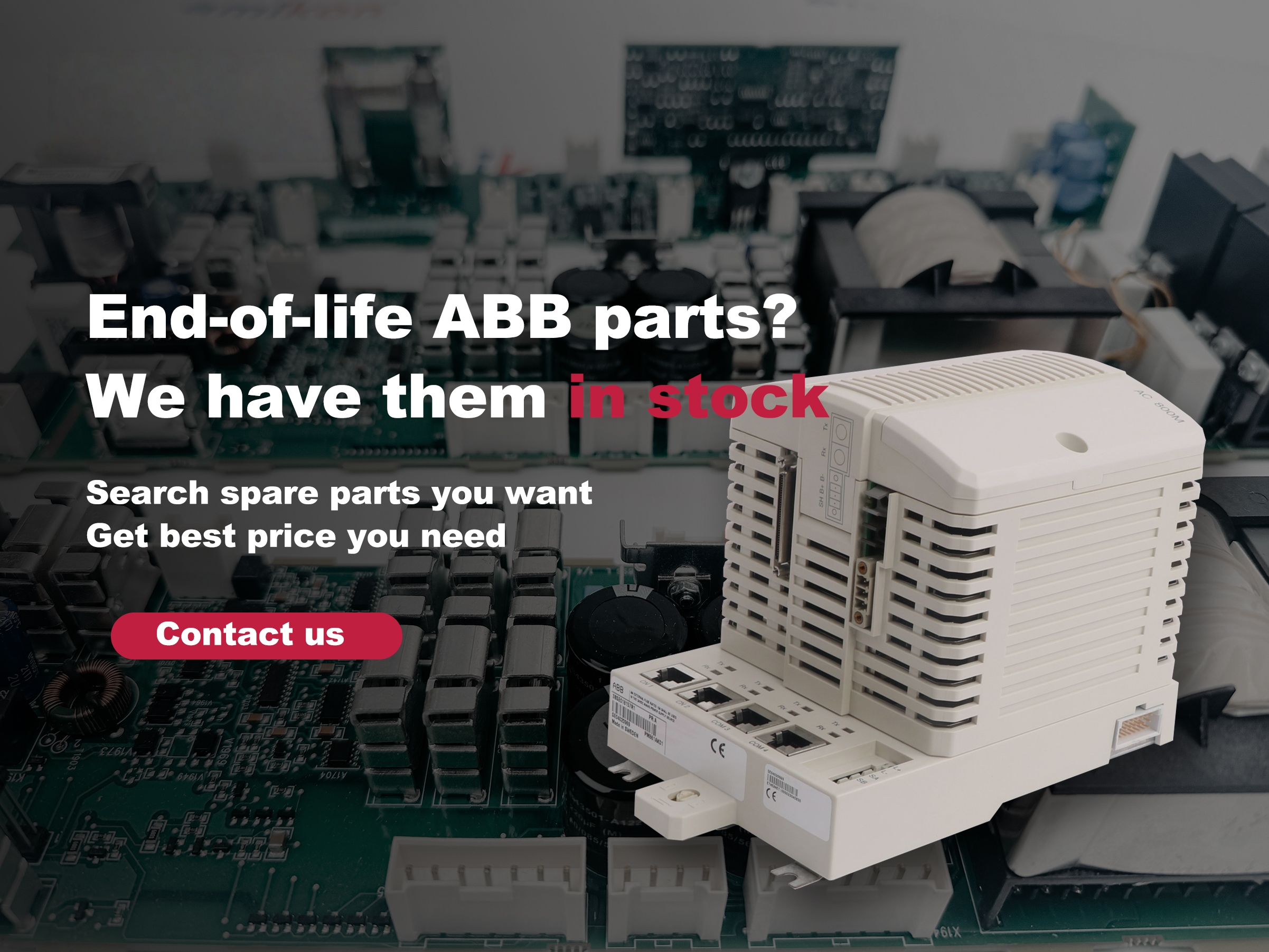
    AC 800M: A Cornerstone of Modern Industrial Automation One of the most significant advancements in ABB's control system portfolio is the AC 800M controller family, a versatile platform widely deployed across process industries, power generation, and manufacturing sectors worldwide. The AC 800M's modular architecture enables seamless integration of control, safety, and monitoring functions within a single, scalable framework. Its robust design and flexible configuration options have made it a preferred solution for both greenfield projects and system migrations in demanding industrial environments.ABB AC 800M: Engineering Excellence in Control Systems The AC 800M represents ABB's evolution in industrial automation, building upon decades of expertise from legacy systems like the Advant Master and Bailey INFI 90. Launched as part of the System 800xA platform, the AC 800M combines high-performance processing capabilities with comprehensive communication protocols, revolutionizing how complex processes are controlled and optimized. This innovation enables efficient operation of everything from discrete manufacturing to large-scale continuous processes across diverse industries. When ABB integrated the AC 800M into its automation suite, the company established a unified control architecture that bridges traditional DCS functionality with modern PLC flexibility. The platform supports IEC 61131-3 programming languages, allowing engineers to implement complex control strategies using Function Block Diagrams, Structured Text, or Sequential Function Charts. Global Impact and Industry Applications Since its introduction, the AC 800M has been deployed in critical infrastructure worldwide, including oil refineries, chemical plants, pulp and paper mills, and water treatment facilities. The controller's SIL 3 certified safety capabilities make it particularly valuable in applications requiring integrated process and safety control, such as offshore platforms and LNG terminals. The AC 800M holds significant market presence in regions with heavy process industry concentration, including Northern Europe, the Middle East, and Southeast Asia. Its compatibility with ABB's S800 I/O modules and third-party fieldbus networks ensures seamless integration into existing plant architectures while supporting digital transformation initiatives. System 800xA: Unified Control and Information Platform The AC 800M serves as the core processing engine within ABB's System 800xA, an integrated automation platform that extends beyond traditional DCS boundaries. This heritage provides comprehensive engineering tools, asset management capabilities, and information integration features tailored for industries ranging from mining and metals to pharmaceuticals and food processing. While earlier controller generations like the AC 800C and Advant OCS have been phased out, the engineering principles and reliability standards that defined these systems remain central to the AC 800M design philosophy. The platform supports redundant configurations for CPU, power supplies, and communication networks, ensuring maximum availability in continuous operation environments. Comprehensive Automation Solutions ABB's AC 800M technology extends beyond basic process control, encompassing advanced applications such as batch management, asset optimization, and power management. From high-speed turbine control to complex reactor sequencing, AC 800M-based solutions leverage decades of automation expertise. The platform offers seamless migration paths from legacy ABB systems, protecting customers' investments while delivering the benefits of modern control technology. In conclusion, ABB continues to advance industrial automation through the AC 800M platform. Through cutting-edge capabilities in process control, safety management, and digital integration, the AC 800M remains a trusted foundation for industries worldwide, driving operational excellence and technological innovation.
    Read More

    AC 800M: A Cornerstone of Modern Industrial Automation
    One of the most significant advancements in ABB's control system portfolio is the AC 800M controller family, a versatile platform widely deployed across process industries, power generation, and manufacturing sectors worldwide. The AC 800M's modular architecture enables seamless integration of control, safety, and monitoring functions within a single, scalable framework. Its robust design and flexible configuration options have made it a preferred solution for both greenfield projects and system migrations in demanding industrial environments.ABB AC 800M: Engineering Excellence in Control Systems

    The AC 800M represents ABB's evolution in industrial automation, building upon decades of expertise from legacy systems like the Advant Master and Bailey INFI 90. Launched as part of the System 800xA platform, the AC 800M combines high-performance processing capabilities with comprehensive communication protocols, revolutionizing how complex processes are controlled and optimized. This innovation enables efficient operation of everything from discrete manufacturing to large-scale continuous processes across diverse industries.

    When ABB integrated the AC 800M into its automation suite, the company established a unified control architecture that bridges traditional DCS functionality with modern PLC flexibility. The platform supports IEC 61131-3 programming languages, allowing engineers to implement complex control strategies using Function Block Diagrams, Structured Text, or Sequential Function Charts.

    Global Impact and Industry Applications

    Since its introduction, the AC 800M has been deployed in critical infrastructure worldwide, including oil refineries, chemical plants, pulp and paper mills, and water treatment facilities. The controller's SIL 3 certified safety capabilities make it particularly valuable in applications requiring integrated process and safety control, such as offshore platforms and LNG terminals.

    The AC 800M holds significant market presence in regions with heavy process industry concentration, including Northern Europe, the Middle East, and Southeast Asia. Its compatibility with ABB's S800 I/O modules and third-party fieldbus networks ensures seamless integration into existing plant architectures while supporting digital transformation initiatives.

    System 800xA: Unified Control and Information Platform

    The AC 800M serves as the core processing engine within ABB's System 800xA, an integrated automation platform that extends beyond traditional DCS boundaries. This heritage provides comprehensive engineering tools, asset management capabilities, and information integration features tailored for industries ranging from mining and metals to pharmaceuticals and food processing.

    While earlier controller generations like the AC 800C and Advant OCS have been phased out, the engineering principles and reliability standards that defined these systems remain central to the AC 800M design philosophy. The platform supports redundant configurations for CPU, power supplies, and communication networks, ensuring maximum availability in continuous operation environments.

    Comprehensive Automation Solutions

    ABB's AC 800M technology extends beyond basic process control, encompassing advanced applications such as batch management, asset optimization, and power management. From high-speed turbine control to complex reactor sequencing, AC 800M-based solutions leverage decades of automation expertise. The platform offers seamless migration paths from legacy ABB systems, protecting customers' investments while delivering the benefits of modern control technology.

    In conclusion, ABB continues to advance industrial automation through the AC 800M platform. Through cutting-edge capabilities in process control, safety management, and digital integration, the AC 800M remains a trusted foundation for industries worldwide, driving operational excellence and technological innovation.


  • Exploring GE Gas Turbine Control System
    Exploring GE Gas Turbine Control System
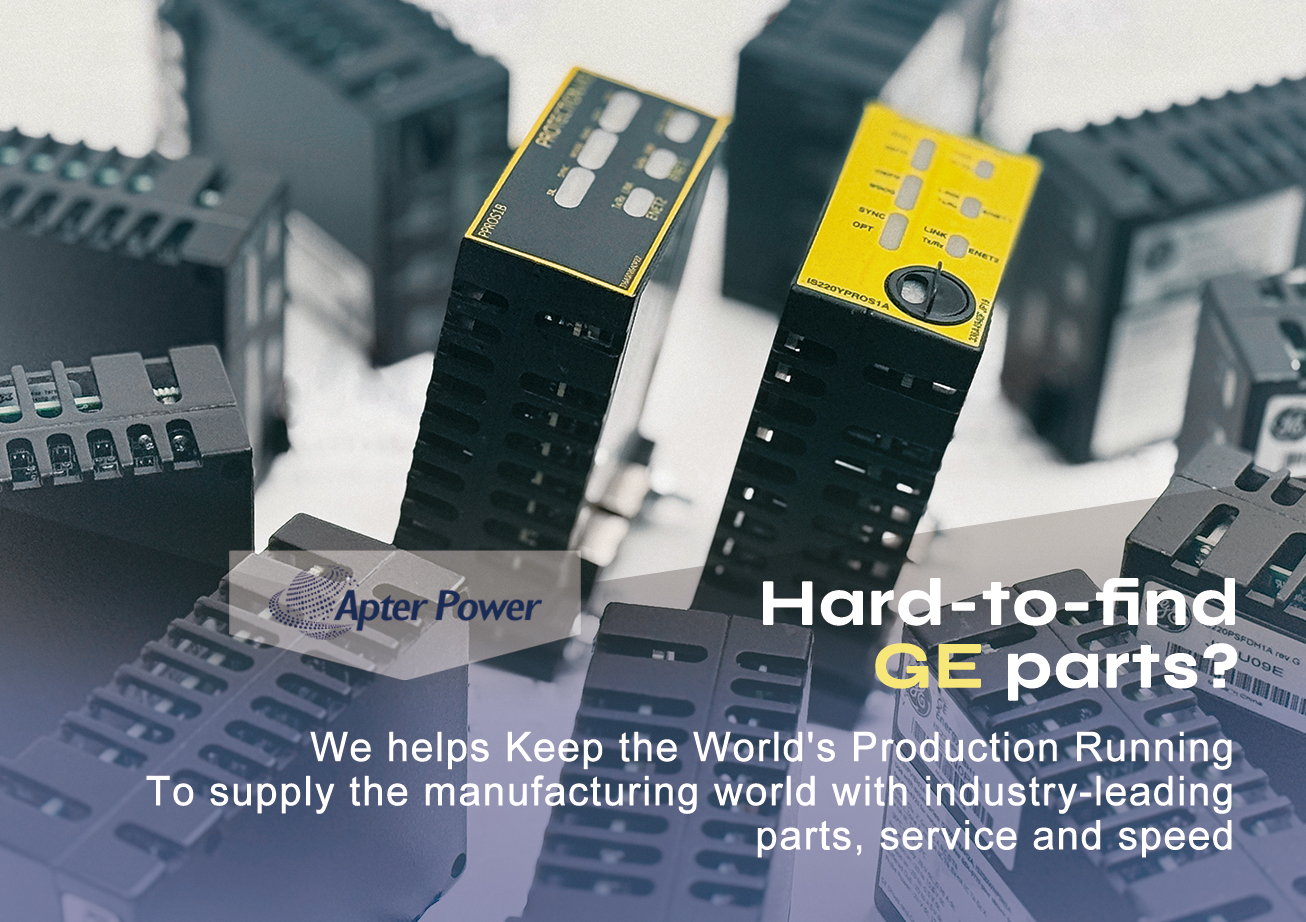
    GE Vernova’s  Mark VIe  gas turbine control system is a cornerstone in the realm of power generation, designed to optimize the performance of gas and steam turbines while enhancing overall plant operations. With advanced features like a common operator interface, integrated tools, and linked controllers, the Mark VIe system ensures efficient control, diagnostics, and seamless integration with other smart instruments and electrical components. Let's explore how GE’s gas turbine control systems elevate performance in power generation and industrial environments. Efficient Operations with Mark VIe The  Mark VIe  control system provides a unified operator interface, offering easy navigation and visibility over the entire plant's operation. By linking controllers and integrating intelligent communication protocols, the system supports seamless coordination between gas turbines, steam turbines, and other plant processes. This integration leads to  improved diagnostics  and  faster response times , ensuring that any irregularities are addressed promptly and efficiently. Compared to non-integrated systems, the  Mark VIe DCS  facilitates faster installation and improved availability, surpassing industry standards by 4%. The result is not only reduced downtime but also increased reliability and performance, ensuring that your power generation operations run smoothly with minimal disruptions. Comprehensive Control with GE Series Controllers GE's gas turbine control system encompasses a range of programmable logic controllers (PLCs) and automation systems, each designed to meet the diverse needs of power plants and industrial processes. Some of the most notable products include: ·  GE Series 90-30 PLC (IC693) : A versatile PLC that provides reliable control for various applications, offering modular flexibility and adaptability in plant operations. ·  GE VersaMax (IC200) : This compact controller supports distributed control applications, ensuring seamless communication across different plant subsystems. ·  GE Series 90-70 PLC (C697) : Designed for larger, more complex automation tasks, the Series 90-70 PLC offers advanced networking capabilities and high-speed processing power. ·  GE PAC System RX7i (C698) : This powerful automation controller provides advanced performance and scalability, making it ideal for high-speed, mission-critical applications in power plants. ·  GE 531 Series : Another reliable controller offering precision and control in automation applications, ensuring the efficient operation of turbines and other machinery. The GE Mark DCS Series: Mark VIe and Beyond The  GE Mark DCS series  has evolved over time, with the  Mark VIe  being one of the most advanced control systems in the lineup. Designed for  gas and steam turbines , the Mark VIe offers a robust and highly reliable system for optimizing turbine performance in power generation and industrial applications. With backward compatibility and modularity, the system ensures that plant operators can tailor the controls to their specific operational needs, whether it's for simple process management or more complex, large-scale turbine operations. Conclusion GE Vernova’s  Mark VIe  gas turbine control system, along with its family of programmable logic controllers, is a leader in optimizing the performance and efficiency of turbines in power generation. By integrating smart diagnostics, a common operator interface, and linked controllers, the Mark VIe helps ensure reliable, efficient plant operations. GE’s innovative technology not only improves availability and diagnostics but also sets the standard for the future of power generation automation  
    Read More

    GE Vernova’s Mark VIe gas turbine control system is a cornerstone in the realm of power generation, designed to optimize the performance of gas and steam turbines while enhancing overall plant operations. With advanced features like a common operator interface, integrated tools, and linked controllers, the Mark VIe system ensures efficient control, diagnostics, and seamless integration with other smart instruments and electrical components. Let's explore how GE’s gas turbine control systems elevate performance in power generation and industrial environments.

    Efficient Operations with Mark VIe

    The Mark VIe control system provides a unified operator interface, offering easy navigation and visibility over the entire plant's operation. By linking controllers and integrating intelligent communication protocols, the system supports seamless coordination between gas turbines, steam turbines, and other plant processes. This integration leads to improved diagnostics and faster response times, ensuring that any irregularities are addressed promptly and efficiently.

    Compared to non-integrated systems, the Mark VIe DCS facilitates faster installation and improved availability, surpassing industry standards by 4%. The result is not only reduced downtime but also increased reliability and performance, ensuring that your power generation operations run smoothly with minimal disruptions.

    Comprehensive Control with GE Series Controllers

    GE's gas turbine control system encompasses a range of programmable logic controllers (PLCs) and automation systems, each designed to meet the diverse needs of power plants and industrial processes. Some of the most notable products include:

    · GE Series 90-30 PLC (IC693): A versatile PLC that provides reliable control for various applications, offering modular flexibility and adaptability in plant operations.

    · GE VersaMax (IC200): This compact controller supports distributed control applications, ensuring seamless communication across different plant subsystems.

    · GE Series 90-70 PLC (C697): Designed for larger, more complex automation tasks, the Series 90-70 PLC offers advanced networking capabilities and high-speed processing power.

    · GE PAC System RX7i (C698): This powerful automation controller provides advanced performance and scalability, making it ideal for high-speed, mission-critical applications in power plants.

    · GE 531 Series: Another reliable controller offering precision and control in automation applications, ensuring the efficient operation of turbines and other machinery.

    The GE Mark DCS Series: Mark VIe and Beyond

    The GE Mark DCS series has evolved over time, with the Mark VIe being one of the most advanced control systems in the lineup. Designed for gas and steam turbines, the Mark VIe offers a robust and highly reliable system for optimizing turbine performance in power generation and industrial applications. With backward compatibility and modularity, the system ensures that plant operators can tailor the controls to their specific operational needs, whether it's for simple process management or more complex, large-scale turbine operations.

    Conclusion

    GE Vernova’s Mark VIe gas turbine control system, along with its family of programmable logic controllers, is a leader in optimizing the performance and efficiency of turbines in power generation. By integrating smart diagnostics, a common operator interface, and linked controllers, the Mark VIe helps ensure reliable, efficient plant operations. GE’s innovative technology not only improves availability and diagnostics but also sets the standard for the future of power generation automation


  • Honeywell's Integrated Solutions for a Smarter and Safer Future
    Honeywell's Integrated Solutions for a Smarter and Safer Future
    Honeywell is a global integrated operating company dedicated to providing innovative solutions across a diverse range of industries and geographies. With a focus on three powerful megatrends— automation , the  future of aviation , and  energy transition —Honeywell leverages its advanced technologies to address some of the world's most complex challenges. This commitment is supported by the  Honeywell Accelerator operating system  and the  Honeywell Forge IoT platform , which enable organizations to achieve greater efficiency, safety, and sustainability. Addressing Complex Challenges Across Industries As a trusted partner, Honeywell helps organizations navigate the complexities of modern operations, offering actionable solutions and innovations across its four key business segments:  Aerospace Technologies ,  Industrial Automation ,  Building Automation , and  Energy and Sustainability Solutions . By integrating advanced technologies and analytics, Honeywell’s solutions not only enhance operational performance but also contribute to a smarter, safer, and more secure world. Series C I/O Family: A Breakthrough in Control System Design One of Honeywell’s standout offerings is the  Series C I/O family , which is designed to meet the rigorous demands of modern industrial applications. This family features a unique, patented  heat channeling form factor  that enhances thermal management within control cabinets. The components can be implemented in a redundant fashion, ensuring that there is no single point of failure—providing reliability and peace of mind in critical operations. Key Benefits of Series C I/O ·  Greater I/O Channel Density : The design of the Series C allows for higher channel density, which optimizes the use of space in control cabinets. ·  Efficient Heat Dissipation : With its patented heat channeling technology, the Series C effectively manages heat, prolonging the lifespan of components and enhancing overall system reliability. ·  Lower Installed Cost : The innovative design reduces installation costs by minimizing the need for extensive wiring and equipment. ·  Easier Maintenance : Modular components simplify maintenance tasks, allowing for quick and straightforward servicing without significant downtime. ·  Enhanced Robustness and Security : The design improvements contribute to a more secure and resilient system, capable of withstanding the challenges of dynamic industrial environments. Universal Process I/O Module: Redefining Flexibility Honeywell's  Universal Process I/O module , based on  Universal Channel Technology , revolutionizes the way process I/O is managed. This innovative technology reduces or eliminates the need for marshalling and allows for immediate configuration without additional hardware. Advantages of Universal Channel Technology ·  Liberation from Hardware Dependency : Honeywell is the first to fully utilize Universal Channel Technology, freeing process I/O and control cabinets from traditional channel-type hardware dependencies. This flexibility enables easier last-minute design changes and a reduced physical footprint. ·  Standardized Universal Cabinet Designs : The technology allows for the standardization of cabinet designs, significantly reducing engineering costs and project timelines. This streamlining process helps organizations adapt to changing needs quickly and efficiently. Conclusion Honeywell stands at the forefront of innovation, delivering integrated solutions that address the world's toughest challenges. With advancements such as the  Series C I/O family  and the  Universal Process I/O module , Honeywell empowers organizations to enhance operational efficiency, reduce costs, and improve safety and sustainability. As industries continue to evolve, Honeywell’s commitment to providing smarter, safer, and more secure solutions will play a pivotal role in shaping the future of automation and control.
    Read More

    Honeywell is a global integrated operating company dedicated to providing innovative solutions across a diverse range of industries and geographies. With a focus on three powerful megatrends—automation, the future of aviation, and energy transition—Honeywell leverages its advanced technologies to address some of the world's most complex challenges. This commitment is supported by the Honeywell Accelerator operating system and the Honeywell Forge IoT platform, which enable organizations to achieve greater efficiency, safety, and sustainability.

    Addressing Complex Challenges Across Industries

    As a trusted partner, Honeywell helps organizations navigate the complexities of modern operations, offering actionable solutions and innovations across its four key business segments: Aerospace TechnologiesIndustrial AutomationBuilding Automation, and Energy and Sustainability Solutions. By integrating advanced technologies and analytics, Honeywell’s solutions not only enhance operational performance but also contribute to a smarter, safer, and more secure world.

    Series C I/O Family: A Breakthrough in Control System Design

    One of Honeywell’s standout offerings is the Series C I/O family, which is designed to meet the rigorous demands of modern industrial applications. This family features a unique, patented heat channeling form factor that enhances thermal management within control cabinets. The components can be implemented in a redundant fashion, ensuring that there is no single point of failure—providing reliability and peace of mind in critical operations.

    Key Benefits of Series C I/O

    · Greater I/O Channel Density: The design of the Series C allows for higher channel density, which optimizes the use of space in control cabinets.

    · Efficient Heat Dissipation: With its patented heat channeling technology, the Series C effectively manages heat, prolonging the lifespan of components and enhancing overall system reliability.

    · Lower Installed Cost: The innovative design reduces installation costs by minimizing the need for extensive wiring and equipment.

    · Easier Maintenance: Modular components simplify maintenance tasks, allowing for quick and straightforward servicing without significant downtime.

    · Enhanced Robustness and Security: The design improvements contribute to a more secure and resilient system, capable of withstanding the challenges of dynamic industrial environments.

    Universal Process I/O Module: Redefining Flexibility

    Honeywell's Universal Process I/O module, based on Universal Channel Technology, revolutionizes the way process I/O is managed. This innovative technology reduces or eliminates the need for marshalling and allows for immediate configuration without additional hardware.

    Advantages of Universal Channel Technology

    · Liberation from Hardware Dependency: Honeywell is the first to fully utilize Universal Channel Technology, freeing process I/O and control cabinets from traditional channel-type hardware dependencies. This flexibility enables easier last-minute design changes and a reduced physical footprint.

    · Standardized Universal Cabinet Designs: The technology allows for the standardization of cabinet designs, significantly reducing engineering costs and project timelines. This streamlining process helps organizations adapt to changing needs quickly and efficiently.

    Conclusion

    Honeywell stands at the forefront of innovation, delivering integrated solutions that address the world's toughest challenges. With advancements such as the Series C I/O family and the Universal Process I/O module, Honeywell empowers organizations to enhance operational efficiency, reduce costs, and improve safety and sustainability. As industries continue to evolve, Honeywell’s commitment to providing smarter, safer, and more secure solutions will play a pivotal role in shaping the future of automation and control.

  • Bently Nevada 3500: Machinery Protection System Architecture
    Bently Nevada 3500: Machinery Protection System Architecture
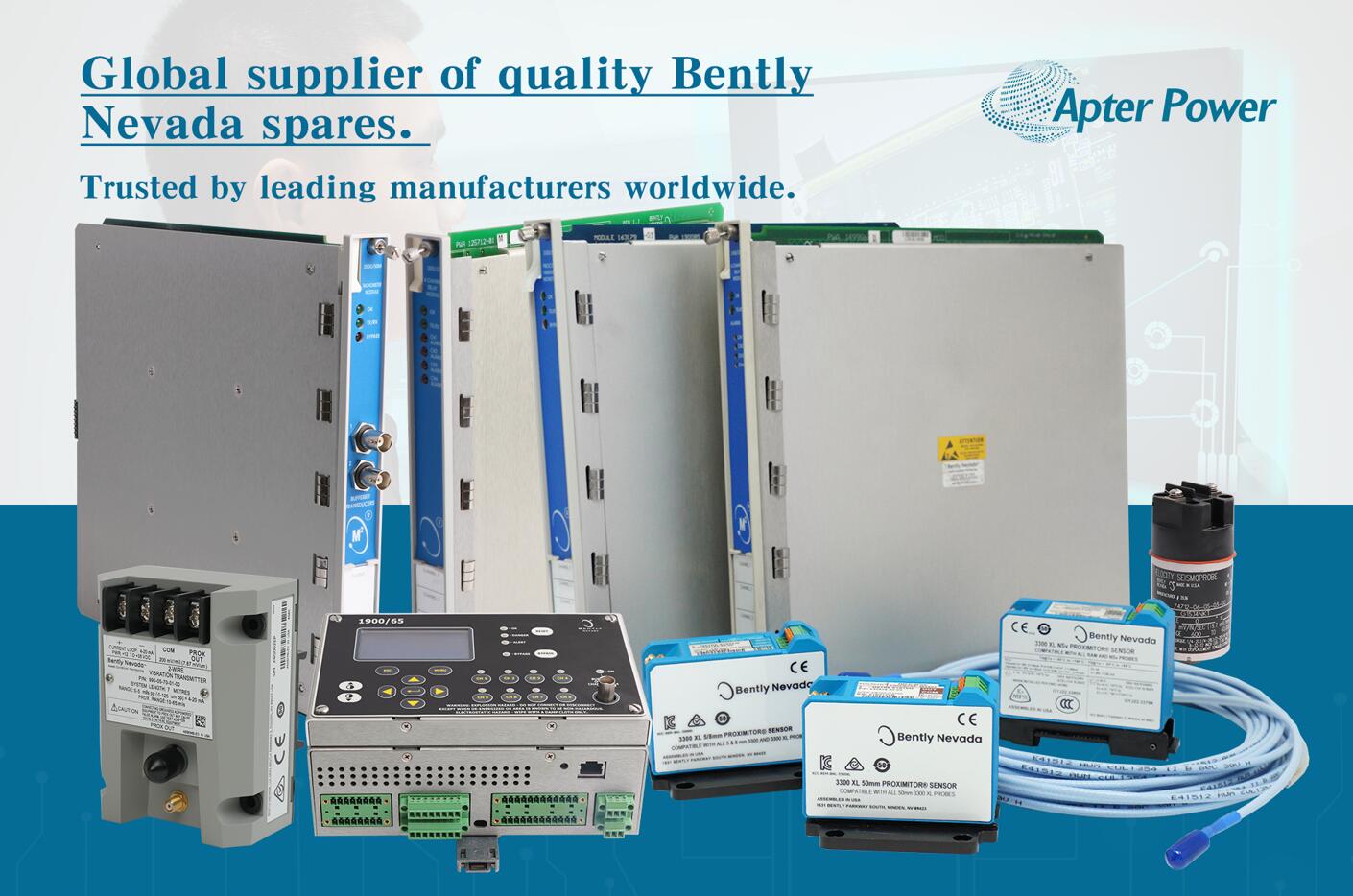
    The Bently Nevada 3500 Vibration Monitoring System is a widely used condition monitoring system developed by GE for critical machinery and rotating equipment, primarily in industrial settings like power plants, oil and gas facilities, and manufacturing plants. This system monitors vibration levels and other parameters in real time, allowing for early detection of potential faults, such as bearing wear, misalignment, or imbalance. Here’s an overview of its key components and features: 3500/42 Proximitor Monitor: Measures vibration and shaft position using non-contact probes. 3500/32 Relay Module: Provides relay outputs for alarms based on pre-set thresholds. 3500/22M Transient Data Interface Module: Collects and processes transient data, enabling advanced diagnostics. 3500/50 Tachometer Module: Measures speed and phase for rotating equipment. 3500/92 Communication Gateway Module: Interfaces with external systems, allowing data integration. Power Supply Module: Ensures consistent power delivery to the system. Rack (Chassis): Houses the modules and is available in various slot configurations for custom setups. The Bently Nevada 3500 used for: Monitoring critical machines like turbines, compressors. Identifying and predicting machine wear and potential breakdowns. Reducing downtime and maintenance costs through predictive maintenance.  
    Read More
    The Bently Nevada 3500 Vibration Monitoring System is a widely used condition monitoring system developed by GE for critical machinery and rotating equipment, primarily in industrial settings like power plants, oil and gas facilities, and manufacturing plants. This system monitors vibration levels and other parameters in real time, allowing for early detection of potential faults, such as bearing wear, misalignment, or imbalance. Here’s an overview of its key components and features:

    3500/42 Proximitor Monitor: Measures vibration and shaft position using non-contact probes.
    3500/32 Relay Module: Provides relay outputs for alarms based on pre-set thresholds.
    3500/22M Transient Data Interface Module: Collects and processes transient data, enabling advanced diagnostics.
    3500/50 Tachometer Module: Measures speed and phase for rotating equipment.
    3500/92 Communication Gateway Module: Interfaces with external systems, allowing data integration.
    Power Supply Module: Ensures consistent power delivery to the system.
    Rack (Chassis): Houses the modules and is available in various slot configurations for custom setups.

    The Bently Nevada 3500 used for:
    Monitoring critical machines like turbines, compressors.
    Identifying and predicting machine wear and potential breakdowns.
    Reducing downtime and maintenance costs through predictive maintenance.
     

Your needs, our focus

Our experienced service team accurately understands product requirements and service needs, promptly fulfilling all your requests without delay