Features:
- Dual-Channel Control Architecture with Independent I/O Capabilities
- Combines Digital and Analog Signal Processing with Flexible Actuator Support
- Operates in Conjunction with Standard Industrial Communication Protocols and Automation Devices
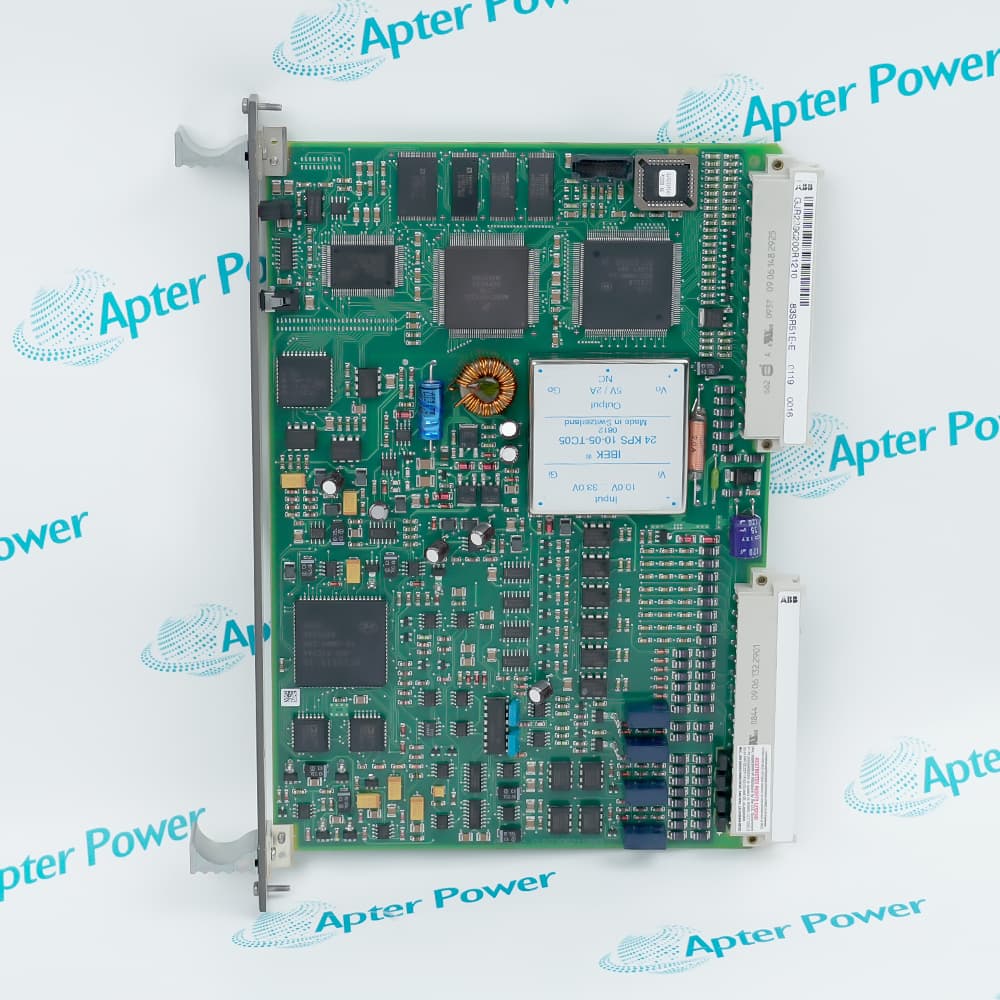
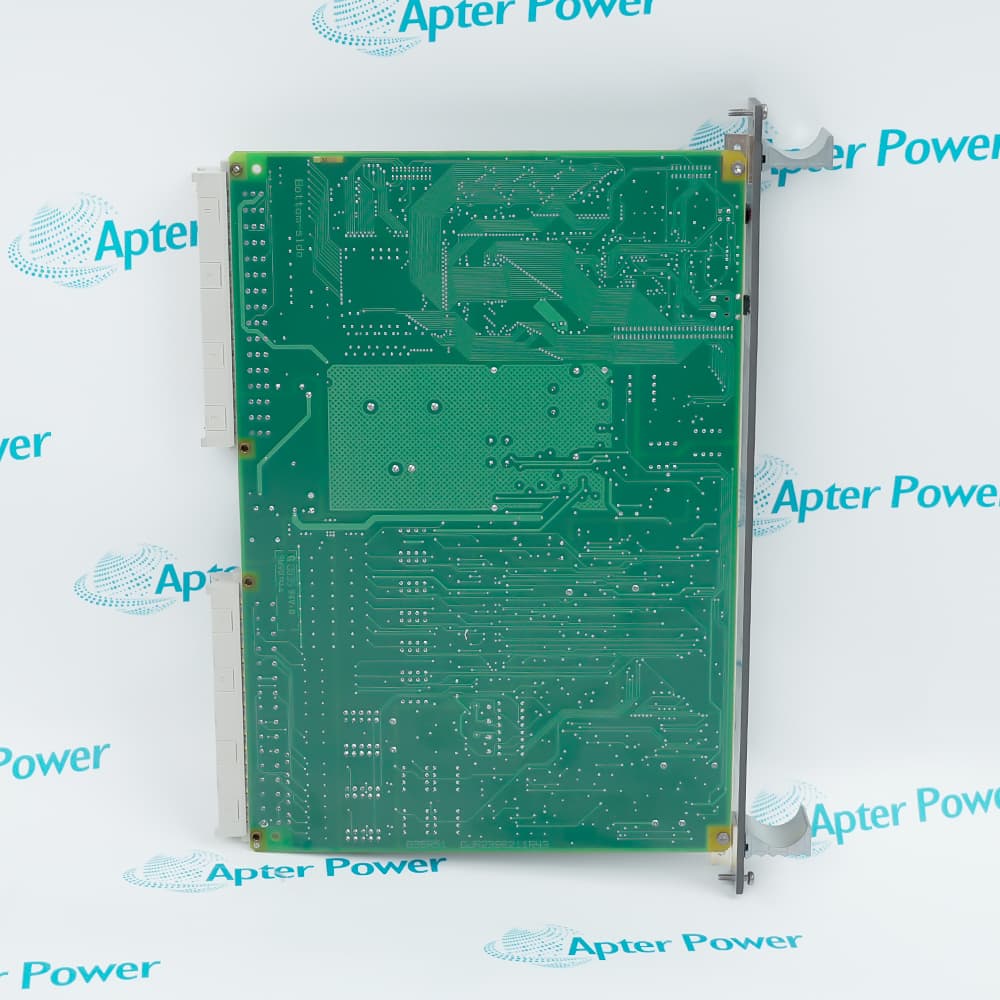
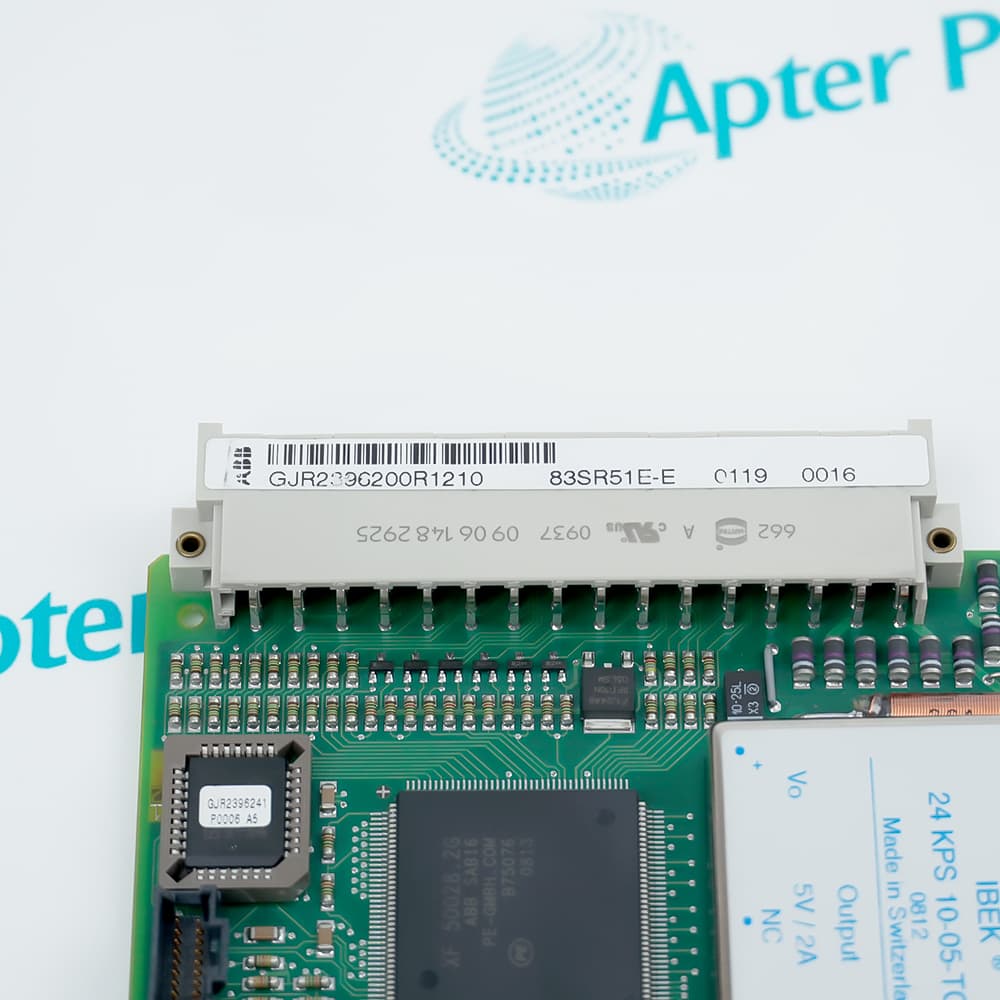
The GJR2396200R1210 83SR51E-E operates as a specialized control module in industrial automation systems, providing reliable control signals to various actuator types within the process environment. It continuously processes incoming digital and analog signals through 4 digital inputs, 1 digital output, 2 analog inputs, and 1 analog output per channel, distributing precise control commands to support steady state operation of electro-hydraulic, electro-pneumatic, and electric motor-driven actuators. Seamless integration is standard with the GJR2396200R1210 83SR51E-E, however using optional software configuration will allow flexible adaptation to different control algorithms and application scenarios in the event of changing process requirements. The GJR2396200R1210 83SR51E-E has made improvements in several areas over previous control module designs in addition to incorporating universal actuator compatibility within the Procontrol P14 series.
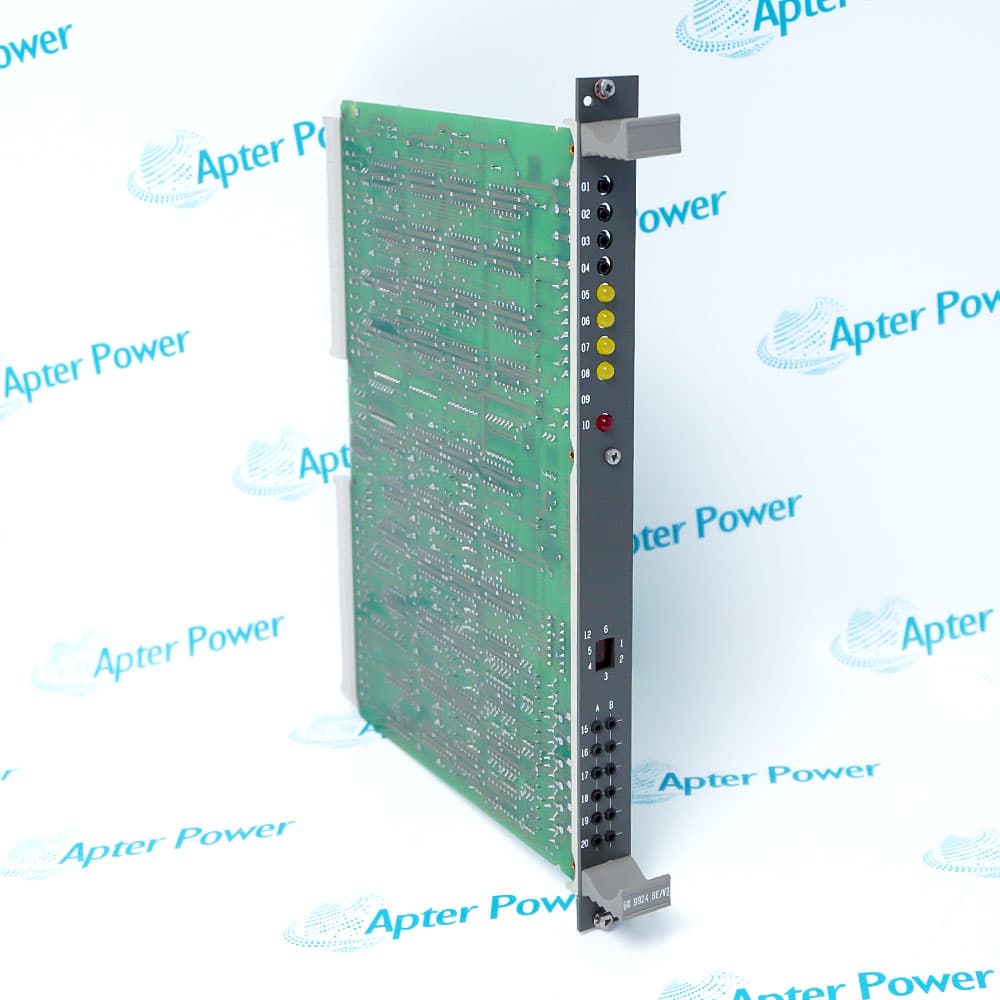
The GJR2396200R1210 83SR51E-E provides essential control functions common to the entire automation system, and is a critical component of the control path, directly affecting the proper, normal operation of the overall monitoring and control system. One or more GJR2396200R1210 83SR51E-E modules are required per system depending on the desired control complexity. The GJR2396200R1210 83SR51E-E occupies a compact form factor in the rack and is designed for easy installation, maintenance, and replacement.
For Dual Redundant Control applications, the automation system requires additional GJR2396200R1210 83SR51E-E modules installed in redundant configurations. In addition to standard single module operation, the redundant configuration also performs automatic failover. The dual control configuration executes switchover using the internal monitoring circuitry specified in the module options. Using this method, the redundant control system continually monitors the health of both modules. If the system detects that the primary control module is no longer providing stable output (outside configured tolerance levels), it will automatically transfer the control load to the secondary module and generate a system event notification.
The GJR2396200R1210 83SR51E-E ABB Control Module may still be available for purchase and support from Apter Power beyond End-Of-Life (EOL) by the manufacturer (OEM).
ABB GJR2396200R1210 83SR51E-E Control Module Manuals,Datasheets,Link
Important Notice: Other accessories, manuals, cables, calibration data, software, etc. are not included with this equipment unless listed in the above stock item description. All prices are shown in USD.
ABB GJR2396200R1210 83SR51E-E Control Module Specs
General
- Manufacturer ABB
- Model GJR2396200R1210 83SR51E-E
- Condition New Original ready stock
- Product Family GJR2394100R1210 81AA03C-E,GJR2394100R1210 81AA03B-E
Important Notice: Other accessories, manuals, cables, calibration data, software, etc. are not included with this equipment unless listed in the above stock item description. All prices are shown in USD.
- Two independent control channels combine binary and analog signal handling in one Procontrol P14 module.
- Each channel provides four digital inputs and one digital output for status and command functions.
- Two analog inputs and one analog output per channel support feedback and continuous control paths.
- The documented actuator scope includes electrohydraulic control equipment used in process automation.
- Electropneumatic actuators can be integrated when the engineered signal allocation matches the channel design.
- Electric motor-driven actuators are supported within the official binary and analog interface arrangement.
- ABB introduced a Macronix Flash PROM change for affected control modules in October 2018.
- A successful download indication can reflect RAM content even when the application was not copied into Flash.
- Read the application back through PDDS and verify the production code before removing power or reseating the module.