Features:
- Combines analog sampling, digital logic, trigger pulses, and protective tripping on one 3U board, replacing 3 traditional cards
- 3000 VAC isolation with ≤5 ms sample-to-output cycle for generator excitation and PSS algorithms
- -40°C to +85°C operation with conformal coating, 10g vibration, and MTBF >100,000 hours
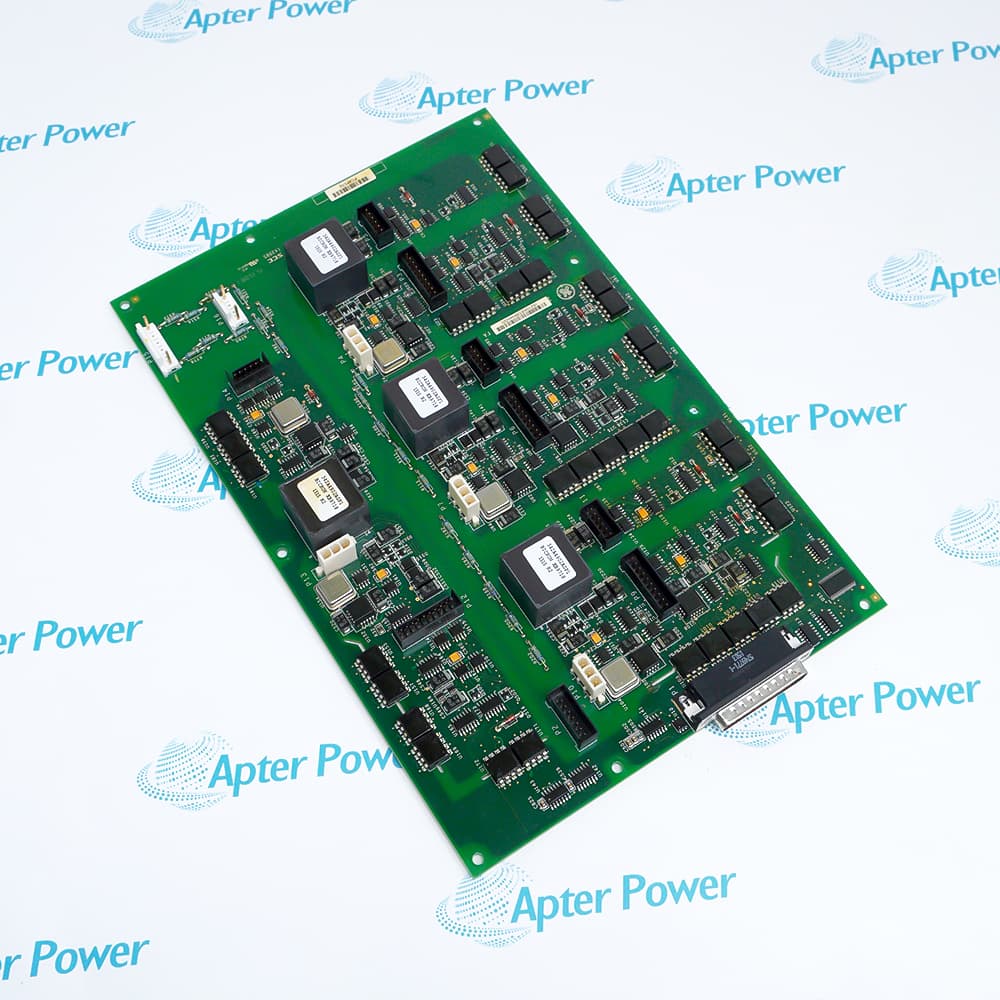
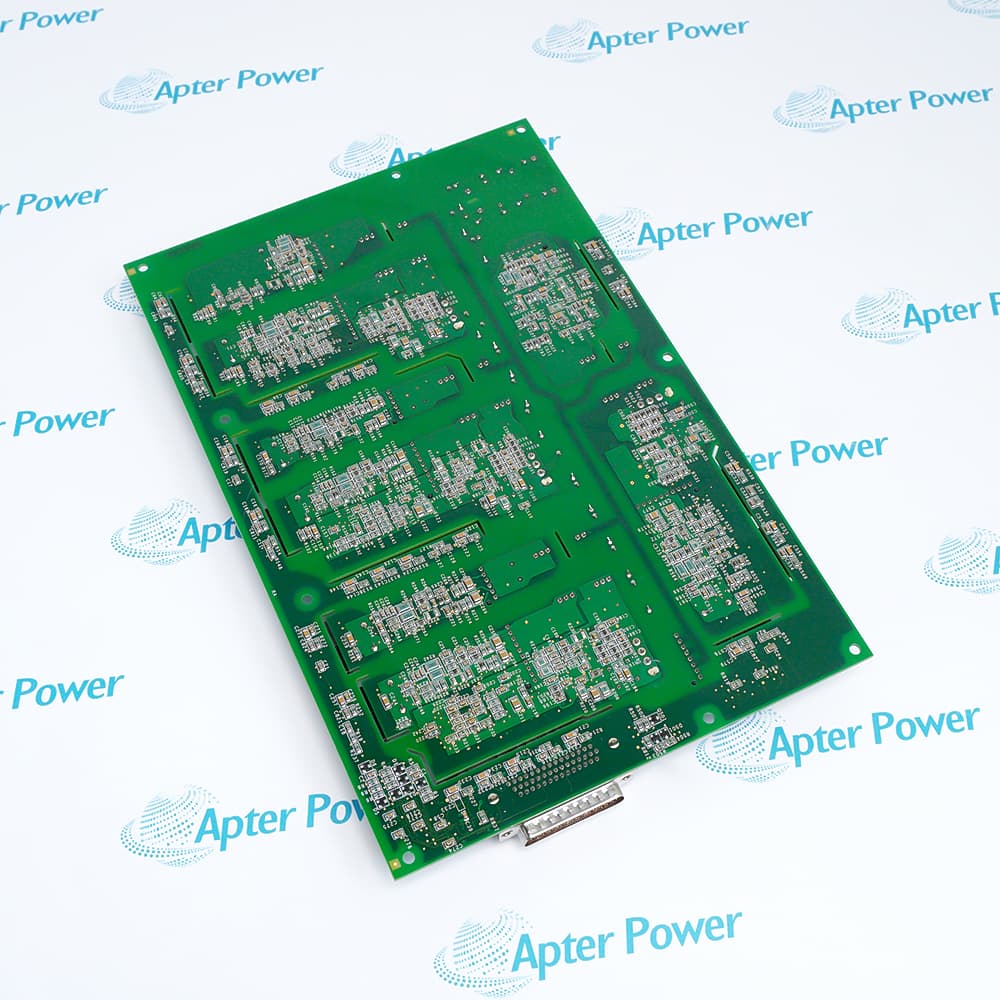
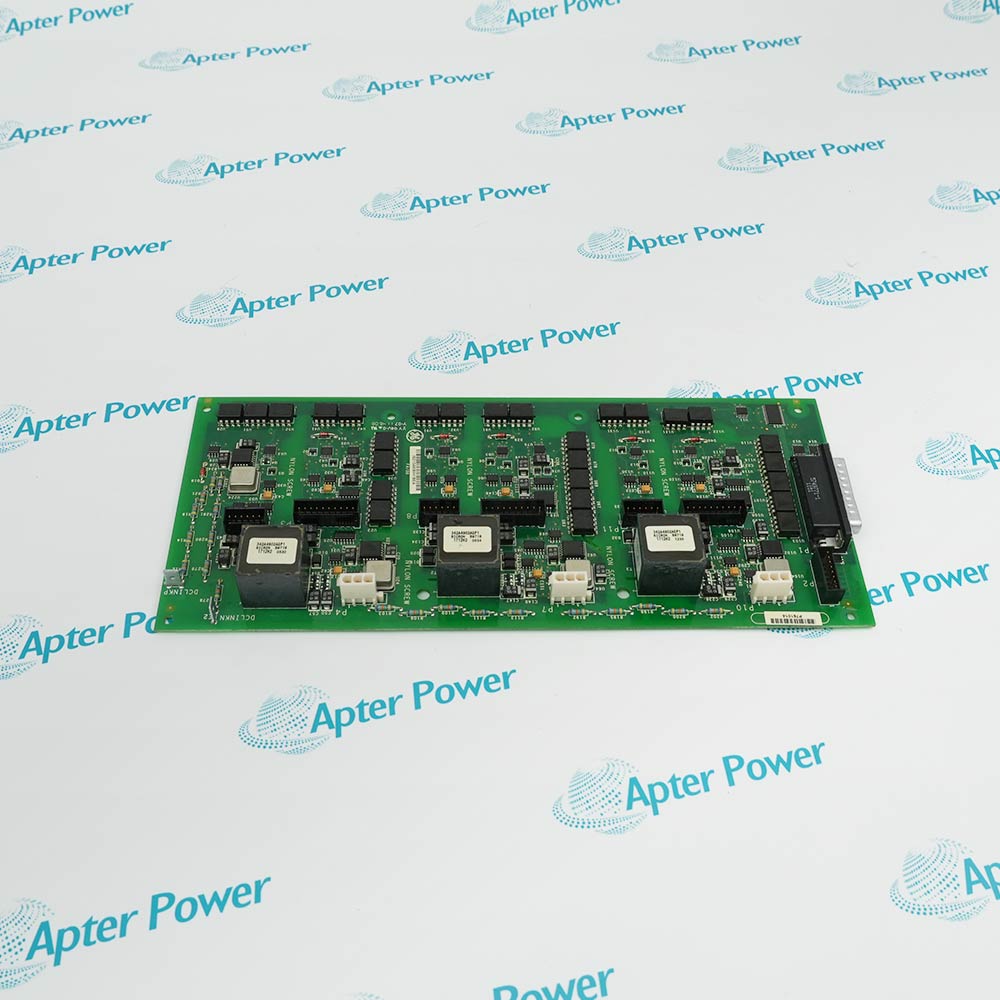
The IS210AEDBH4AGD consolidates multiple functions into a single 3U VME form factor board. Traditional turbine control systems required separate cards for analog input acquisition, digital I/O processing, logic execution, and protection tripping. This IS210AEDBH4AGD integrates all these capabilities on one board, reducing cabinet space by up to 60% and field wiring by approximately 40% . The reduction in wiring complexity directly translates to fewer potential failure points and simplified troubleshooting.
The IS210AEDBH4AGD is engineered for the high-noise environments of power generation facilities where large motors, switchgear, and exciter transients generate significant electrical interference. It provides 3000 VAC isolation between signal and power circuits and 2500 VAC between individual channels, protecting the controller from field wiring faults and ground loops . The board withstands 5 kVAC hipot testing and 4 kV common-mode surges from exciter start/stop events . At its core, a 180 MHz 32-bit RISC processor executes control algorithms with deterministic timing, supported by 512 KB SRAM and 2 MB Flash memory .
The IS210AEDBH4AGD is built to survive the harshest conditions in power generation, from desert solar-thermal plants to arctic wind farms and offshore platforms. It operates reliably from -40°C to +85°C and can be stored from -55°C to +85°C . The board meets IEC 60068-2-6 standards for vibration resistance up to 10g acceleration across 10-2000 Hz . The PCB includes conformal coating that protects against moisture, dust, salt spray, and chemical contaminants .
The IS210AEDBH4AGD GE Interface Card may still be available for purchase and support from Apter Power beyond
End-Of-Life (EOL) by the manufacturer (OEM).
GE IS210AEDBH4AGD Interface Card Manuals, Datasheets, Drivers, Link
Important Notice: Other accessories, manuals, cables, calibration data, software, etc. are not included with this equipment unless listed in the above stock item description. All prices are shown in USD.
GE IS210AEDBH4AGD Interface Card Specs
General
- Manufacturer GE
- Model IS210AEDBH4AGD
- Condition New Original ready stock
- Product Family
IS210BPPCH1AEC,IS210BPPBH2BKD,IS210BPPBH2BLD
Important Notice: Other accessories, manuals, cables, calibration data, software, etc. are not
included with this equipment unless listed in the above stock item description. All prices are
shown in USD.
- Heavy-Duty Gas & Steam Turbines: Installed in utility-scale thermal and combined-cycle power plants. It manages high-density turbine telemetry to maintain grid frequency and operational stability.
- Industrial Alternative Energy Grid Inverters: Deployed in large-scale renewable projects—such as multi-megawatt solar inverter stations and battery energy storage systems (BESS)—to bridge analog grid measurements with digital control boards.
- Large Industrial Drive Systems: Utilized in high-horsepower variable frequency drives (VFDs) and power electronic converter enclosures across oil and gas, heavy mining, and steel manufacturing plants.
- Analog-to-Digital Signal Conversion: The card aggregates localized analog signals (current loop, voltage levels) and bridges them directly to the main Mark VI system’s primary Digital Bus (DB).
- Features a right-angled cable connector (designated as 574 9771-1 1301) for secure structural wiring.
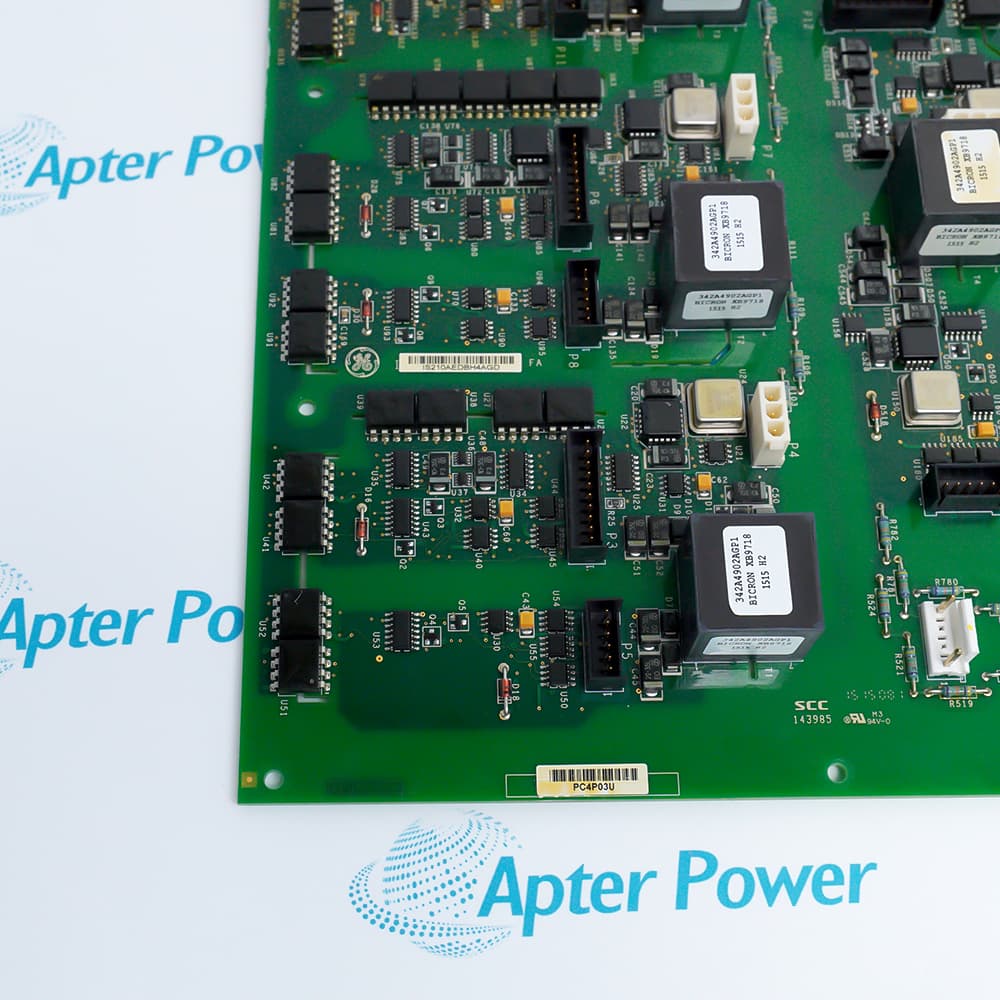
- Equipped with 9 male vertical pin connectors (ranging from 6 to 10 pins each) to interface with peripheral terminal blocks.
- High-Voltage Galvanic Isolation: It features 4 encapsulated Bicron switch-mode/pulse transformers (marked B9178) engineered for heavy-duty Basic Insulation Level (BIL) ratings.
- Rugged Dielectric Hipot Level: The board is factory-rated with a massive Hipot level of 5 KVAC, preventing dangerous grid surges from jumping from the power bridges into low-voltage logic chips.
- Switching Stability: Designed to operate smoothly within a switching frequency spectrum of 10 kHz to 500 kHz, ensuring stable communication filtering without causing harmonic interference.