Features:
- Original H&B Contronic 3 Backplane Integration
- Advanced Board-Level Status Diagnostics
- Industrial-Grade Thermal and EMI Resilience
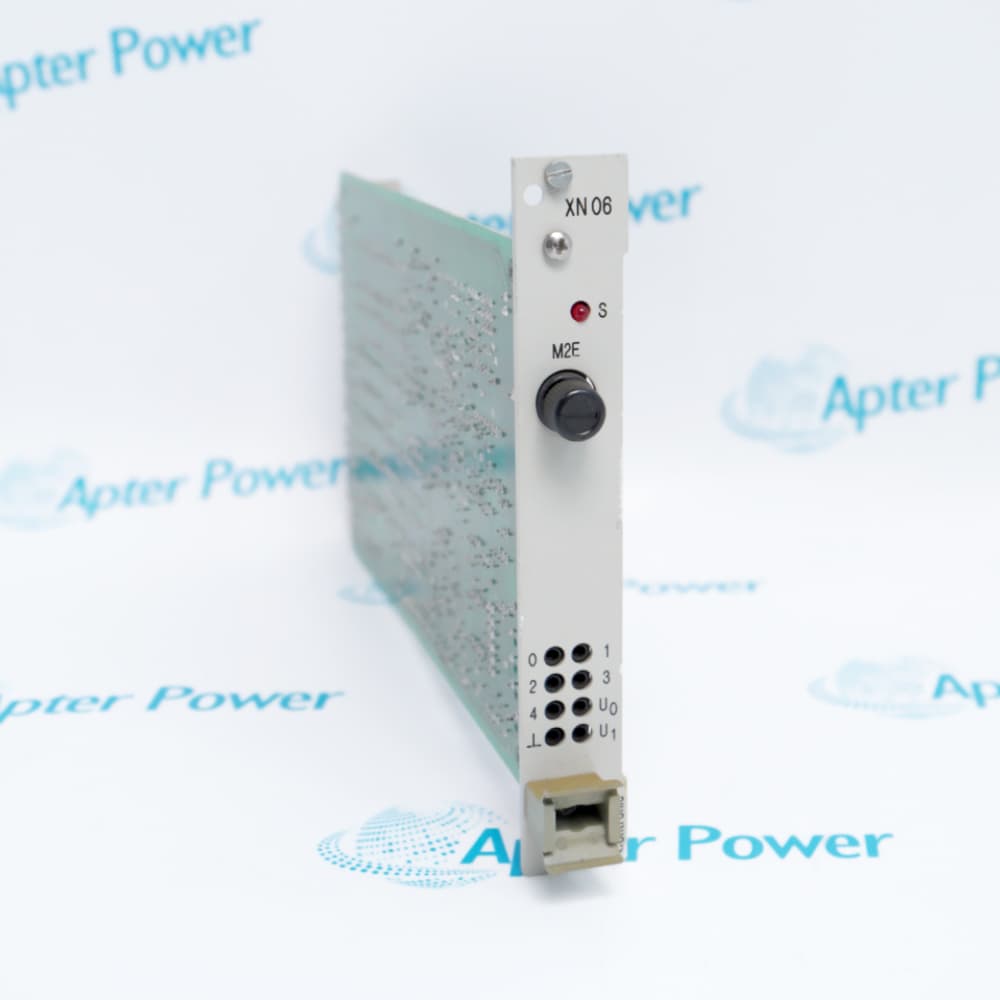
The ABB XN06 is engineered for true drop-in compatibility with legacy H&B rack systems, ensuring immediate bus connection and signal transmission without the need for chassis modifications or field rewiring.
Equipped with localized diagnostic indicators and hardware monitors, the ABB XN06 isolates internal logic faults from field I/O short circuits, reducing troubleshooting duration (MTTR) for field instrumentation technicians.
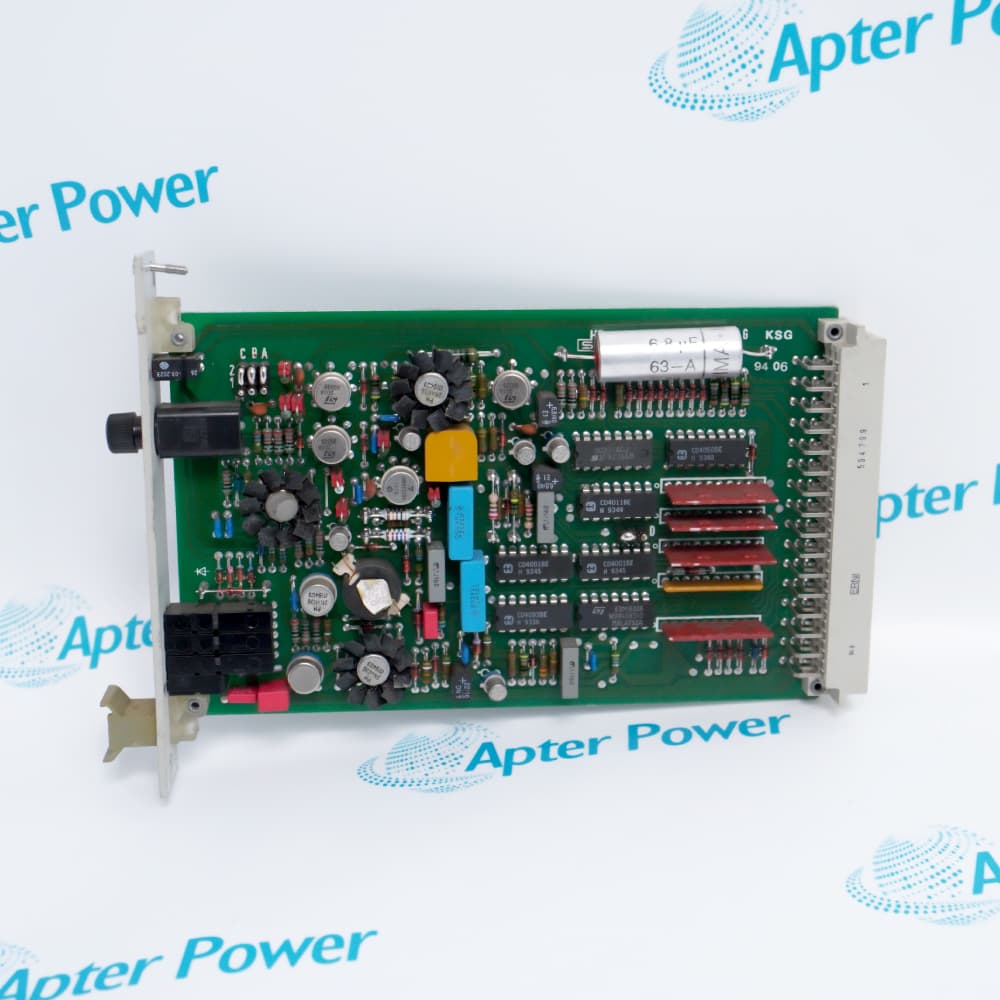
Utilizing premium components, the ABB XN06 operates reliably inside dense, unventilated control enclosures, neutralizing high electromagnetic noise generated by nearby high-voltage switchgear and variable speed drives.
The XN06 ABB Hartmann & Braun Contronic 3 DCS Processor Control Module may still be available for purchase and support from Apter Power beyond End-Of-Life (EOL) by the manufacturer (OEM).
ABB XN06 Hartmann & Braun Contronic 3 DCS Processor Control Module Manuals,Datasheets,Link
Important Notice: Other accessories, manuals, cables, calibration data, software, etc. are not included with this equipment unless listed in the above stock item description. All prices are shown in USD.
ABB XN06 Hartmann & Braun Contronic 3 DCS Processor Control Module
General
- Manufacturer ABB
- Model XN06
- Condition New Original ready stock
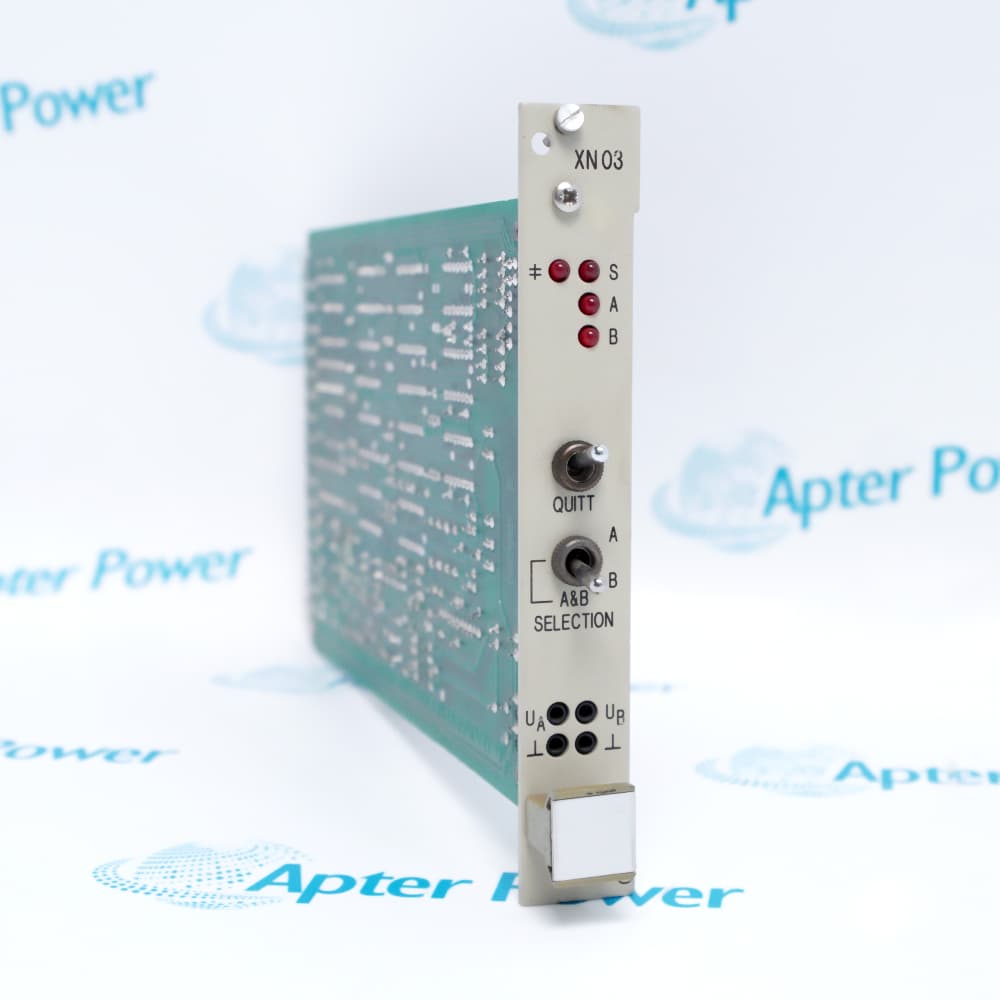
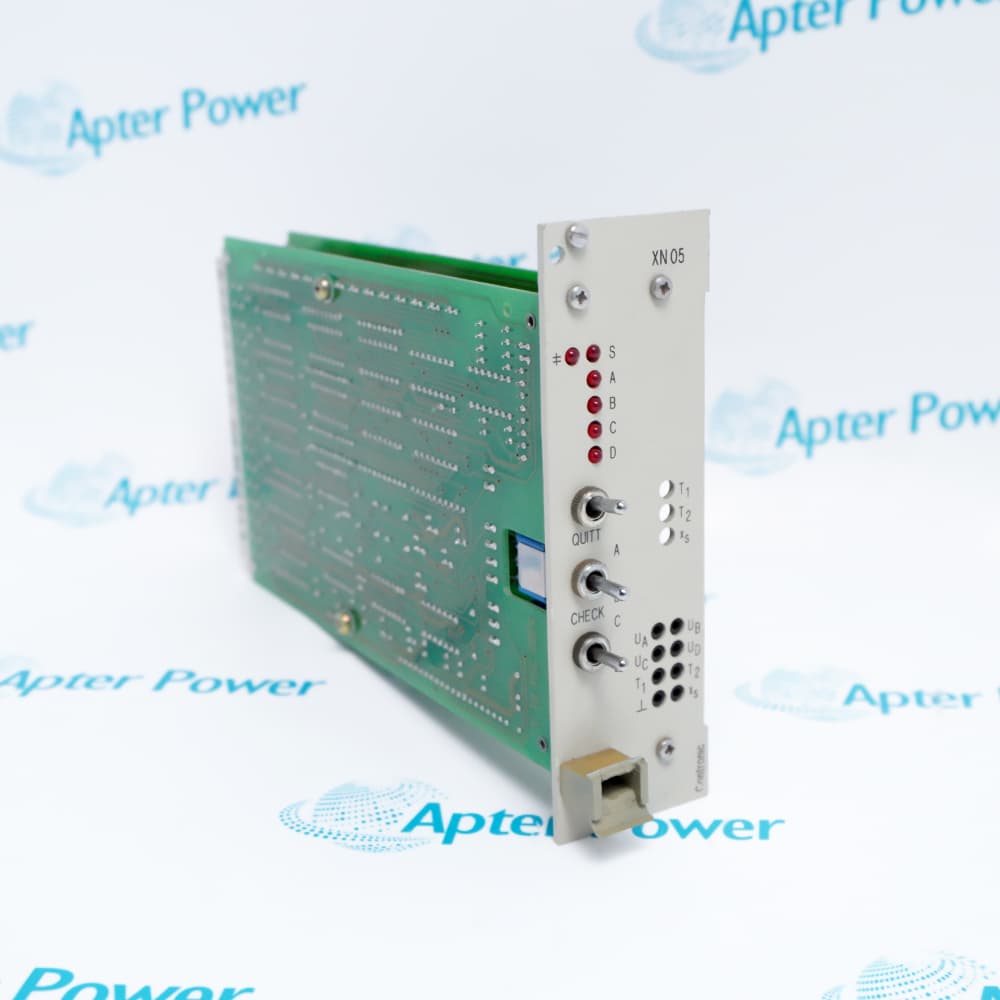
- Product Family XM03 XM 03,XN03 XN 03,XN05 XN 05
Important Notice: Other accessories, manuals, cables, calibration data, software, etc. are not included with this equipment unless listed in the above stock item description. All prices are shown in USD.
- Thermal Power Generation Control: The ABB XN06 is extensively utilized within boiler control loops, burner management systems, and steam turbine auxiliary networks where system uptime is essential for grid stability.
- Chemical & Petrochemical Processing: Used in legacy distillation units and blending plants, the ABB XN06 executes precise control algorithms to regulate sensitive temperature and pressure thresholds safely.
- Pulp & Paper Machinery Automation: The card manages continuous cross-directional and web tension calculations on older paper machine lines, maintaining consistency and preventing sheet breaks.
- Water & Wastewater Infrastructure: Installed in massive municipal pumping and filtration stations, the ABB XN06 controls large-volume flow distributions and chemical dosing sequences over long cycles.
- Backplane Bus Arbitration: The ABB XN06 continually monitors traffic on the local rack bus, managing input/output card updates to prevent collisions and ensure data refresh cycles stay on time.
- Dual-Channel Processing Verifications: The internal hardware design of the ABB XN06 matches actual logic execution against safety parameters, triggering controlled shutdowns if calculations drift outside safe zones.
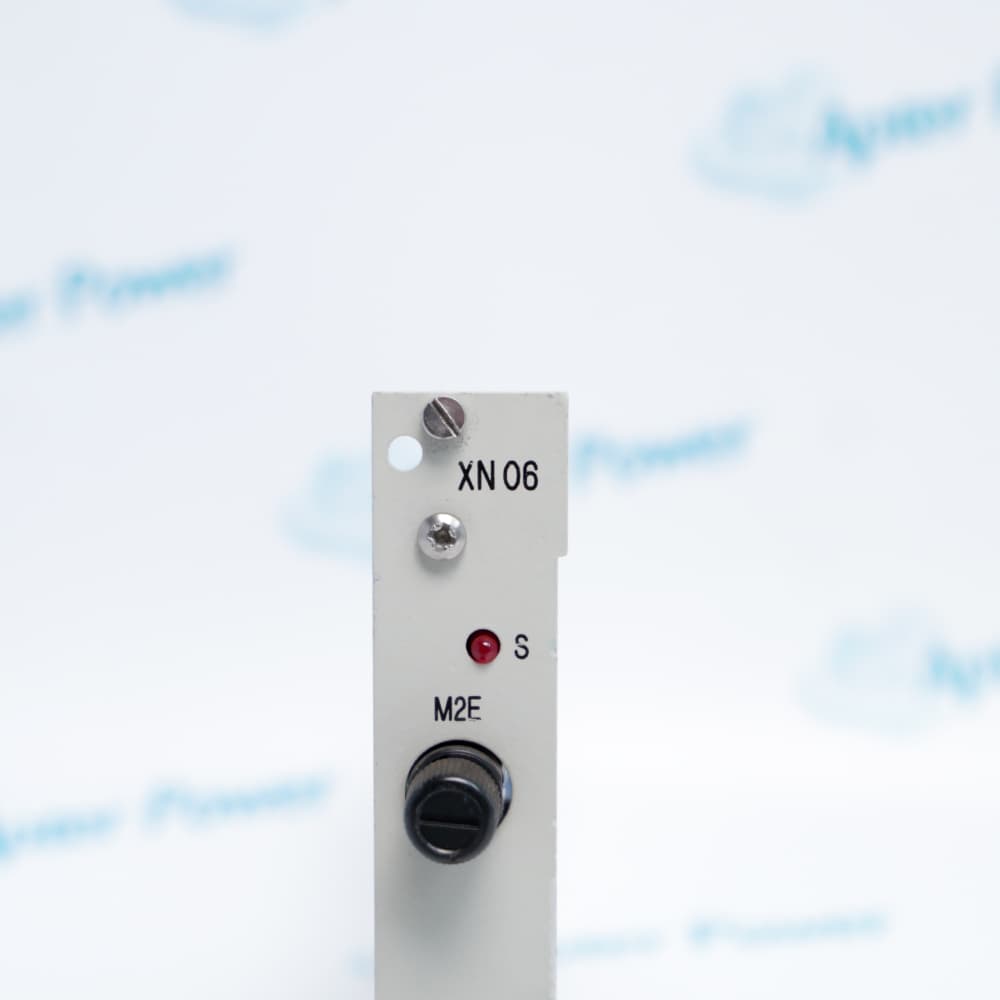
- Real-Time LED Status Array: The onboard LED indicators provide immediate visual tracking of processor power, runtime status, and communication line activity, allowing technicians to evaluate unit health on the plant floor.
- Engineering Software Interface Support: The module works directly with legacy Contronic engineering toolsets, allowing developers to execute remote diagnostic updates, tune loop variables, and trace logic steps during active production.
- Deterministic Execution Speeds: The hardware of the ABB XN06 is optimized for raw processing throughput of control loops, avoiding the operating system overhead common in standard PCs.
- Minimal Thermal Output: By using highly efficient electronic components, the ABB XN06 generates minimal heat, preserving the lifecycle of adjacent cards within the same rack.
- Optimized Local Memory Allocation: The layout of the ABB XN06 splits system firmware and user logic maps efficiently, preventing processing delays even when running complex cascade control configurations.
- Extended Service Lifecycle: Through high-component durability and low-wear solid-state design, the ABB XN06 continues to offer reliable execution decades after its introduction, lowering the total cost of ownership (TCO) of the host facility.