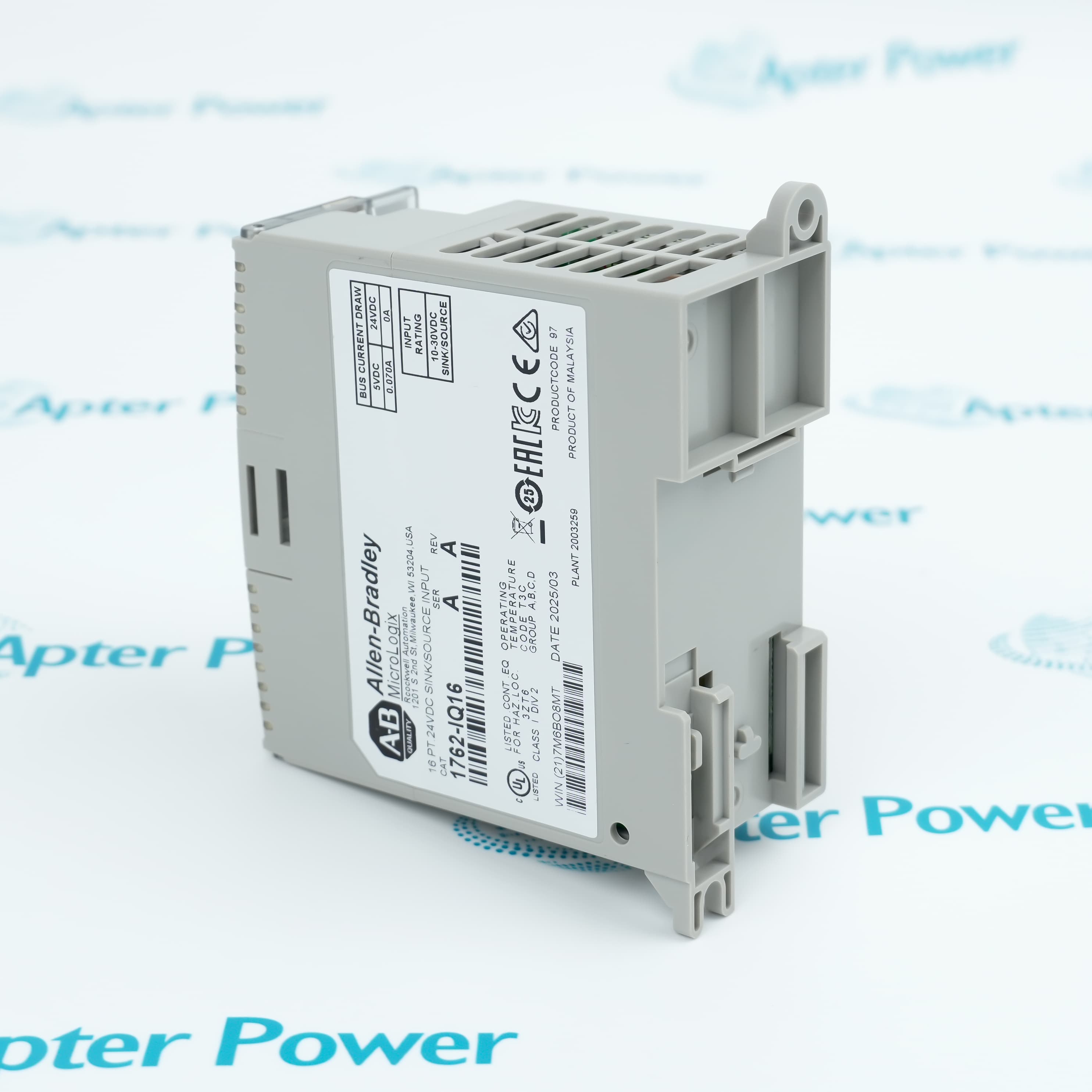
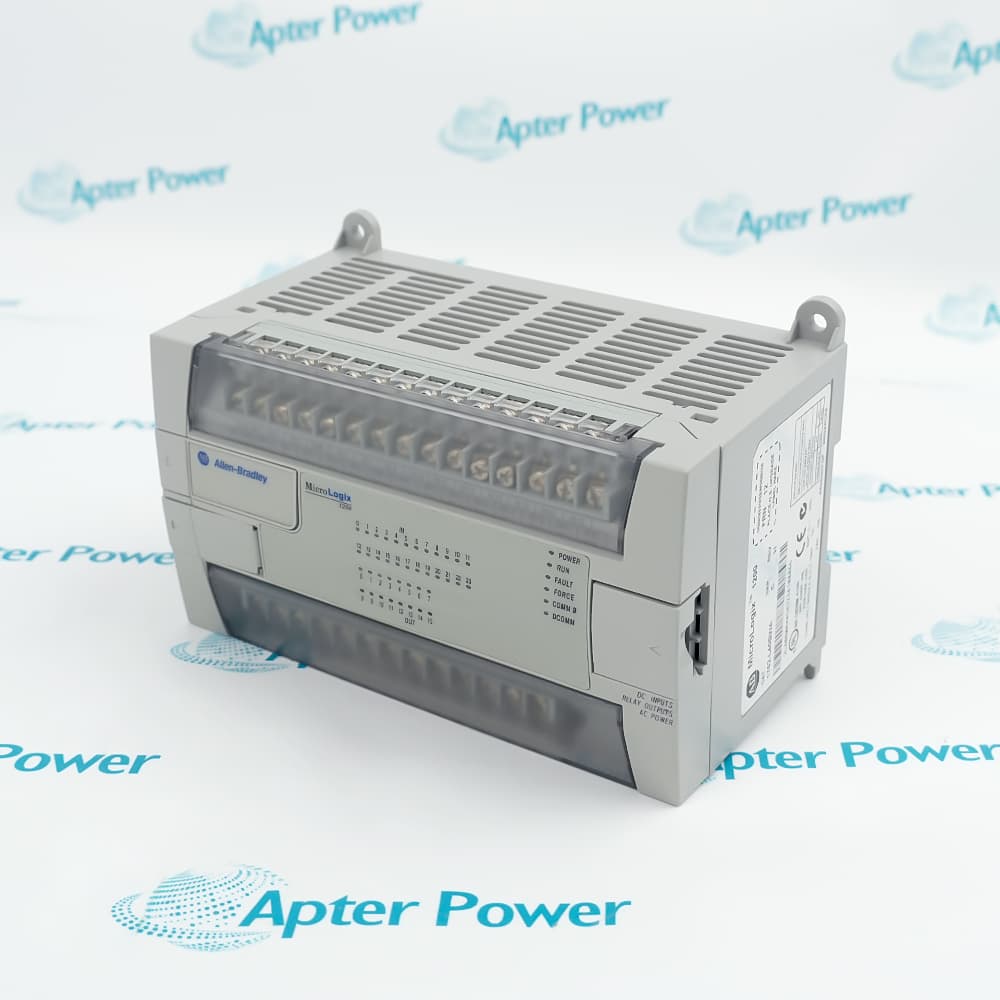
Features:
- Mixed-signal architecture: onboard digital, analog, relay, and FET channels
- Pulse control: selected FET points support enhanced PTO or PWM operation
- DC platform: 24 V DC controller power with Ethernet, serial, and expansion interfaces
1766-L32BXBA is the broadest embedded-I/O variant among the DC-powered MicroLogix 1400 configurations.
Its analog and enhanced FET facilities solve different tasks and must be commissioned with different references, loads, and diagnostics.
The full BXBA suffix should remain attached to the project, terminal schedule, network record, and purchase request because adjacent variants remove analog channels or change controller power.
Apter Power can coordinate official-document checks, quotation, and sourcing support for 1766-L32BXBA.
Allen-Bradley 1766-L32BXBA MicroLogix 1400 Programmable Controller with Analog I/O Manuals, Datasheets, Links
Important Notice: Other accessories, manuals, cables, calibration data, software, etc. are not included with this equipment unless listed in the above stock item description. All prices are shown in USD.
- Raw data: verify the twelve-bit input and output counts before applying engineering-unit scaling.
- Reference path: measure every signal against COM ANA and resolve field-potential differences before blaming a channel.
- Shield practice: use separated shielded cable and ground the drain at one end only to control induced noise.
- Pulse points: reserve FET outputs 2, 3, and 4 for qualified PTO or PWM tasks within the high-speed limits.
- Contact loads: map relay commons, suppression, and safe states separately from the transistor-return design.
- Functional proving: test waveform, steady load, and fault-state behavior for each output technology.
- DC source: record the qualified controller supply, polarity, inrush performance, and field-power separation.
- Communication restore: preserve Ethernet and serial protocol roles, addresses, timing, and peer data maps.
- Local I/O: retain the Bulletin 1762 module order and bus-current worksheet with the commissioned project.
- Mixed signal machines: combine DC sensors, voltage process signals, relay loads, and solid-state outputs.
- Pulse command systems: use eligible FET channels for qualified PTO or PWM tasks.
- Connected compact automation: integrate local expansion and supported Ethernet or serial messaging.
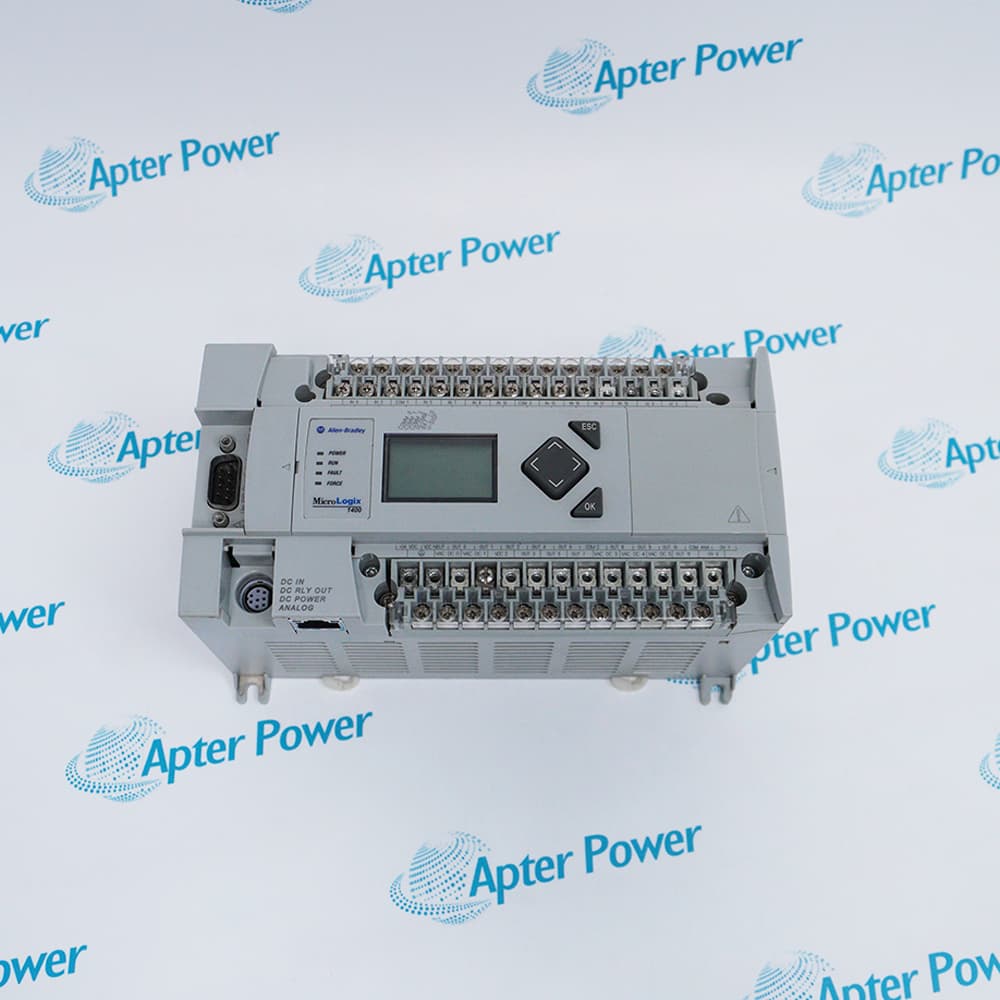
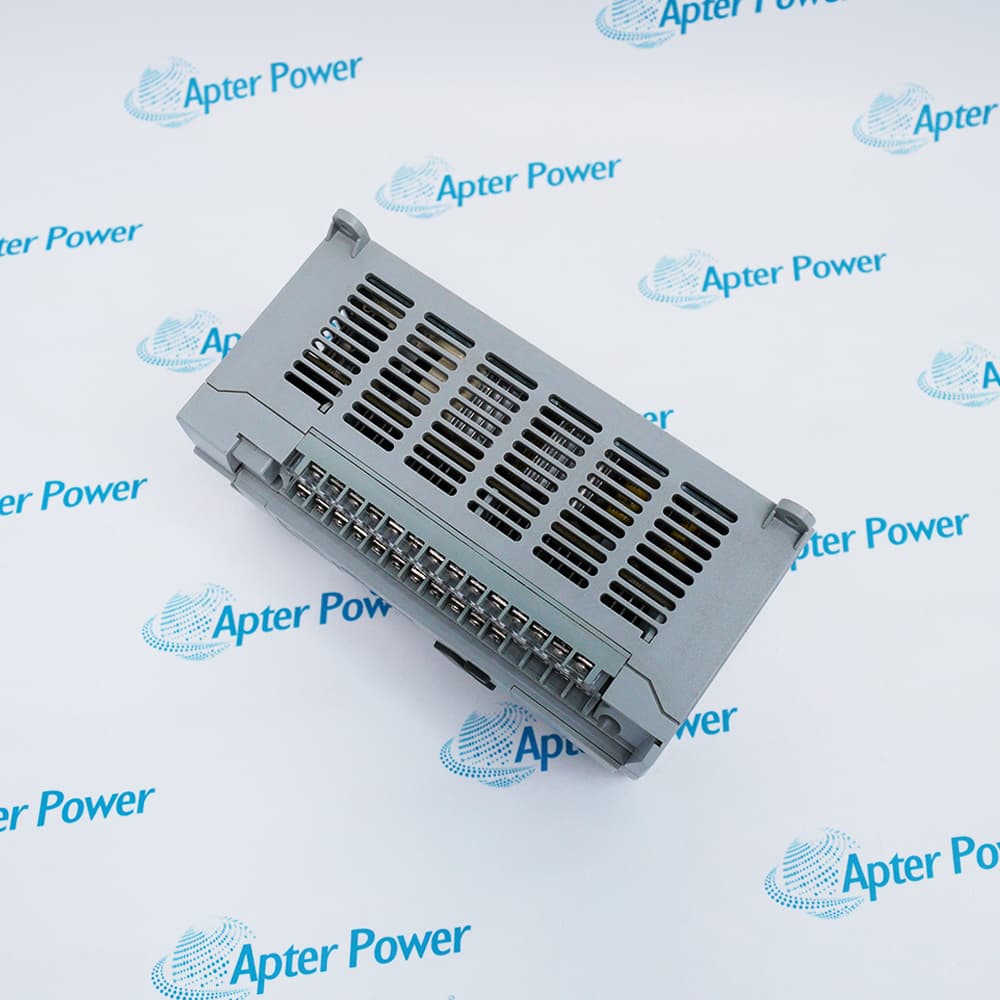
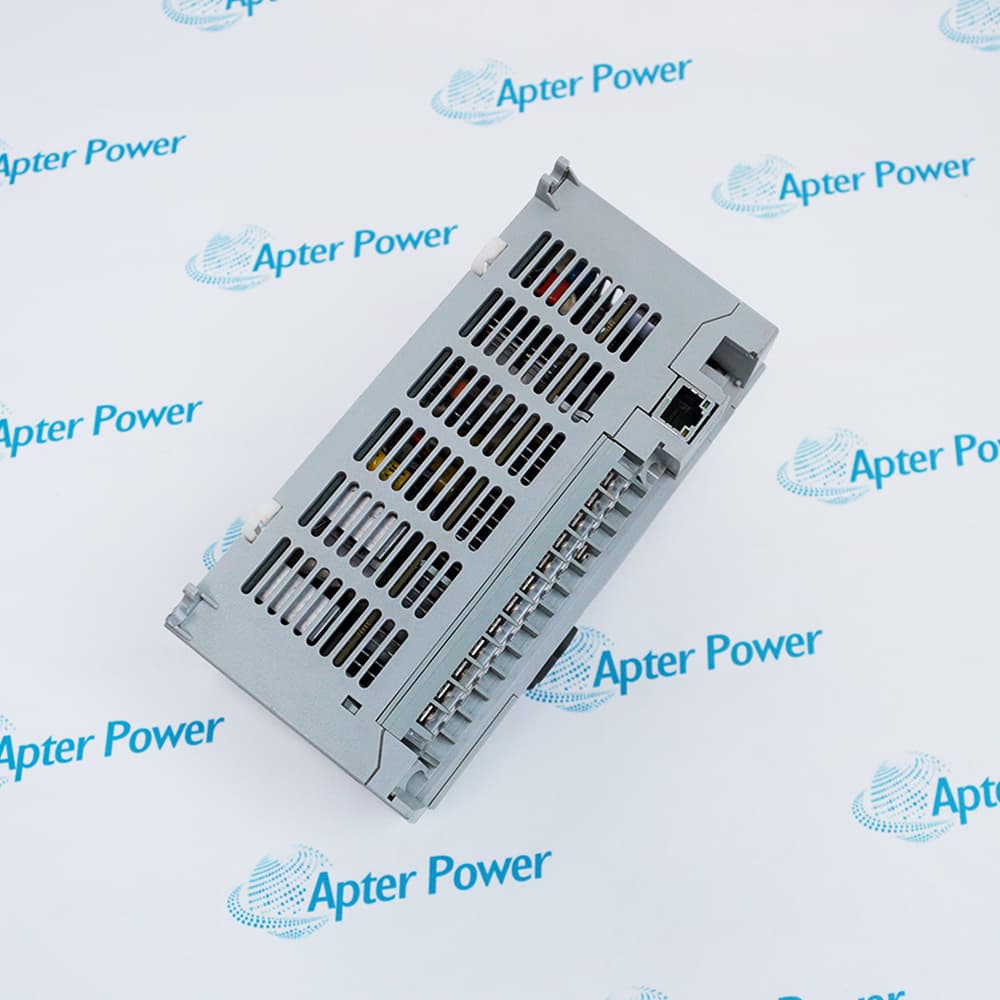

 1766-L32BXBA Datasheet