Features:
- Expands measurement-point capacity for the documented 6DS1731 input family.
- Appears as a defined entry in the PCS 7/TM I/O configuration table.
- Requires system baseline V1.00 or later in the stated integration context.
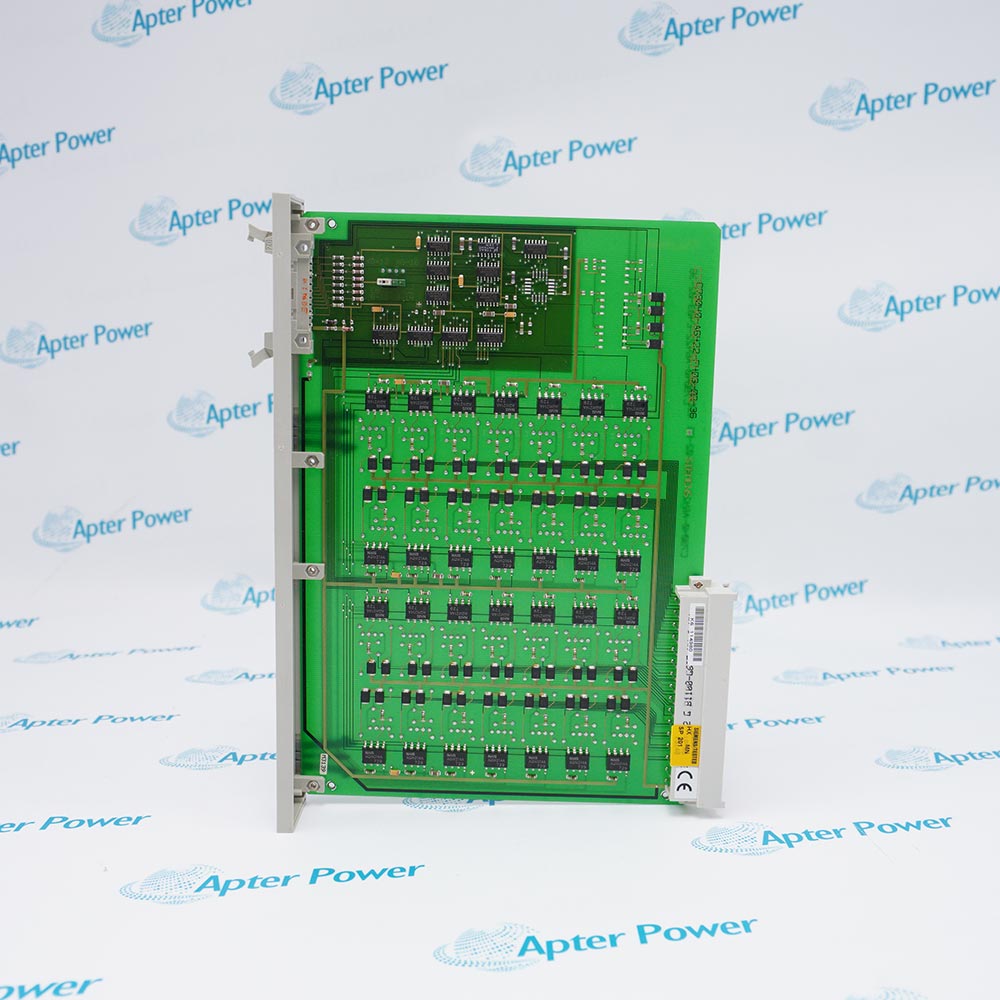
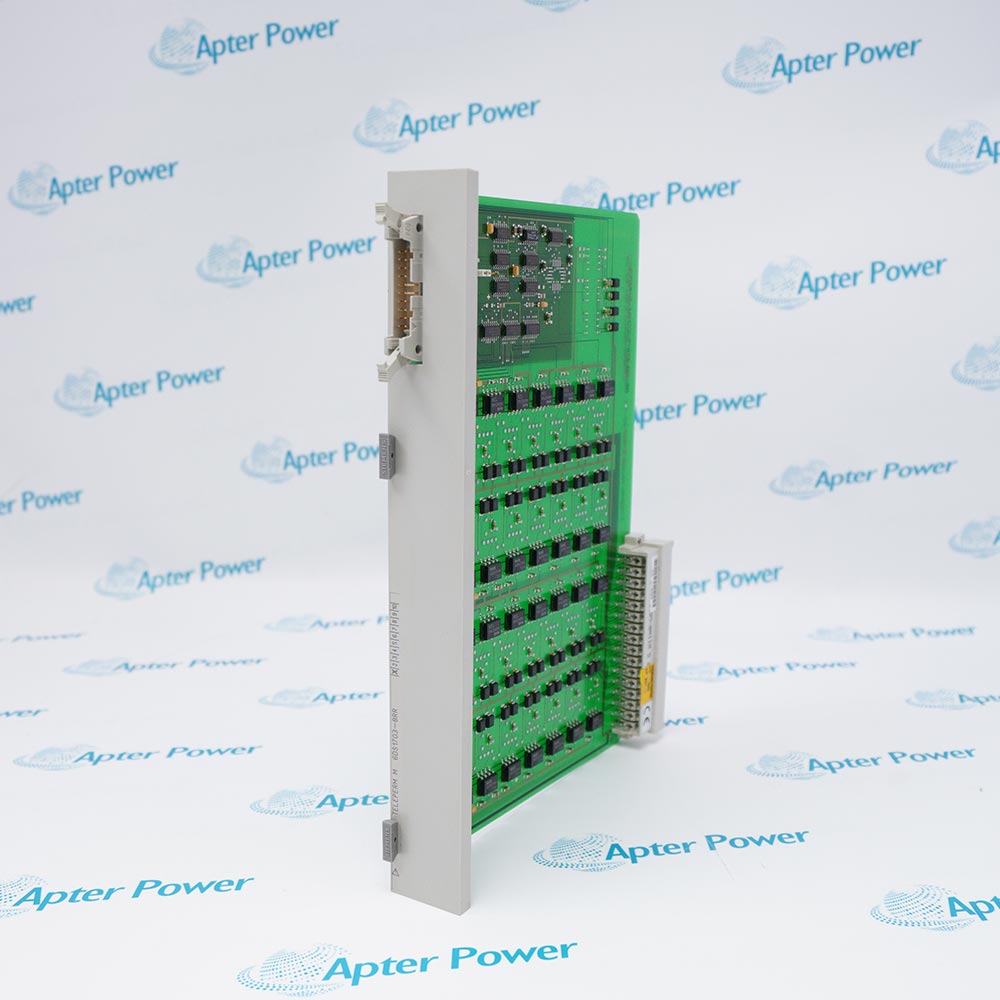
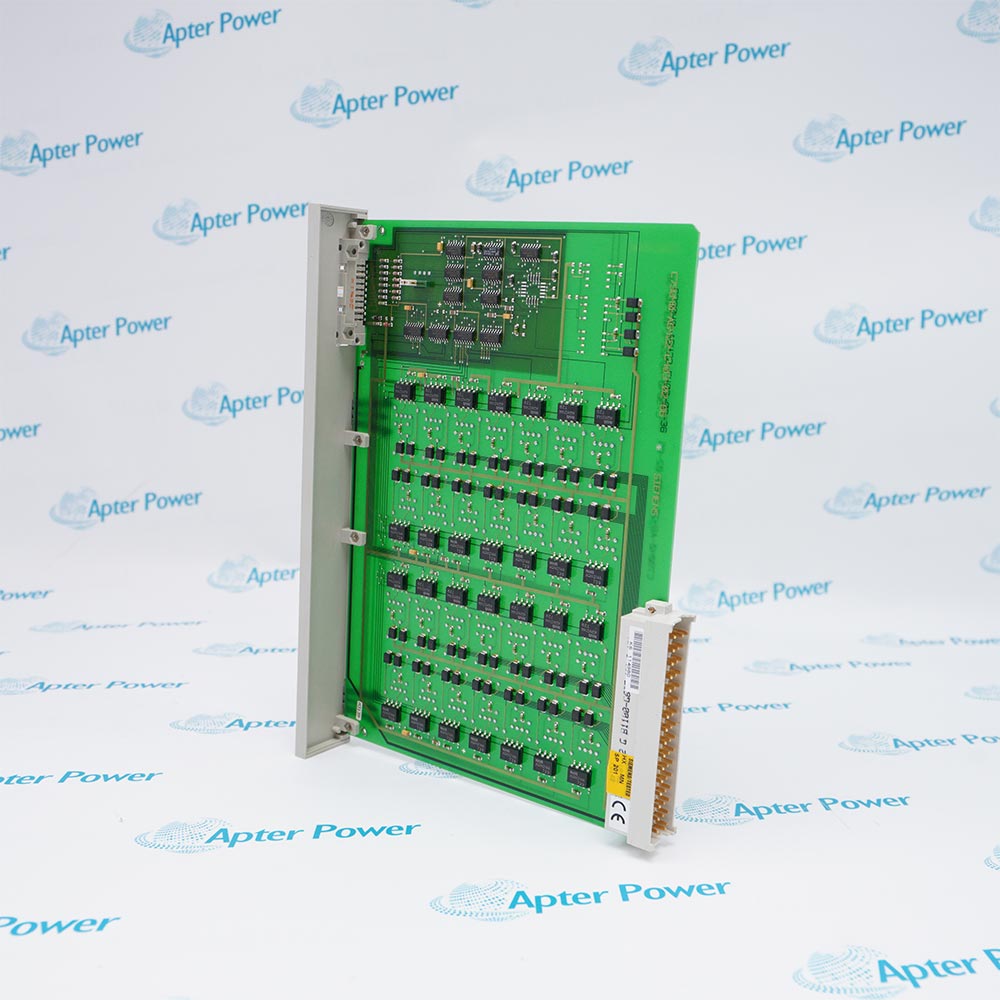
The current item is an expansion companion for TELEPERM input hardware rather than a complete measuring module. Its function is tied to the base 6DS1731 arrangement.
Additional points are represented through the physical expansion connection and the corresponding PCS 7/TM engineering entry. Correct operation therefore depends on matching hardware position and software mapping.
Before replacement, verify the base input module, expansion slot, connector layout and TM version. Channel assignments should be compared with the system database before process measurements are restored.
Legacy supply is reviewed after the associated input family and configuration baseline are confirmed.
Verified resources for Siemens 6DS1703-8RR:
Important Notice: Other accessories, manuals, cables, calibration data, software, etc. are not included with this equipment unless listed in the above stock item description. All prices are shown in USD.
- Extends the number of represented measurement points around compatible TELEPERM input hardware.
- Supports connection of established TM I/O structures within a PCS 7 migration environment.
- Provides a legacy spare where the original expansion position and point map must be preserved.
- Mounts as the documented expansion companion to the 6DS1731 input family.
- Physical position and connector alignment must agree with the original I/O arrangement.
- The expansion entry must also exist in the associated PCS 7/TM engineering table.
- System support is documented from PCS 7/TM baseline V1.00 or later.
- Point assignments must correspond exactly to the physical expansion sequence.
- Configuration backups should be compared before the module is returned to process service.
- Expanded measurement points should be validated one by one against known field signals.
- Unexpected channel shifts indicate a mapping or position error rather than a calibration fault.
- Diagnostics must consider the base input module and expansion connection as one signal chain.