Fast Quote

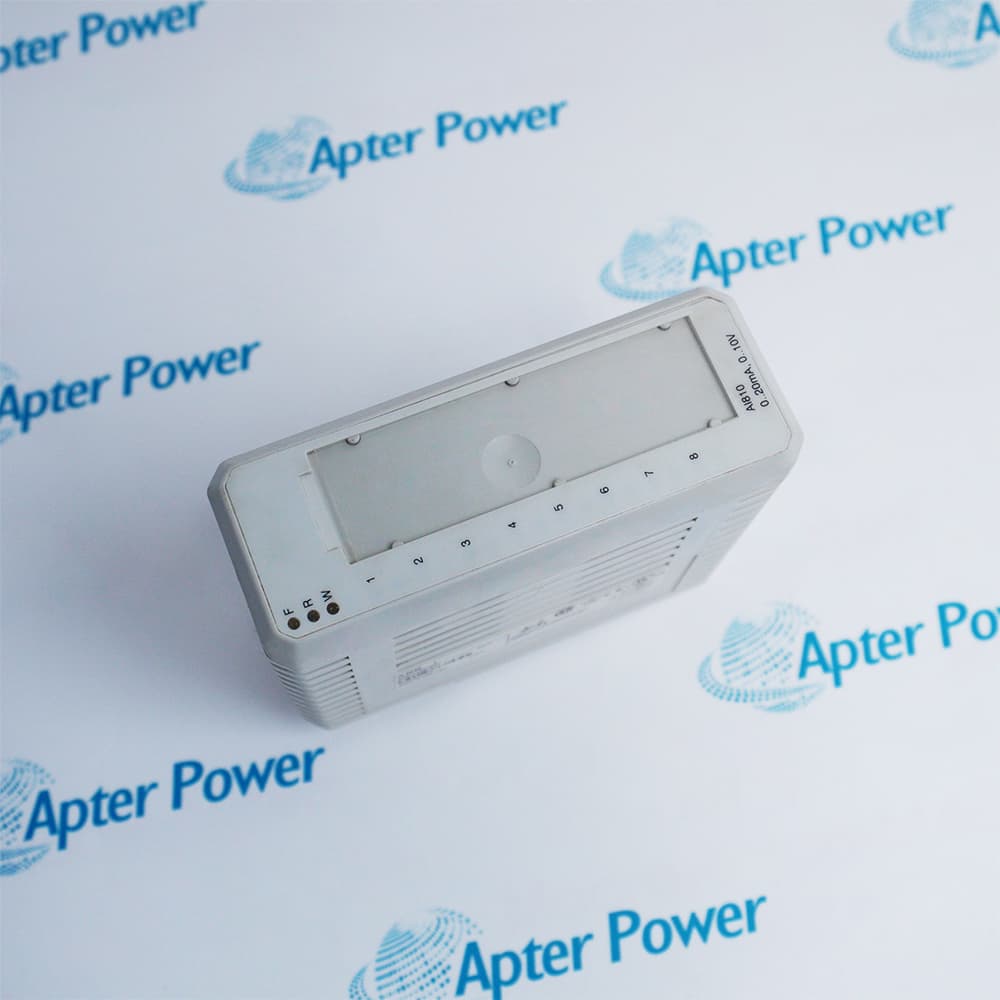
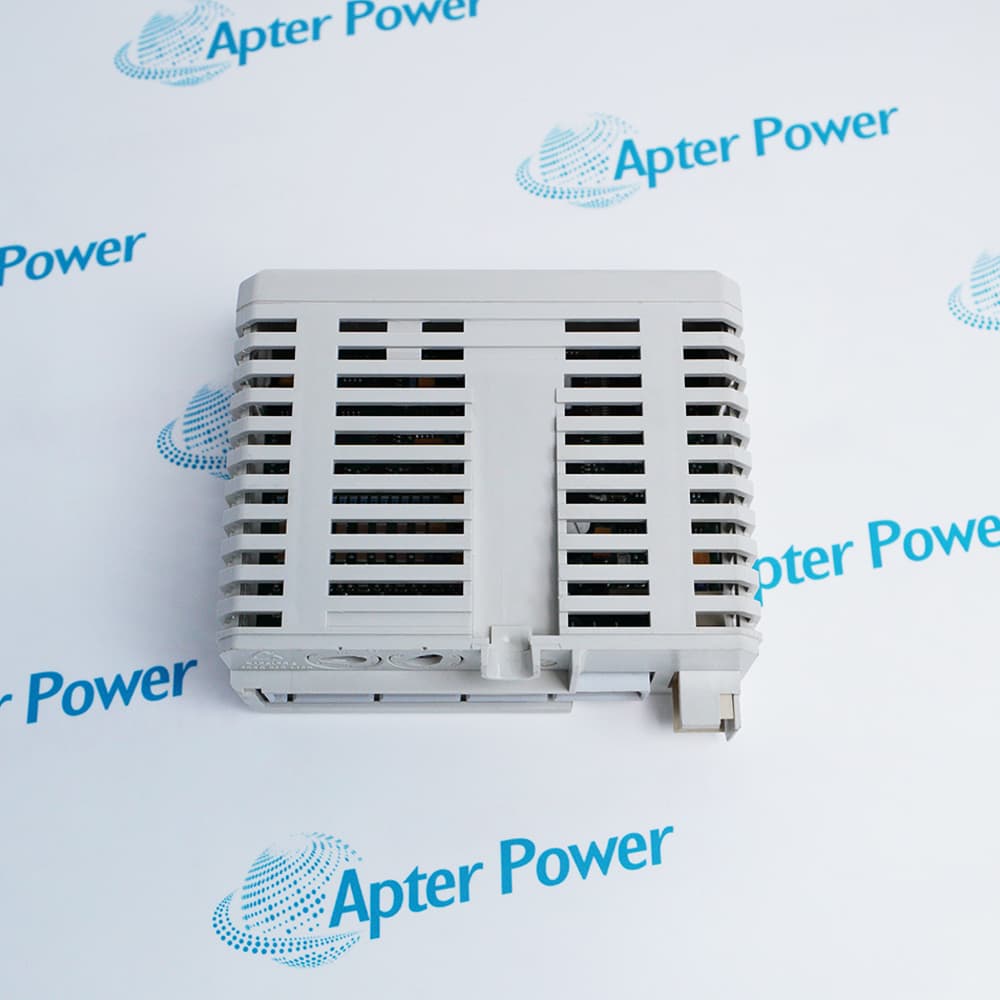
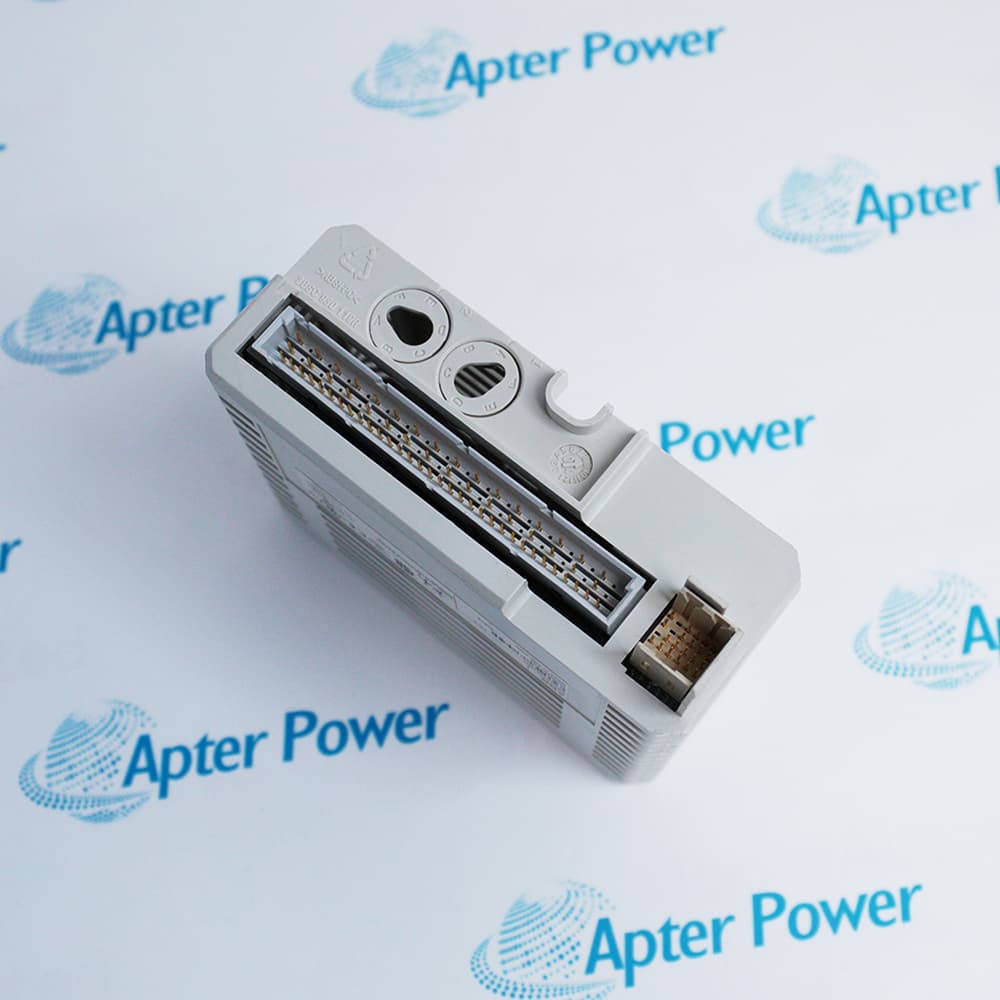

This ordering code identifies the eight-channel non-HART analog input configuration in the S800 family.
The module converts field current or voltage signals according to the selected configuration and reports them through the S800 I/O system.
Confirm one signal type, range settings, transmitter power, grounding, MTU, and field wiring before replacement.
Availability is subject to Apter Power inventory and sourcing confirmation.
AI810 3BSE008516R1 Manuals, Datasheets, and Links
Important Notice: Other accessories, manuals, cables, calibration data, software, etc. are not included with this equipment unless listed in the above stock item description. All prices are shown in USD.
AI810 3BSE008516R1 S800 I/O Analog Input Module Specifications
Important Notice: Other accessories, manuals, cables, calibration data, software, etc. are not included with this equipment unless listed in the above stock item description. All prices are shown in USD.



APTER.COM is an official website owned and operated by Apter Power Limited.All rights reserved.
Apter Power is not an authorized distributor or representative of the manufacturers featured on this website.All brand names and trademarks are the property of their respective owners.