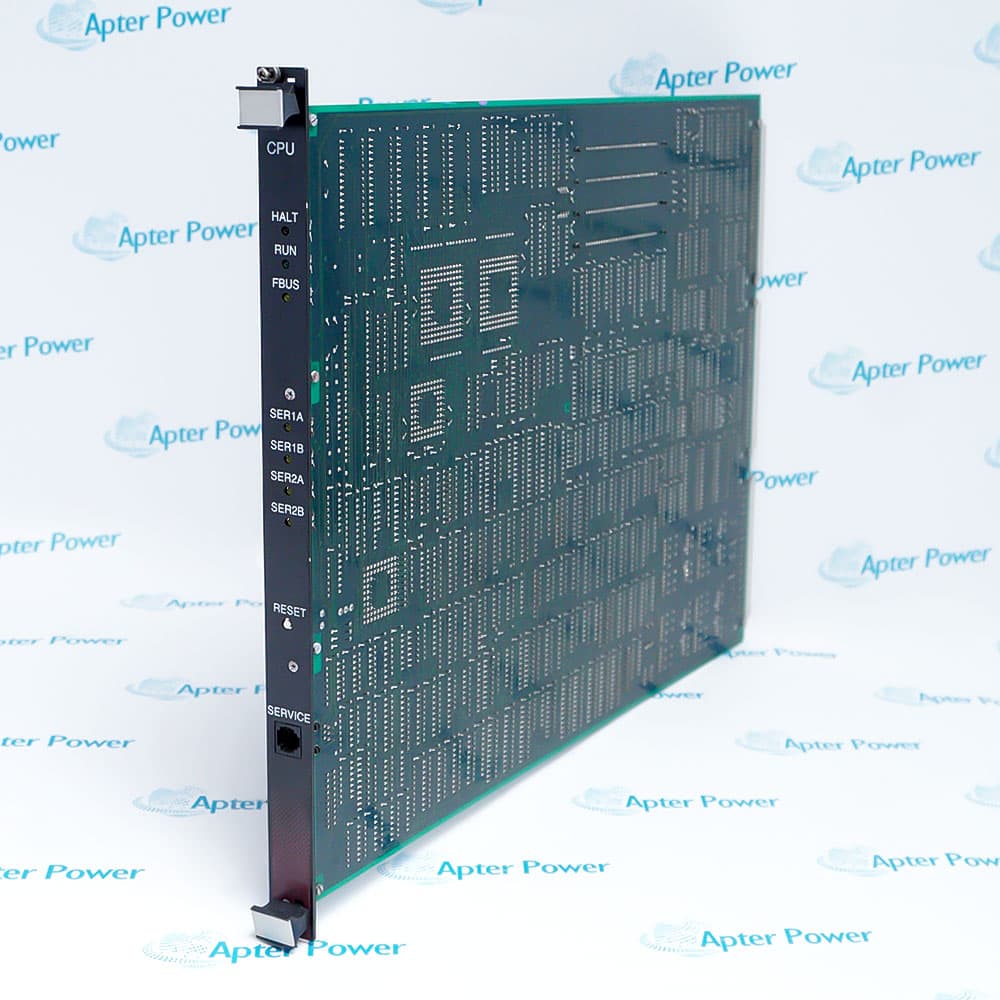
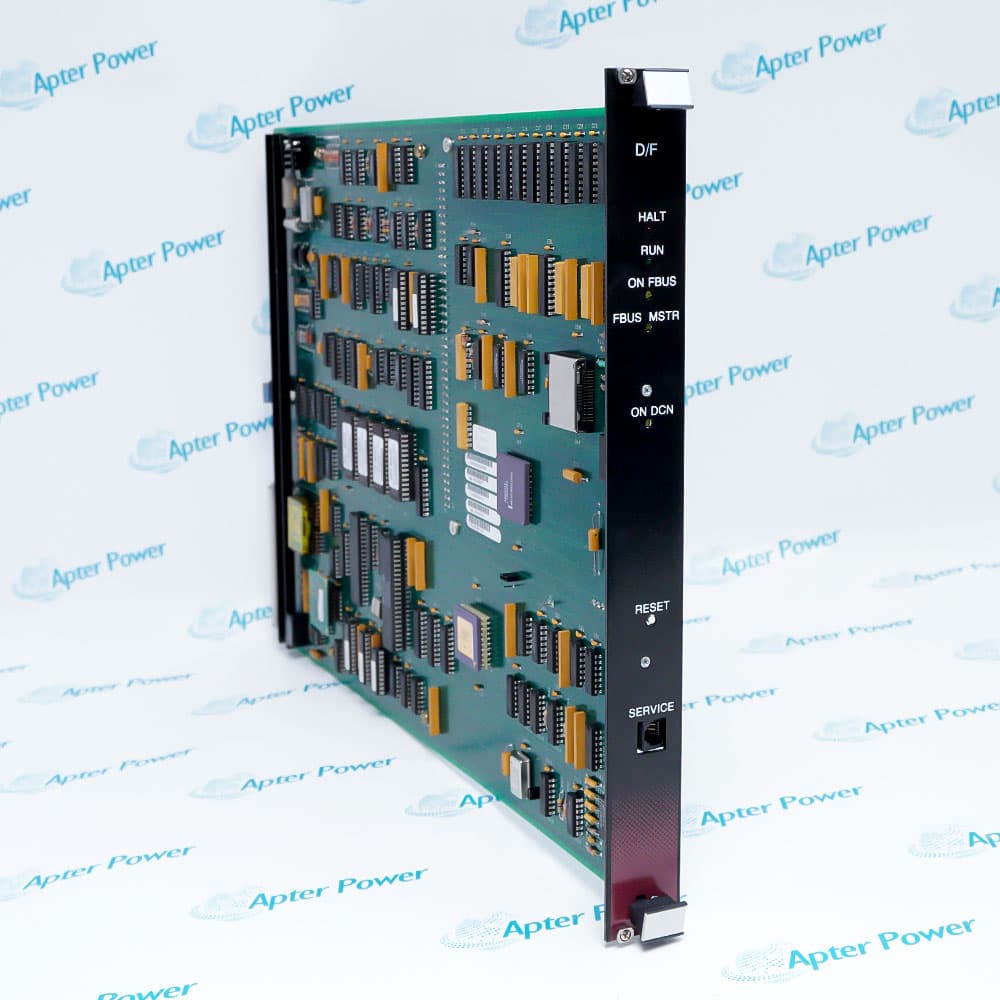
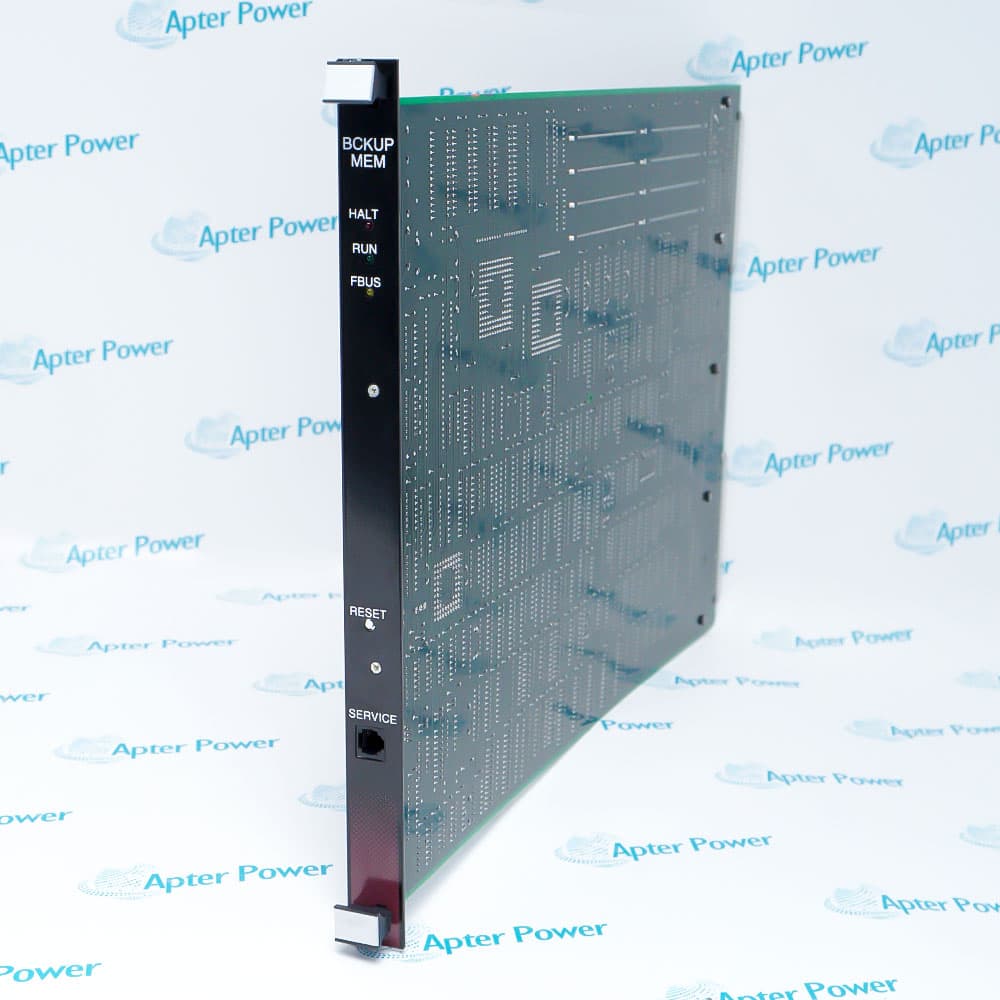
Features:
- Translates data between Symphony Harmony/SC controllers and remote I/O stations via CEx bus
- Provides galvanic isolation (≥1500V AC) to protect core DCS from electrical noise
- Modbus RTU Connectivity: Enables integration with third-party devices via RS-485 Modbus protocol
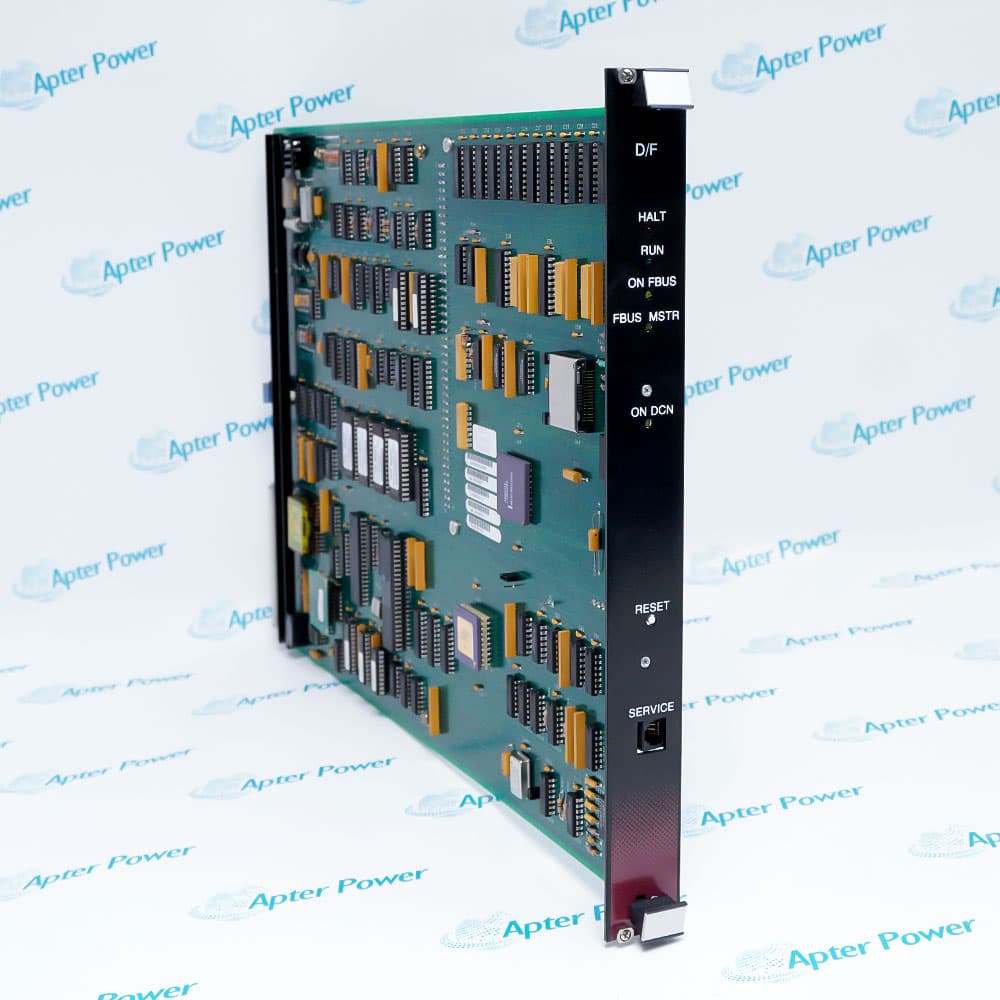
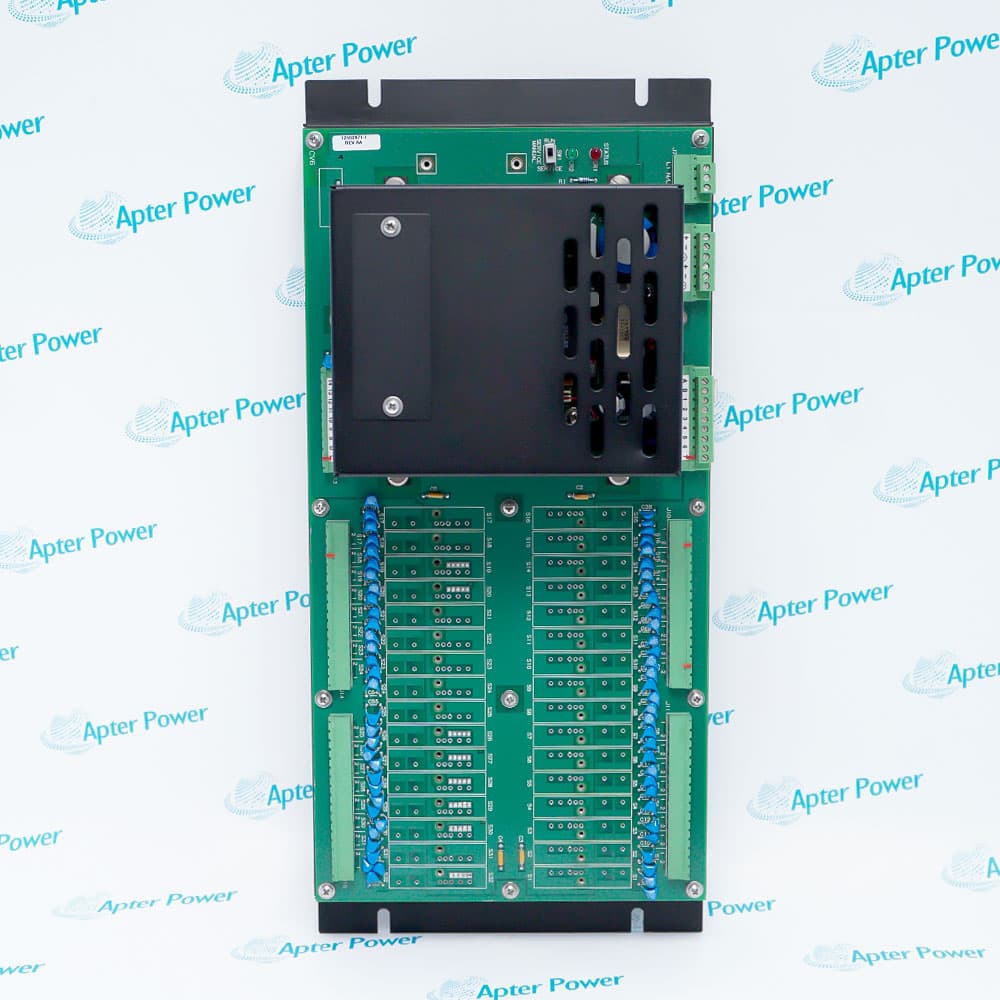
The 6215BZ10000 6215BZ10000A is a dedicated SC I/O transfer module that serves as the vital communications bridge in ABB's Symphony Harmony and SC distributed control system architectures. It connects the DCS controller's CEx bus (often via a CI854 interface module) to remote I/O stations such as S800 subsystems or SC-series racks. This module is essential for translating and relaying control data, ensuring field devices and controllers communicate effectively. It is a critical component in older power plants, chemical processing facilities, and paper mills that rely on these systems.
The 6215BZ10000 6215BZ10000A provides robust galvanic isolation (typically ≥1500V AC) between the controller side and the field I/O side. This electrical separation is crucial for protecting the core DCS from field-side electrical noise, ground potential differences, and voltage surges. By isolating the clean controller bus from the potentially noisy field environment, the 6215BZ10000 6215BZ10000A significantly enhances system stability and prevents interference from disrupting critical control functions. This feature is particularly important in electrically harsh industrial environments.
The 6215BZ10000 6215BZ10000A supports Modbus RTU communication via an RS-485 interface, enabling integration with various industrial devices. This allows data exchange with third-party PLCs, sensors, or actuators that may not natively support ABB's proprietary DCS protocols. For legacy system upgrades, the 6215BZ10000 6215BZ10000A can act as a bridge, allowing newer devices to communicate with the older ABB control system. It features status LEDs (Power, Run, Error) for quick diagnostics.
The 6215BZ10000 6215BZ10000A ABB Transfer Module may still be available for purchase and support from Apter Power beyond
End-Of-Life (EOL) by the manufacturer (OEM).
ABB 6215BZ10000 6215BZ10000A Transfer Module Manuals,
Datasheets, Drivers, Link
Important Notice: Other accessories, manuals, cables, calibration data, software, etc. are not
included with this equipment unless listed in the above stock item description. All prices are
shown in USD.
ABB 6215BZ10000 6215BZ10000A Transfer Module Specs
General
- Manufacturer ABB
- Model 6215BZ10000 6215BZ10000A
- Condition New Original ready stock
- Product Family
6214BZ10120 6214BZ10120G,6205BZ10100 6205BZ10100K
Important Notice: Other accessories, manuals, cables, calibration data, software, etc. are not
included with this equipment unless listed in the above stock item description. All prices are
shown in USD.
- Large-Scale Petrochemical Processing: Routing real-time temperature, pressure, and flowrate inputs from distillation columns to the controller backplane.
- Continuous Chemical Synthesis: Managing fast serial data transfers for complex batch sequencing and critical process safety interlocks.
- Thermal Power Generation: Coordinating high-density I/O clusters on boiler control systems and auxiliary cooling water systems.
- Pulp, Paper, & Metals Industry: Facilitating rapid control loop synchronization between specialized weight/thickness sensors and distributed actuators.
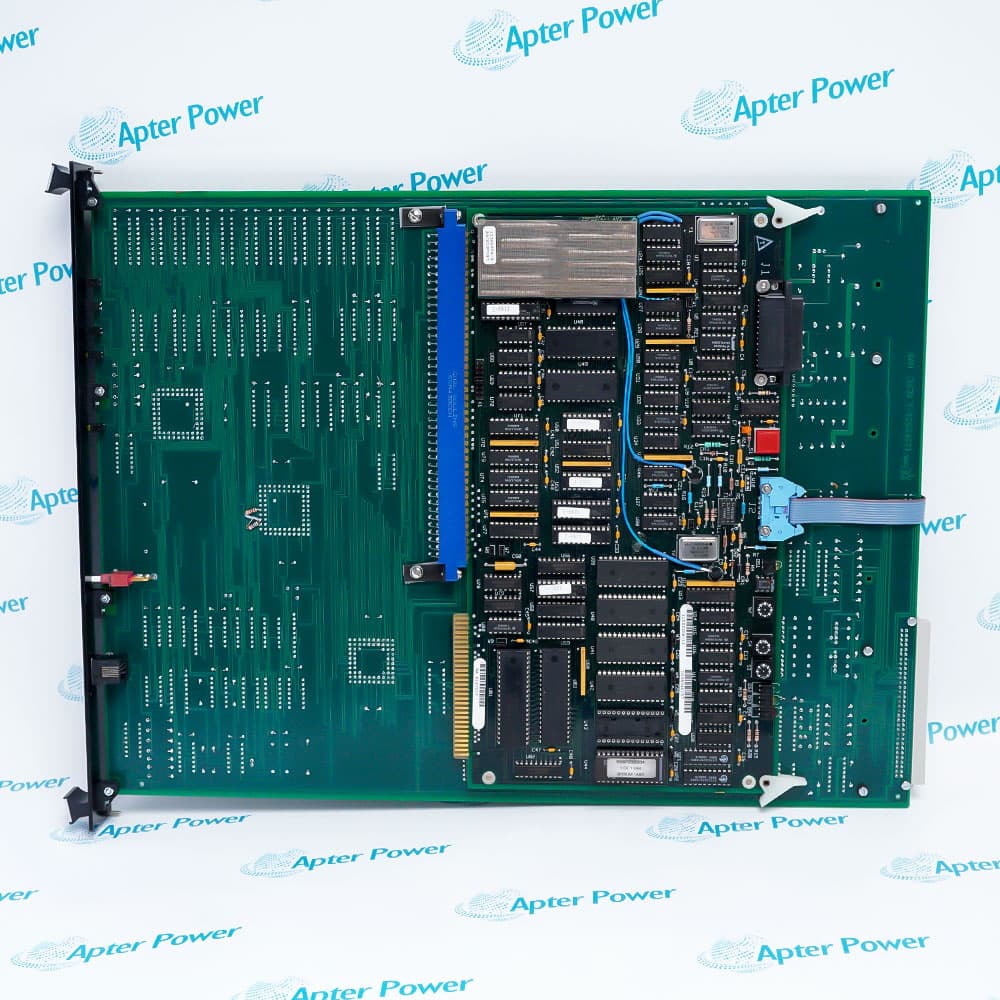
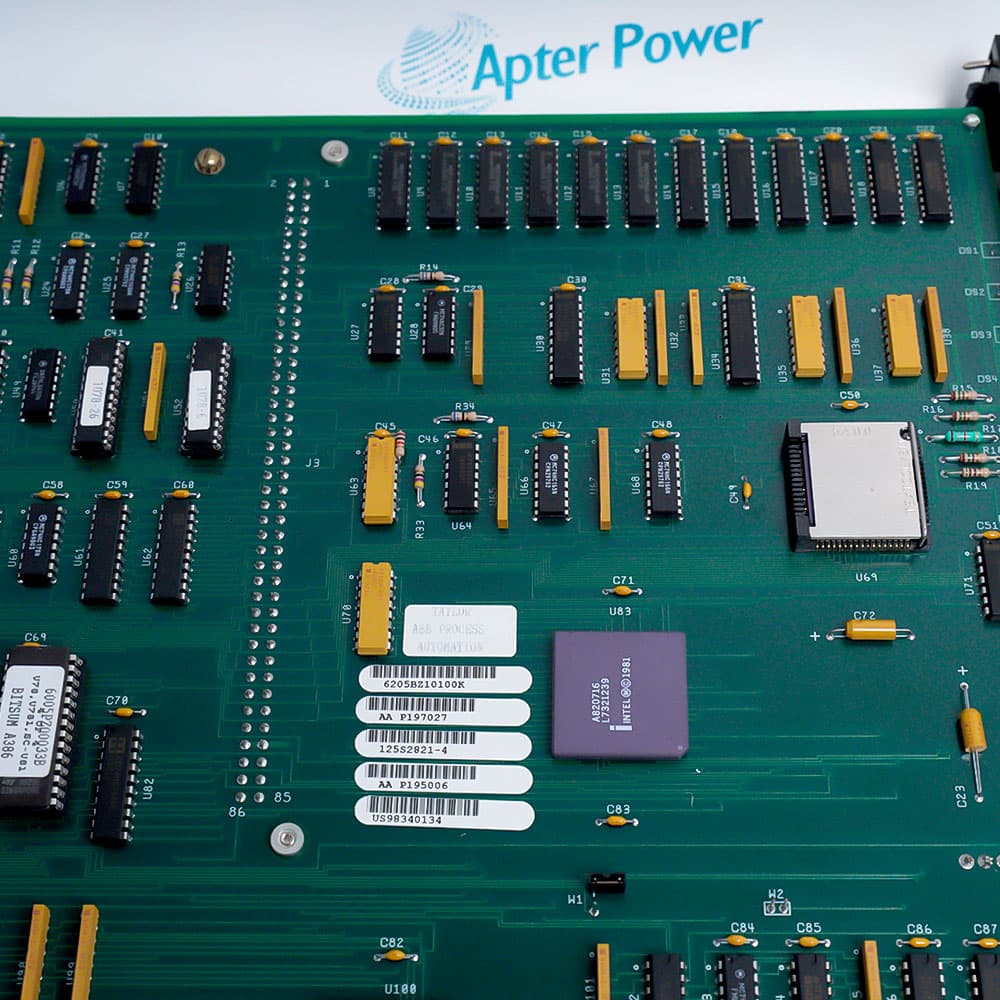
- EPROM-Based Firmware: The core communication stacks and operating microcode are stored on physical, onboard non-volatile EPROM (Erasable Programmable Read-Only Memory) chips.
- The "A" Revision Advantage: The 6215BZ10000A features a revised board layout and an upgraded firmware revision pre-burned at the factory. This iteration improves backplane communication timing, fixes serial buffer bugs, and enhances compatibility with later versions of the MOD 300 system software.
- Firmware Update Methods: Firmware upgrades cannot be performed over the ethernet or serial network. If a firmware update or compatibility patch is required to resolve system-level communication glitches, it typically requires a physical chip swap—inserting a factory-programmed EPROM into the module's motherboard socket under strict ESD controls.
- Hardware Address Mapping: Before inserting the card into the subrack, engineers must configure hardware DIP switches or jumpers located on the PCB. These switches establish the unique physical node address of the transfer module on the SC I/O bus loop.
- System Integration via CCF: Software configuration is managed through the native Taylor Control Language (TCL) or via the ABB MOD 300 Configurable Control Functions (CCF) environment. Within CCF, engineers map specific physical hardware channels to database tags.
- Zero Runtime Programming: Once the module's node address matches the system's structural I/O configuration matrix, the board automatically negotiates backplane transactions. It requires no standalone routine programming; it acts as a transparent, hardware-driven multiplexer.