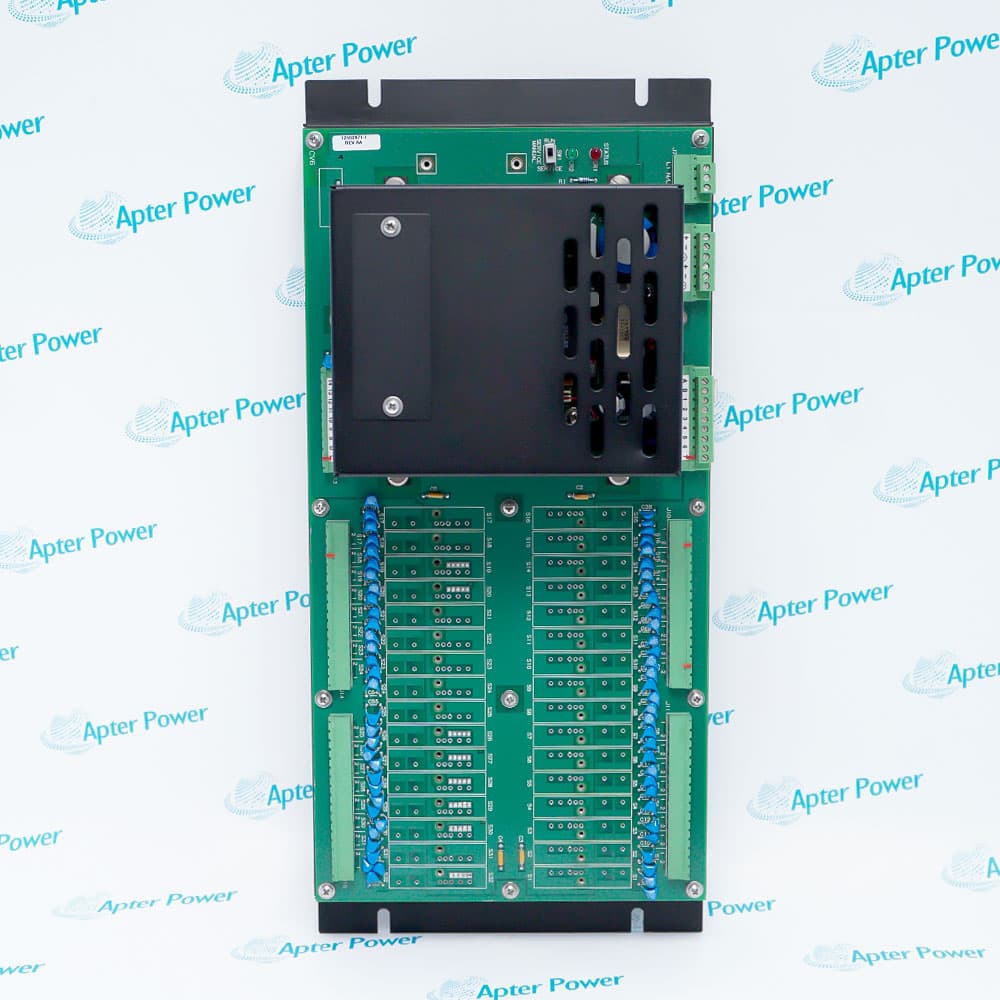
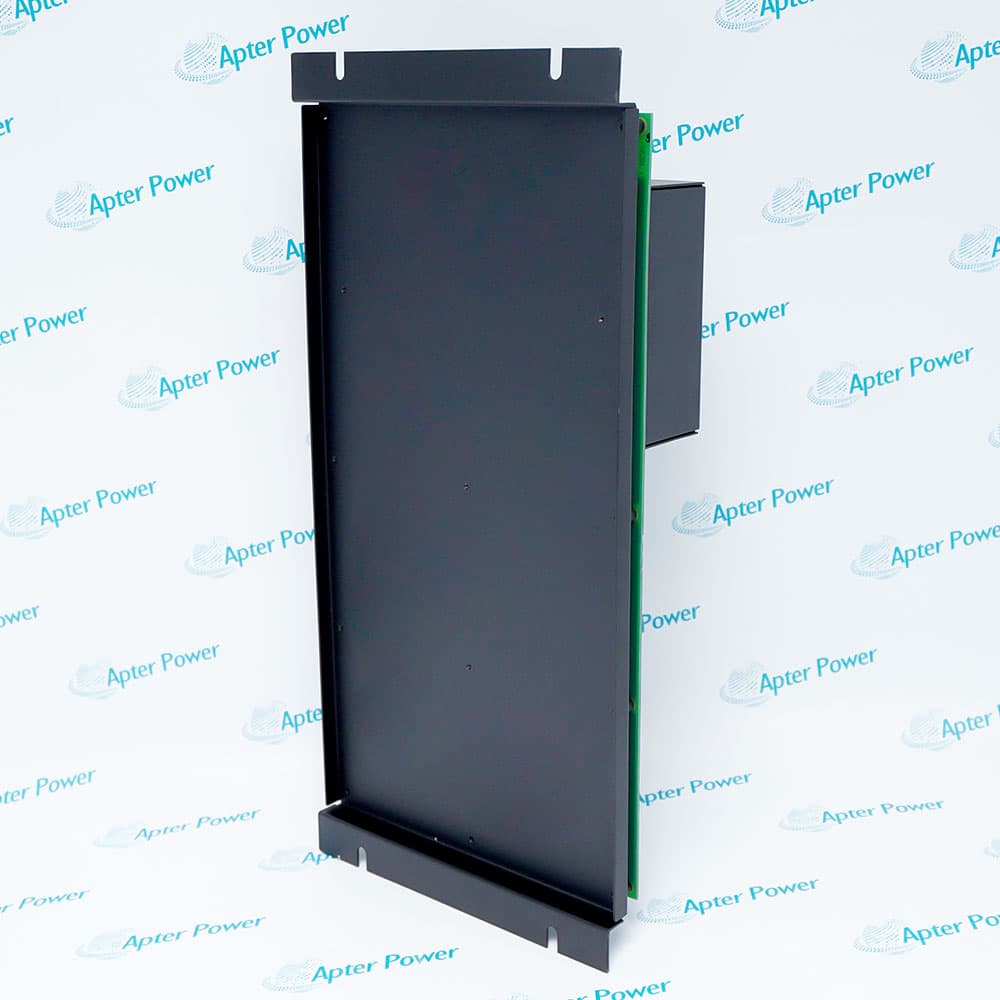
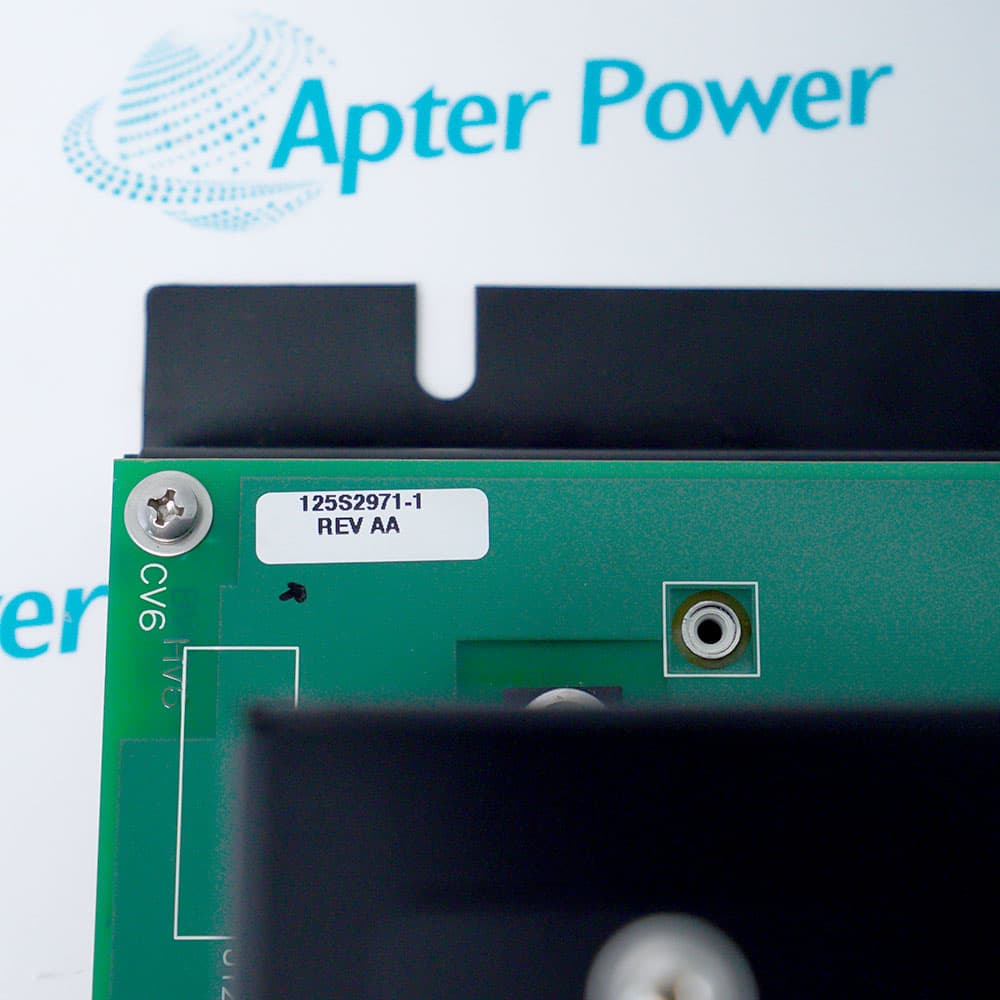
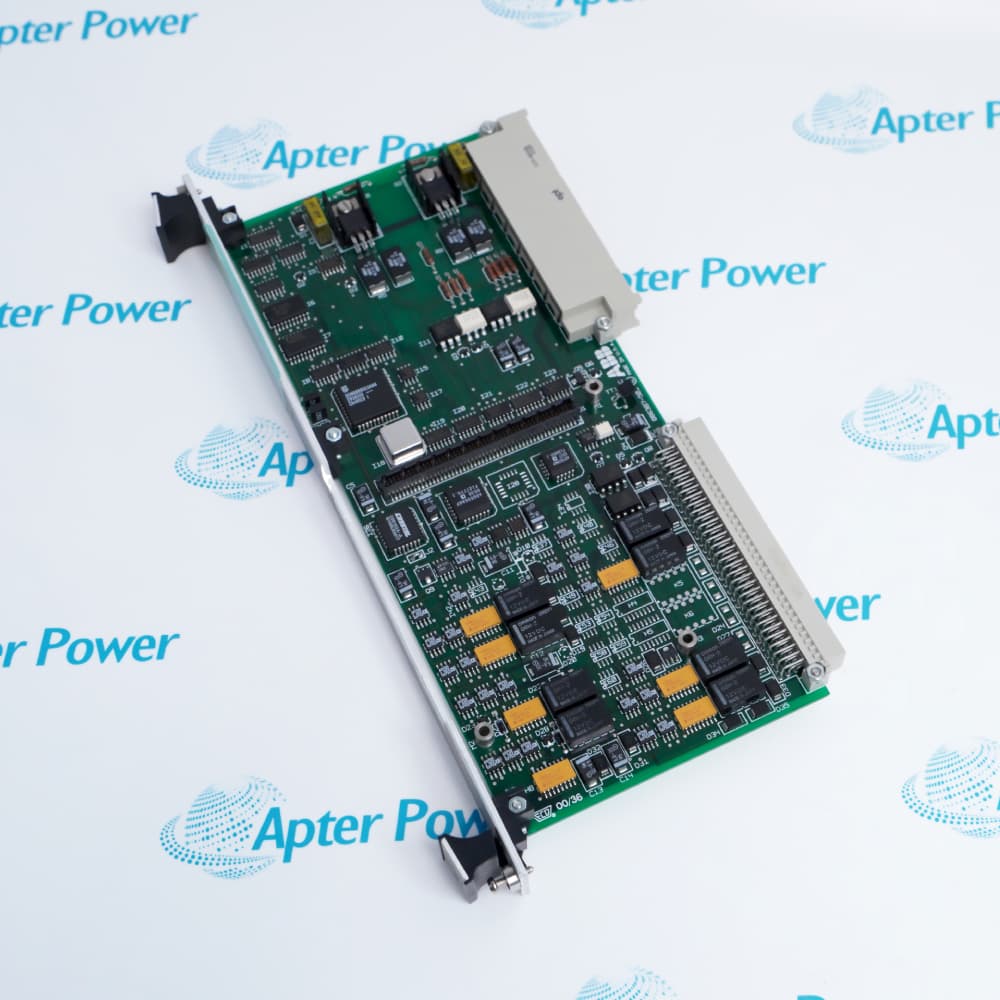
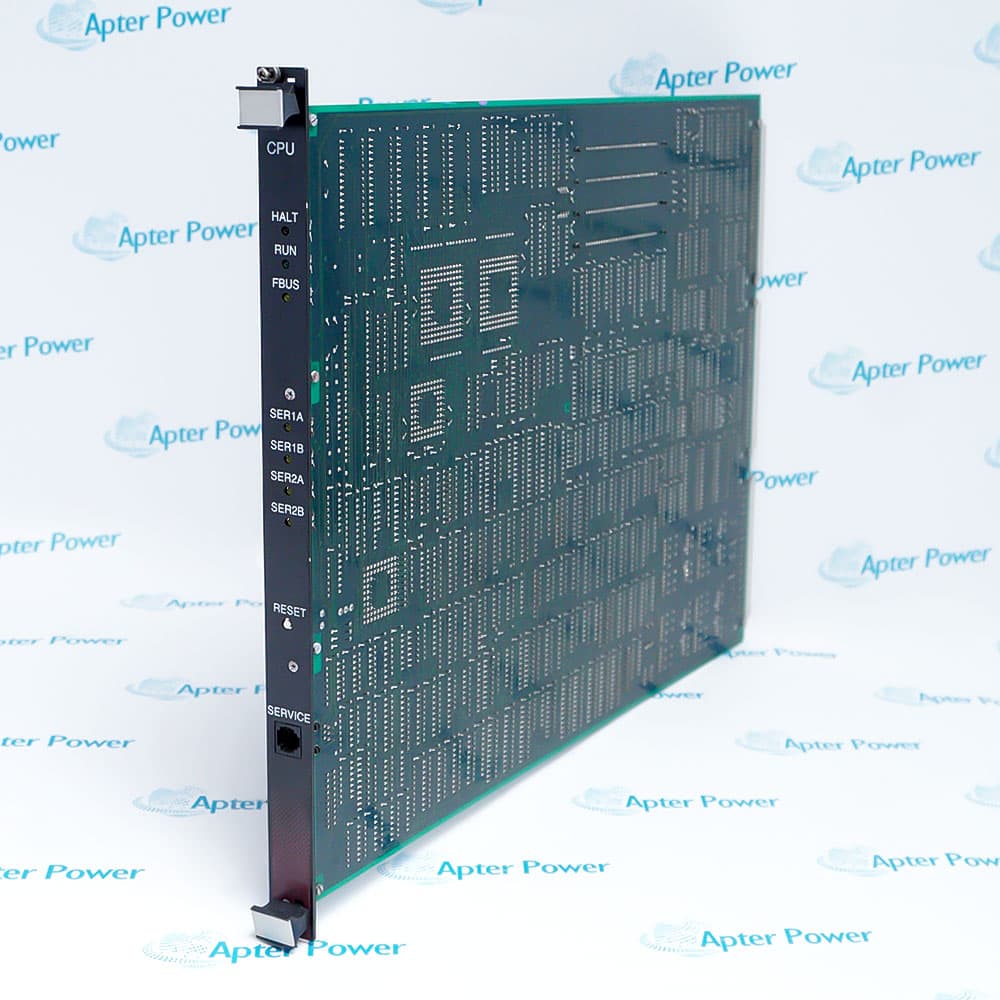
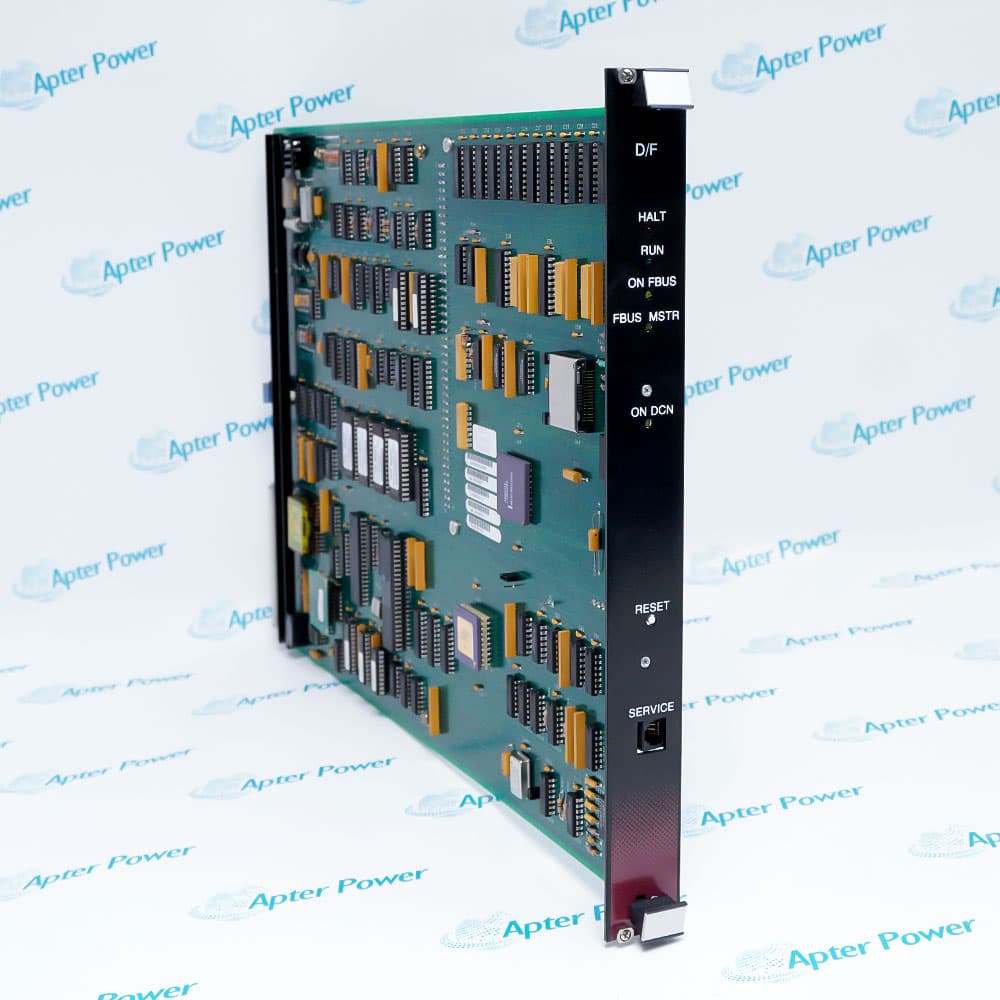
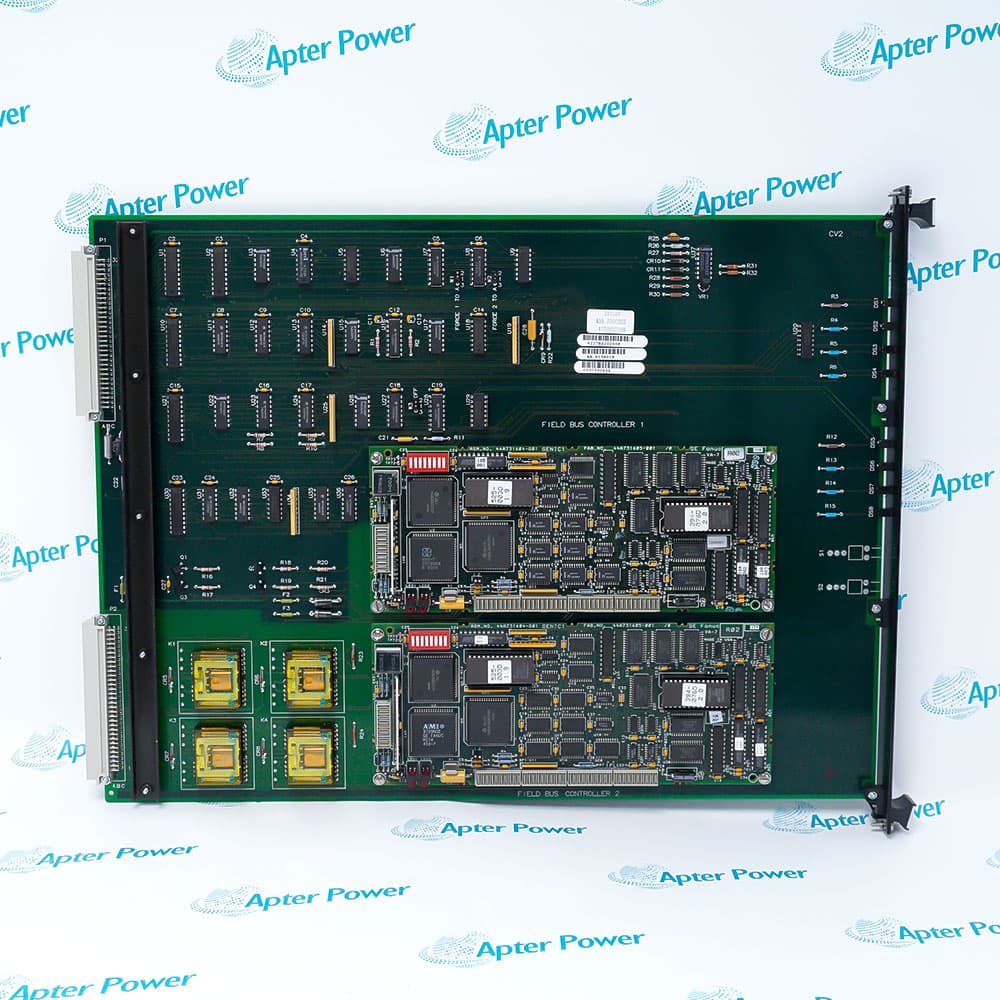
Features:
- Exact AC order: Manufacturer ordering data identifies the 85–250 V rms, 50–400 Hz base.
- Event recording platform: Supports millisecond scanning and a local chronological event queue.
- Modular configuration: Identity, input and communications modules are selected separately.
The base unit supplies the processor, real-time clock and platform resources used by the MODCELL Sequence of Events Recorder.
An engineer can combine isolated or non-isolated digital-input modules according to the field-signal design described by the manufacturer.
The base code establishes the supply variant; it does not by itself identify every plug-in module fitted to the installed recorder.
Apter Power supports ABB 2002NZ10801C MODCELL Sequence of Events Recorder Base Instrument documentation, configuration review and legacy sourcing.
ABB 2002NZ10801C MODCELL Sequence of Events Recorder Base Instrument Manuals,Datasheets,Link
Important Notice: Other accessories, manuals, cables, calibration data, software, etc. are not included with this equipment unless listed in the above stock item description. All prices are shown in USD.
- Separate order layers: Treat the base, SOE identity module, digital-input modules and communications modules as distinct configuration choices.
- Installed module schedule: Preserve the fitted module set and terminal arrangement instead of relying on the base code alone.
- Optional memory: The portable memory module is not included by the 2002NZ10801C base-instrument designation.
- Chronological records: Input transitions are timestamped and stored in event order for monitoring and logging.
- Finite local queue: The 1024-entry queue must be read by the application workflow before extended event accumulation.
- Time-source design: Network synchronization depends on the fitted communications modules and the selected local or global clock source.
- Rack arrangement: The flushmount base fits a 19-inch rack or panel layout with field termination separated from supply connections.
- Power boundary: The AC and DC base codes are different hardware choices and cannot be interchanged at the input supply.
- Isolation boundary: Field-input isolation is established by the selected input modules rather than the base-instrument code.
- Trip reconstruction: Ordered discrete-event histories support trip, alarm and process-sequence review.
- Multi-unit recording: Several recorder units can share synchronization when the required serial hardware and time source are present.
- Legacy maintenance: Existing MODCELL projects can retain their validated module schedule while sourcing a replacement base.