Fast Quote
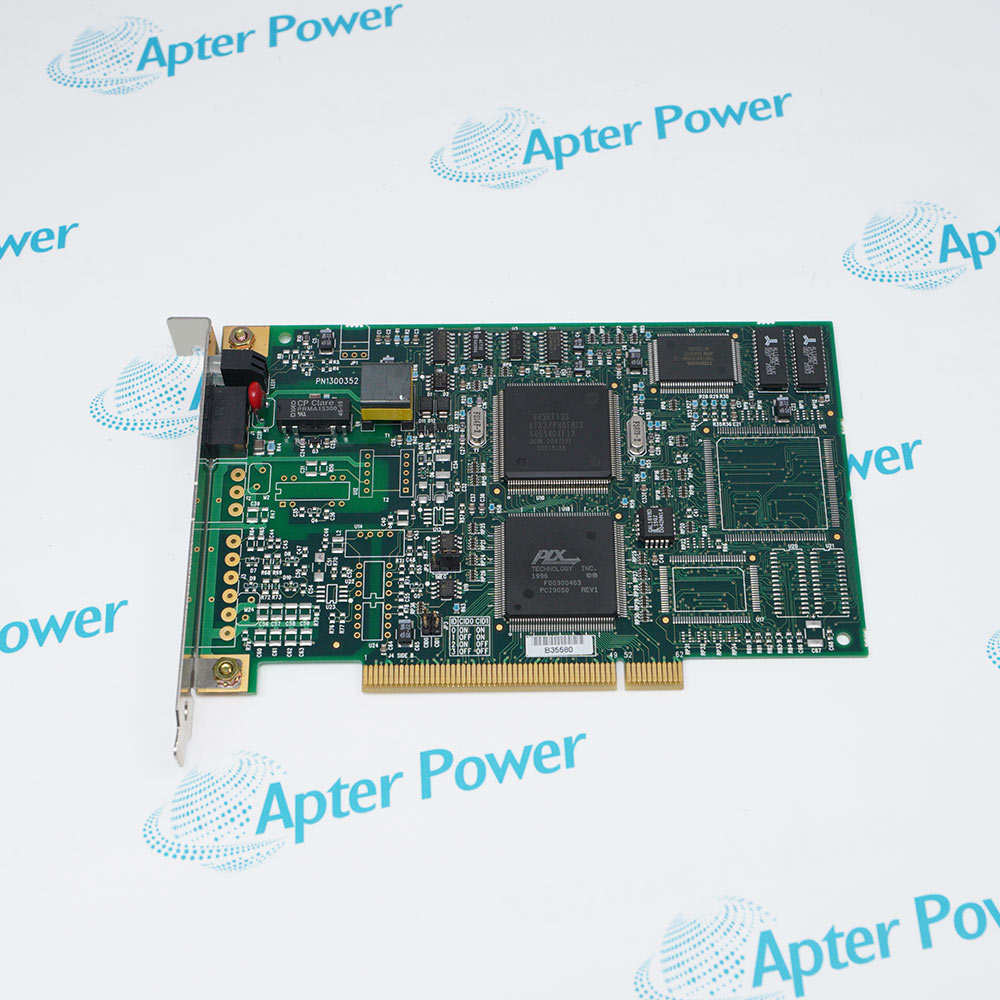
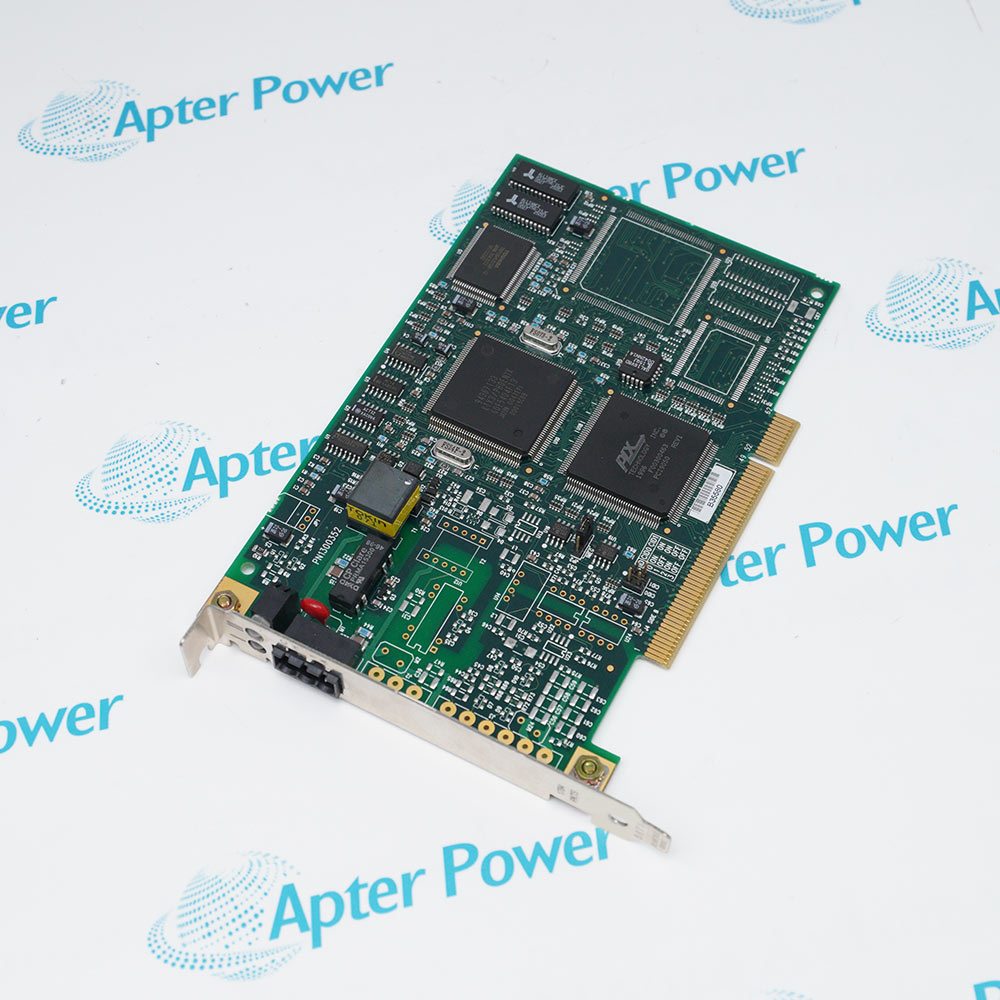
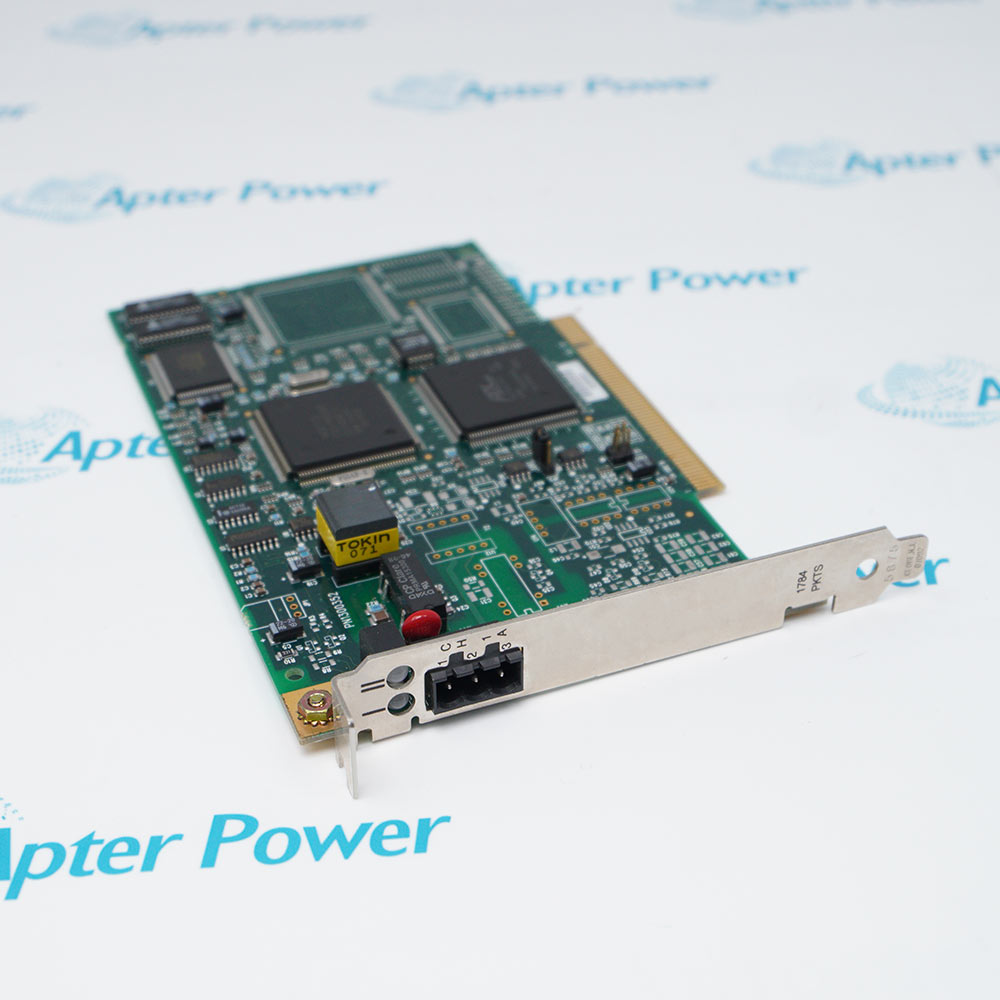

1784-PKTS dedicates its single PCI communication channel to Allen-Bradley Remote I/O scanner operation for supported PC monitoring or control systems.
Remote I/O wiring terminates at channel 1A through the documented three-pin Phoenix connector; the card does not provide the DH+ or DH-485 functions assigned to other PKTx variants.
Before replacement, preserve the rack map, communication rate, scanner-driver configuration, cable polarity, termination, jumper selection, and PC-based control application.
Allen-Bradley 1784-PKTS Single-Channel Remote I/O Scanner PCI Card Manuals, Datasheets, Links
 Allen-Bradley 1784-PKTS DatasheetBrowse Allen-Bradley PLC-5 Product ListingsReview Apter Power Service and Support Information
Important Notice: Other accessories, manuals, cables, calibration data, software, etc. are not included with this equipment unless listed in the above stock item description. All prices are shown in USD.

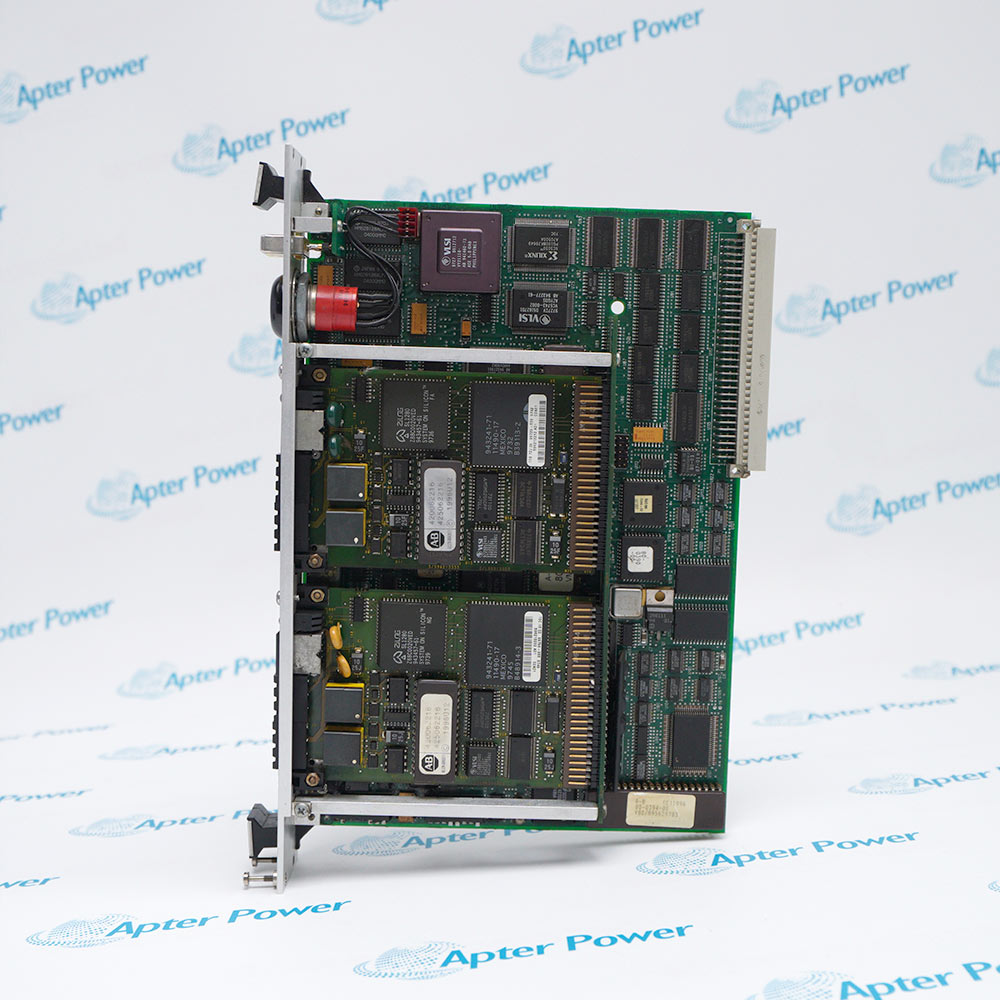


APTER.COM is an official website owned and operated by Apter Power Limited.All rights reserved.
Apter Power is not an authorized distributor or representative of the manufacturers featured on this website.All brand names and trademarks are the property of their respective owners.