Features:
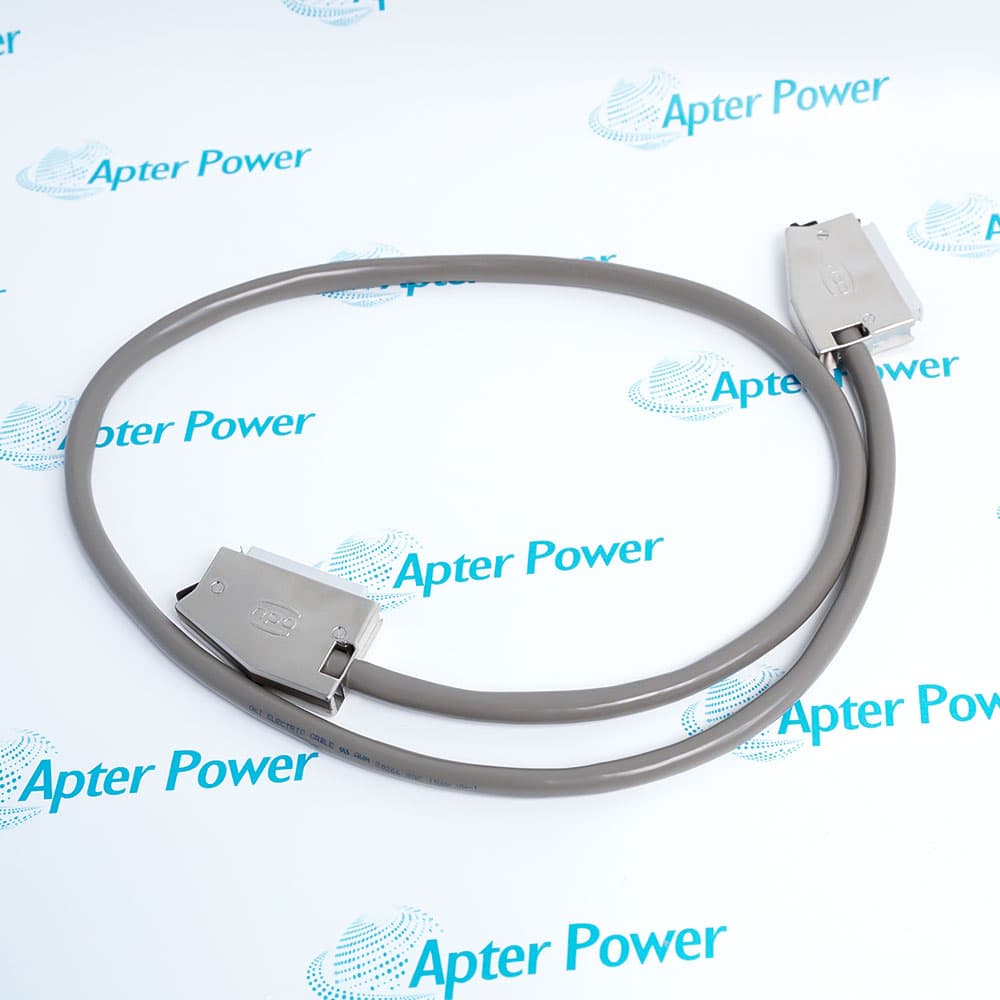
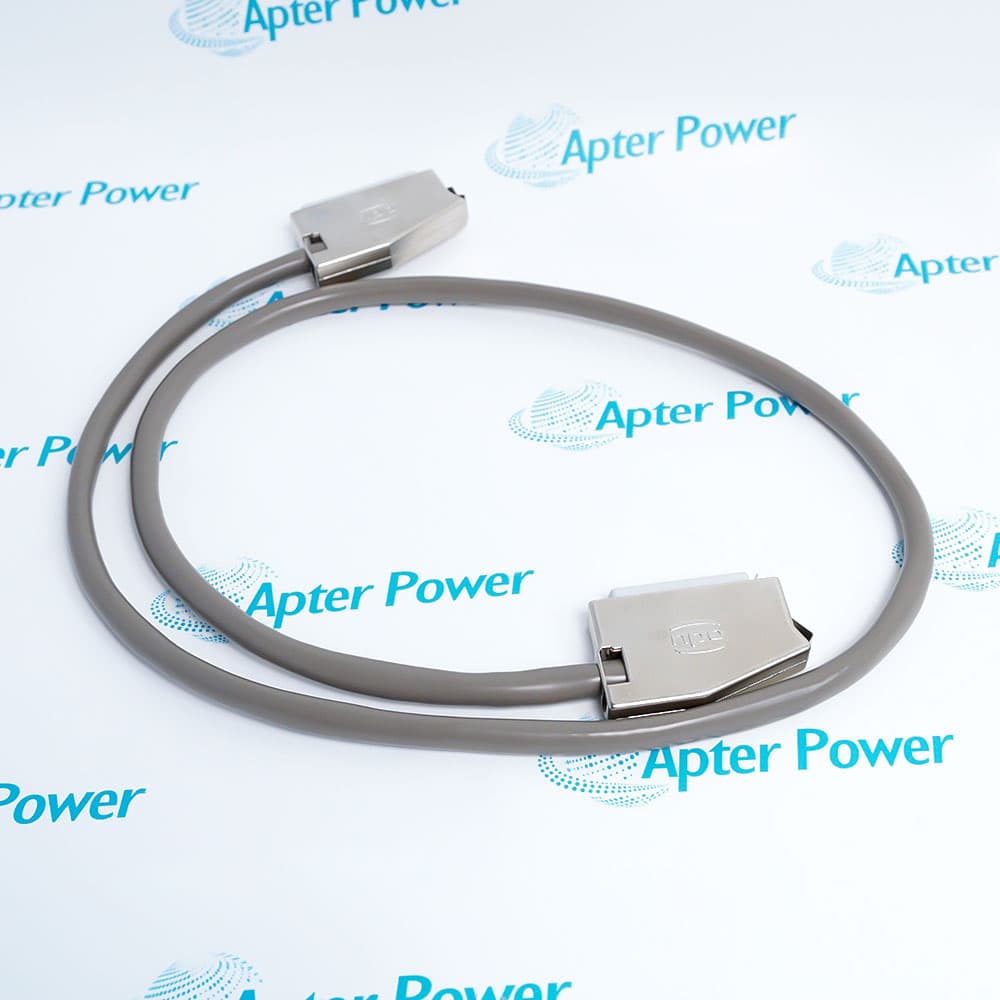
- Provides a one-metre connection between B&R I/O-bus expansion interfaces.
- Carries the local-bus path from an expansion master to a slave segment.
- Supports the documented segmented I/O architecture and module addressing.
The cable extends the local I/O bus between an expansion master and the next expansion-slave segment when a B&R rack cannot be kept on one continuous base-plate section.
It carries the proprietary local-bus signals and their timing between the two expansion interfaces. The slave establishes the module-address range for the downstream segment from its node-number setting.
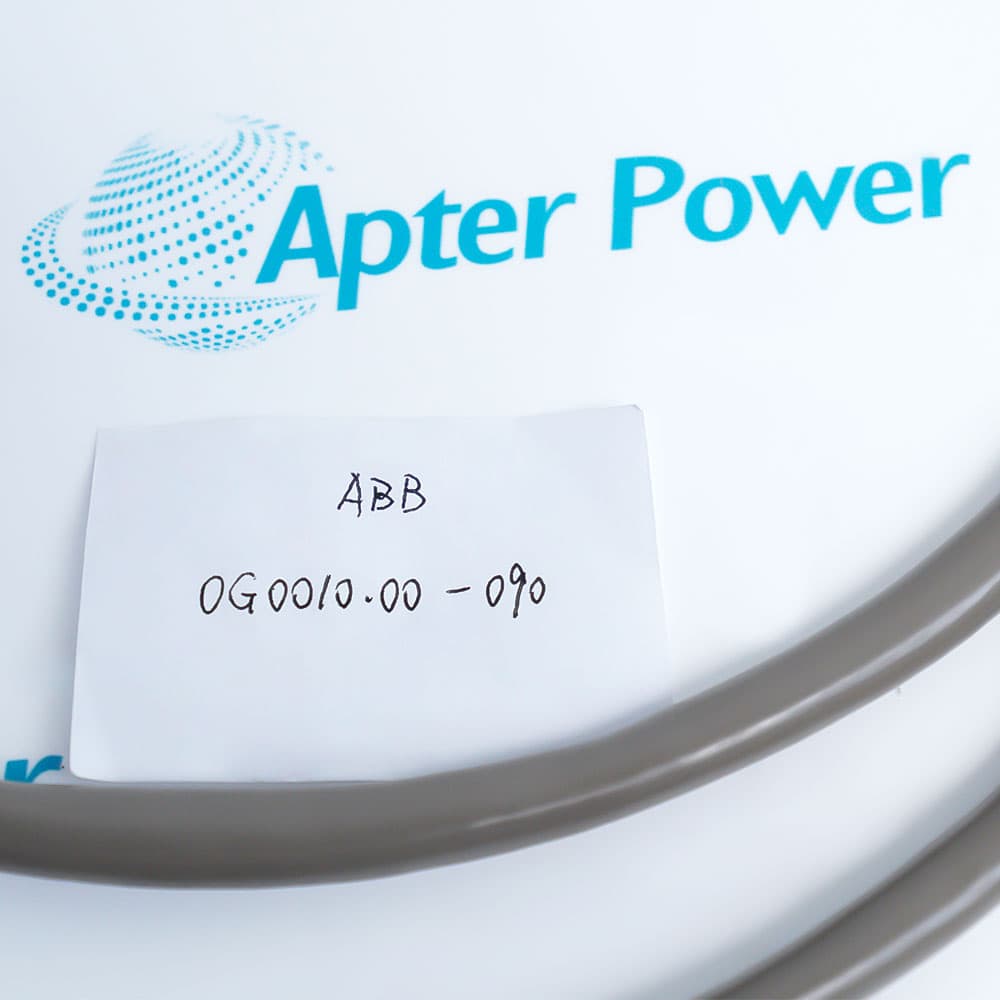
Confirm the exact 1 m 0G0010.00-090 identity; the similar 0G0012.00-090 is the 2 m version. Inspect both bus connectors and verify unique slave addressing before restoring power.
Availability is reviewed against the exact 0G0010.00-090 order identity and requested supply condition; manufacturer lifecycle status: Active / Available from OEM.
Verified resources for B&R 0G0010.00-090:
Important Notice: Other accessories, manuals, cables, calibration data, software, etc. are not included with this equipment unless listed in the above stock item description. All prices are shown in USD.
- The 1 m cable is used in documented SYSTEM 2000, 2005 and 2010 expansion layouts, including EX350 arrangements that operate I/O modules on additional backplanes.
- The expansion slave occupies the left-most position of its bus segment, while a suitable power supply is placed according to the system-manual layout. Each segment remains subject to the module-count limit.
- Must not be confused with the two-metre 0G0012.00-090 cable.
- One-metre expansion cable links documented local I/O bus segments.
- Supports SYSTEM 2000, 2005, and 2010 expansion arrangements.
- Inspect both connectors and downstream addresses before restoring power.
- Carries proprietary local-bus signals between expansion master and slave.
- Slave node settings define the address range for each downstream segment.
- Documented SYSTEM 2000 layouts support up to ten bus segments.
- Each segment supports a maximum of 20 I/O modules.
- Connects only documented expansion-master and expansion-slave interfaces.
- Slave node numbers advance by tens without duplicate addresses.