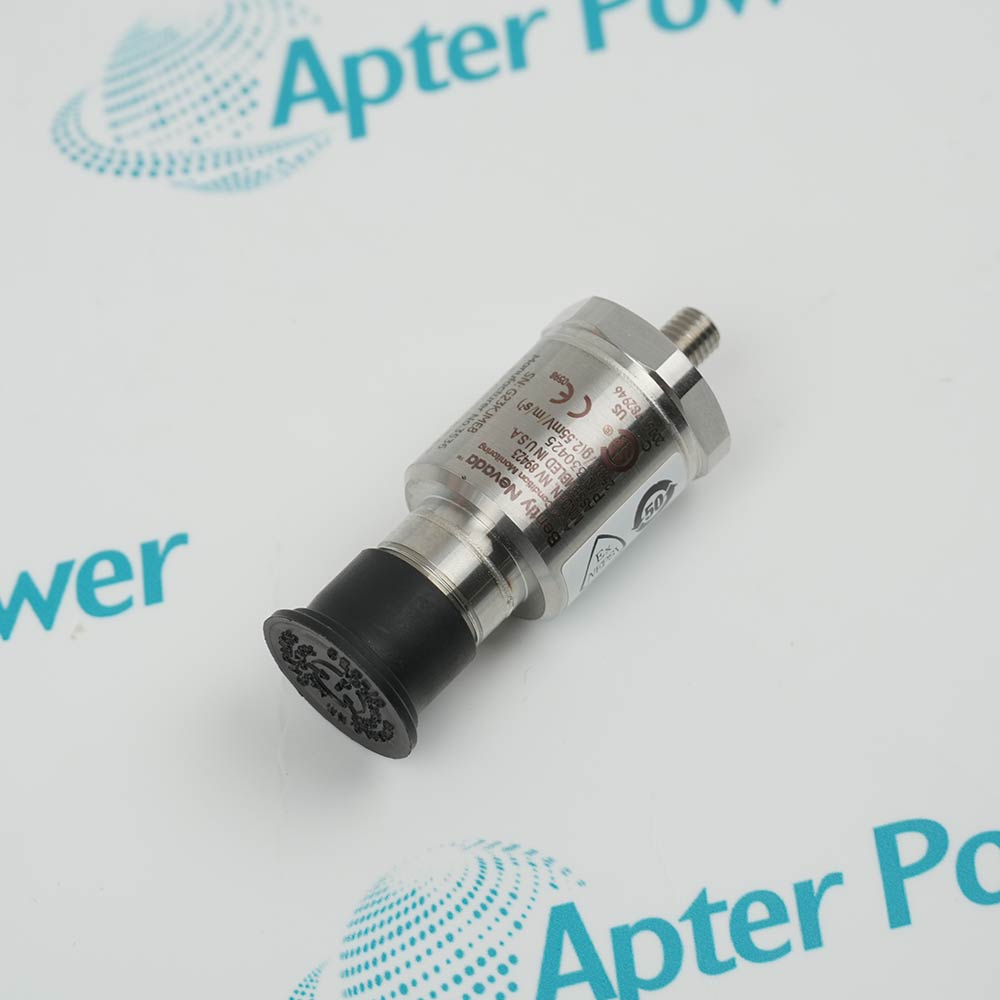
Features:
- Case-mounted measurement: Measures acceleration at a bearing housing or machine casing for machinery-condition monitoring.
- Piezoelectric conversion: Changes vibration-generated charge into a differential voltage proportional to acceleration along the sensitive axis.
- Measurement-path awareness: Uses the casing response as the vibration path, so sensor placement directly affects signal quality.
Bently Nevada 200350-02-00-CN is a general-purpose seismic accelerometer for casing-vibration measurement on rotating machinery.
Its sensing element converts mechanical vibration into a voltage signal that a compatible monitoring channel can process as acceleration data.
A measurement point on the bearing housing or machine casing is most effective when rotor vibration reaches that location; unsuitable placement can reduce response or introduce false signals.
Apter Power supports Bently Nevada 200350-02-00-CN Accelerometer quotation, technical documentation and application review.
Bently Nevada 200350-02-00-CN Accelerometer Manuals,Datasheets,Link
Important Notice: Match the 02 mounting adapter, 00 sensitivity code, positive constant-current input and cable connector to the installed measurement point.
- Sensing principle: The piezoelectric element converts vibration-generated charge into a differential voltage proportional to acceleration.
- Channel scaling: The 00 sensitivity code must be matched to the monitoring input's acceleration scaling before commissioning.
- Signal bandwidth: The published frequency response supports broad machinery-vibration analysis when the mounting path is rigid and representative.
- Dynamic response: The specified measurement range and amplitude linearity support trend and alarm decisions without using a velocity-only signal path.
- Thread interface: The accelerometer's 1/4-28 female base accepts the order-code 02 M8 × 1.25 stainless-steel adapter.
- Mounting location: A bearing housing or machine casing is suitable when rotor vibration reaches the sensor position.
- Contact quality: A rigid, clean interface helps preserve amplitude and frequency response and avoids false vibration signals.
- Torque limit: The published maximum mounting torque is 2 to 5 ft-lb (2.7 to 6.8 N·m).
- Bias indication: A value outside the normal output-bias window points to a sensor circuit, connector or input-channel issue before vibration data can be trusted.
- Excitation path: A compatible positive constant-current supply is required for the sensor's active output stage.
- Startup response: The signal should settle near its normal bias within the published startup interval before trend data is accepted.
- Signal validity: Operation outside the published limits can produce false readings or loss of machine monitoring.
- General machinery monitoring: Measures casing vibration on rotating equipment when rotor motion is transmitted to the bearing housing or machine casing.
- Trendmaster Pro input: The 200350 family is specified for the Trendmaster Pro Constant Current Direct Input Card, part number 149811-02.
- Seismic direct input: The 200350 family is specified for the Seismic Direct Input Card, part number 164746-01.
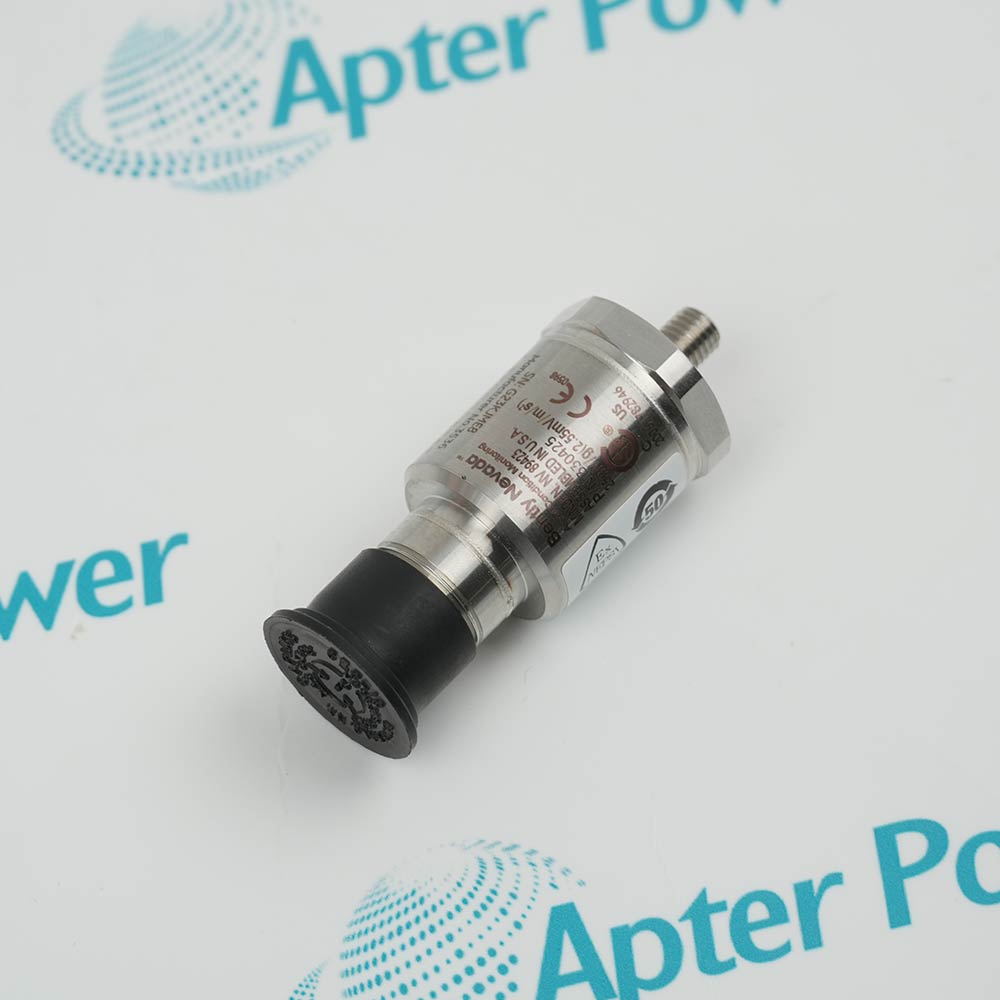
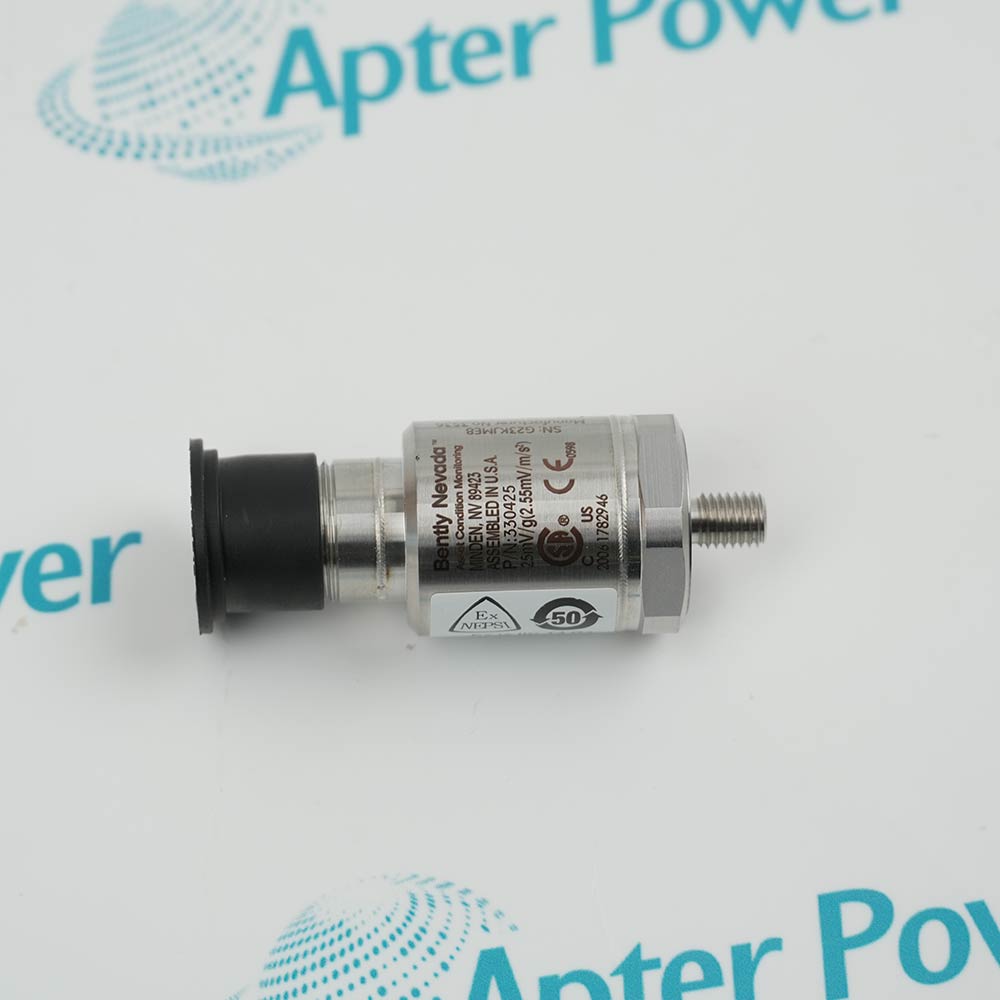
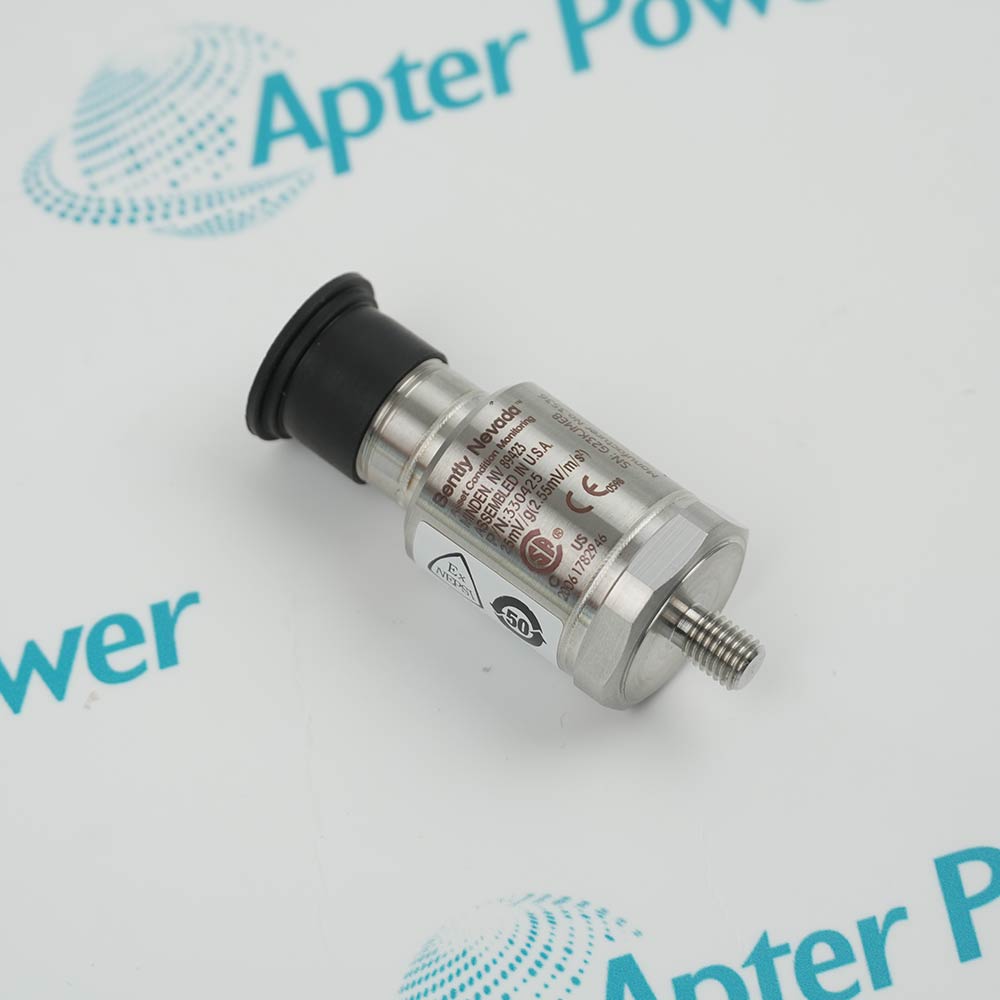

 Explore 200350 and 200355 Accelerometers