Features:
- Connects a PCI host to two independent DeviceNet channels.
- Assigns a dedicated processor to each network interface.
- Runs downloadable application firmware separately on both channels.
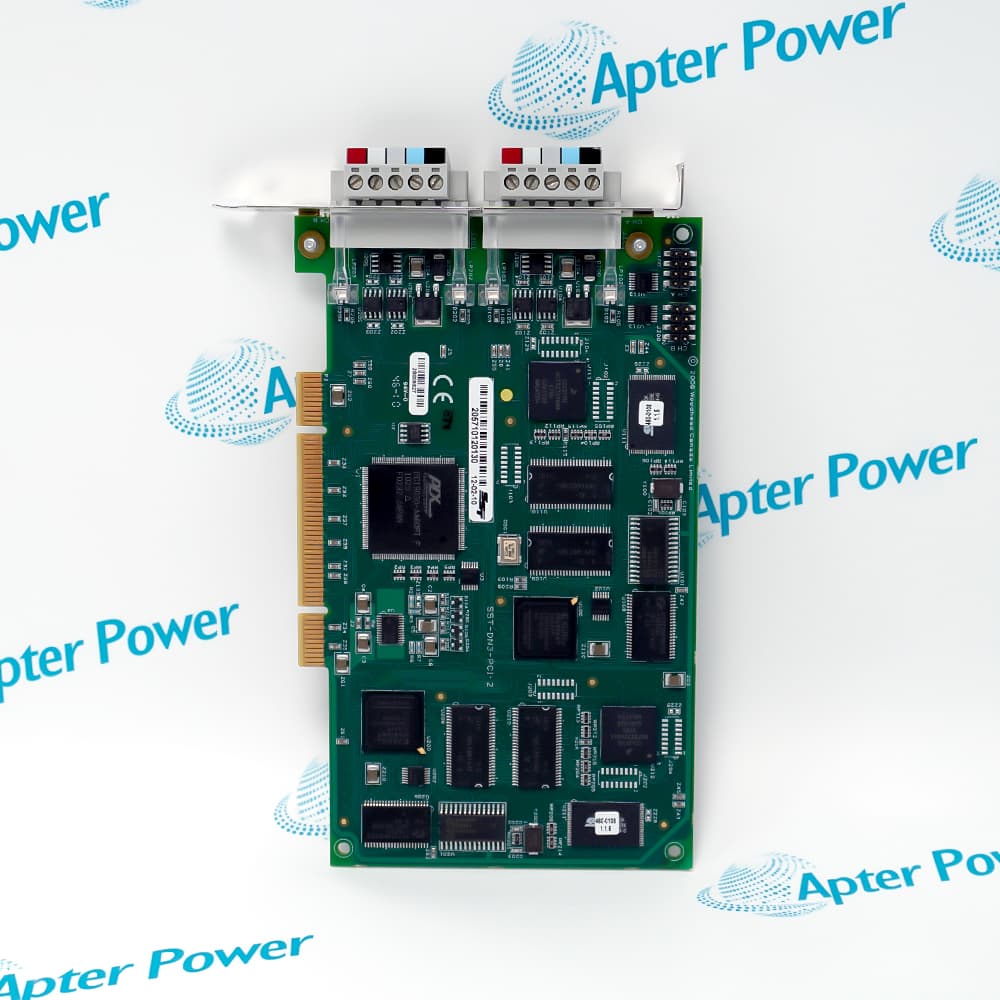
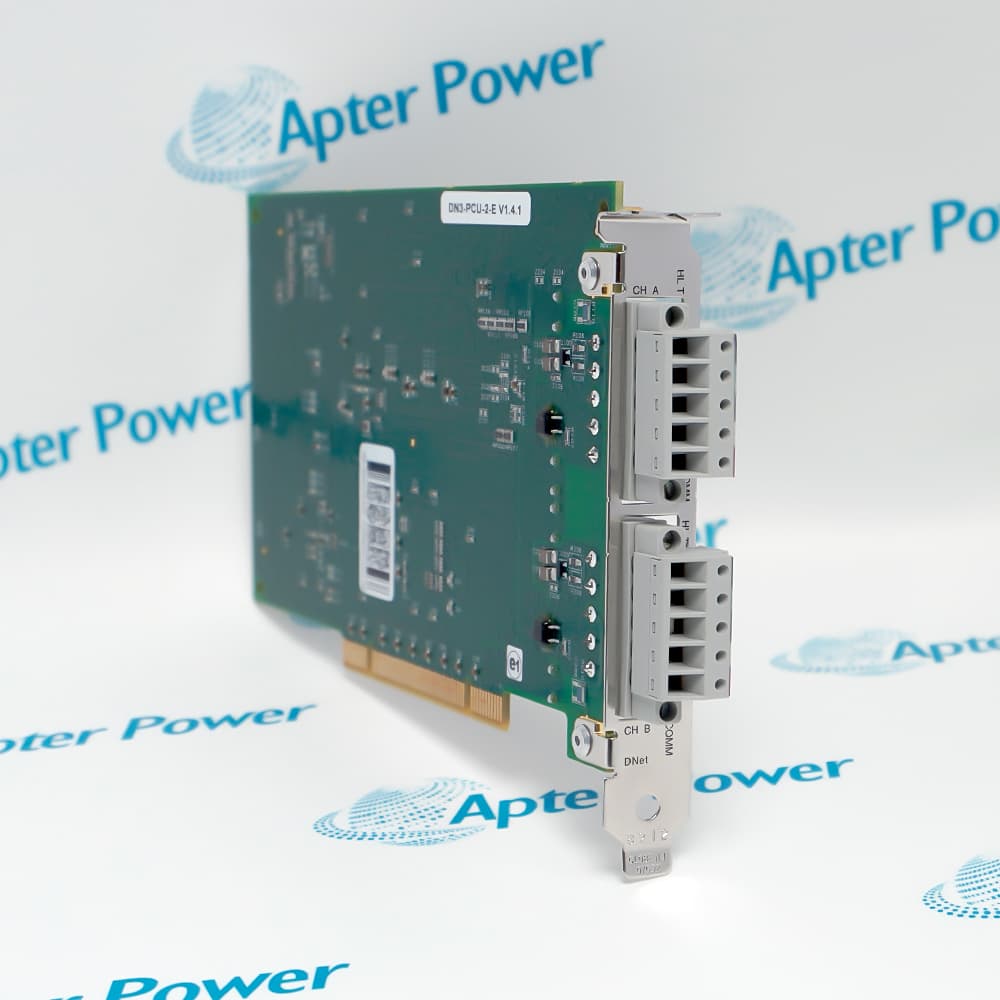
Woodhead SST-DN3-PCI-2 keeps the two DeviceNet interfaces electrically and computationally distinct, so communication activity remains assigned to the selected channel.
The host exchanges network data through the 32-bit PCI connection while each onboard processor manages its own CAN-side traffic.
Channel indicators present network and interface conditions at the card, supporting direct observation of the two communication paths.
The Woodhead SST-DN3-PCI-2 Dual-Channel DeviceNet PCI Interface Card may still be available for purchase and support from Apter Power beyond End-Of-Life (EOL) by the manufacturer (OEM).
Woodhead SST-DN3-PCI-2 Dual-Channel DeviceNet PCI Interface Card Manuals,Datasheets,Link
Important Notice: Other accessories, manuals, cables, calibration data, software, etc. are not included with this equipment unless listed in the above stock item description. All prices are shown in USD.
Independent Channel Resources
- Channel Count: Two DeviceNet interfaces operate on the same PCI card.
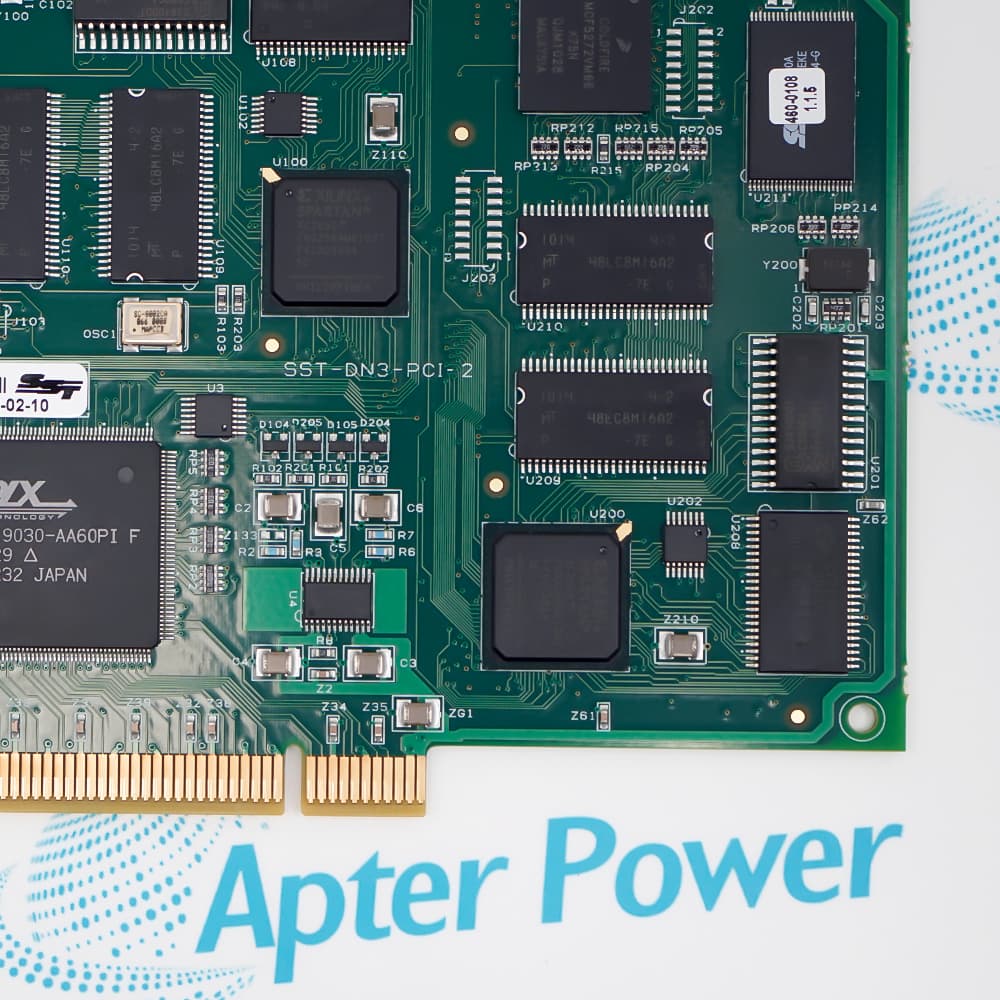
- Processing: Each interface is controlled by its own onboard CPU.
- Memory Use: One channel does not consume the processor or memory resources of the other.
- Traffic Separation: CAN-side activity remains assigned to the corresponding channel.
Computer-Side Data Path
- Bus Format: The card installs in a 32-bit PCI host interface.
- Host Exchange: Network data passes between the computer and the selected channel resources.
- Parallel Operation: Both channels can communicate without sharing their network processors.
- Card Control: The host accesses each DeviceNet interface through the PCI connection.
DeviceNet Field Connections
- Network Medium: Each channel connects to a DeviceNet network through a CAN interface.
- Dual Links: Separate connectors keep the two field networks individually accessible.
- Network Power: DeviceNet-side power is accepted from 11 to 24 VDC.
- Channel Identity: Connector and indicator groupings distinguish the two network paths.
Processor Application Control
- Application Modules: Downloadable firmware defines the network behavior executed by each CPU.
- Separate Loading: A firmware module is assigned independently to each channel processor.
- Channel Execution: Network handling continues within the resources reserved for that interface.
- Status Feedback: Dedicated indicators show operating conditions for the two channel paths.