Features:
- Receives up to 16 points of -10 to 10V DC signals with 1 MΩ impedance.
- Provides ±4 mV accuracy with signal isolation between systems for noise immunity.
- Input signals and ranges are specified via software for flexible application.
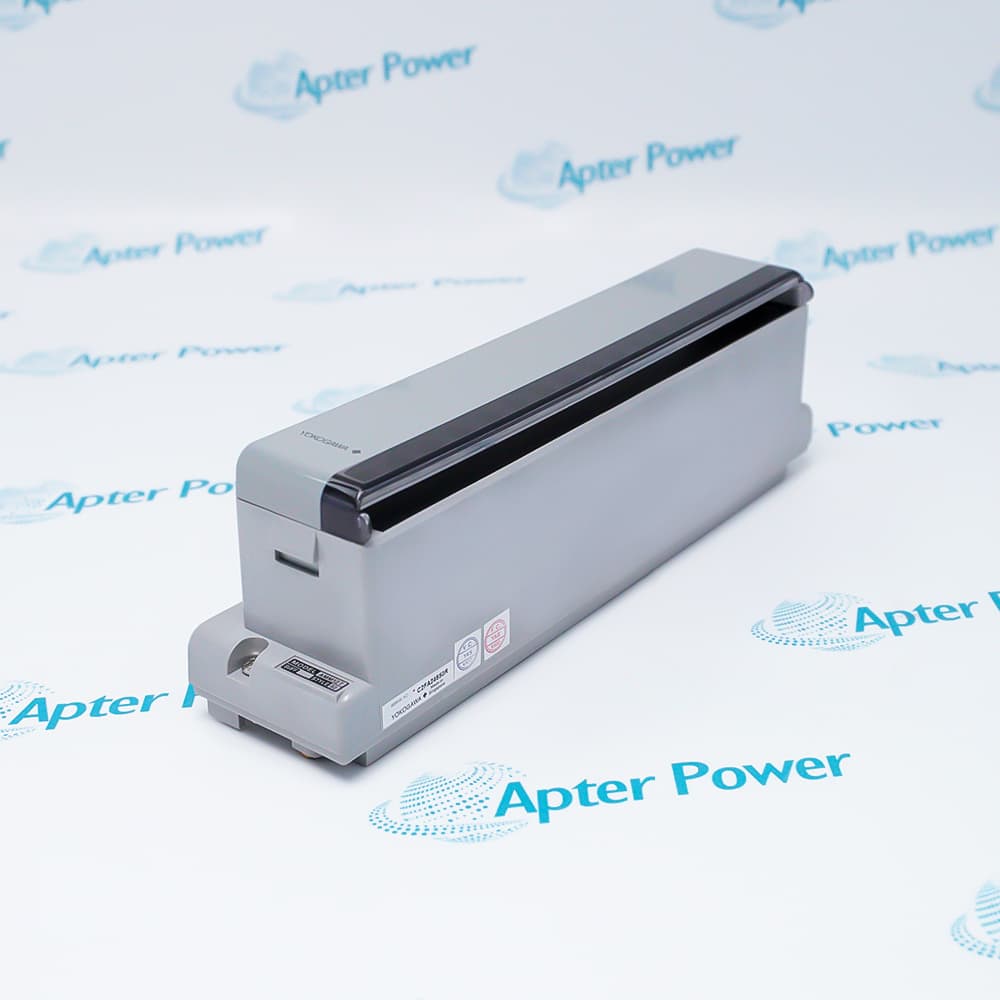
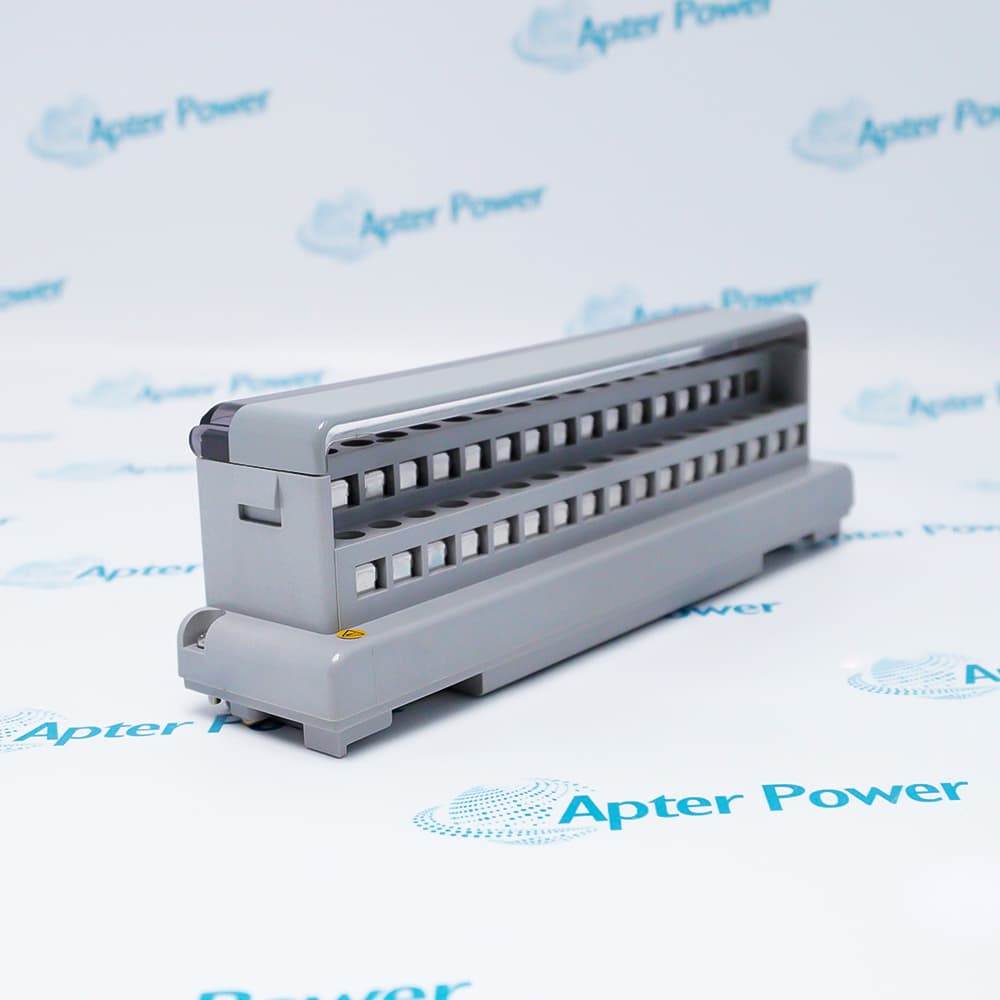
The AMM12T S2 provides 16 channels of DC voltage input with a range of -10 to 10 V DC, enabling high-density signal acquisition from field devices. Each channel features 1 MΩ input resistance and can withstand up to -30 to 30 V DC without damage. The AMM12T S2 is installed in AMN11 or AMN12 nests and supports up to 16 modules per nest, allowing up to 256 input points in a single nest configuration. The M4 screw terminal connections provide secure and reliable wiring for demanding industrial environments. This high-density capability makes the AMM12T S2 ideal for large-scale process control applications requiring extensive analog input monitoring.
The AMM12T S2 delivers ±4 mV accuracy, ensuring precise measurement of voltage signals for critical process control. The module provides signal isolation between input signals and the system, effectively eliminating ground loops and protecting against electrical noise interference common in industrial environments. The data update period of 1 second ensures timely process monitoring for responsive control actions. The AMM12T S2 also features ambient temperature compensation with ±8 mV maximum deviation per 10°C change, maintaining accuracy across varying environmental conditions. This precision and isolation make the AMM12T S2 suitable for demanding applications where measurement integrity is essential.
The AMM12T S2 allows input signals and ranges to be specified via software, providing flexibility for different application requirements without hardware changes. This reduces engineering time and simplifies system reconfiguration. The module includes disconnection detection capability to alert operators of wiring faults. To protect against corrosion, dummy covers (T9081EF) must be installed in vacant slots when the AMM12T S2 is not used in all positions. The AMM12T S2 consumes only 500 mA at 5.0 V DC, ensuring efficient operation within the power budget of the I/O Module Nest.
The AMM12T S2 YOKOGAWA Input Multiplexer Module may still be available for purchase and support from Apter Power beyond
End-Of-Life (EOL) by the manufacturer (OEM).
YOKOGAWA AMM12T S2 Input Multiplexer Module Manuals,
Datasheets, Drivers, Link
Important Notice: Other accessories, manuals, cables, calibration data, software, etc. are not
included with this equipment unless listed in the above stock item description. All prices are
shown in USD.
YOKOGAWA AMM12T S2 Input Multiplexer Module Specs
General
- Manufacturer YOKOGAWA
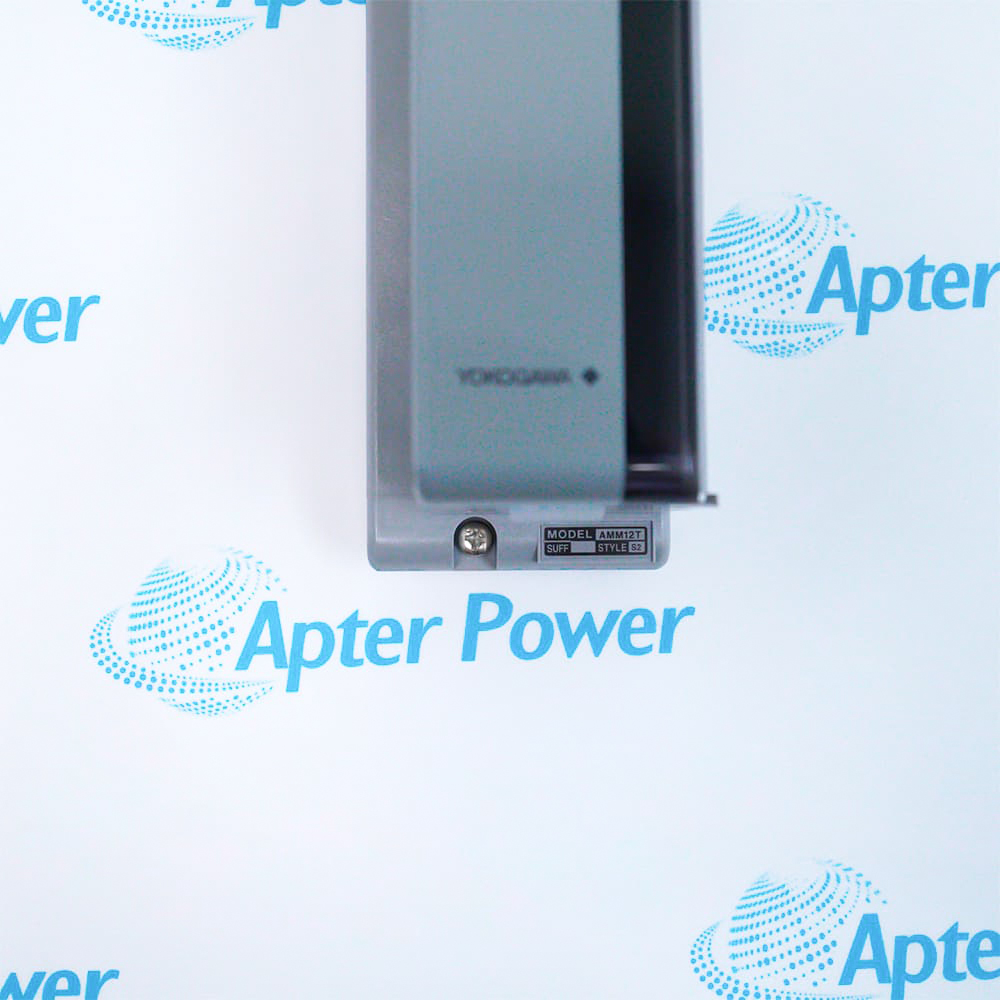
- Model AMM12T S2
- Condition New Original ready stock
- Product Family
AMM22 S3,AMM32 S3,AMM32J S1,AMM42 S3
Important Notice: Other accessories, manuals, cables, calibration data, software, etc. are not
included with this equipment unless listed in the above stock item description. All prices are
shown in USD.
- Temperature Profiling Matrices: Extensively used to capture millivolt (mV) inputs from massive matrices of thermocouples embedded in refinery distillation towers, catalytic reactors, and blast furnaces.
- Tank Farm Level and Pressure Monitoring: Aggregates multi-channel analog DC voltage loops measuring inventory levels, hydrostatic pressures, and storage tank temperatures across large chemical storage areas.
- Boiler and Steam System Diagnostics: Monitors auxiliary voltage parameters, structural expansion sensors, and secondary steam line conditions in thermal power utilities.
- Style-Based Firmware/Hardware Revision: The designation "S2" (Style 2) represents Yokogawa’s internal hardware and component firmware revision. Style 2 features upgraded surface-mount components, optimized noise-filtering circuits, and superior thermal tolerance compared to the older Style 1 (S1) modules.
- No Field Flash Upgrades: The core logic of the AMM12T S2 is burned directly onto internal EEPROM/ASIC chips at the Yokogawa factory. There is no field-accessible USB, Ethernet, or serial port to flash or update firmware via software.
- Lifecycle and Migration Support: Because the RIO hardware generation has matured, Yokogawa provides no active software patches or firmware updates. Instead, maintenance firmware compatibility is managed by replacing aging Style 1 cards with Style 2 cards or using Yokogawa's RIO-to-FIO Migration adapters to upgrade to modern FIO card networks (e.g., AAF135 modules) without removing old field cables.
- I/O Builder Definition: In System View, the technician opens the I/O Module Definition Builder under the specific RIO node (such as an ER1 Nest or AMN unit). The slot housing the card must be explicitly assigned as an "AMM12T" module.
- Multiplexing Scan Velocity Considerations: Because the 16 channels share an internal sampling mechanism, programmers must account for the multiplexer scan delay. It is not suitable for ultra-fast trip loops (like rotating turbine overspeed protection) but is fully optimized for standard 1-second or 2-second DCS loop updates.
- Data Function Blocks: The digitized signals are routed from the RIO node bus to the central Field Control Unit (FCU). Programmers map these tags directly into Input Indicator Function Blocks (PVI) or PID Controller Blocks within the CENTUM Control Drawing Builder to execute process control logic.