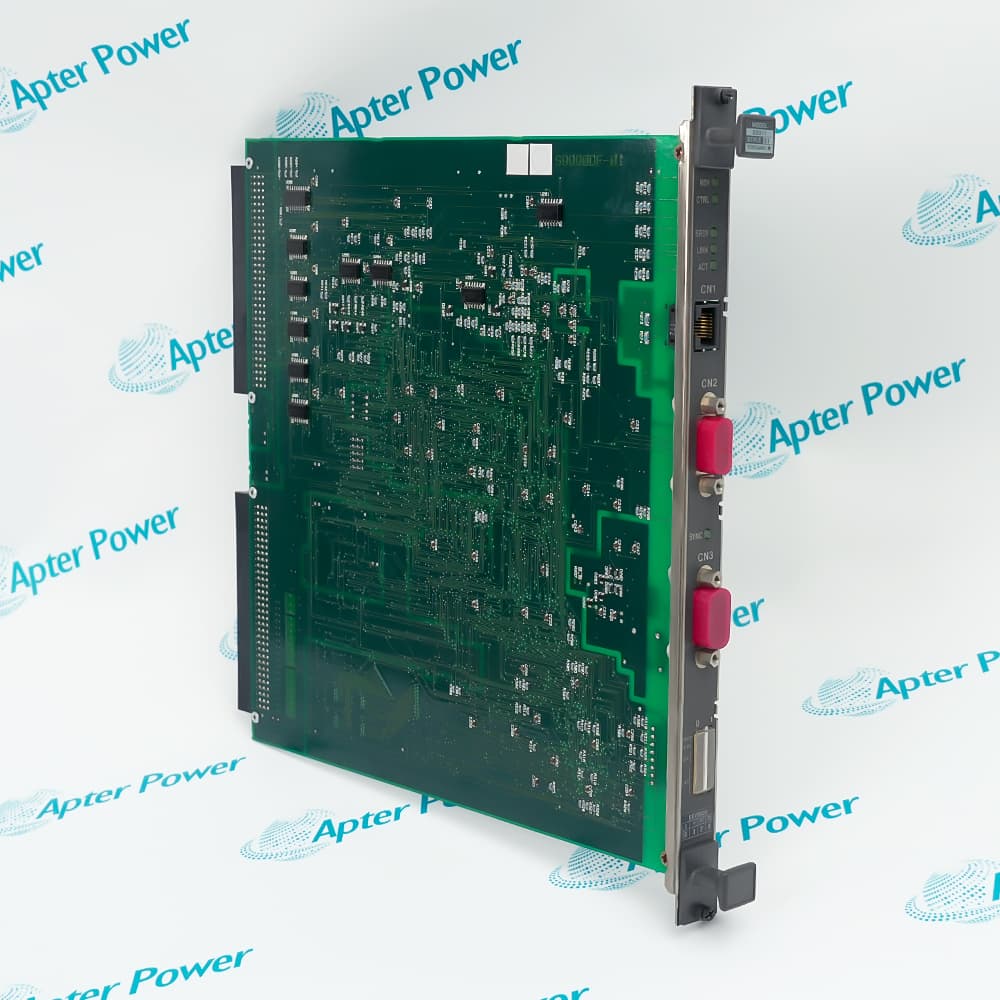
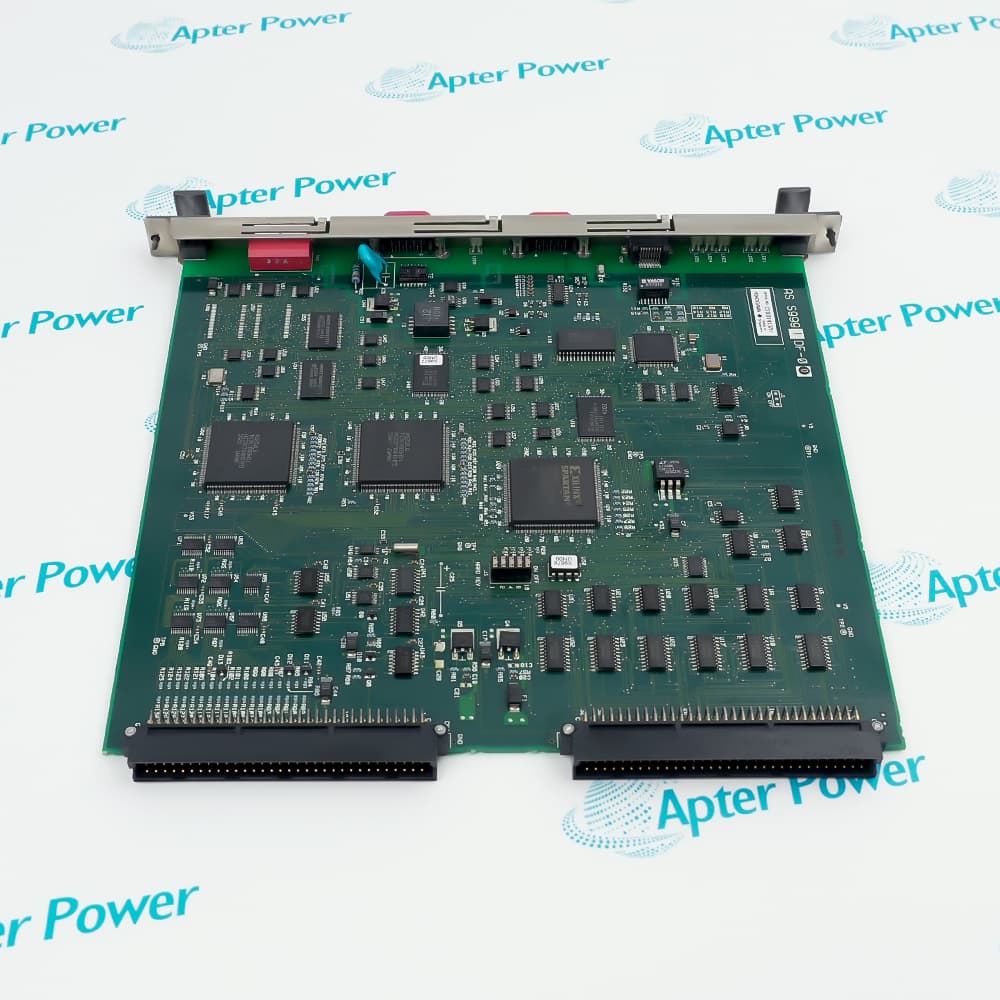
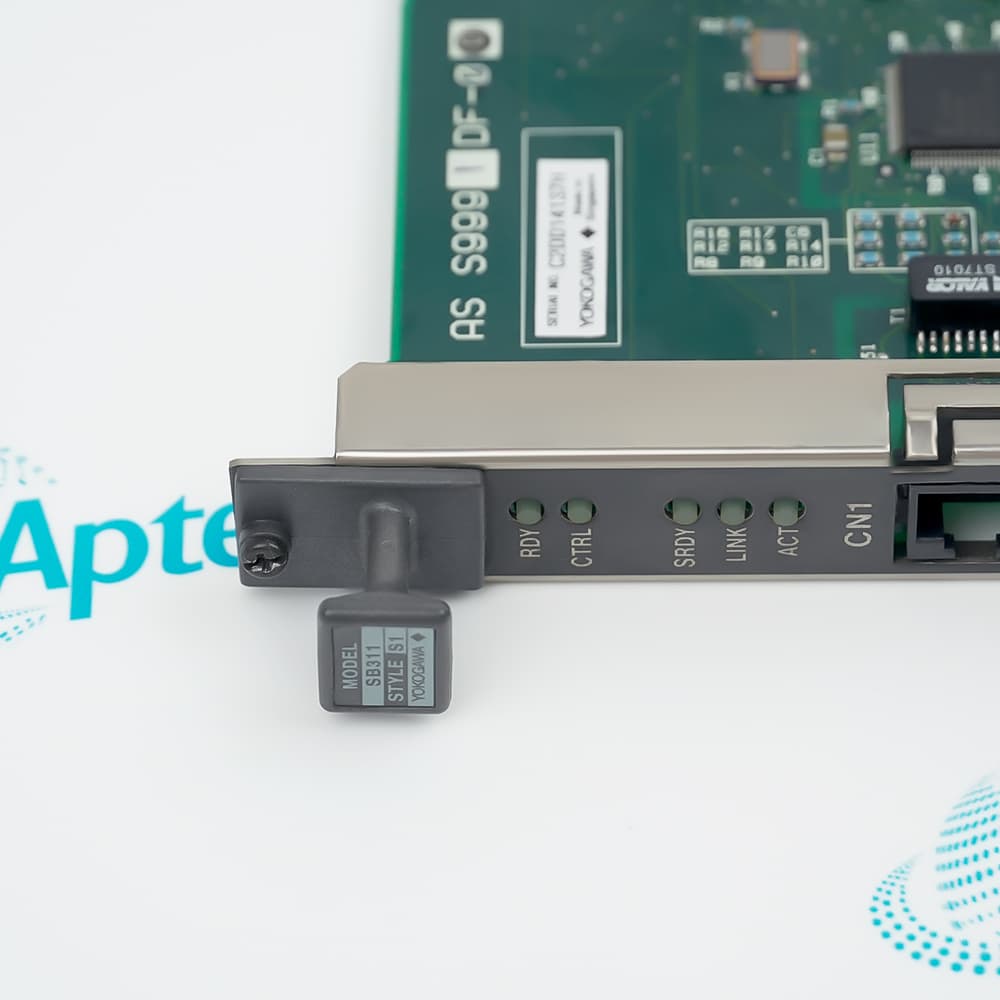
Features:
- Ethernet event-data path to the SOE server
- RS-422 input for IRIG-B time synchronization
- Dual-redundant interface arrangement for supported FCS architectures
Yokogawa SB311 S1 connects a supported field control station to the Sequence of Events server and transfers timestamped event records.
Event transport and time synchronization use separate interfaces, so a healthy Ethernet connection does not by itself prove correct event timing.
Replacement planning must preserve the redundant slot arrangement, SOE server settings, Ethernet configuration, and the IRIG-B source used by the installed project.
Availability of Yokogawa SB311 S1 is subject to Apter Power inventory and sourcing confirmation.
Verified resources for Yokogawa SB311 S1:
Important Notice: Other accessories, manuals, cables, calibration data, software, etc. are not included with this equipment unless listed in the above stock item description. All prices are shown in USD.
Yokogawa SB311 S1 SOE Interface Module Specs
General
- ManufacturerYokogawa
- ModelSB311 S1
- ConditionNew Original ready stock
- Product FamilyCENTUM Sequence of Events Interface Modules
Important Notice: Other accessories, manuals, cables, calibration data, software, etc. are not included with this equipment unless listed in the above stock item description. All prices are shown in USD.
SOE communication path
- Ethernet role: Carry event records from the FCS interface to the configured SOE server.
- Address record: Preserve approved network settings and server assignments before replacement.
- System scale: Compare connected supported FCS units with the documented server architecture.
- Event proving: Generate a controlled event and confirm receipt at the server.
IRIG-B verification
- Separate path: Treat RS-422 timing as independent from the Ethernet event-data link.
- Source health: Confirm the approved IRIG-B source and distribution equipment are operating.
- Wiring check: Inspect polarity, shielding, terminations, and continuity of the timing circuit.
- Timestamp test: Compare a known event with the project’s approved reference clock.
Pair acceptance
- Role capture: Record active and standby status before changing either module.
- Controlled swap: Use the maintenance procedure to prevent loss of event collection.
- Failover observation: Confirm event delivery and time alignment through a planned switchover.
- Final record: Save alarms, test events, timestamp comparison, and restored pair status.