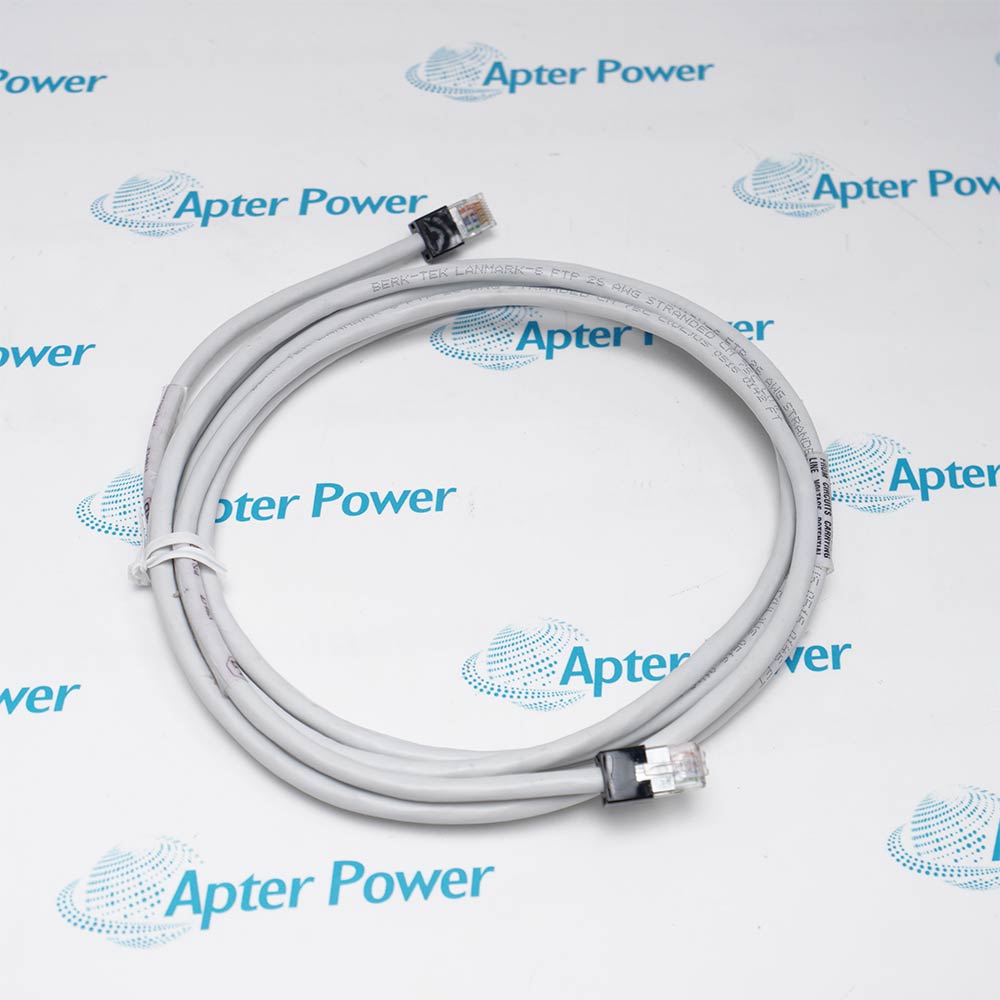
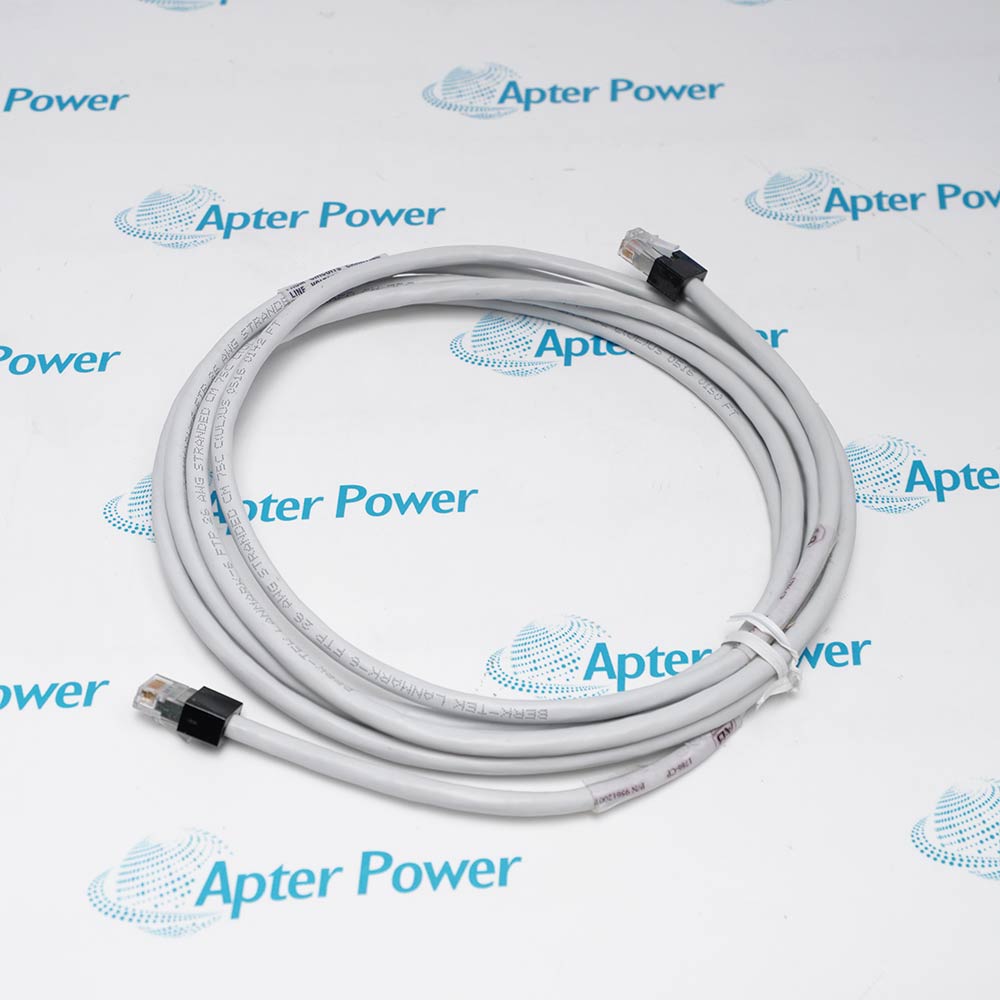
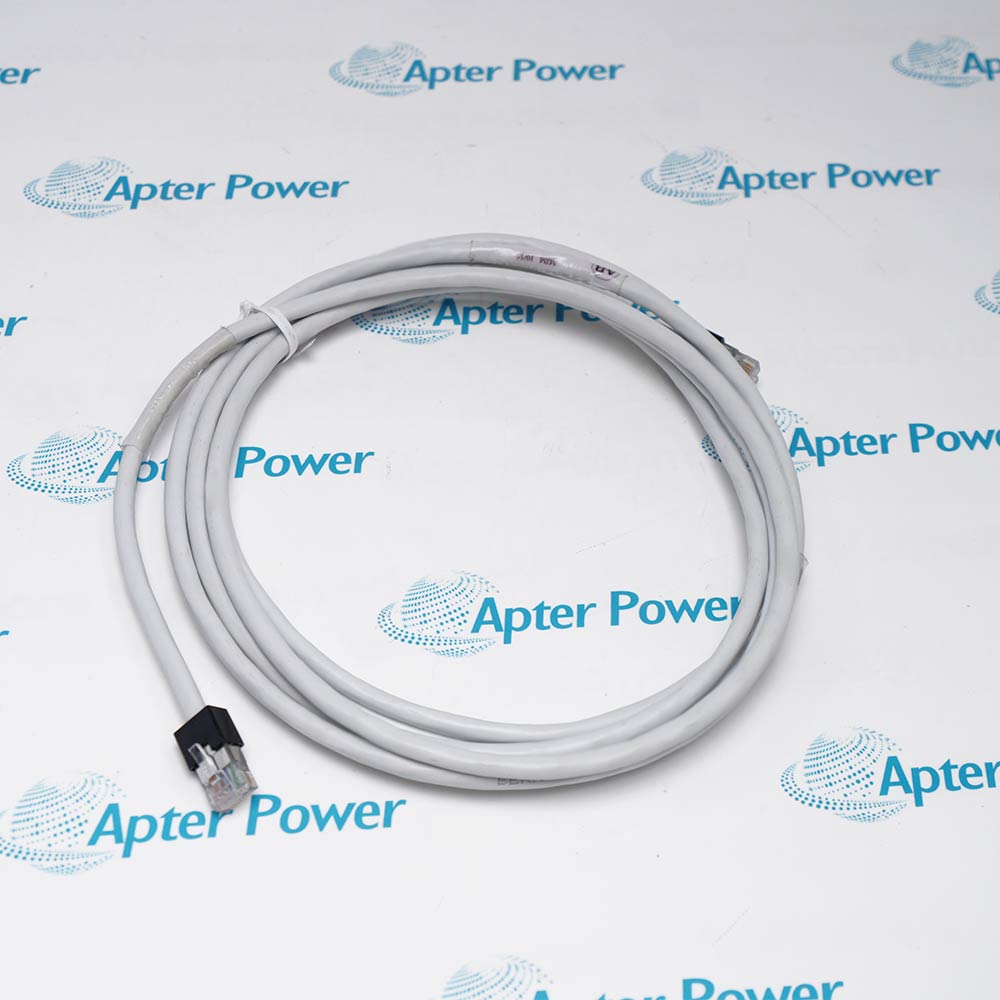
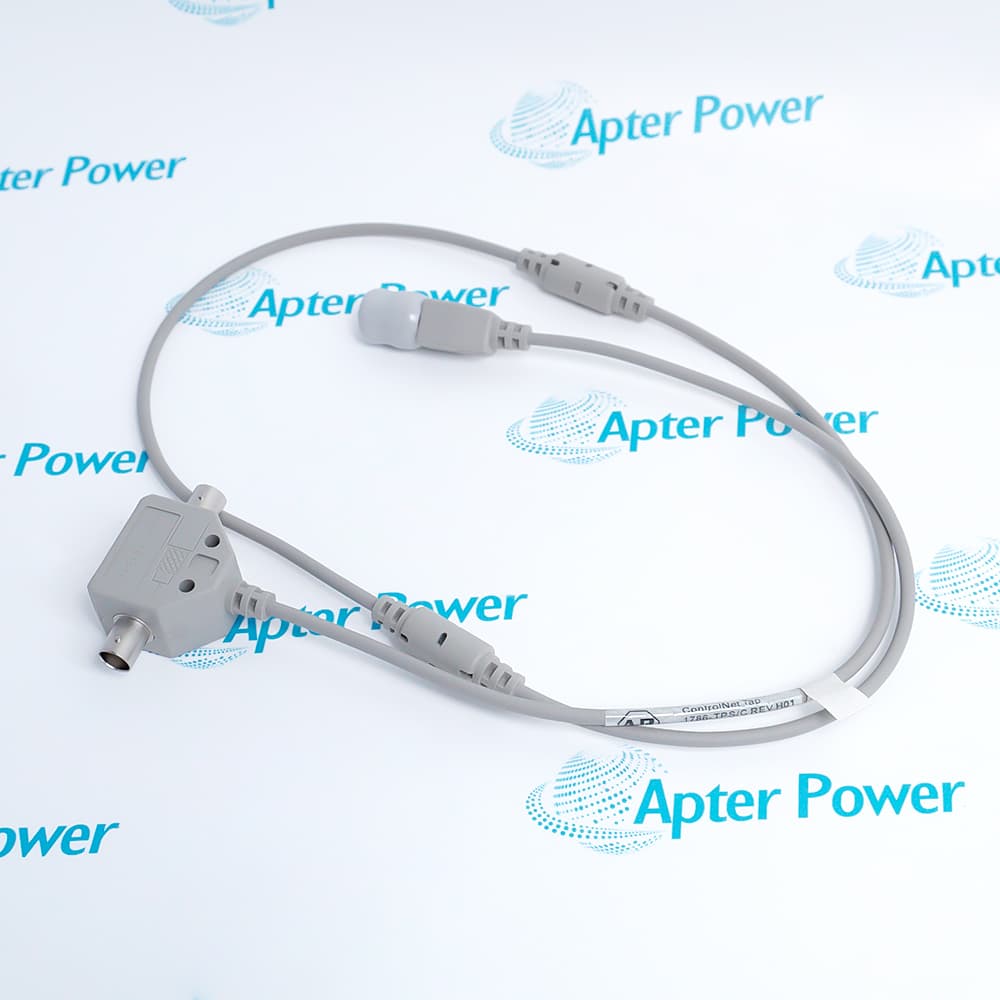
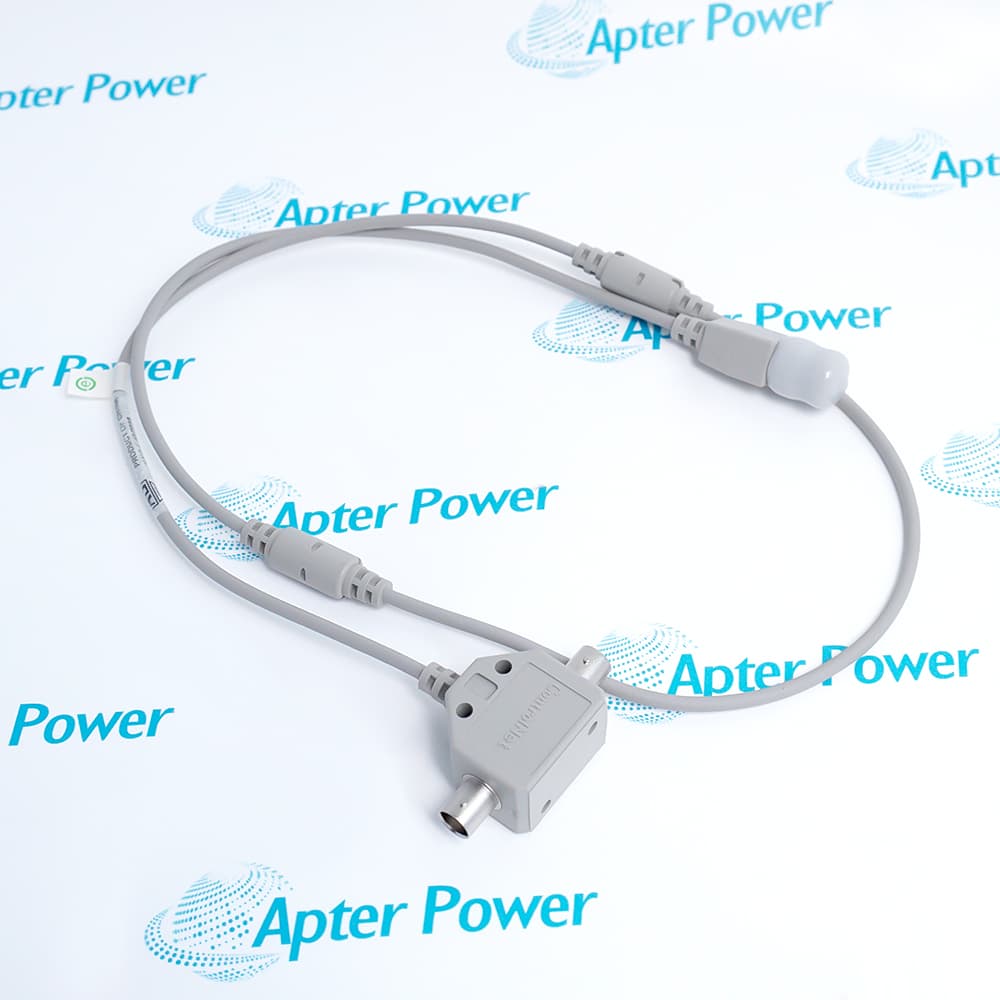
Features:
- Direct Connectivity Between Programming Devices and ControlNet Network Nodes
- High-Flex and Standard Cable Options for Diverse Installation Environments
- Compatibility with ControlNet Fiber Media for Extended Segment Applications
The Allen-Bradley 1786-CP ControlNet Network Access Cable functions as the dedicated communication interface in ControlNet industrial automation networks, providing reliable connectivity between programming terminals and intelligent devices distributed across the system. The 1786-CP establishes direct access through the network access port to enable configuration, diagnostic, and monitoring operations for workstations, PLC processors, scanners, and adapters. The 1786-CP is offered in both high-flex and standard cable constructions, allowing selection of the appropriate cable type based on the specific application requirements and environmental conditions where the ControlNet system is being installed. Hazardous area fittings are available for the 1786-CP to accommodate the most demanding installations where standard connectivity hardware may not meet safety or durability requirements.
The 1786-CP provides essential network access functions required for system commissioning and ongoing maintenance activities, and is a critical component of the ControlNet communication path, directly affecting the ability to establish and maintain proper interface with intelligent network devices. One 1786-CP cable is typically utilized for each direct programming or diagnostic connection to a device network access port. The 1786-CP connects directly to the network access port on the ControlNet intelligent device, establishing a dedicated point-to-point link without requiring additional interface modules or adapters.
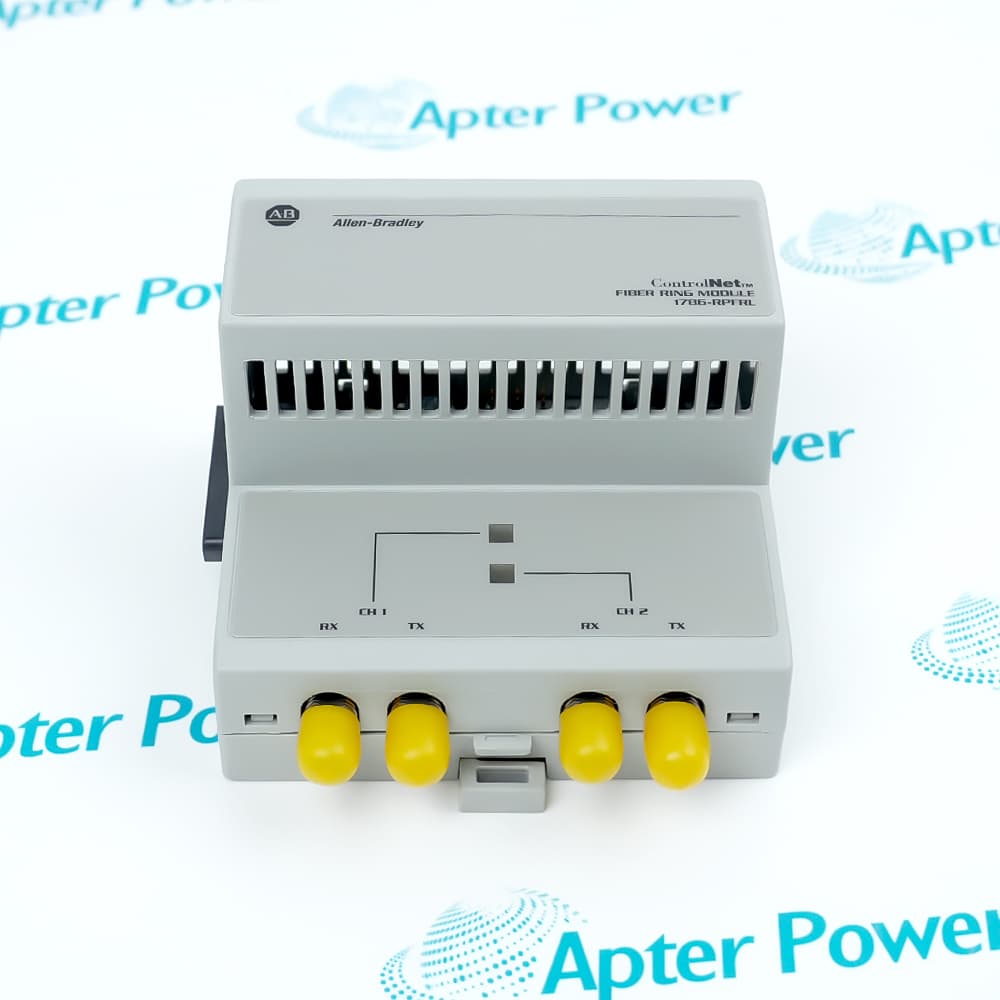
For extended network infrastructure applications, the 1786-CP cable system supports integration with ControlNet fiber media to extend a segment of the network beyond the distance or environmental limitations of copper cabling. In addition to standard cable connectivity, the fiber media option provides extra installation flexibility and delivers complete immunity to electromagnetic interference (EMI) in electrically noisy industrial surroundings. Using this method, the 1786-CP cable connects the programming device to the local intelligent node access port, while the fiber media infrastructure carries the extended segment traffic, ensuring consistent communication integrity across the full ControlNet architecture.
The 1786-CP Allen-Bradley ControlNet Network Access Cable may still be available for purchase and support from Apter Power beyond End-Of-Life (EOL) by the manufacturer (OEM).
Allen-Bradley 1786-CP ControlNet Network Access Cable Manuals,Datasheets,Link
Important Notice: Other accessories, manuals, cables, calibration data, software, etc. are not included with this equipment unless listed in the above stock item description. All prices are shown in USD.
Allen-Bradley 1786-CP ControlNet Network Access Cable Specs
General
- Manufacturer Allen-Bradley
- Model 1786-CP
- Condition New Original ready stock
- Product Family 1786-CTK,1786-XT,1786-BNCP
Important Notice: Other accessories, manuals, cables, calibration data, software, etc. are not included with this equipment unless listed in the above stock item description. All prices are shown in USD.
- Programming Terminal Interconnection: Plugs into the Network Access Port (NAP) of any intelligent ControlNet device (such as ControlLogix Scanners or PLC-5 processors) to establish programming and configuration capability.
- Temporary Diagnostics: Intended specifically for temporary node connections used by maintenance laptops or field-service workstations.
- Hardware Asset Only: The 1786-CP is a passive, physical cable assembly with zero integrated active circuitry.
- No Firmware Requirements: It does not host internal firmware or software, and therefore requires no digital updates or flashing lifecycle.
- Operating Temperature: 0°C to 50°C (32°F to 122°F).
- Relative Humidity: 5% to 95% relative humidity, non-condensing (aligned with standard industrial environment tolerances).