Ask our team:
  • Phone: +86 181 0690 9650
  • E-Mail sales1@apterpower.com
  • Lifecycle status

    Active / Available from OEM
    Apter Power coordinates identity checks, motion-record review, condition verification, official documents, quotation, and sourcing.

1769-L33ERM

/ 4.9
1001 reviews | Need a Specific Revision?
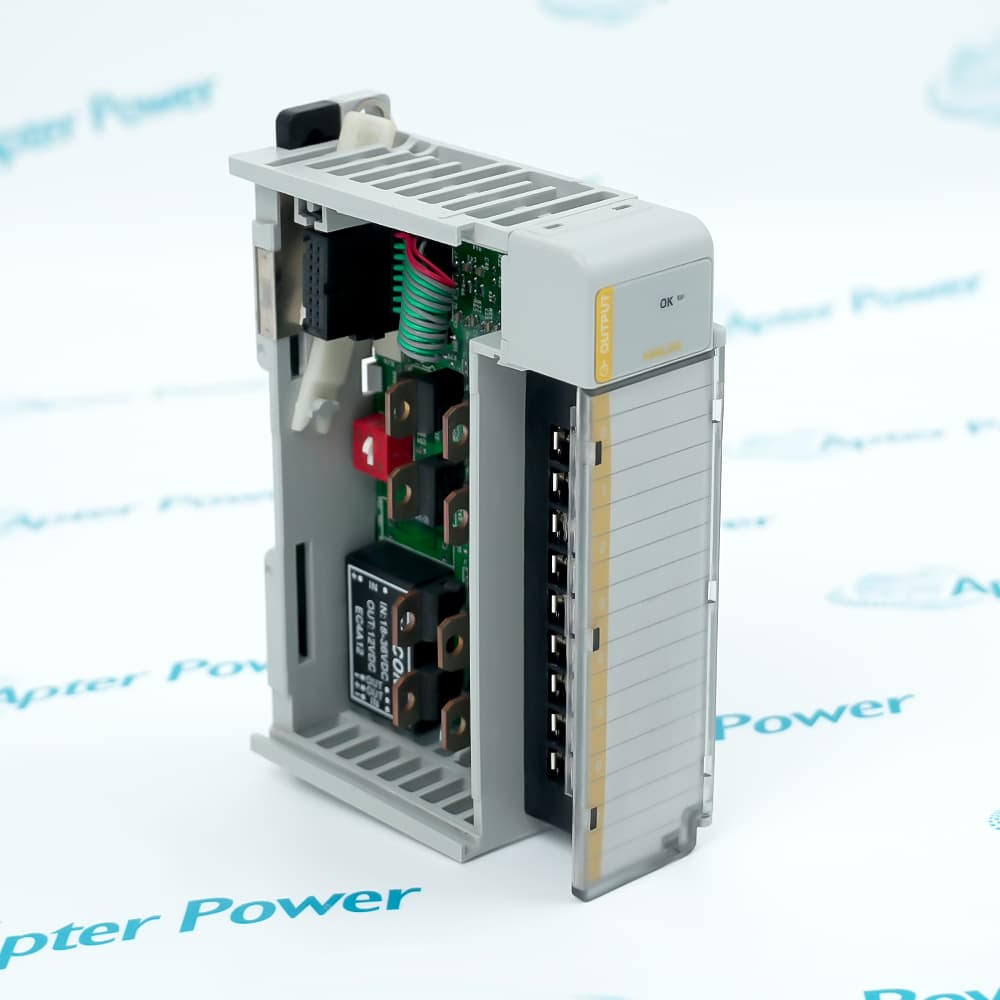
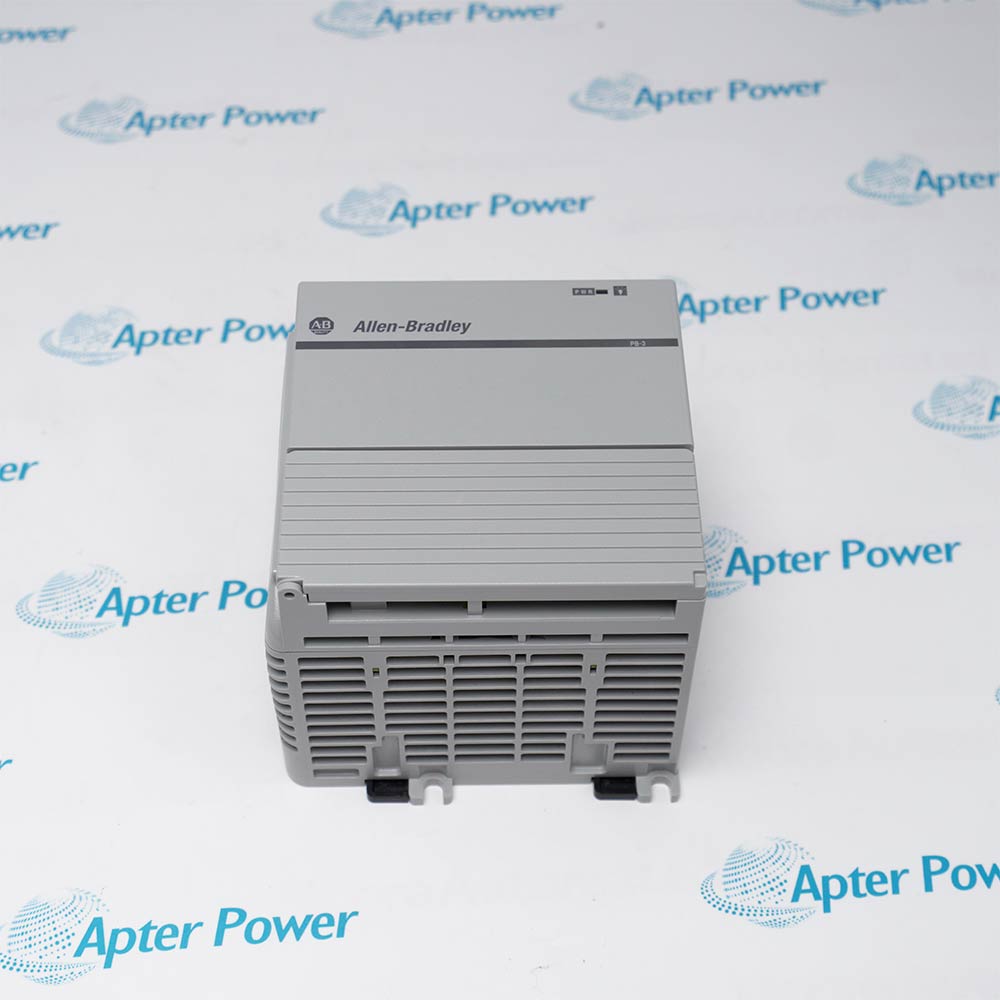
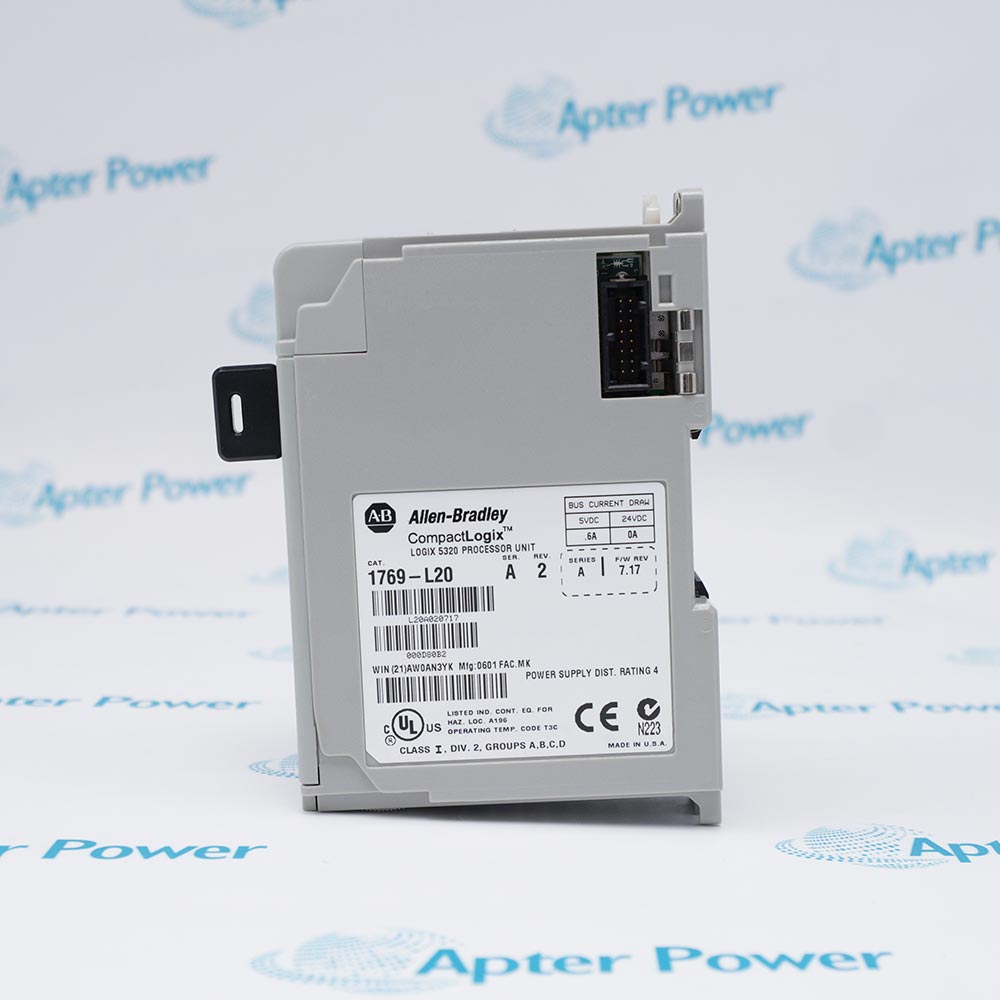
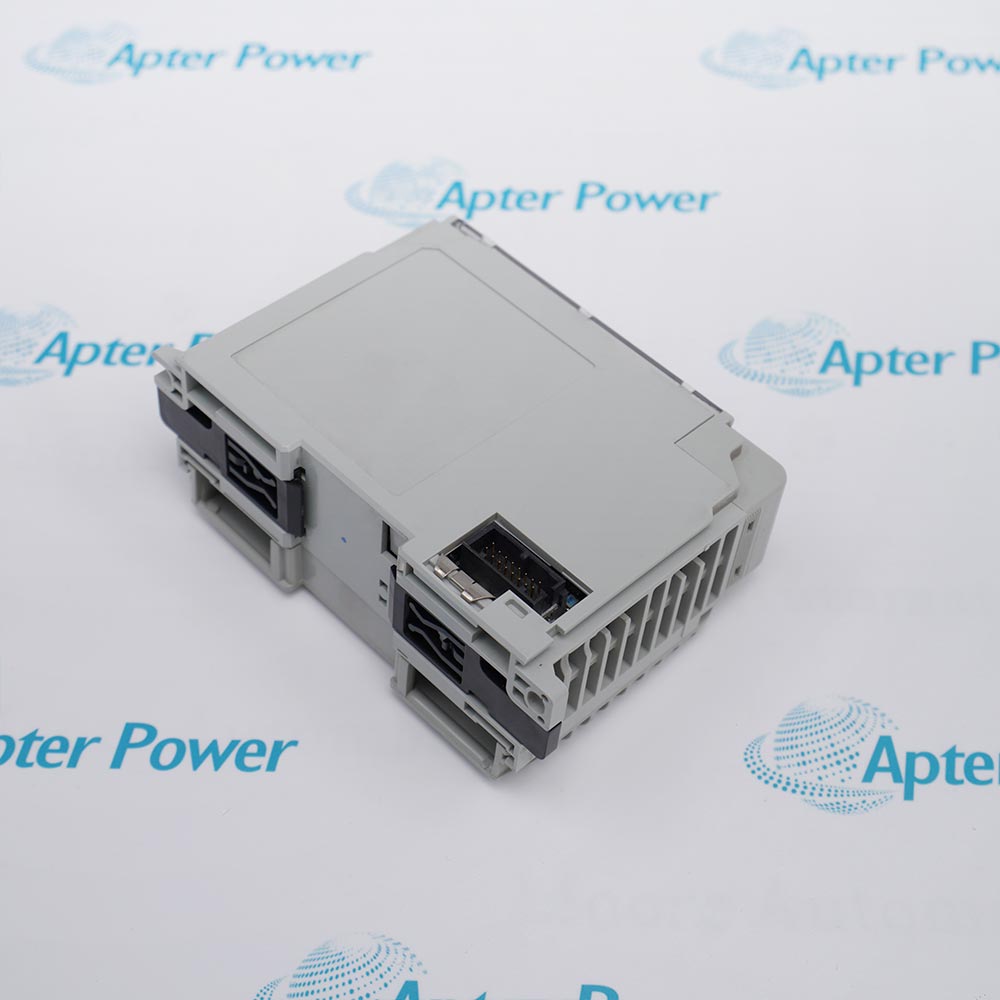
Designed for a broader motion cell, Allen-Bradley 1769-L33ERM is a CompactLogix 5370 controller that coordinates up to eight Integrated Motion axes with an expanded local I/O architecture.
In Stock
Ships by Thursday, October 29
Fast Shipping Available
Get a quick price for 1769-L33ERM
Quantity
*E-mail
Company
*Mobile
*Content
Upload (gif, jpg, jpeg, png, bmp, doc, docx, xls, xlsx, ppt, pdf, csv)

Technical specifications for 1769-L33ERM

  • Manufacturer:
    Allen-Bradley
  • Part Number:
    1769-L33ERM
  • Product Family:
    CompactLogix
  • Product Type:
    CompactLogix 5370 2 MB Motion Controller
  • Stock:
    1
  • User memory:
    2 MB
  • Maximum local I/O modules:
    16
  • Maximum EtherNet/IP nodes:
    32
  • Integrated motion axes:
    8
  • Ethernet ports:
    2
  • Programming port:
    USB
  • Controller connections:
    256
  • TCP connections:
    120
  • Removable storage:
    1784-SD1 or 1784-SD2
  • Power consumption:
    4.5 W
  • Operating temperature:
    0...60 °C
  • Weight:
    0.68 lbs (0.31 kg)
  • Estimated shipping dimensions:
    13.2x5.5x10.5cm
  • Tariff Code:
    8537101190
  • Country of origin:
    Multiple
  • Place of shipment:
    Xiamen,Fujian,China
By purchasing this item, you agree to the Terms & Conditions, ApterPower is not an authorized distributor for listed manufacturers or tradenames and therefore the manufacturer's warranty does not apply. All our products come with ApterPower's 1-year warranty.

More Information

Overview Manuals Eight-Axis Motion Network Load Recovery Planning Product Applications

Features:

  • Eight-axis tier: the controller serves a broader Integrated Motion scope than L30ERM
  • Expanded application space: 2 MB supports a larger combination of logic and motion objects
  • System-level scaling: local I/O, Ethernet devices, and synchronized drives share controller resources
1769-L33ERM is intended for motion systems whose verified axis or project demand exceeds the smaller four-axis controller tier.

Its increased capacity changes the scale of the architecture, not the need for supported drive profiles, synchronized time, and controlled firmware.

Buyers should expect the spare record to include the complete motion project and network baseline rather than only the controller nameplate.

Apter Power provides official-document verification, quotation coordination, and procurement support for 1769-L33ERM.
Allen-Bradley 1769-L33ERM CompactLogix 5370 2 MB Motion Controller Manuals, Datasheets, Links
Important Notice: Other accessories, manuals, cables, calibration data, software, etc. are not included with this equipment unless listed in the above stock item description. All prices are shown in USD.
  • Axis capacity: keep the configured Integrated Motion scope within eight supported axes.
  • Drive mapping: bind each motion object to the approved drive, firmware, feedback, and mechanical role.
  • Coordination data: preserve gearing, cam, limit, home, and group relationships in the controlled project.
  • Proof sequence: validate single-axis behavior before testing multi-axis coordination.
  • Time source: document the CIP Sync grandmaster and the path used by every motion device.
  • Update demand: evaluate drive packet intervals together with remote I/O and supervisory traffic.
  • Switch design: retain the managed features and topology required by the approved motion network.
  • Fault recovery: test the machine response to a permitted network interruption before release.
  • Software set: retain Studio 5000, controller firmware, drive profiles, and device revisions.
  • Application copy: archive the approved logic, tags, motion objects, and communication configuration.
  • Machine baseline: record axis tuning, reference positions, cycle behavior, and diagnostic status.
  • Change control: separate a tested recovery image from development or online-edit versions.
  • Multi-axis motion systems: coordinate as many as eight supported axes over EtherNet/IP.
  • Combined machine control: execute motion objects and conventional Logix logic in one project.
  • Expanded networked control: connect supported drives, I/O, and supervisory devices within controller limits.
  • Larger Compact I/O systems: operate an approved local bank as part of the motion architecture.
Description
Eight-axis Integrated Motion capacity and 2 MB of application memory position 1769-L33ERM above the smaller L30ERM controller tier. It supports a broader CompactLogix 5370 motion project while remaining part of the same local Compact I/O platform.

The larger 1769-L33ERM architecture can combine additional drives, networked devices, and local I/O in one controller project. As system scope grows, synchronized traffic and task execution become design resources that must be managed alongside axis count.

A procurement decision for 1769-L33ERM should be based on the installed motion topology and verified project demand. The controller’s higher limits are useful only when the supported drives, timing design, and recovery records can be restored as one system.
Revisions

Revision Part #

Also known as

1769-L33ERM Series A
1769-L33ERM/A, Series A
Alternative Names
Allen-Bradley 1769-L33ERM motion controller Rockwell Automation 1769-L33ERM AB 1769 L33ERM 1769L33ERM CompactLogix CompactLogix 5370 eight-axis controller 1769-L33ERM 1769-L33ERM 2 MB PLC
Technical notes
An eight-axis 1769-L33ERM project can satisfy the catalog limit yet still lose motion stability when synchronized traffic overloads the network path. Review drive update periods, CIP Sync status, and managed-switch behavior together; stop commissioning if the worst-case network test cannot reproduce the approved timing baseline.
Exceptional Service

Our Mission

  • 100% Satisfaction

    We believe expertise is priceless. With over 20 years of experience, and top engineers on staff, we can help you solve or avoid problems that threaten your business.
  • Trust Guaranteed

    Not only do we have a vast inventory, our team makes sure every piece of equipment is in working condition. Your purchases are also backed by our Warranty.
  • Expertise

    Time is money, especially when your equipment is down. We work quickly to get your equipment on its way so you can get it back up and running.

FAQS

The following is a list of questions commonly asked by our customers. Please contact us if you have a question about our process that is not answered below.
Why can coordinated axes drift after maintenance on 1769-L33ERM even when each drive runs alone?
Investigate CIP Sync, group membership, drive firmware, feedback scaling, update periods, switch changes, tuning, and the common mechanical reference before adjusting individual axes.
How should network headroom be tested for an eight-axis 1769-L33ERM project?
Measure the system under worst-case drive updates, remote I/O, HMI polling, messages, and diagnostics, then compare timing and fault behavior with the approved baseline.
What should be reviewed when a large local I/O bank beside 1769-L33ERM develops intermittent faults?
Check module order, distance ratings, bus-current demand, supply placement, connector seating, electronic keying, field shorts, and the controller fault timeline.
Can 1769-L33ERM be chosen only because a project file is close to 2 MB?
No. Confirm compiled memory, eight-axis need, network and connection load, local I/O design, supported firmware and drives, execution margin, and maintenance growth.
What distinguishes a valid 1769-L33ERM spare from an unprepared controller?
A valid spare has verified identity and condition plus the approved firmware, project, drive profiles, network records, tuning data, SD procedure, and a controlled acceptance result.
When should commissioning of 1769-L33ERM stop after a controller exchange?
Stop if time synchronization is unstable, a drive profile or firmware mismatches, an axis reference is unproven, safety state is unresolved, or coordinated motion differs from the recorded baseline.