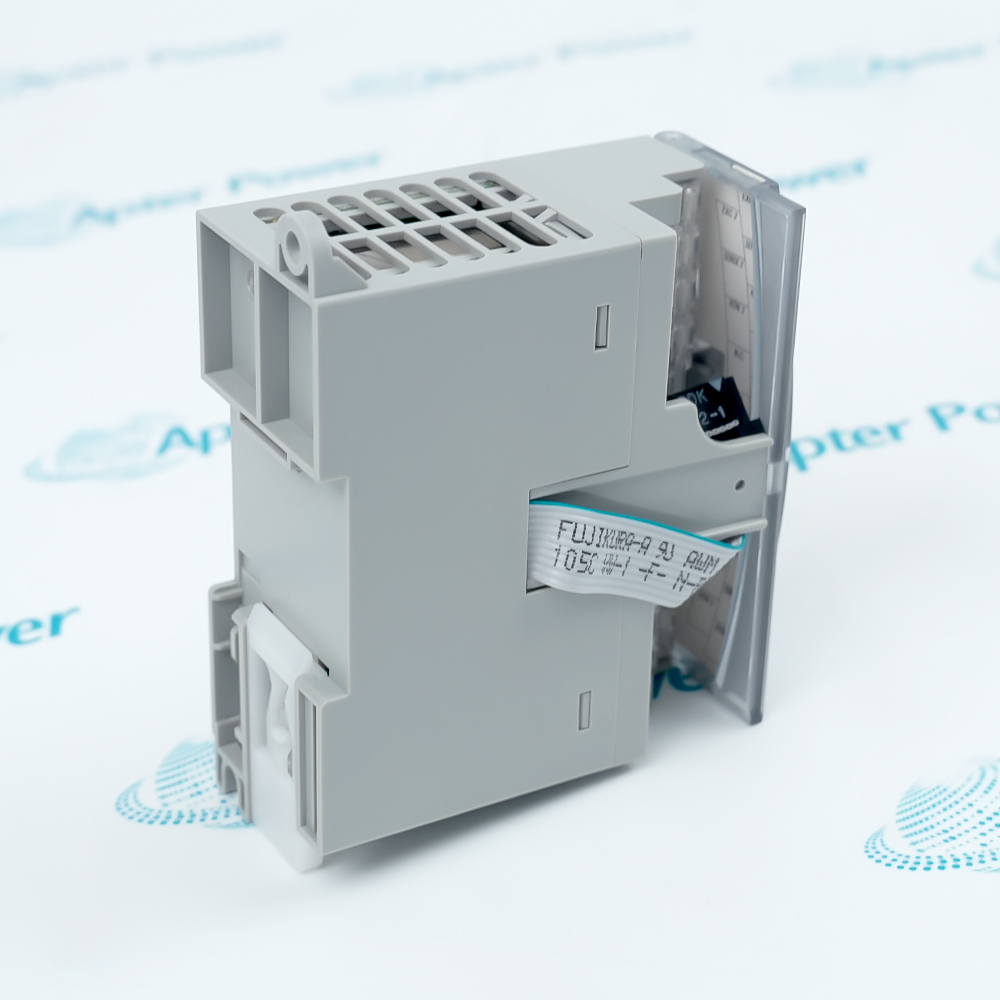
AB 1762-IR4
AB 1762-IR4
AB 1762-IR4
AB 1762-IR4
AB 1762-IR4
AB 1762-IR4
Ask our team:
  • Phone: +86 181 0690 9650
  • E-Mail sales1@apterpower.com
  • Lifecycle status

    Active Mature

1762-IR4

/ 4.9
1001 reviews | Need a Specific Revision?
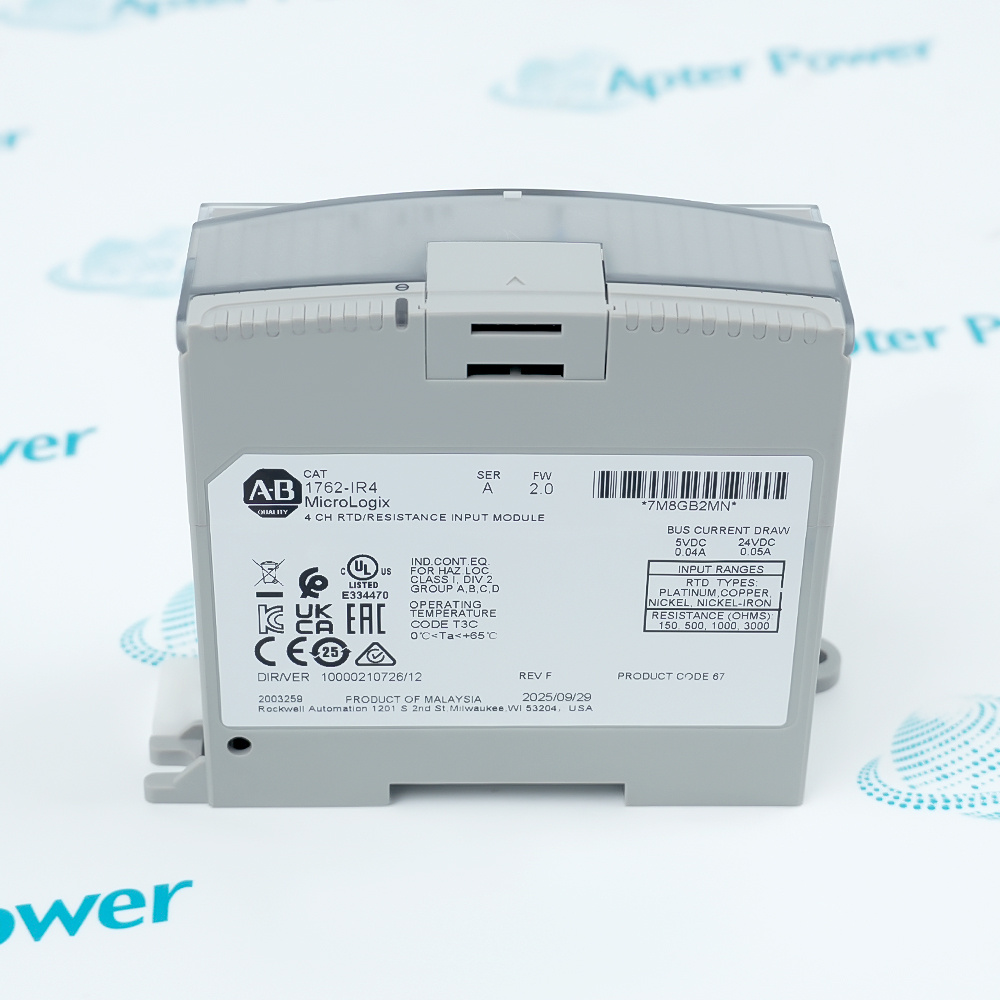
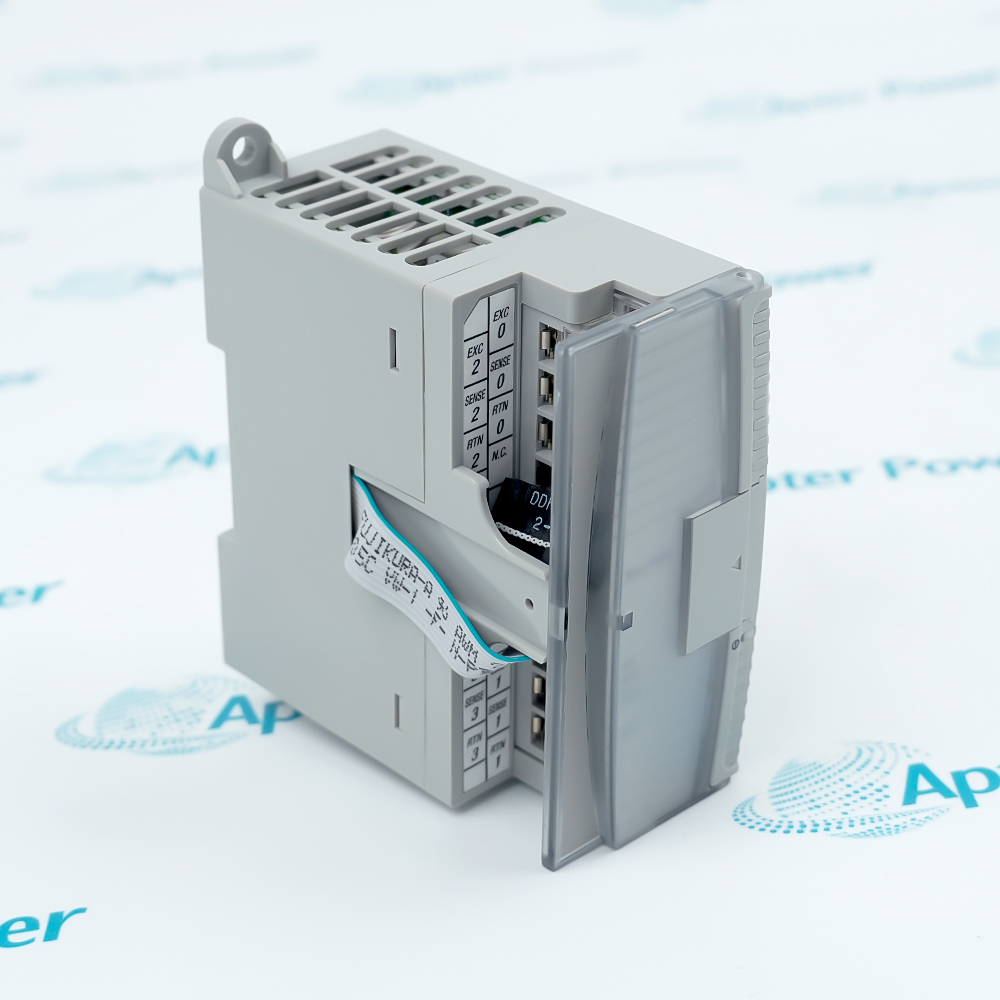
Allen-Bradley 1762-IR4 is a four-channel MicroLogix RTD and resistance input module for temperature and resistive-sensor measurement.
In Stock
Ships by Wednesday, October 28
Fast Shipping Available
Get a quick price for 1762-IR4
Quantity
*E-mail
Company
*Mobile
*Content
Upload (gif, jpg, jpeg, png, bmp, doc, docx, xls, xlsx, ppt, pdf, csv)

Technical specifications for 1762-IR4

  • Manufacturer:
    Allen-Bradley
  • Part Number:
    1762-IR4
  • Product Family:
    MicroLogix
  • Product Type:
    Four-Channel RTD/Resistance Input Module
  • Stock:
    1
  • Input Channels:
    4
  • Input Function:
    RTD and resistance measurement
  • A/D Converter:
    Delta-Sigma
  • Supported Wiring:
    2-wire, 3-wire and 4-wire sensors
  • Excitation Current:
    0.5 mA or 1.0 mA, selectable per channel
  • Input Impedance:
    Greater than 10 MΩ
  • Non-Linearity:
    ±0.05% of full scale
  • Normal-Mode Rejection:
    70 dB minimum at 60 Hz with 10 Hz or 60 Hz filter
  • Input Diagnostics:
    Open circuit, short circuit, overrange and underrange
  • Bus Current Draw:
    40 mA at 5 V DC; 50 mA at 24 V DC
  • Heat Dissipation:
    1.5 W total
  • Working Isolation:
    30 V AC / 30 V DC
  • Operating Temperature:
    0–55 °C
  • Storage Temperature:
    -40–85 °C
  • Operating Humidity:
    5–95%, non-condensing
  • Dimensions:
    4.0 × 9.0 × 8.7 cm
  • Input Overload:
    ±35 V DC continuous
  • Weight:
    0.15 kg
  • Tariff Code:
    8538900000
  • Country of origin:
    USA
  • Place of shipment:
    Xiamen,Fujian,China
By purchasing this item, you agree to the Terms & Conditions, ApterPower is not an authorized distributor for listed manufacturers or tradenames and therefore the manufacturer's warranty does not apply. All our products come with ApterPower's 1-year warranty.

More Information

Overview Manuals Sensor wiring Diagnostics Conversion control Application
  • Four individually configured RTD or resistance input channels
  • Supports documented two-, three- and four-wire sensor connections
  • Provides lead compensation, selectable filtering, autocalibration and channel diagnostics

1762-IR4 is an Allen-Bradley MicroLogix 1200 expansion module that converts up to four RTD or resistance signals into controller input data.

Each channel can be assigned its own supported sensor type, wiring method, excitation current, data format and input filter, allowing temperature and direct-resistance measurements on one module.

Before commissioning, verify sensor curves, lead connections, shielding, expansion-bus loading, module position and all channel configuration words against the saved controller project.

Availability, condition, price, and shipping time for 1762-IR4 are confirmed during quotation.

Allen-Bradley 1762-IR4 RTD/Resistance Input Module Manuals, Datasheets, Links

Important Notice: Other accessories, manuals, cables, calibration data, software, etc. are not included with this equipment unless listed in the above stock item description. All prices are shown in USD.

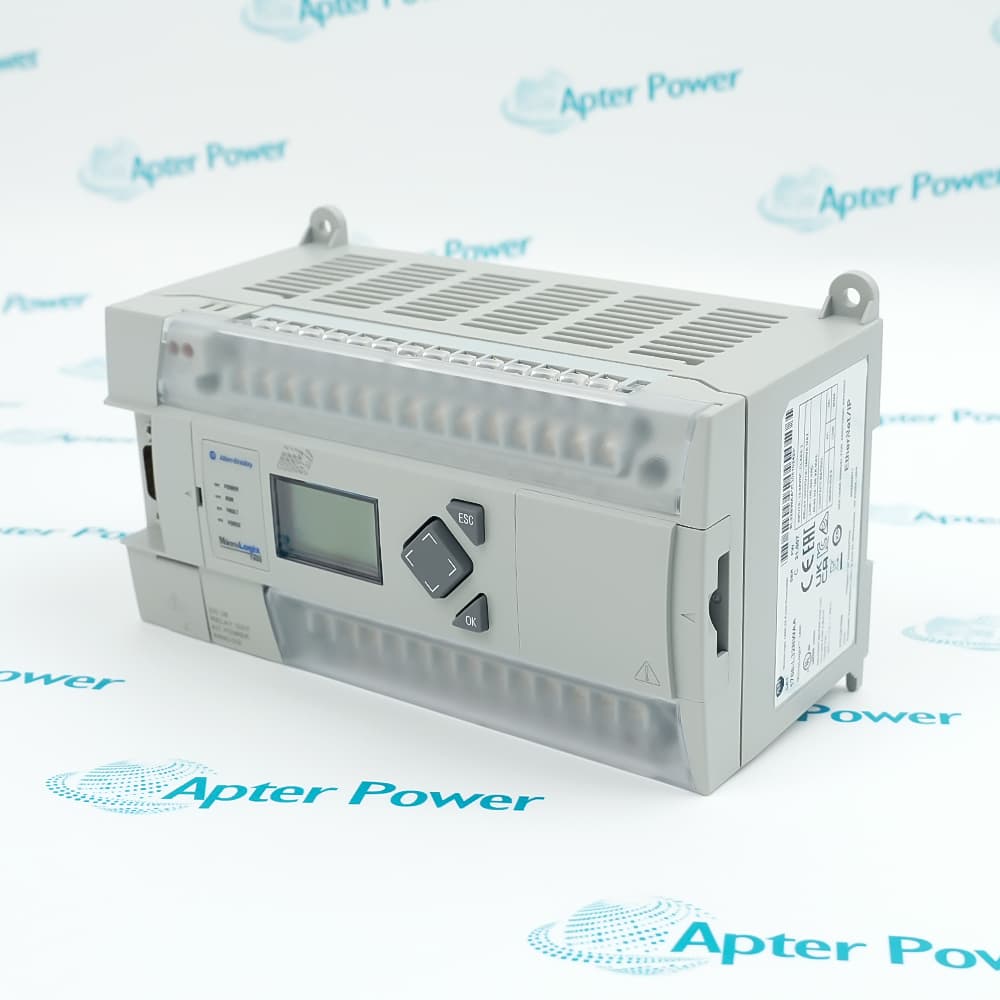
  • Channels accept supported two-, three- or four-wire RTD and resistance connections
  • Three-wire compensation depends on equal lead resistance and correct terminal placement
  • Shielded cable is routed away from power conductors and grounded as documented
  • Channel status identifies open-circuit or short-circuit sensor conditions
  • Overrange and underrange bits distinguish signal faults from normal process values
  • The module power indicator confirms that expansion-bus power is present
  • Delta-Sigma conversion supports low-level RTD and resistance measurement
  • Input filters trade update speed for line-frequency noise rejection
  • Autocalibration runs on channel enable and after a configuration change
  • RTD temperature measurement in MicroLogix 1200 control systems
  • Direct resistance measurement from supported potentiometers and resistive devices
  • Mixed four-channel temperature and resistance monitoring in industrial equipment
Description
1762-IR4 is an Allen-Bradley four-channel RTD and resistance input module for MicroLogix 1200 expansion systems.

Each channel is individually configurable for a supported RTD or resistance range and provides digitally converted data with selectable excitation, filtering, lead compensation, autocalibration and input diagnostics.

Before installation or replacement, confirm the sensor type, two-, three- or four-wire connection, excitation current, filter setting, terminal wiring, power-supply distance rating and controller configuration.
Revisions

Revision Part #

Also known as

1762-IR4 Ser A
1762-IR4/A, Series A, Rev A
Alternative Names
1762-IR4 1762 IR4 1762IR4 Allen-Bradley 1762-IR4 Allen Bradley 1762-IR4 MicroLogix 1200 1762-IR4 MicroLogix 1762-IR4
Technical notes
Allen-Bradley 1762-IR4 requires channel-by-channel sensor, lead-count, excitation and filter settings; verify expansion-bus loading, shielded wiring and diagnostics before returning the MicroLogix system to service.
Exceptional Service

Our Mission

  • 100% Satisfaction

    We believe expertise is priceless. With over 20 years of experience, and top engineers on staff, we can help you solve or avoid problems that threaten your business.
  • Trust Guaranteed

    Not only do we have a vast inventory, our team makes sure every piece of equipment is in working condition. Your purchases are also backed by our Warranty.
  • Expertise

    Time is money, especially when your equipment is down. We work quickly to get your equipment on its way so you can get it back up and running.

FAQS

The following is a list of questions commonly asked by our customers. Please contact us if you have a question about our process that is not answered below.
How should the sensor wiring be matched before ordering Allen-Bradley 1762-IR4?
Identify the exact RTD or resistance element, its alpha curve or resistance range, and whether the field device uses two, three or four leads. Confirm that every channel configuration and terminal connection follows that sensor type before the module is installed.
What happens if long lead resistance is ignored when using Allen-Bradley 1762-IR4?
Excessive or unequal lead resistance can reduce measurement accuracy even when the sensor type is configured correctly. Use the documented cable practice, keep channel lead resistance within the supported limit, and use three- or four-wire compensation where the sensor installation requires it.
Why must the excitation-current setting be reviewed for Allen-Bradley 1762-IR4?
The module offers 0.5 mA and 1.0 mA excitation per channel. Select the value appropriate for the connected RTD or resistance element so that the signal is measurable without creating avoidable sensor self-heating or a range mismatch.
Why can Allen-Bradley 1762-IR4 report an open or short circuit after replacement?
Check the channel’s sensor type, lead-count selection, terminal positions, jumper arrangement, conductor continuity and shield routing. A wiring break, crossed lead, wrong channel configuration or out-of-range resistance can trigger the diagnostic indication.
How does Allen-Bradley 1762-IR4 handle calibration after a channel configuration change?
The module performs autocalibration when a channel is enabled and when its configuration changes. The program can also request periodic calibration, so restore the original calibration strategy and allow the conversion to settle before comparing process values.
What system-loading check is required before adding Allen-Bradley 1762-IR4 to a MicroLogix controller?
Include both the 5 V and 24 V bus-current requirements in the MicroLogix loading worksheet and keep the module within its power-supply distance rating. A valid slot count alone does not prove that the controller’s expansion-power budget is acceptable.
How can stable mixed-sensor readings be maintained on Allen-Bradley 1762-IR4?
Configure each channel independently for its exact sensor, excitation current and filter, use the recommended shielded wiring practice, route low-level signals away from noise sources, and retain the original channel data-format and calibration settings.

Product Browsing History