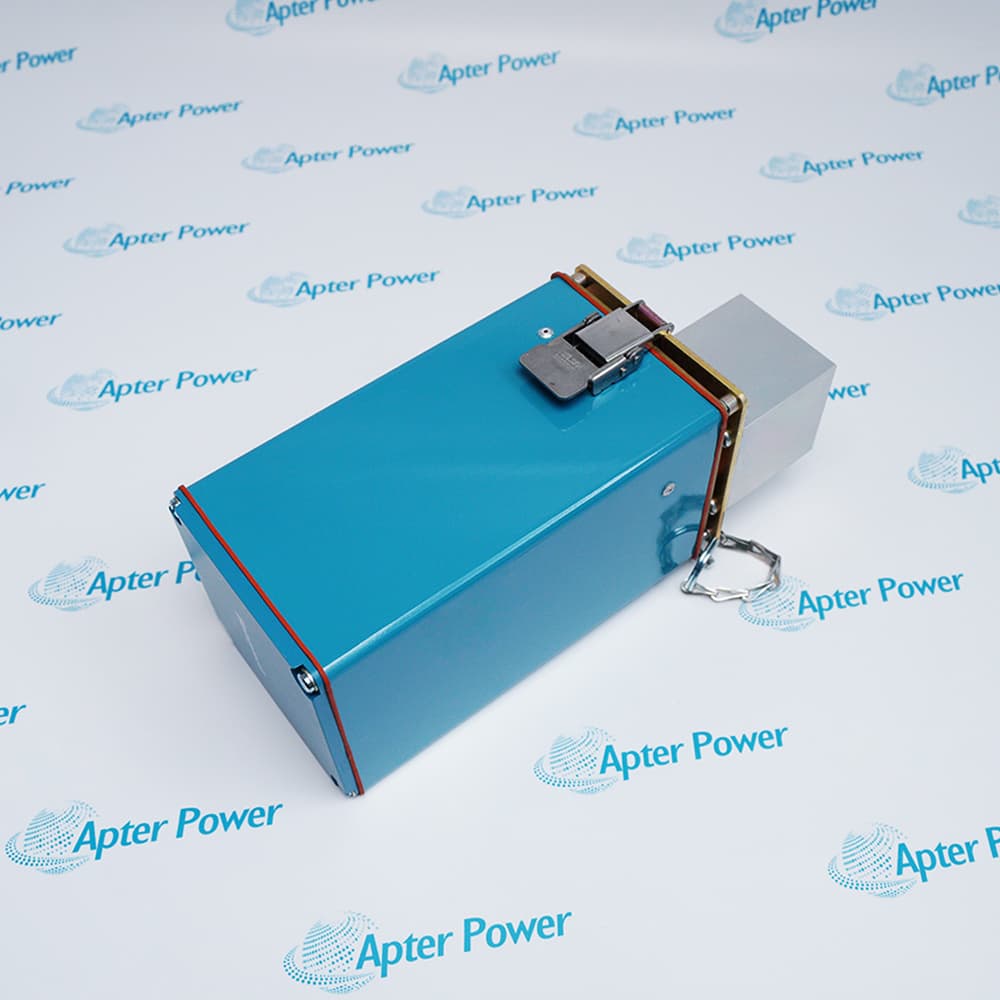
Features:
- Interface Between Connected Catalytic Gas Detectors and Central Control System
- Combines Capability of Signal Processing with Multi-Channel Alarm Management
- Operates in Conjunction with the Engineering Card and Optional Analogue Output Modules
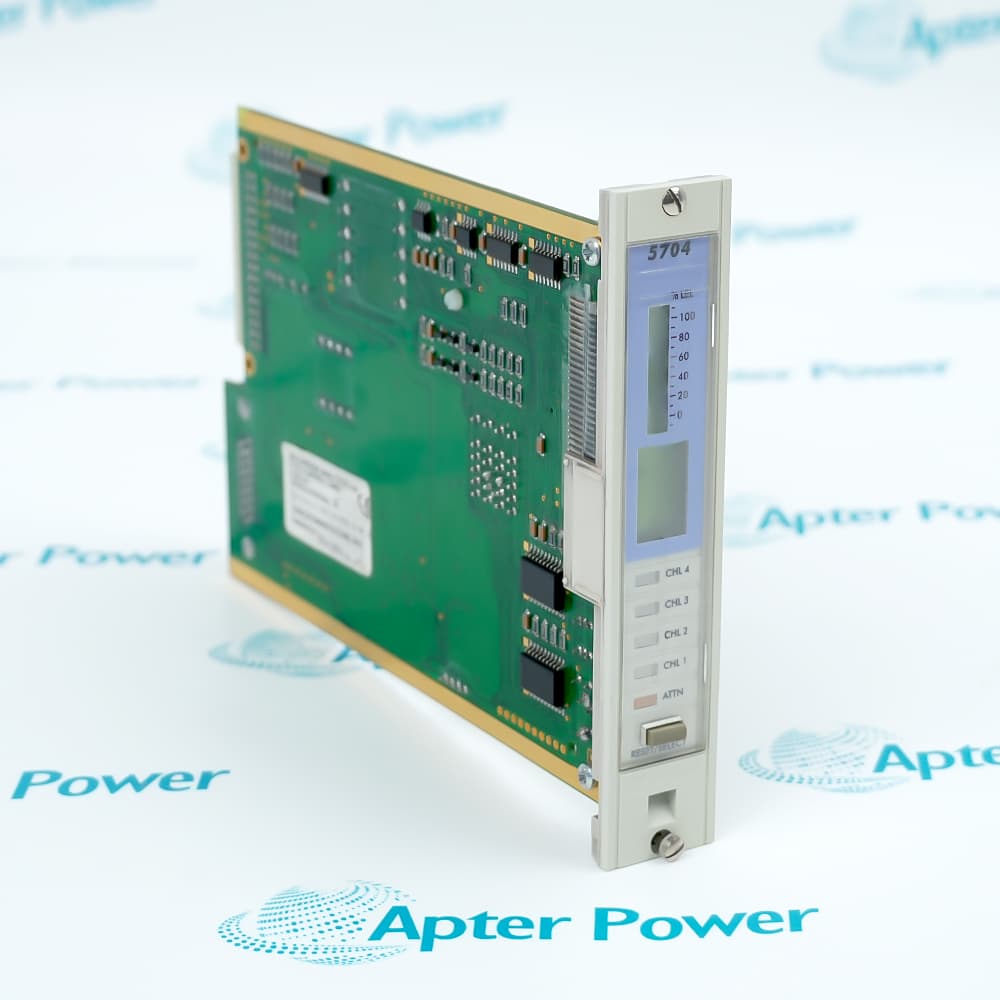
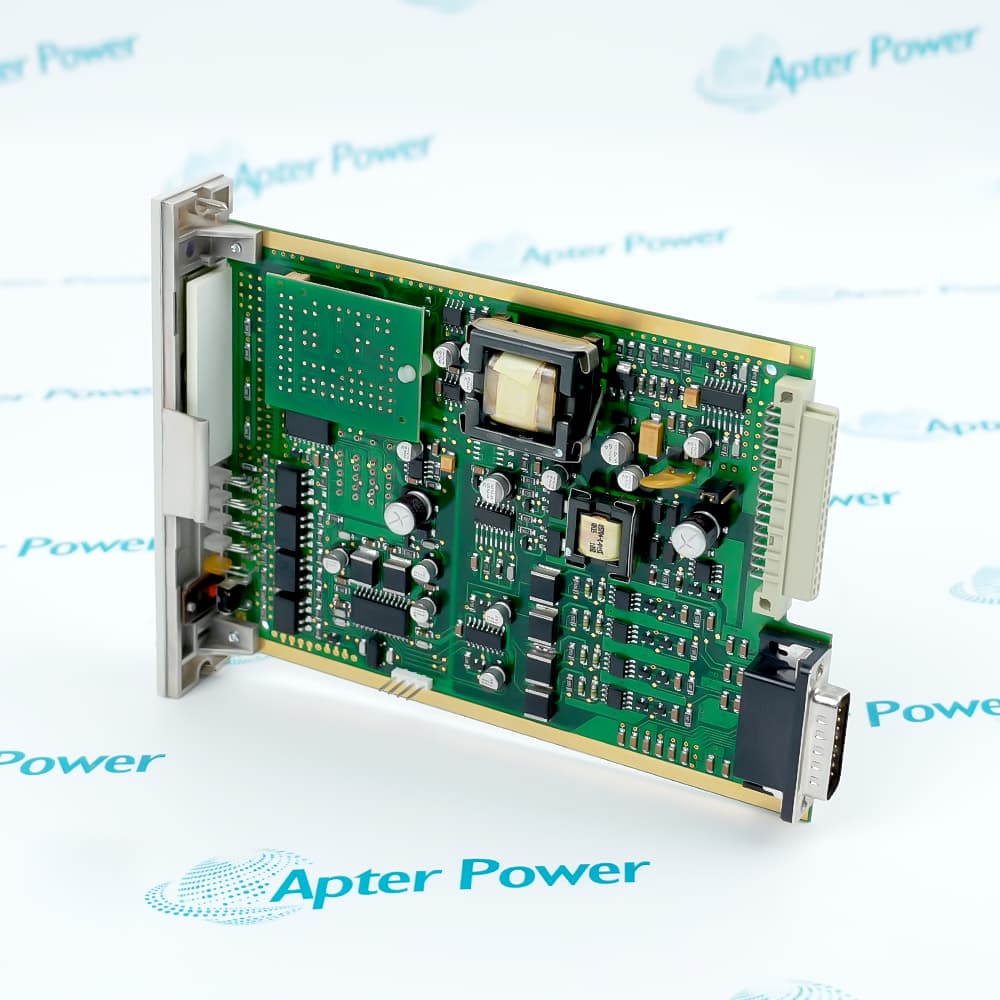
The HONEYWELL 05704-A-0144 operates as the Four Channel Control Card Catalytic in a gas detection system, providing reliable control, display, and alarm facilities for up to four connected catalytic gas detectors. It continuously processes incoming signals from multiple detector channels and presents gas readings, channel status, and channel identification through the front panel backlit display. Seamless alarm indication is standard with the 05704-A-0144, however using the push-button interface will allow manual alarm reset and channel selection for use with the Engineering Card. The 05704-A-0144 has made improvements in several areas over previous control card designs in addition to incorporating microprocessor-controlled operation with fully definable software configuration.
The 05704-A-0144 provides essential control functions common to the entire gas detection system, and is a critical component of the monitoring path, directly affecting the proper, normal operation of the overall safety system. One 05704-A-0144 control card is required per four detector channels depending on the desired monitoring capacity. The 05704-A-0144 occupies a dedicated slot in the system rack and interfaces directly with catalytic input type gas detectors.
For enhanced remote monitoring applications, the 05704-A-0144 system requires optional Analogue Output Modules plugged into the control card. In addition to standard local display operation, the enhanced configuration also performs remote signal transmission. The 05704-A-0144 analogue output system executes data transfer using dedicated modules specified in the output options. Using this method, the remote monitoring system continually provides channel card readings to external control platforms. If the system requires either current source or current sink configurations, it will automatically adapt the output type per module and support integration with distributed control systems.
The 05704-A-0144 HONEYWELL Four Channel Control Card may still be available for purchase and support from Apter Power beyond End-Of-Life (EOL) by the manufacturer (OEM).
HONEYWELL 05704-A-0144 Four Channel Control Card Manuals,Datasheets,Link
Important Notice: Other accessories, manuals, cables, calibration data, software, etc. are not included with this equipment unless listed in the above stock item description. All prices are shown in USD.
HONEYWELL 05704-A-0144 Four Channel Control Card Catalytic Specs
General
- Manufacturer HONEYWELL
- Model 05704-A-0144
- Condition New Original ready stock
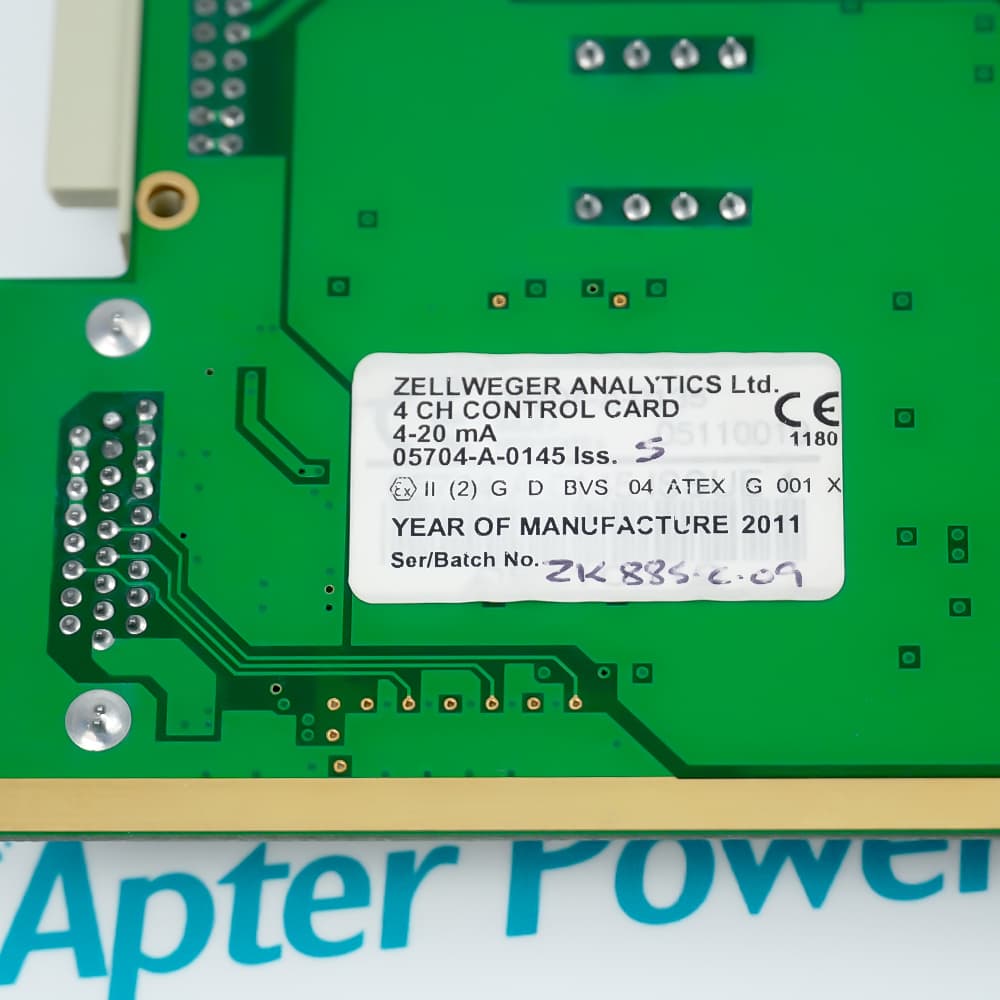
- Product Family 05704-A-0145,05704-A-0121,05704-A-0131
Important Notice: Other accessories, manuals, cables, calibration data, software, etc. are not included with this equipment unless listed in the above stock item description. All prices are shown in USD.
- Oil & Gas Refineries: Centralized management of combustible gas detection in control rooms.
- Petrochemical Plants: Logic configuration for complex fire and gas voting systems.
- Power Generation: Monitoring hydrogen and methane levels around fuel lines and turbines.
- Water Treatment: Detecting chlorine or ozone leaks in desalination or treatment facilities.
- Manufacturing: Providing visibility into hazardous gas levels to ensure worker safety and prevent production downtime.
- Engineering Card Interface: Basic calibration, zeroing, and alarm threshold settings are performed using the push buttons on a System 57 Engineering Card plugged into the rack.
- PC-Based Configuration: Complex logic and multi-channel setups can be configured via an RS232 link from the Engineering Card to a PC running Honeywell’s engineering interface software.
- Stored Settings: All user-defined parameters, such as sensor drive current (90–315mA) and alarm levels, are stored in the card's non-volatile EEPROM.
- Version Identification: The current firmware version is often displayed on the card's LCD during the initial power-up sequence or can be queried via the engineering software link.
- Applying Updates: Firmware updates for these industrial cards usually require specialized hardware or the Honeywell Engineering Tool.