Features:
- Provides two independent DeviceNet channels on one universal PCI interface card.
- Supports 3.3 V and 5 V PCI host signaling for legacy industrial computers.
- Runs downloadable channel firmware for DeviceNet master or slave application behavior.
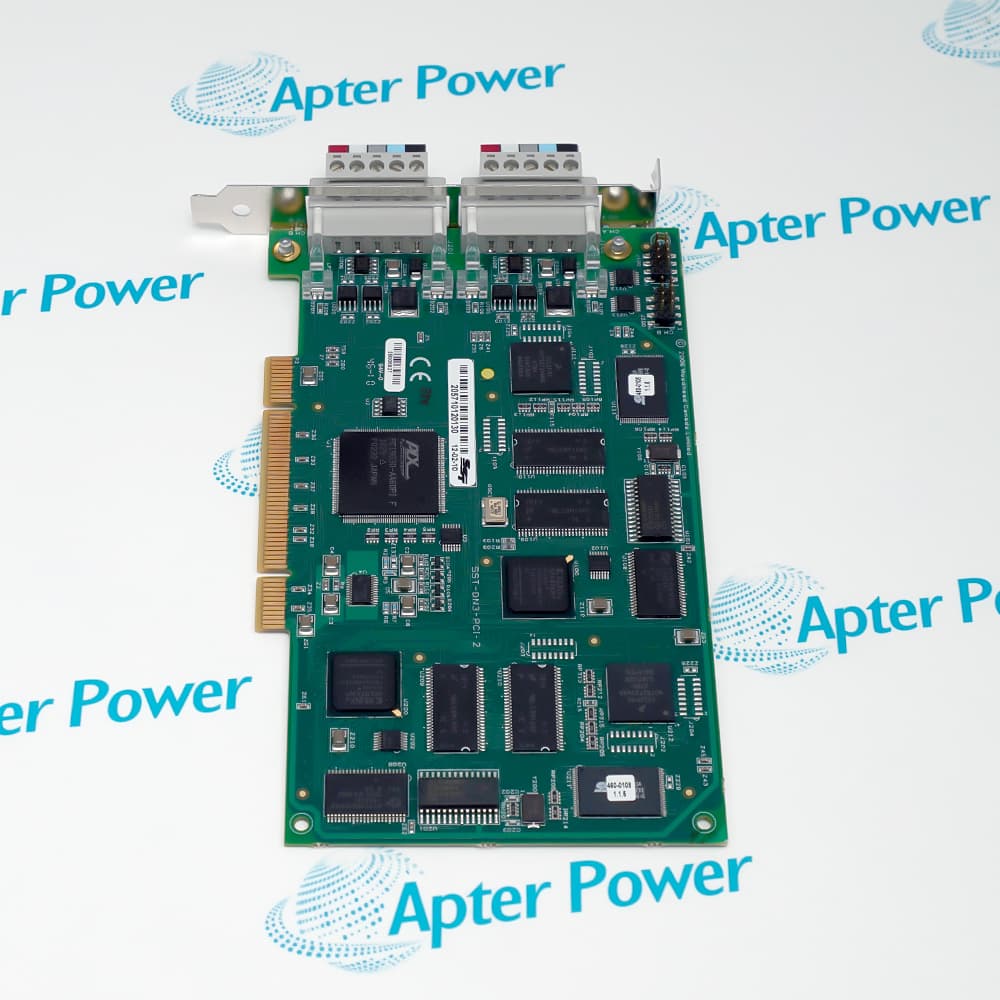
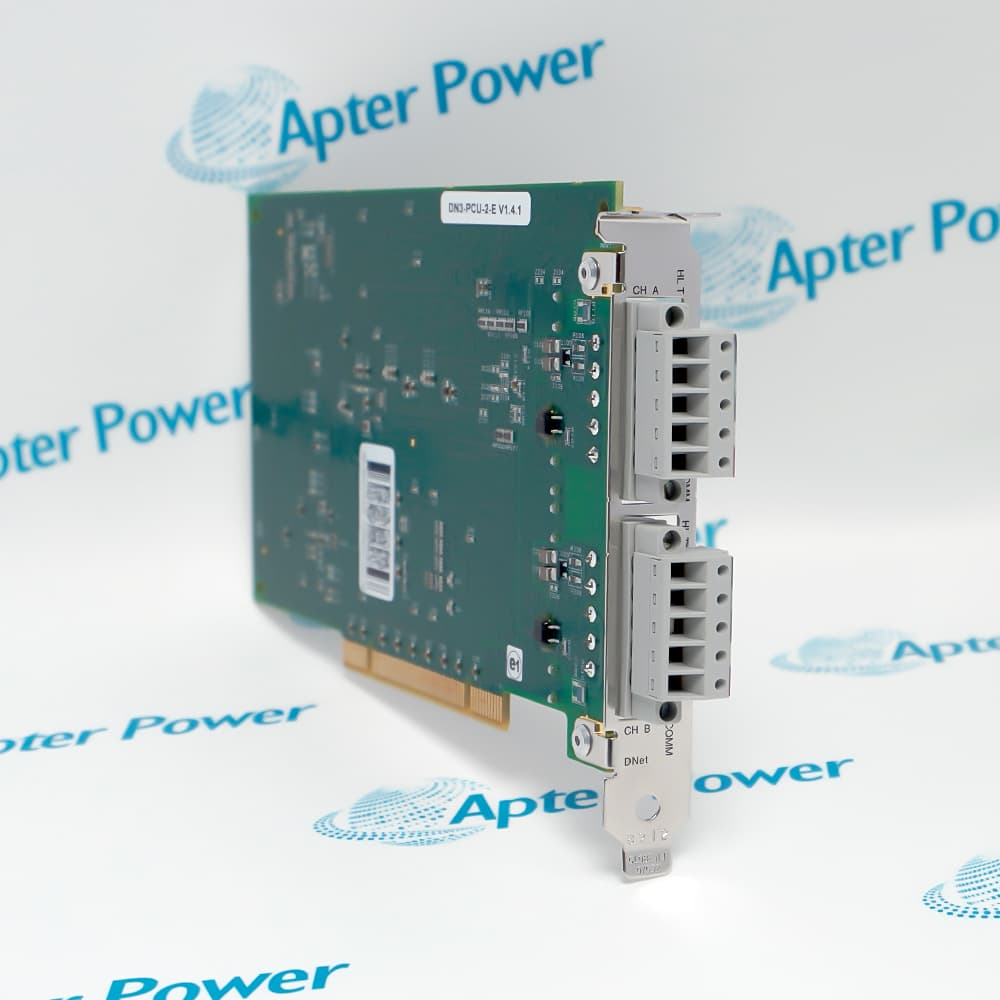
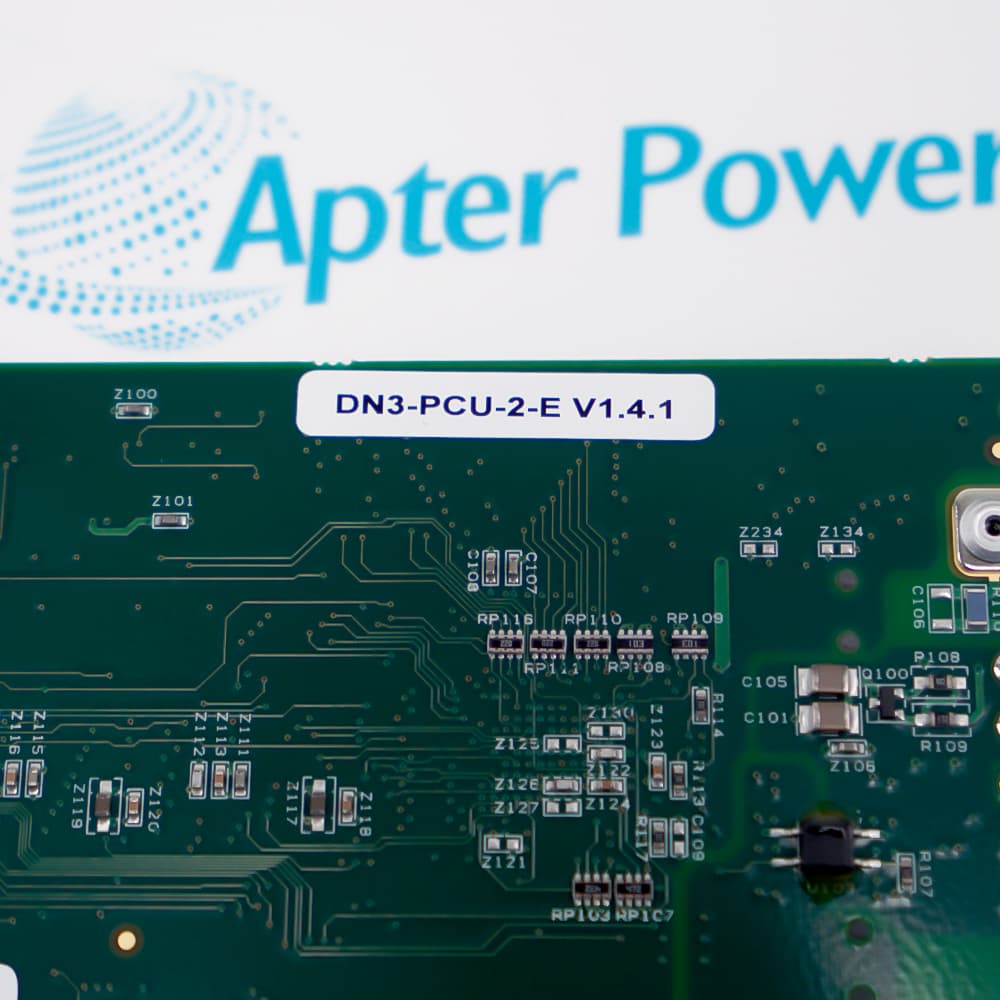
The current ordering identity is SST-DN3-PCU-2-E SST-DN3-PCI-2, the dual-channel universal PCI DeviceNet interface card represented by the supplied board marking.
It connects a host PC or controller to two independently processed DeviceNet networks for real-time control, data acquisition or diagnostic tasks.
Before installation, verify PCI voltage support, driver and firmware packages, channel licenses, 24 V network power, node addressing and the board's complete label.
Availability is subject to Apter Power inventory and sourcing confirmation.
Verified resources for Molex Woodhead SST-DN3-PCU-2-E SST-DN3-PCI-2:
Important Notice: Other accessories, manuals, cables, calibration data, software, etc. are not included with this equipment unless listed in the above stock item description. All prices are shown in USD.
- Adds two DeviceNet scanner or adapter channels to a compatible industrial PC.
- Separates two machine networks so traffic and firmware execution remain independent by channel.
- Supports engineering stations that configure, diagnose or exchange I/O with DeviceNet devices.
- Each channel connects through its own five-pin DeviceNet/CAN network terminal.
- DeviceNet communication supports 125, 250 and 500 kbaud network rates.
- The isolated CAN physical layer uses shielded twisted-pair network cable and external bus power.
- Downloadable firmware modules define the application behavior executed by each channel CPU.
- The host maps a separate memory window and I/O register region for each interface.
- Driver, firmware and application versions must be retained together when migrating the card.
- Health and communication indicators provide channel-level status during startup and operation.
- Fatal self-test flash codes and register diagnostics identify hardware or firmware initialization faults.
- Electrostatic-discharge precautions are required when handling the exposed PCI assembly.