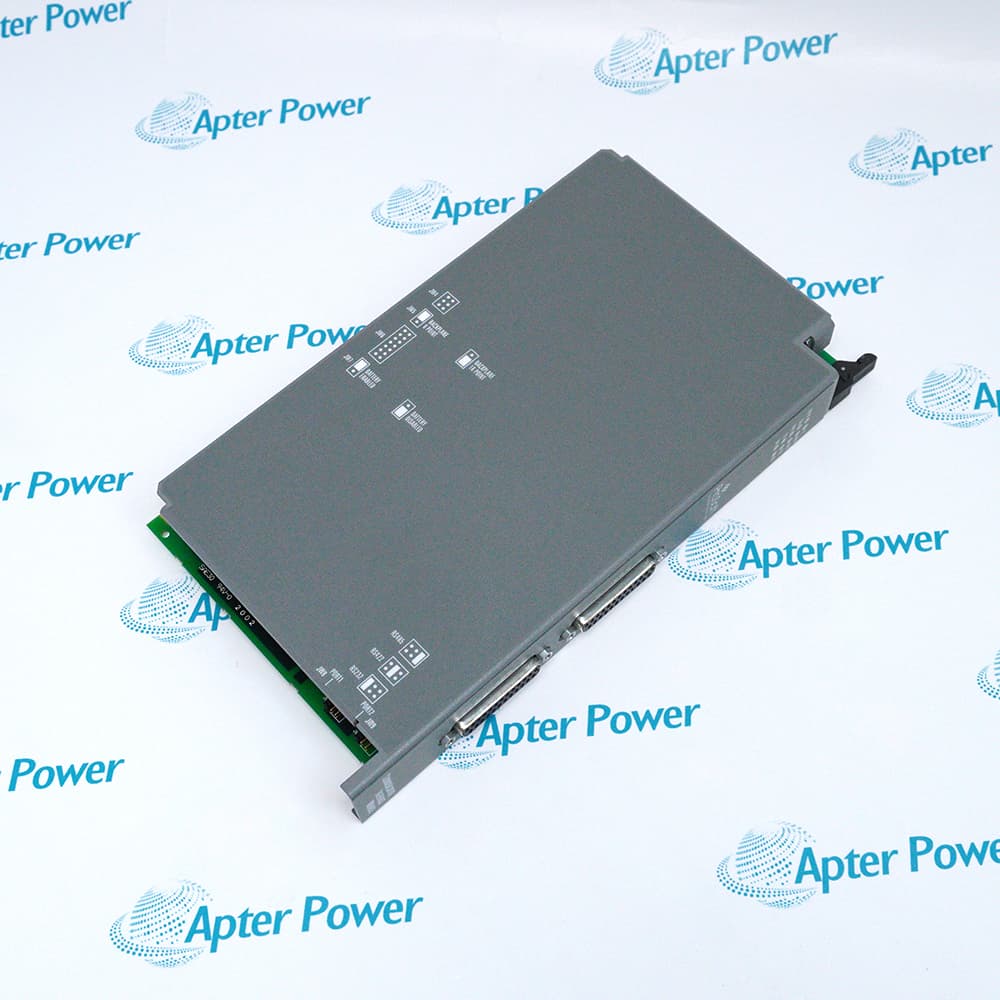
Features:
- Single-slot ControlLogix backplane integration
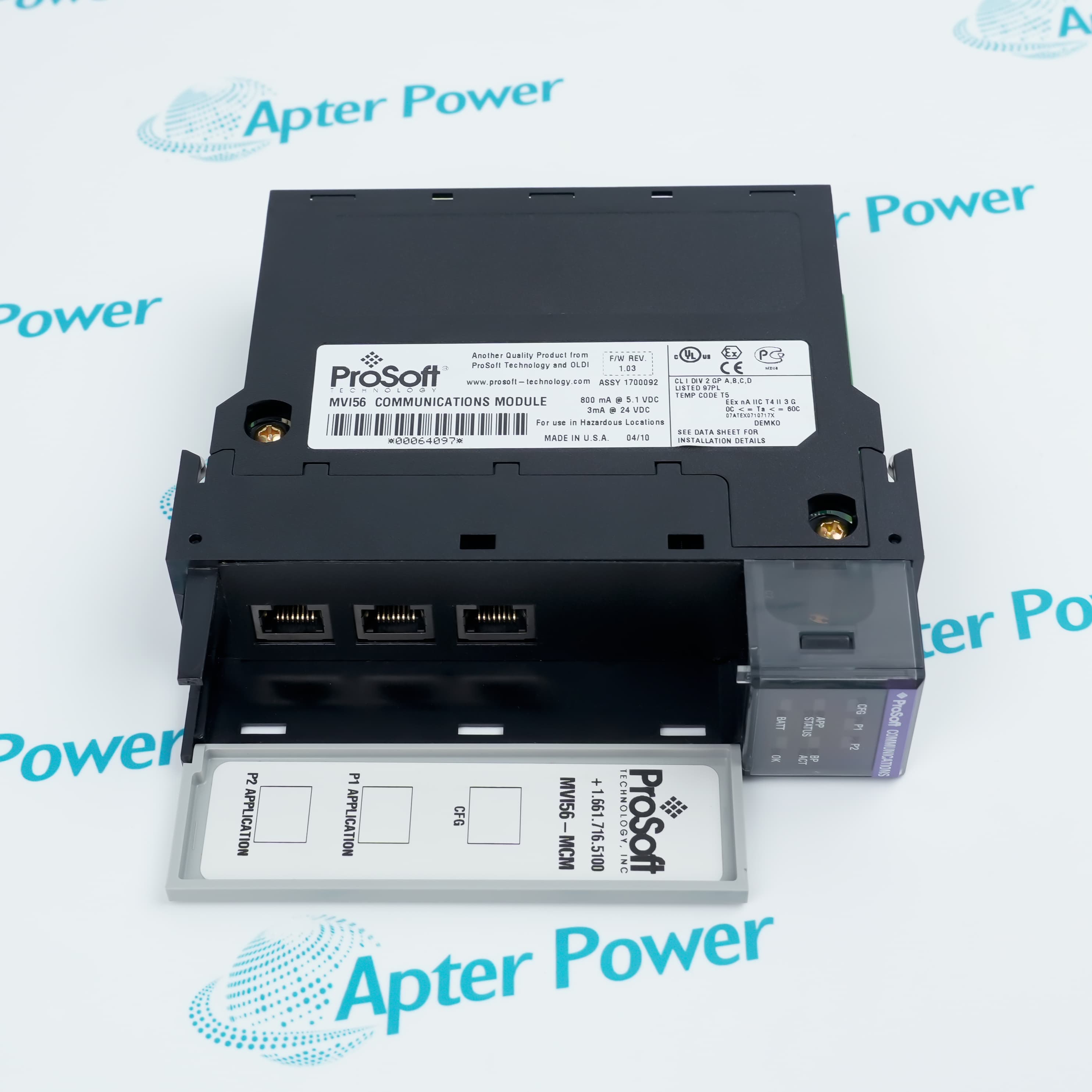
- Two configurable Modbus RTU/ASCII application ports
- Independent master or slave role selection for each port
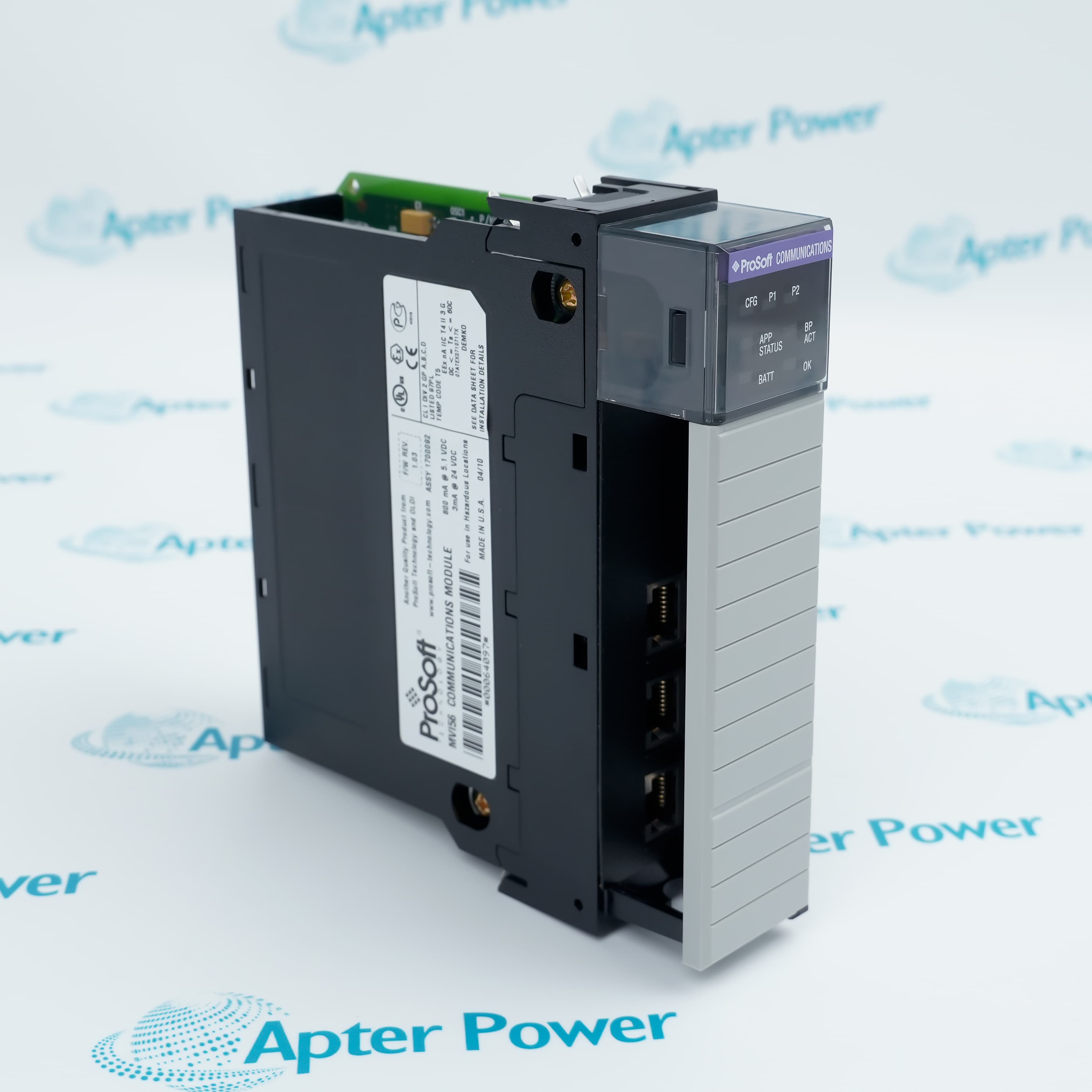
MVI56-MCM is identified as an in-chassis communication module, not an external gateway, and exchanges operational data through the controller backplane.
Its two application ports let one chassis coordinate separate Modbus serial duties while keeping their protocol roles and framing independently configured.
A correct service match depends on the saved controller data map, each port’s electrical interface and the original master-command or slave-address design.
For ProSoft MVI56-MCM Modbus Master/Slave Communication Module sourcing, Apter Power can help review the serial roles, port wiring and project record.
ProSoft MVI56-MCM Modbus Master/Slave Communication Module Manuals,Datasheets,Link
Important Notice: Other accessories, manuals, cables, calibration data, software, etc. are not included with this equipment unless listed in the above stock item description. All prices are shown in USD.
- Module format: Occupies one ControlLogix chassis slot.
- Data exchange: Presents module data through the controller backplane.
- Local chassis: Operation is supported in the local ControlLogix rack.
- Remote chassis: ProSoft also documents use in a remote rack.
- Per-port role: Configure each serial port as master or slave.
- Master list: Store as many as 100 commands for each master port.
- Slave range: Configure the addressed slave role within the documented Modbus range.
- Data blocks: Map Modbus registers to the ControlLogix data image.
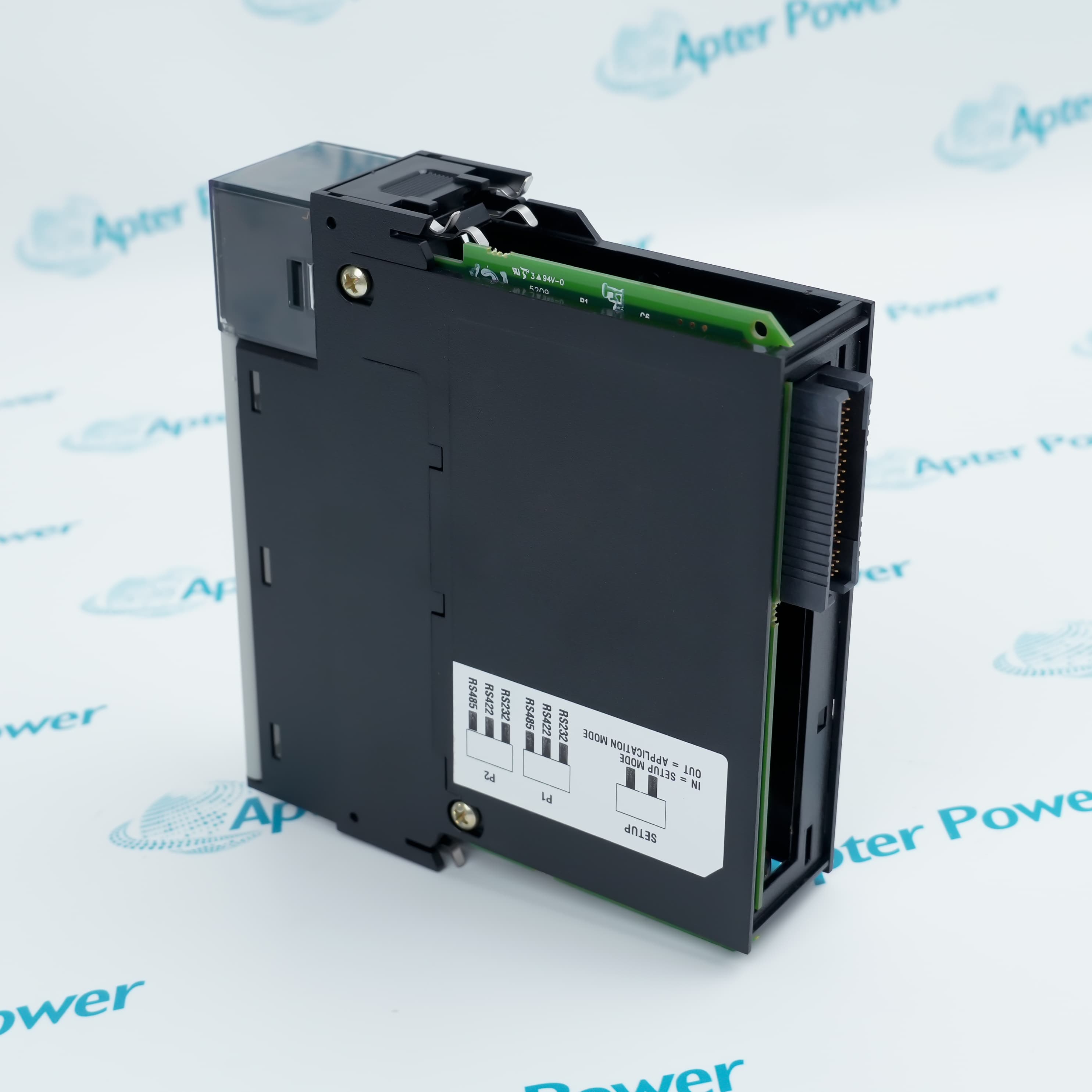
- Media choice: P1 and P2 support RS-232, RS-485 or RS-422.
- Protocol mode: Select RTU or ASCII independently for the application.
- Line rate: Match the peer device from 110 to 115200 baud.
- Framing: Keep parity, data-bit and stop-bit settings consistent across the link.
- Controller polling: Lets ControlLogix initiate Modbus requests to serial devices.
- Slave interface: Exposes mapped controller data to a Modbus master.
- Two-network bridge: Assigns separate serial duties to the two application ports.
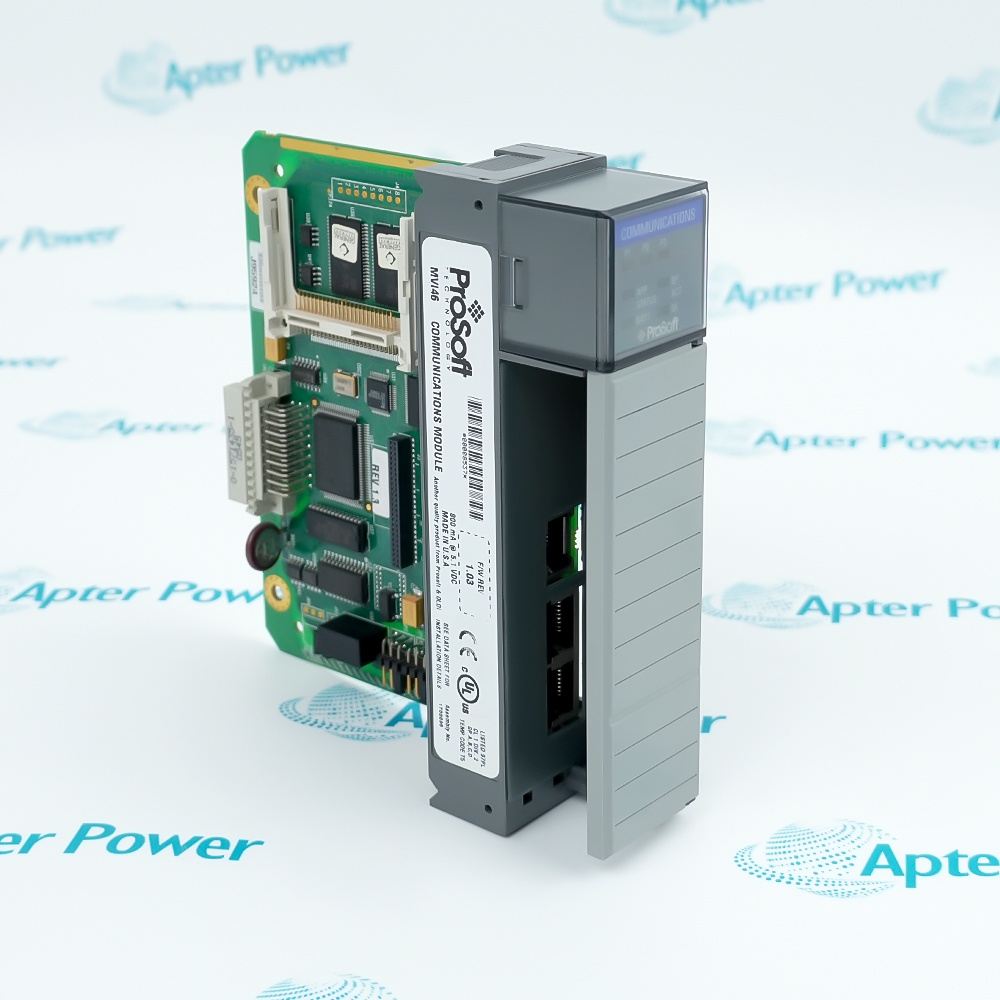
- Installed-base service: Restores an existing MVI56 communication position with its saved mapping.