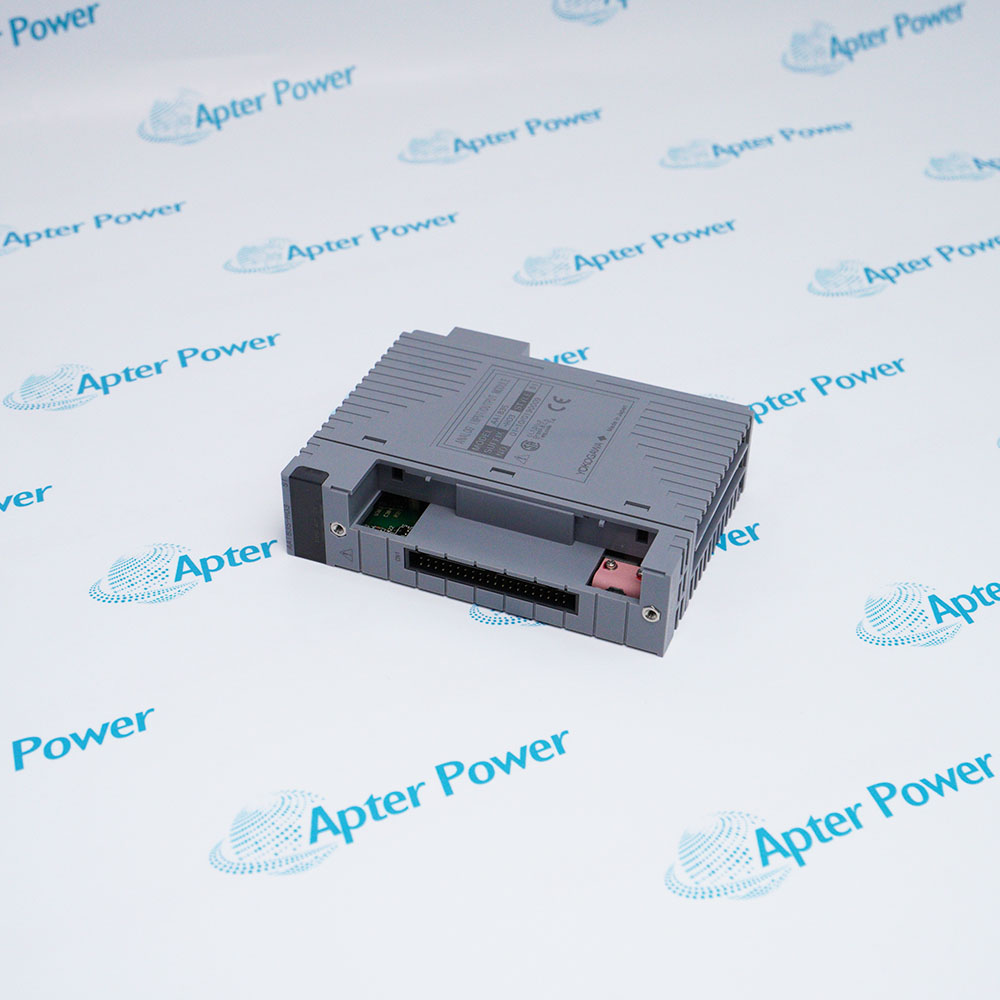
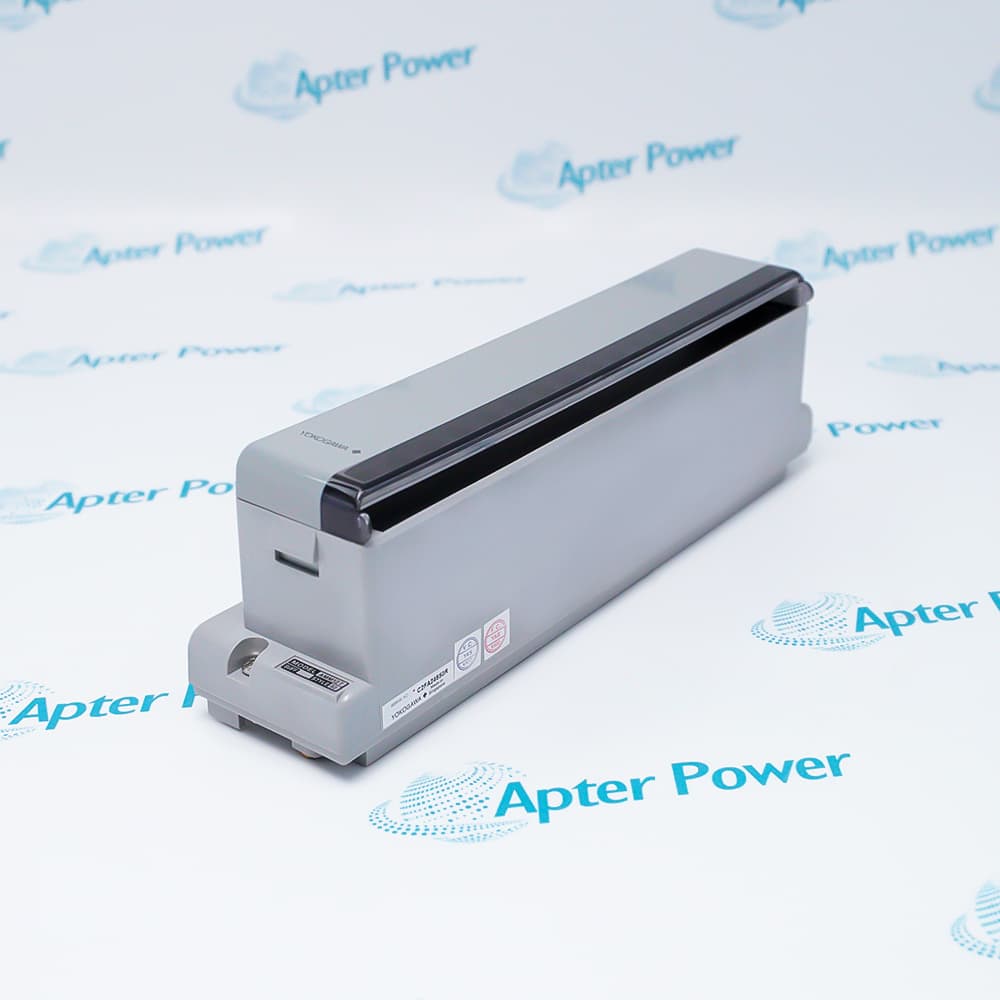
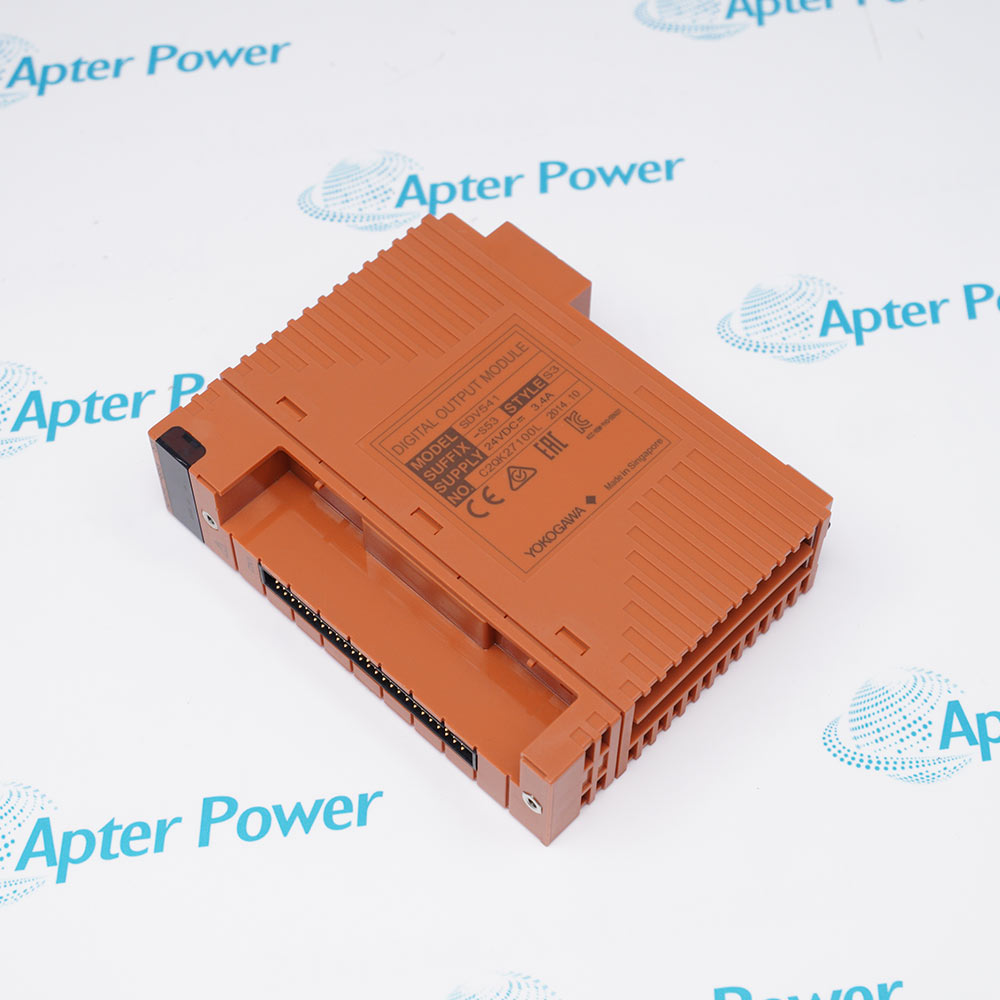
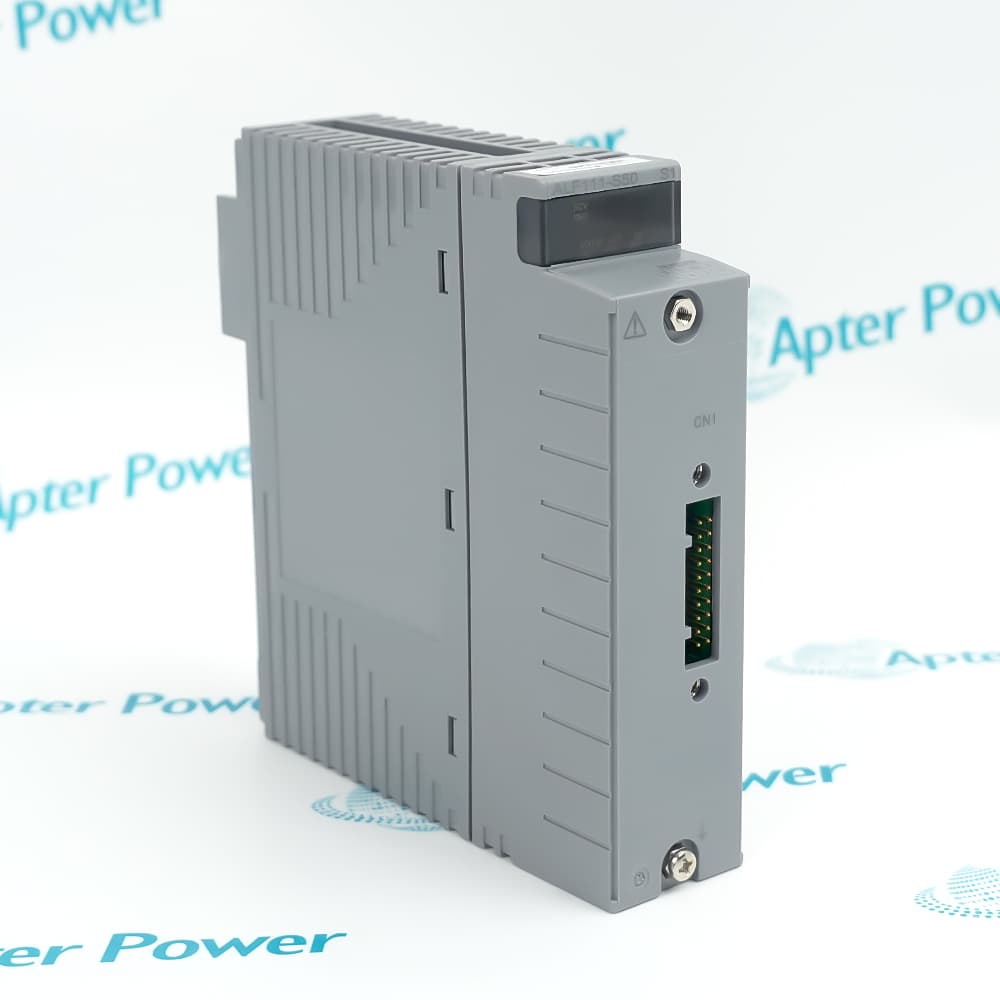
Features:
- SIL 3 Certified Fail-Safe Design
- Deterministic Vnet/IP Communications
- ISA G3 Class Conformal Coating
The YOKOGAWA SCP461-51 S2 features a meticulously audited hardware matrix that complies fully with the international IEC 61508 SIL 3 safety standard. It utilizes internal diagnostic routines and hardware co-processing to execute safety loops with zero compromise, making it the premier choice for Emergency Shutdown (ESD) and Fire and Gas (F&G) systems.
Equipped with native dual-redundant Vnet/IP bus interfaces, the YOKOGAWA SCP461-51 S2 guarantees high-speed, real-time control communications across Safety Control Stations (SCS). This ensures that safety interlock commands and critical sensor updates are prioritized over standard network traffic without lag or deterministic jitter.
Built for deployment in harsh, corrosive industrial environments, the YOKOGAWA SCP461-51 S2 comes standard with premium ISA Class G3 compliance. The chemical-resistant coating protects sensitive internal microprocessor components from airborne contaminants like moisture, salt, and gaseous sulfur compounds found in heavy chemical plants.
The SCP461-51 S2 YOKOGAWA Safety Control Processor Module may still be available for purchase and support from Apter Power beyond End-Of-Life (EOL) by the manufacturer (OEM).
YOKOGAWA SCP461-51 S2 Safety Control Processor Module Manuals,Datasheets,Link
Important Notice: Other accessories, manuals, cables, calibration data, software, etc. are not included with this equipment unless listed in the above stock item description. All prices are shown in USD.
YOKOGAWA SCP461-51 S2 Safety Control Processor Module
General
- Manufacturer YOKOGAWA
- Model SCP461-51 S2
- Condition New Original ready stock
- Product Family SCP451-11 S1,SCP461-11 S1,SCP461-E1 S2
Important Notice: Other accessories, manuals, cables, calibration data, software, etc. are not included with this equipment unless listed in the above stock item description. All prices are shown in USD.
- Emergency Shutdown Systems (ESD): The YOKOGAWA SCP461-51 S2 acts as the primary logical solver in critical Emergency Shutdown loops. It continuously evaluates field instrumentation inputs from high-pressure lines or exothermic reactors, executing rapid, automated isolation sequences to shut down processes before an absolute safety threshold is breached.
- Fire and Gas Systems (F&G): Within refinery and petrochemical facilities, the module parses toxic gas, flame, and smoke detection telemetry. Because it responds reliably under sub-millisecond conditions, the processor can autonomously trigger deluge valves, open venting systems, and sound plant-wide hazard alarms.
- Burner Management Systems (BMS): In heavy power generation boilers and furnaces, the unit monitors critical flame-out states, fuel gas pressures, and combustion airflow variables. It ensures that startup and shutdown sequences for multi-burner configurations follow exact chronological safety logic to prevent explosive fuel buildup.
- High-Pressure Interlocking Loops (HIPPS): The module is highly sought after for High-Integrity Pressure Protection Systems to replace conventional mechanical relief valves. It processes inputs from redundant pressure transmitters and instantly triggers fast-acting isolation valves to safeguard downstream piping from catastrophic over-pressurization.
- Dual-Channel Deterministic Logic Execution: The YOKOGAWA SCP461-51 S2 runs a highly specialized, isolated safety operating system that guarantees execution of safety programs without cycle-time degradation. Its internal dual-microprocessor design performs continuous cross-checks on every variable to isolate software errors before they can impact active control elements.
- Bumpless Redundancy Failover: When integrated into a duplexed chassis, the processor actively synchronizes its internal RAM and state registers with its redundant twin over a dedicated backplane lane. Should a critical hardware fault manifest, the tracking module takes over control instantly, allowing your industrial process to remain online without a ripple in your communication logs.
- Comprehensive Node and I/O Telemetry Supervision: The module actively manages downstream data flowing from attached FIO and N-IO node units. It doesn't just read data; it continually runs line-monitoring routines to detect open circuits, short circuits, and field wiring degradation, bringing unparalleled transparency to the entire physical safety loop.
- Advanced Non-Volatile Data Protection: Safeguarding operational history is vital for forensic accident analysis. The unit combines hardwired Flash memory with ultra-fast NVRAM to capture precise fault signatures, alarm states, and logic transitions the exact microsecond they occur, maintaining this vital data through complete power failures.
- IEC 61131-3 Compliant Engineering Framework: Configuration of the YOKOGAWA SCP461-51 S2 is performed via standardized ProSafe-RS engineering software utilizing intuitive Function Block Diagrams (FBD) and Ladder Logic. This standardized methodology ensures that safety engineers can quickly develop, audit, and modify complex logic loops while meeting strict regulatory standards.
- Strict Logical Separation & Security Boundaries: The programming environment enforces an absolute logical wall between standard process control logic (DCS) and safety instrumented functions (SIS). This ensures that standard modifications made to day-to-day plant operations cannot inadvertently overwrite or compromise the underlying safety logic executing within the processor.
- Online Modification with Safety Evaluation: The architecture supports secure online download capabilities under highly restricted conditions. It allows certified engineers to implement Minor functional changes or parameter adjustments while the processor remains live, eliminating the need for costly full-plant shutdowns just to modify a safety setpoint.
- Integrated Simulation and Automated Loop Testing: Before deploying code to the physical hardware, engineers can utilize integrated simulation tools to thoroughly stress-test the logic. The environment mimics real-world I/O fault injections, allowing safety teams to visually map and verify every possible trip scenario, significantly reducing on-site commissioning timelines.