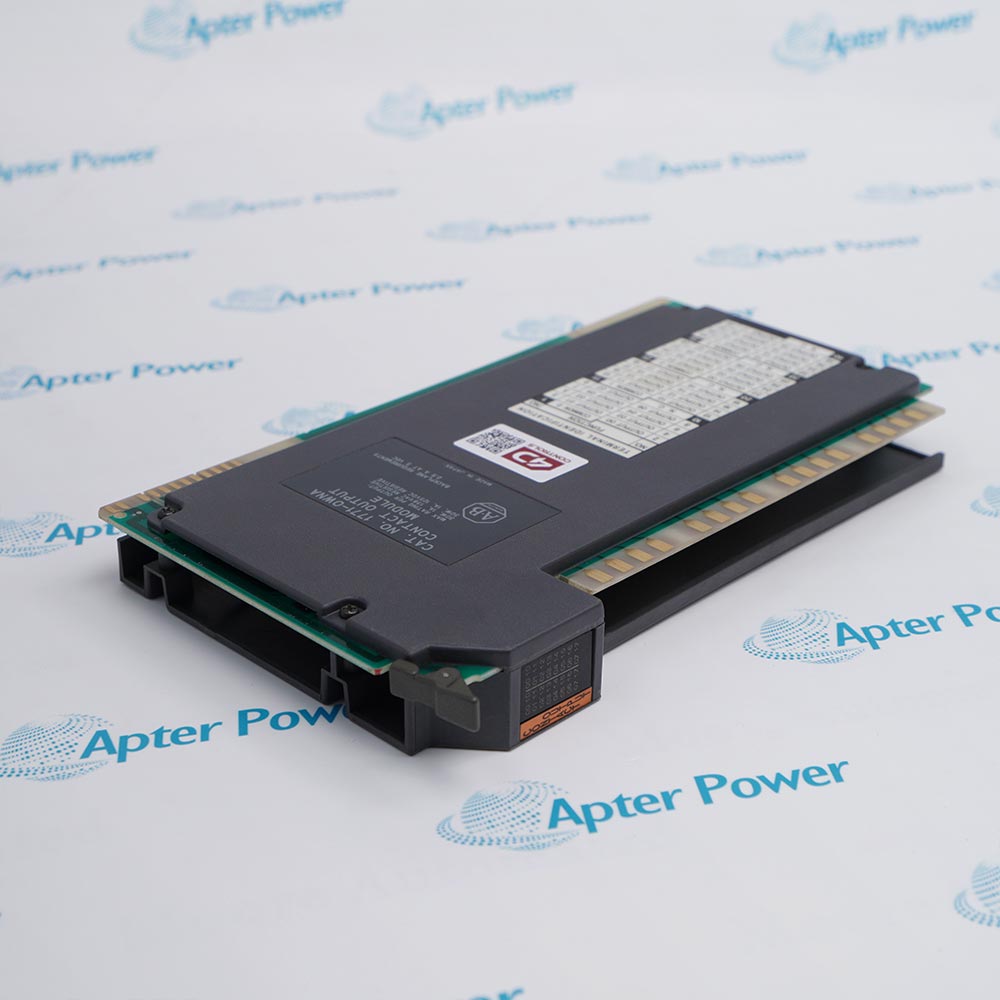
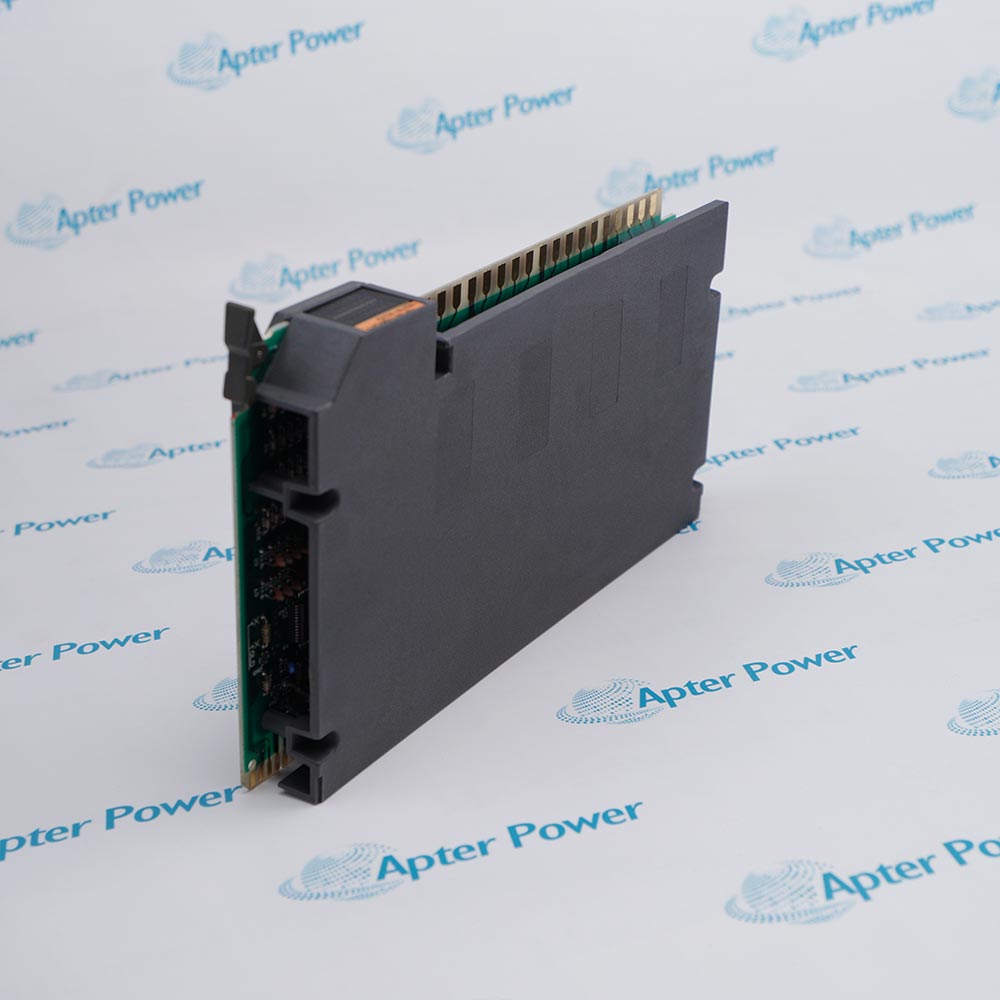
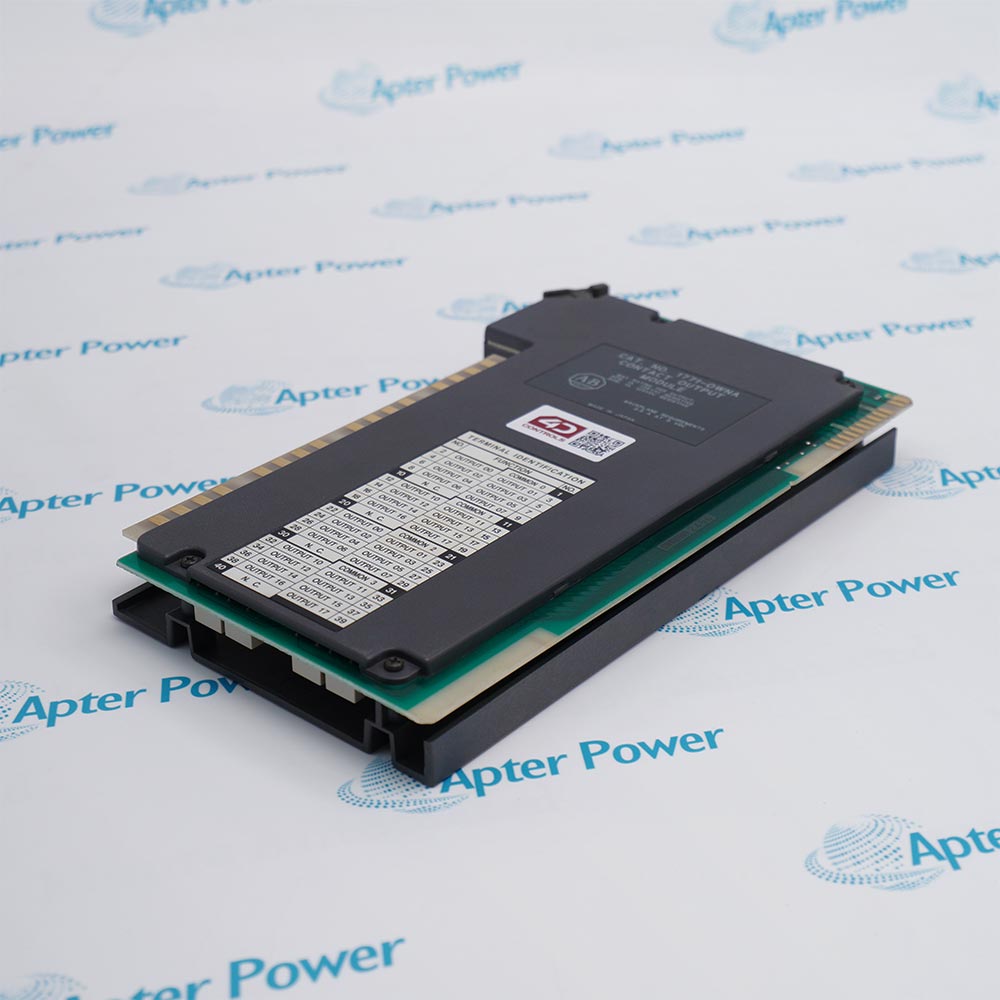
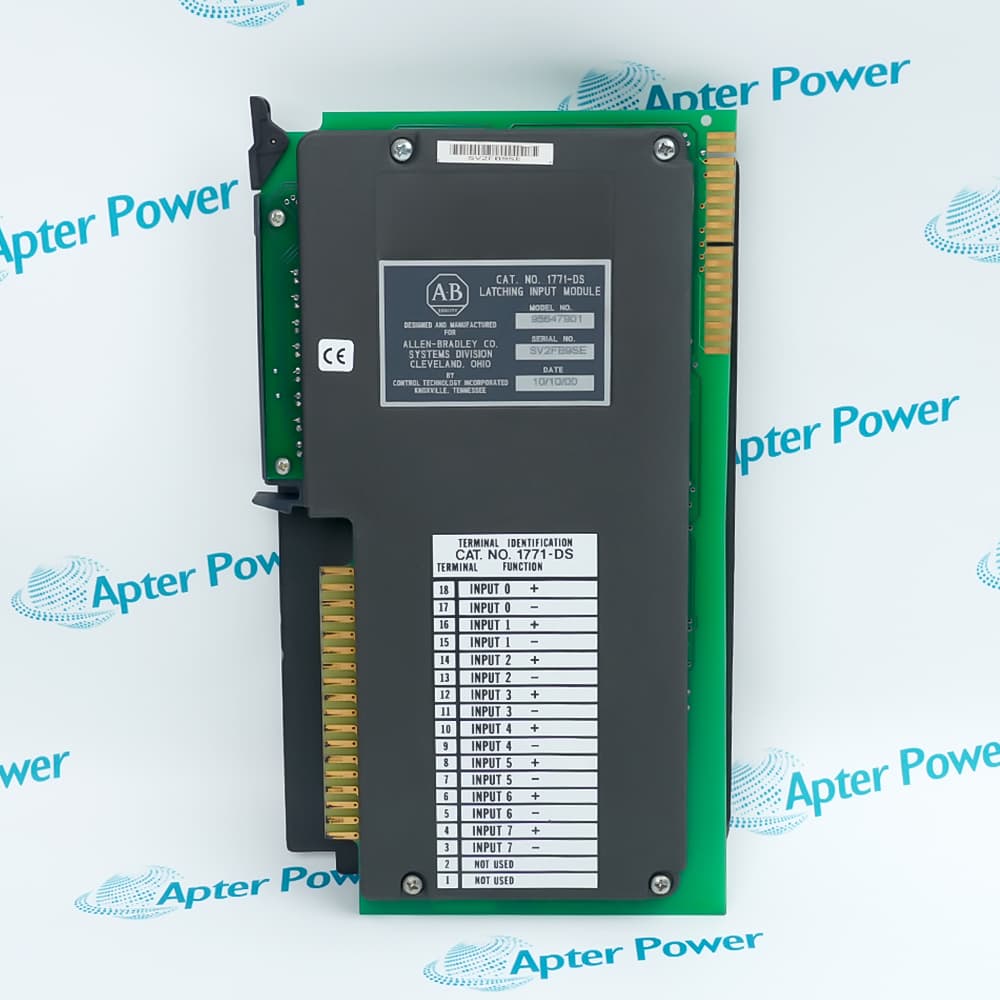
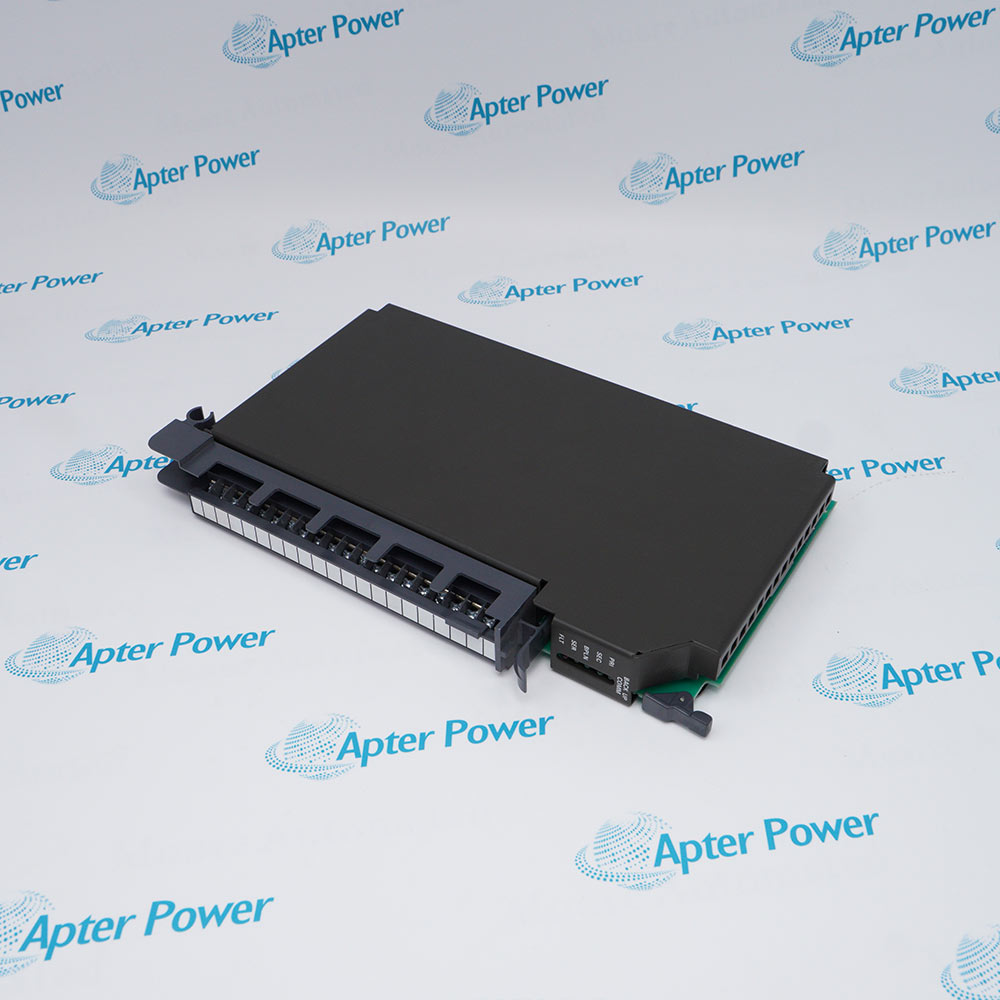
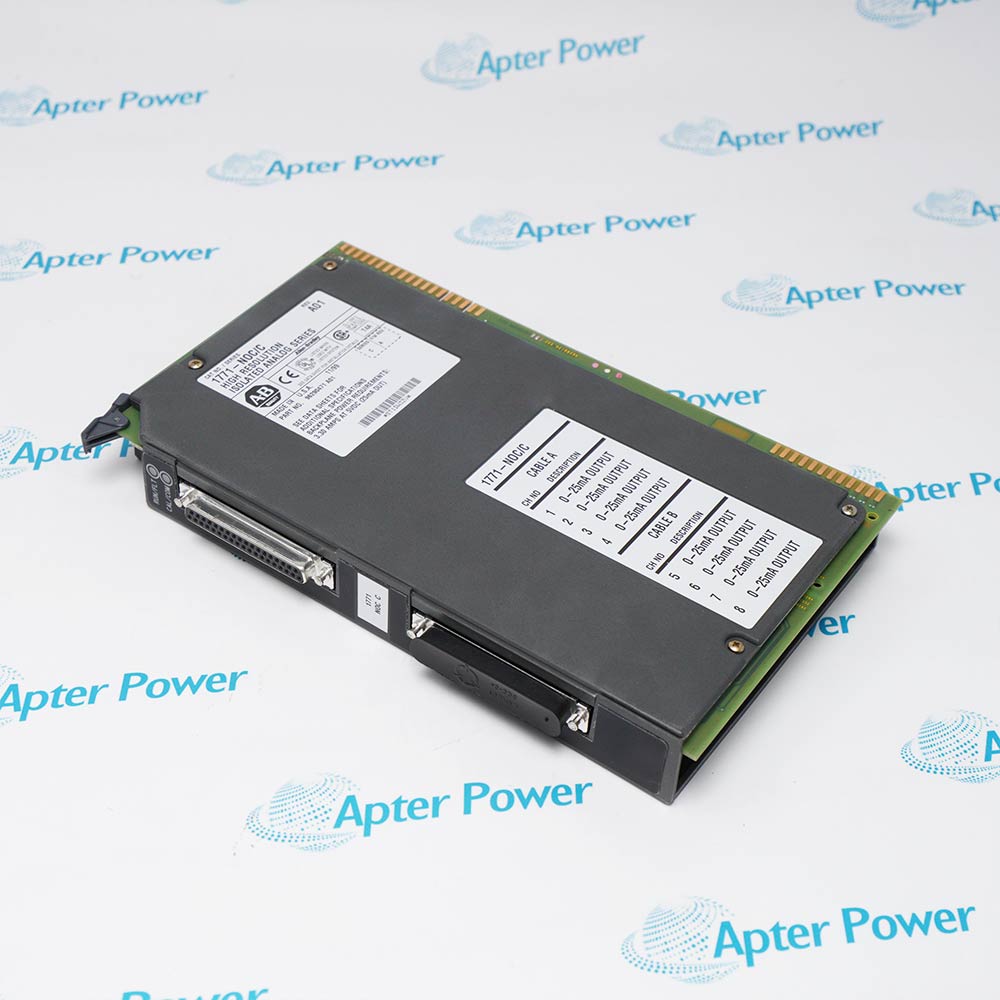
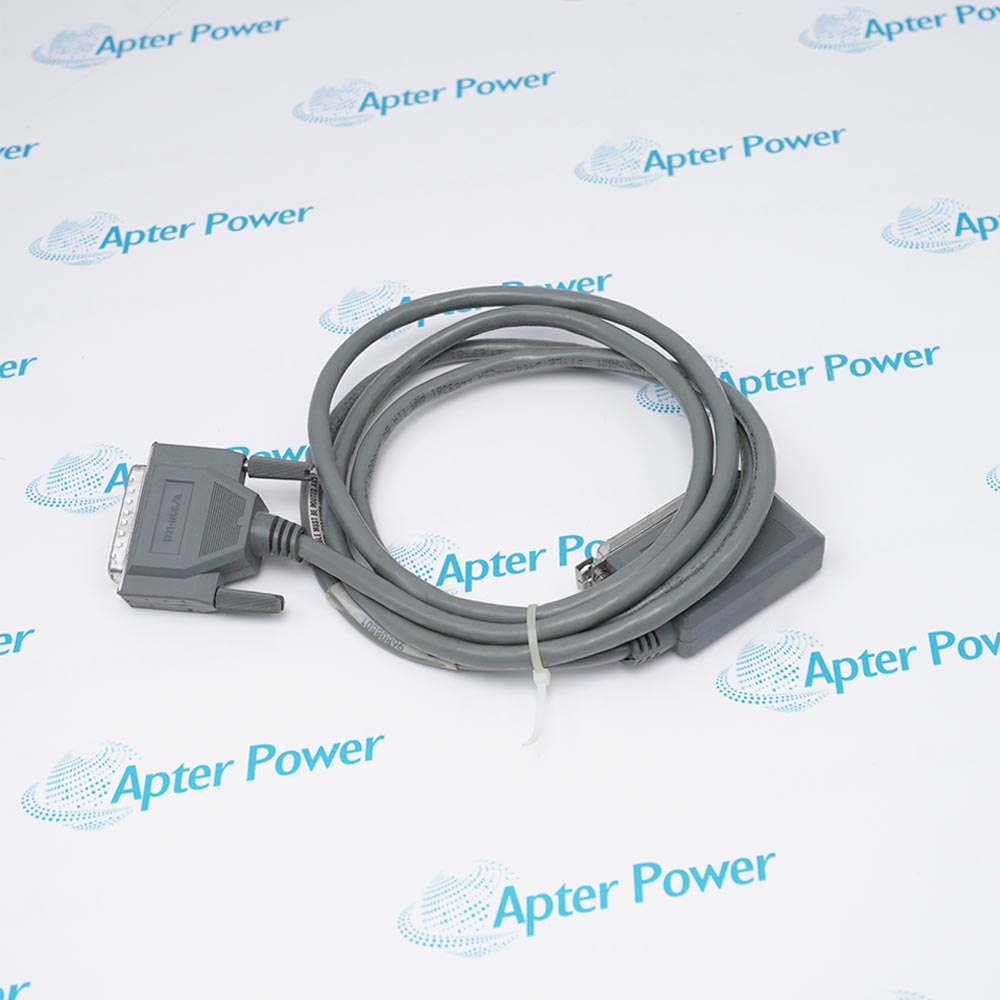
Features:
- 32 relay outputs grouped in fours provide flexible multi-load control with independent commons.
- High isolation ratings enhance system protection and prevent cross-circuit interference.
- Backplane-powered relay coils simplify wiring and reduce external power requirements.
Allen-Bradley 1771-OWNA plays a critical role in industrial automation systems where reliable switching of field devices is required. With 32 outputs available in a single module, it enables efficient control of multiple actuators, indicators, or other resistive loads. The grouping of outputs allows organized wiring and simplifies maintenance. Industrial environments benefit from its robust construction and stable electrical characteristics. Integration into 1771 chassis systems ensures compatibility with legacy and existing control architectures. This makes Allen-Bradley 1771-OWNA a practical solution for system upgrades or expansions.
Operationally, Allen-Bradley 1771-OWNA relies on electromechanical relays to provide flexible switching for both AC and DC circuits. Each output can function in either sinking or sourcing configurations depending on the connected load. The module maintains consistent performance through controlled switching speeds and defined response times. Electrical isolation between channels adds a layer of protection, reducing the impact of faults. The absence of surge suppression emphasizes the importance of correct load selection. When used within specified parameters, the module delivers dependable switching performance.
From an application standpoint, Allen-Bradley 1771-OWNA is well-suited for control panels, process automation systems, and manufacturing lines requiring discrete output control. Its compatibility with long interconnect cable lengths supports distributed installations. The wiring arm design allows quick replacement without disturbing field connections, minimizing downtime. Environmental tolerance ensures stable operation across a range of industrial conditions. Proper handling and installation further extend service life. Allen-Bradley 1771-OWNA remains a reliable choice for systems that demand consistent relay-based output control.
The 1771-OWNA Allen-Bradley Contact Output Module may still be available for purchase and support from Apter Power beyond End-Of-Life (EOL) by the manufacturer (OEM).
Allen-Bradley 1771-OWNA Contact Output Module Manuals,Datasheets,Link
Important Notice: Other accessories, manuals, cables, calibration data, software, etc. are not included with this equipment unless listed in the above stock item description. All prices are shown in USD.
Allen-Bradley 1771-OWNA Contact Output Module Specs
General
- Manufacturer Allen-Bradley
- Model 1771-OWNA
- Condition New Original ready stock
- Product Family 1771-OW,1771-OW16,1771-OWN
Important Notice: Other accessories, manuals, cables, calibration data, software, etc. are not included with this equipment unless listed in the above stock item description. All prices are shown in USD.
- System Integration: Used in industrial control systems (such as the Allen-Bradley PLC-5 architecture) as a standard digital contact output interface unit.
- Low Impedance Circuit: Suitable for switching purely resistive loads or low-power circuits with extremely high impedance requirements.
- Indirect Drive: Can be used to drive external AC input indicator modules or intermediate relay circuits, indirectly controlling indicator lights and small motor starters.
- Multi-channel Isolation: Commonly deployed in automated production line control cabinets requiring multiple independent signal isolation outputs.
- Status Check: The module's front panel is equipped with multiple status indicator lights for quick on-site troubleshooting of the physical contact's continuity.
- Logic Identification: By reading the logic status indicators on the backplane and system control side, the normality of each output channel's signal output can be visually identified.
- Real-time Capture: Combined with the controller diagnostic program, abnormal channel communication between the backplane logic side and external field wiring arms can be captured in real time.
- Wiring Location: During the commissioning phase, open circuits or wiring errors can be located by activating logic outputs one by one and observing on-site hardware feedback.
- Power-off Safety: The module design requires users to disconnect all power to the backplane and wiring arms before installing, disassembling, or replacing peripheral hardware in the field to prevent equipment damage or operator injury.
- External Surge Protection: Since this hardware does not have built-in surge limiting circuitry, external isolation is strongly recommended, and it should not be used directly with inductive or capacitive loads to extend its physical lifespan.
- Explosion-proof Compliance: When connecting it to hazardous areas containing flammable or explosive gases, strict adherence to hazardous location approval regulations is mandatory to avoid generating electrical sparks from live plugging and unplugging.
- Current Limits: Wiring design requires careful planning of all peripheral channels to ensure that even with multiple channels operating simultaneously, the total cumulative load current of the entire module never exceeds the safety limits.