Fast Quote
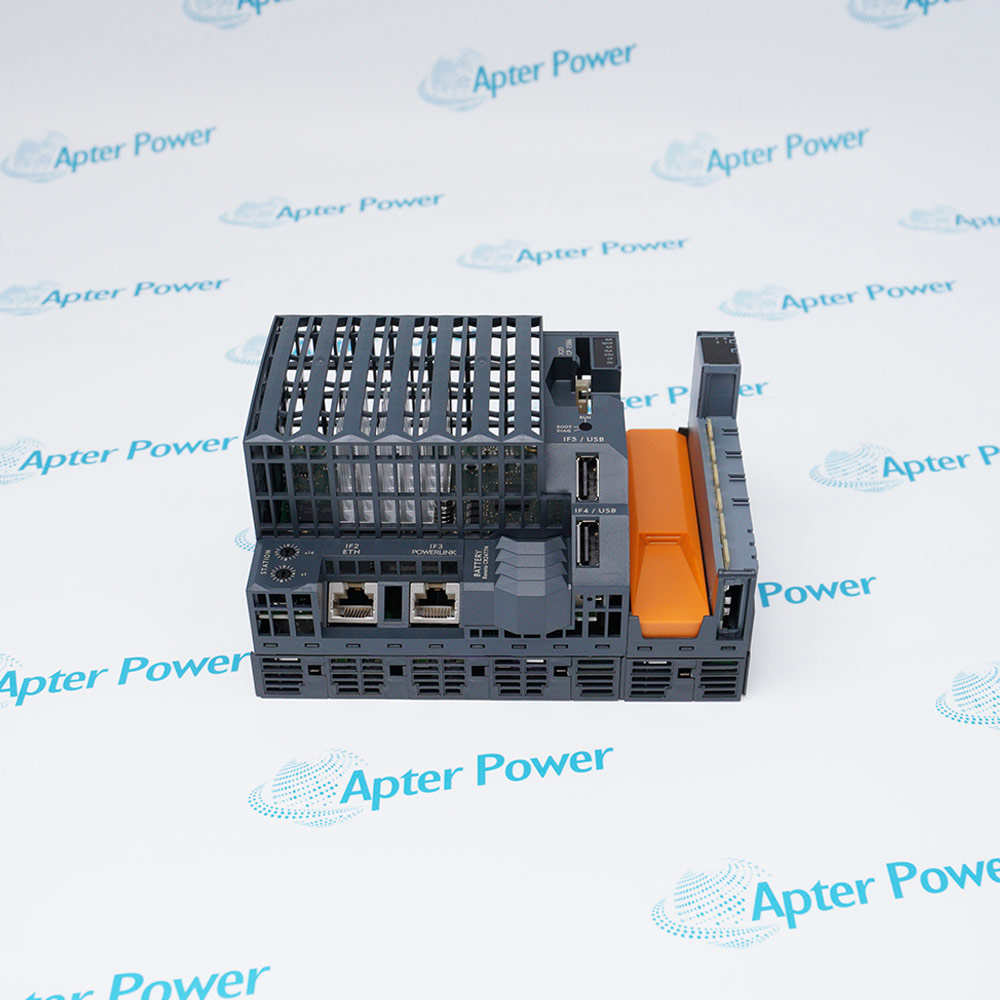
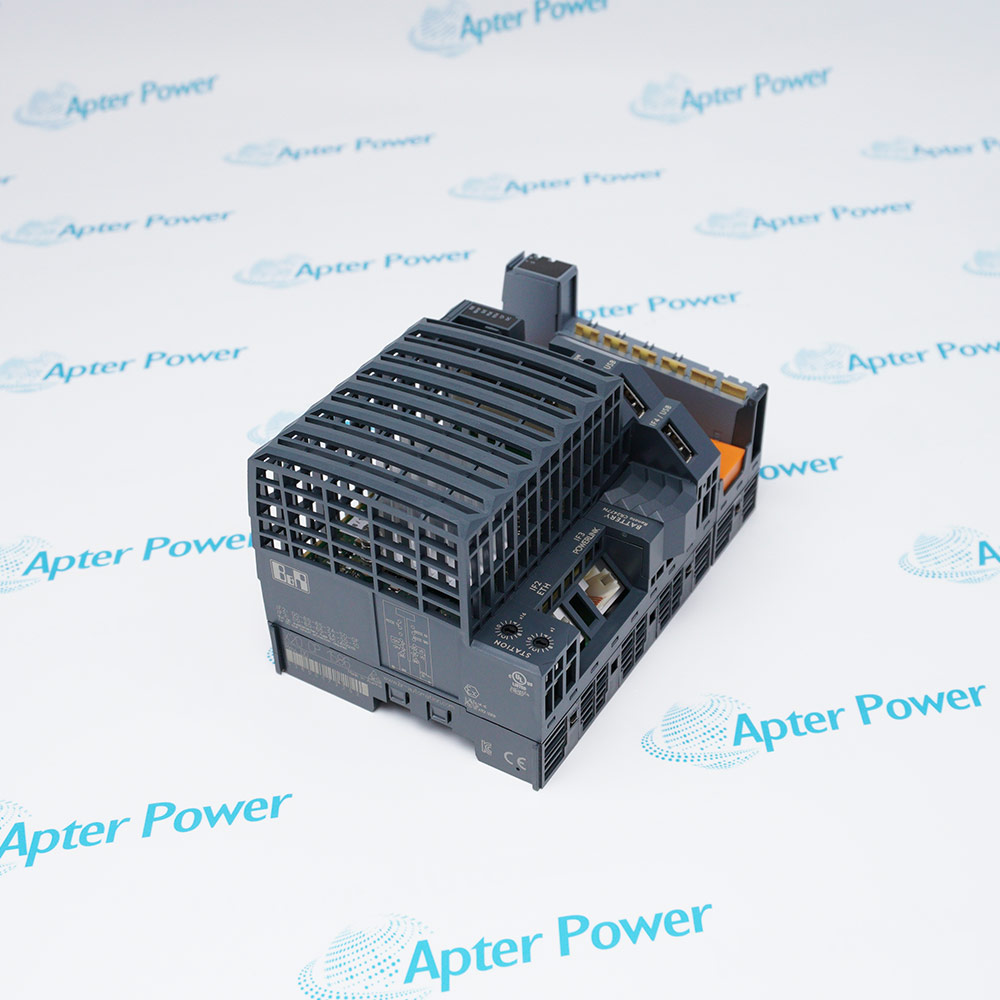
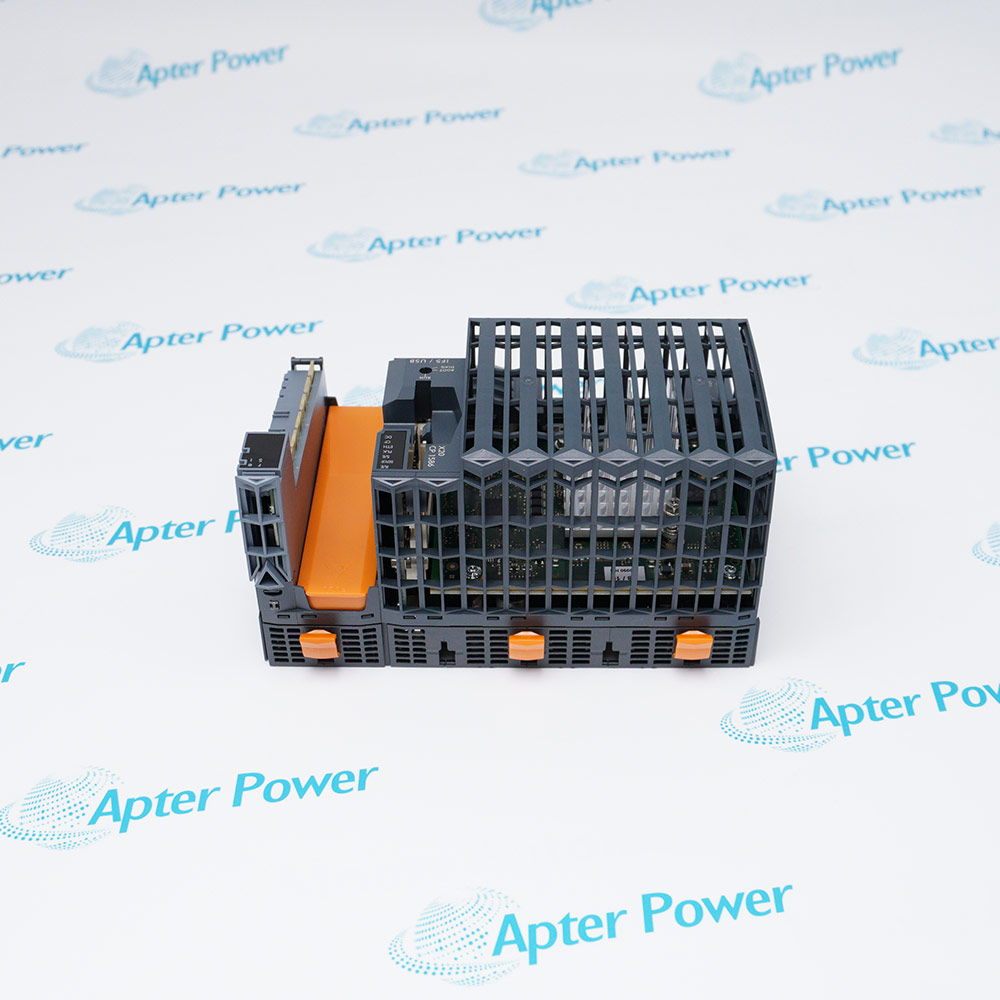

X20CP1586 is a B&R X20 System PLC CPU for applications requiring short cycle times and high-volume data processing.
It combines a 1.6 GHz Intel Atom processor, 512 MB DDR2 SDRAM, Gigabit Ethernet, POWERLINK, USB, RS232, X2X Link, a modular interface slot, and CompactFlash application storage.
Before installation or replacement, verify the complete material number, Automation Runtime and project compatibility, CompactFlash image, interface module, network settings, 24 V DC supply, X20 power segmentation, mounting orientation, and backups.
B&R X20CP1586 Programmable Logic Controller CPU Manuals, Datasheets, Links
 B&R X20CP1586 DatasheetBrowse B&R Product ListingsReview Apter Power Service and Support Information
Important Notice: Other accessories, manuals, cables, calibration data, software, etc. are not included with this equipment unless listed in the above stock item description. All prices are shown in USD.


APTER.COM is an official website owned and operated by Apter Power Limited.All rights reserved.
Apter Power is not an authorized distributor or representative of the manufacturers featured on this website.All brand names and trademarks are the property of their respective owners.