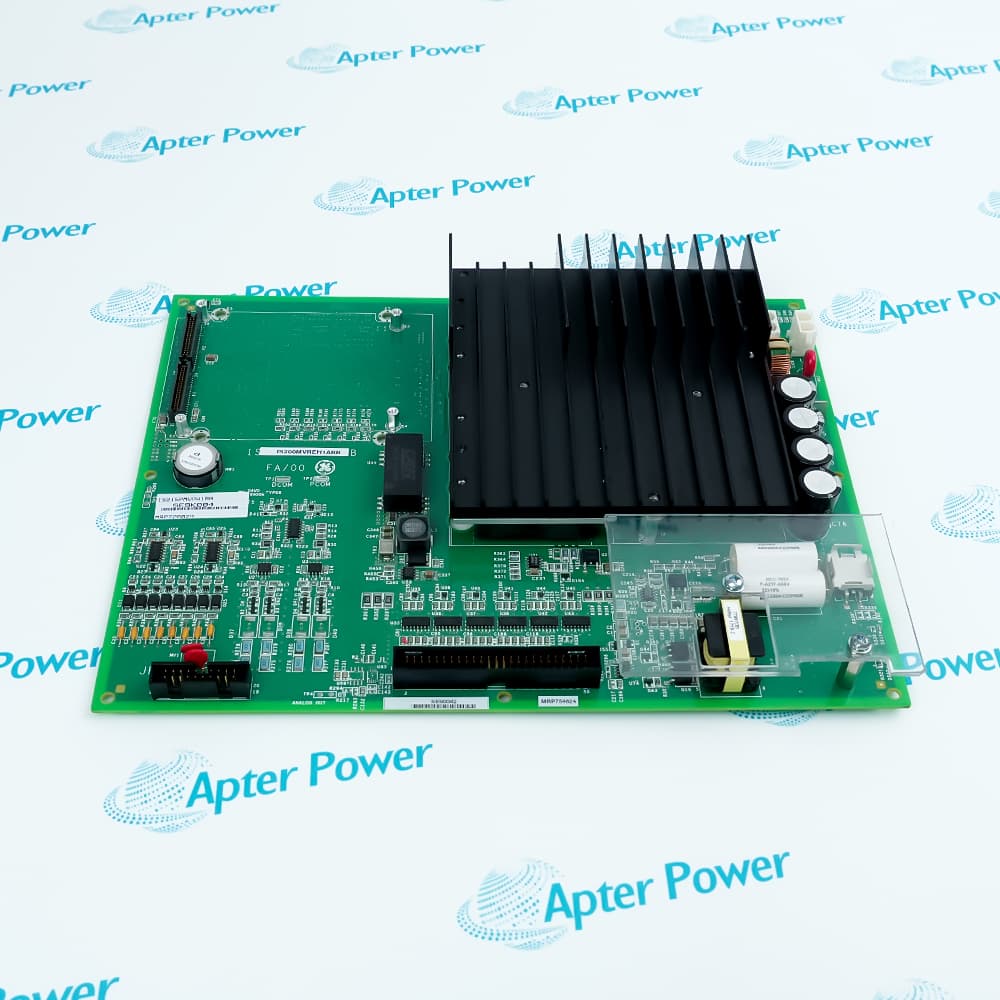
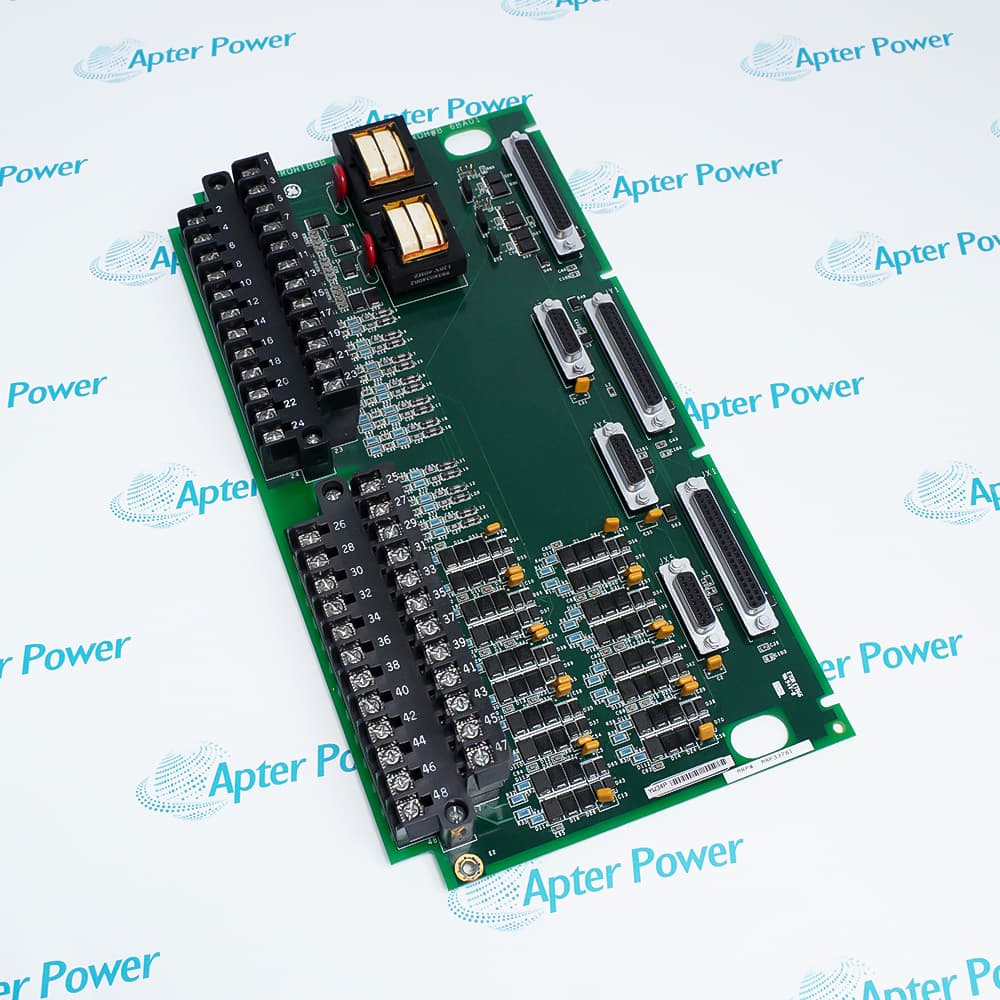
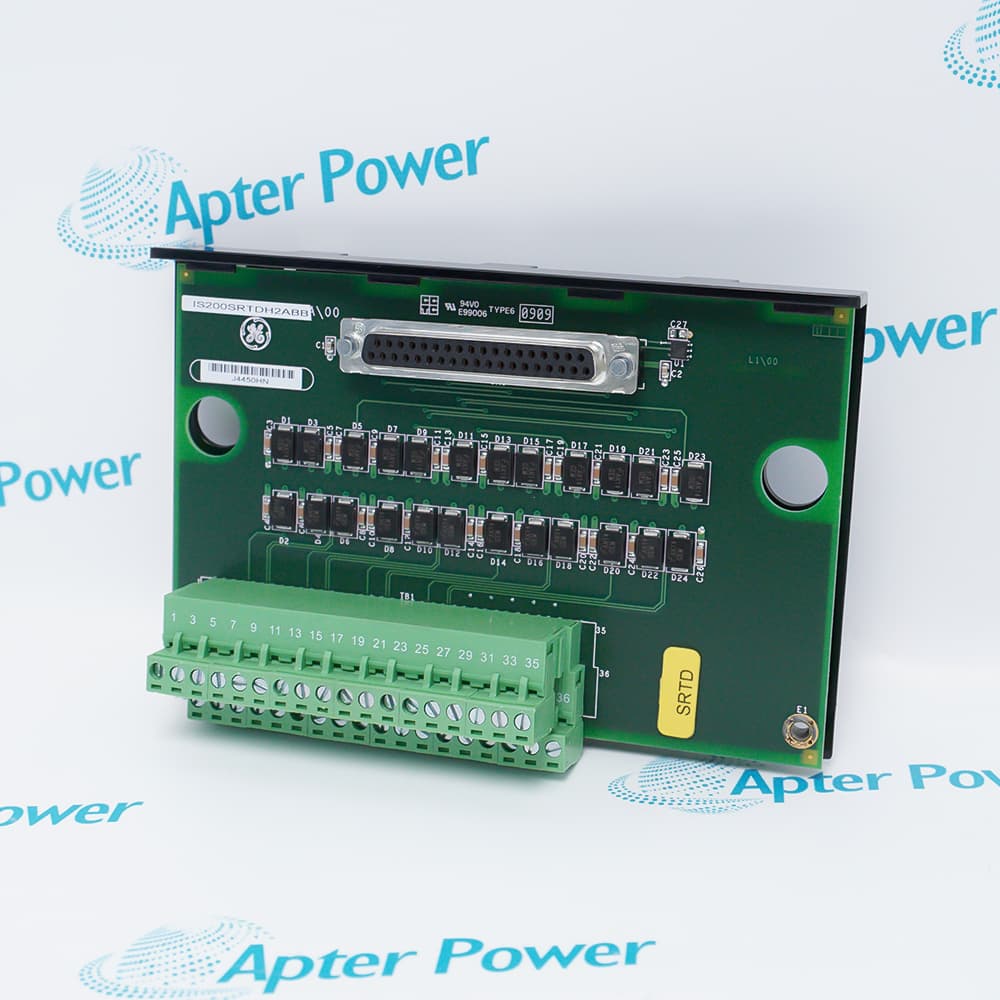
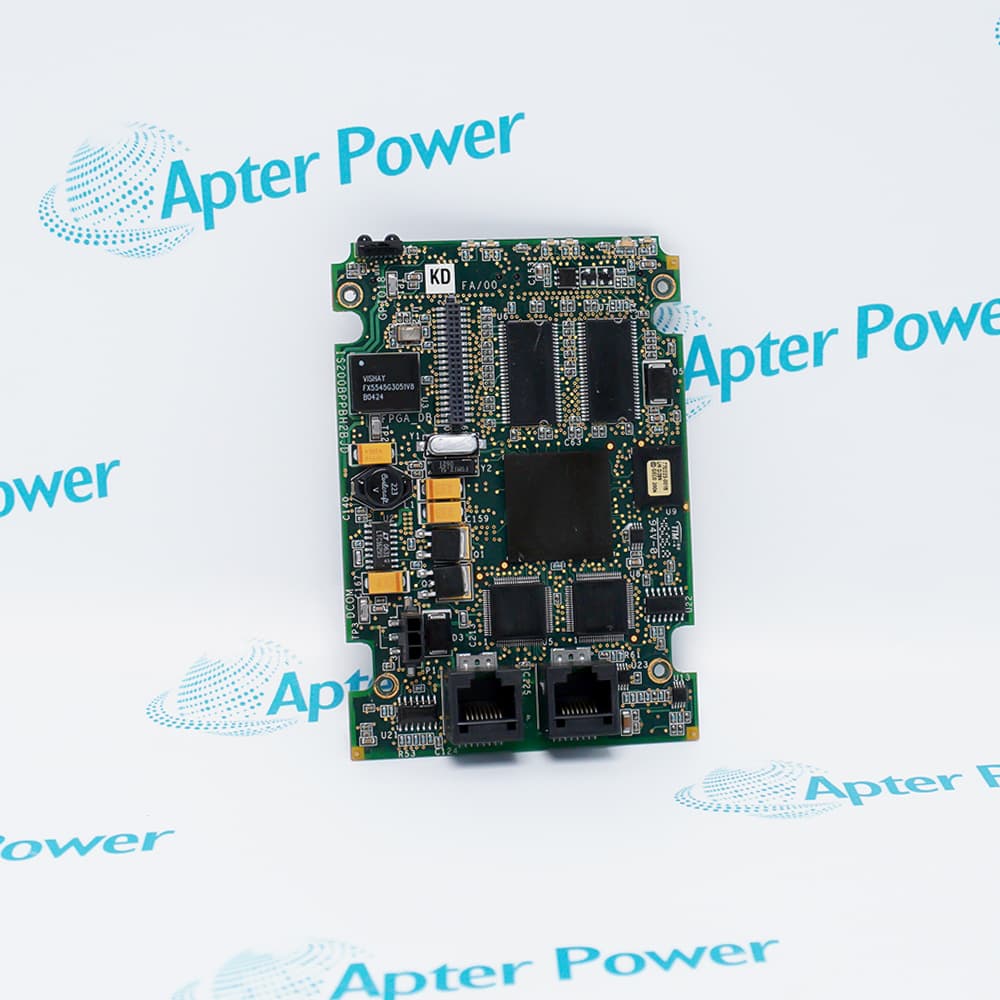
Ask our team:
  • Phone: +86 181 0690 9650
  • E-Mail sales1@apterpower.com
  • Lifecycle status

    Discontinued / Obsolete by OEM
    For IS200TTURH1B sourcing assistance and applicable General Electric technical documentation, contact Apter Power.

IS200TTURH1B

/ 4.9
1001 reviews | Need a Specific Revision?
General Electric IS200TTURH1B is a Mark VI turbine terminal board that interfaces shaft-speed, generator-voltage, breaker, and turbine-protection circuits with the VTUR I/O board.
In Stock
Ships by Wednesday, October 28
Fast Shipping Available
Get a quick price for IS200TTURH1B
Quantity
*E-mail
Company
*Mobile
*Content
Upload (gif, jpg, jpeg, png, bmp, doc, docx, xls, xlsx, ppt, pdf, csv)

Technical specifications for IS200TTURH1B

  • Manufacturer:
    General Electric
  • Part Number:
    IS200TTURH1B
  • Product Family:
    GE Mark VI Gas Turbine Control
  • Product Type:
    Turbine Terminal Board
  • Stock:
    1
  • Associated I/O Board:
    VTUR
  • Primary Protection Signal:
    Shaft-speed input path
  • Speed Inputs:
    4 magnetic-pickup pulse-rate channels
  • Potential Transformer Inputs:
    2 generator and bus voltage channels
  • Breaker Interface:
    1 breaker circuit
  • Flame Detector Inputs:
    8 Geiger-Mueller channels
  • Supported Redundancy:
    TMR and simplex
  • Tariff Code:
    8538900000
  • Country of origin:
    USA
  • Place of shipment:
    Xiamen,Fujian,China
By purchasing this item, you agree to the Terms & Conditions, ApterPower is not an authorized distributor for listed manufacturers or tradenames and therefore the manufacturer's warranty does not apply. All our products come with ApterPower's 1-year warranty.

More Information

Overview Manuals VTUR Integration Speed & Synchronization Fault Tracing Product Applications

Features:

  • Routes magnetic-pickup shaft-speed signals to the Mark VI VTUR I/O board.
  • Terminates generator-voltage, bus-voltage, and breaker circuits used by synchronization functions.
  • Supports the board-to-rack connector arrangements required for simplex and TMR systems.
IS200TTURH1B is the field boundary through which VTUR receives turbine speed and the voltage references needed for generator synchronization.

Its breaker-related terminals carry the control and status paths associated with the synchronization sequence rather than servo or general-purpose relay loads.

In TMR installations the terminal signals are distributed across the three control racks; simplex installations use the corresponding single-control arrangement.

Quotation and availability support for General Electric IS200TTURH1B Turbine Terminal Board is available through Apter Power.
General Electric IS200TTURH1B Turbine Terminal Board Manuals, Datasheets, Links Important Notice: Other accessories, manuals, cables, calibration data, software, etc. are not included with this equipment unless listed in the above stock item description. All prices are shown in USD.

Evidence needed to match IS200TTURH1B with VTUR

  • Complete code: Confirm the H1B suffix against the cabinet record before comparing another TTUR variant.
  • I/O association: Trace the installed cables to the correct VTUR board and record every connector position before removal.
  • Redundancy layout: Identify whether the field circuits are shared, simplex, or replicated for TMR so the maintenance isolation matches the real wiring.
  • Customer terminations: Reconcile pickup, PT, breaker, and flame-detector conductors with the approved terminal schedule.

Using IS200TTURH1B signals during synchronization checks

  • Simplex speed: Up to four pulse-rate signals can be compared to determine whether a dropout follows one pickup or appears after the terminal board.
  • TMR speed: The full board supports twelve passive pickup inputs distributed across the three control-rack paths.
  • Voltage comparison: Treat generator and bus potential-transformer inputs as separate sources when investigating a synchronizing mismatch.
  • Breaker state: Verify the physical 52G circuit and its returned indication when the permissive is present but the breaker does not respond.

Tracing IS200TTURH1B symptoms without disturbing good channels

  • Intermittent speed: Inspect the pickup gap and cable first, then compare the signal at the terminal and VTUR channel.
  • Correct speed but failed synchronization: Move the investigation to generator PT, bus PT, breaker feedback, and permissive logic.
  • Multiple indications disappear: Look for a shared termination, common cable, or supply problem before replacing several independent devices.
  • Post-service proof: Exercise only the disturbed circuits and confirm their normal controller indications under the approved turbine procedure.

Operational roles supported through IS200TTURH1B

  • Speed supervision: Magnetic-pickup inputs support turbine-speed observation used by the VTUR path.
  • Generator synchronization: Generator voltage, bus voltage, and breaker circuits provide the field information needed around a closing sequence.
  • Flame monitoring: The terminal board also receives the documented Geiger-Mueller detector circuits, which must remain separate from speed troubleshooting.
  • Cabinet implementation: Final use depends on the Mark VI drawings that assign these functions in simplex or TMR form.
Description
General Electric IS200TTURH1B Turbine Terminal Board is the Mark VI field-termination interface for VTUR turbine-control I/O.

Magnetic-pickup circuits connected to IS200TTURH1B provide shaft-speed signals used by the VTUR protection and speed-measurement functions.

The board also terminates generator and bus potential-transformer inputs together with breaker-related circuits used for automatic synchronization and breaker control.

IS200TTURH1B supports the connector arrangements used in simplex and TMR Mark VI systems, placing speed, voltage, synchronization, and breaker signals at one defined turbine terminal interface.
Alternative Names
IS200-TTUR-H1B IS 200 TTUR H1B GE IS200TTURH1B GE Mark VI IS200TTURH1B IS200TTUR H1B IS2O0TTURH1B IS200TTURHIB IS200TTURH18
Technical notes
IS200TTURH1B shares field signals across protection paths. Confirm VTUR connections, customer wiring, and safe maintenance coverage before removal.
Exceptional Service

Our Mission

  • 100% Satisfaction

    We believe expertise is priceless. With over 20 years of experience, and top engineers on staff, we can help you solve or avoid problems that threaten your business.
  • Trust Guaranteed

    Not only do we have a vast inventory, our team makes sure every piece of equipment is in working condition. Your purchases are also backed by our Warranty.
  • Expertise

    Time is money, especially when your equipment is down. We work quickly to get your equipment on its way so you can get it back up and running.

FAQS

The following is a list of questions commonly asked by our customers. Please contact us if you have a question about our process that is not answered below.
What should be checked at IS200TTURH1B when the breaker-close command is present but 52G does not energize?
Inspect the IS200TTURH1B breaker path, including K25, K25P, and K25A operation, the 125 V dc supply, and the connected coil circuit before blaming the controller.
How can intermittent shaft speed at IS200TTURH1B be separated from a VTUR channel fault?
Trace the magnetic-pickup signal from the IS200TTURH1B field terminals through its VTUR connection, then compare redundant channel readings under the same turbine condition.
Why does online removal of IS200TTURH1B need more planning than a single-channel board swap?
IS200TTURH1B can distribute common customer signals to multiple controller channels, so disconnecting the shared termination may affect paths that appeared redundant in software.
Which records should be captured before transferring wiring from IS200TTURH1B?
Document the IS200TTURH1B terminal numbers, connector assignments, simplex or TMR arrangement, and baseline speed and voltage indications so the replacement can be checked against known conditions.
Can another TTUR board replace IS200TTURH1B merely because the connector positions look alike?
No; match the complete IS200TTURH1B catalog identity and the installed VTUR and field-circuit arrangement because visual similarity does not establish electrical compatibility.
When IS200TTURH1B shows turbine speed correctly but synchronization still fails, where should troubleshooting move next?
Check the generator-voltage, bus-voltage, and breaker-interface circuits terminated on IS200TTURH1B, since synchronization depends on those paths as well as speed.
What should be verified after installing IS200TTURH1B before returning breaker control to service?
Confirm IS200TTURH1B preserves the original terminal mapping, that all required breaker relays act together, and that redundant speed and voltage indications agree without new diagnostics.