Features:
- Provides high or low process alarm detection with a relay output, eliminating external alarm trip amplifiers.
- Prevents output chatter and allows stable control near the setpoint by configuring the reset point for the alarm.
- Can be set as either latching (requiring reset) or non-latching (auto-reset), adapting to different safety or operational requirements.
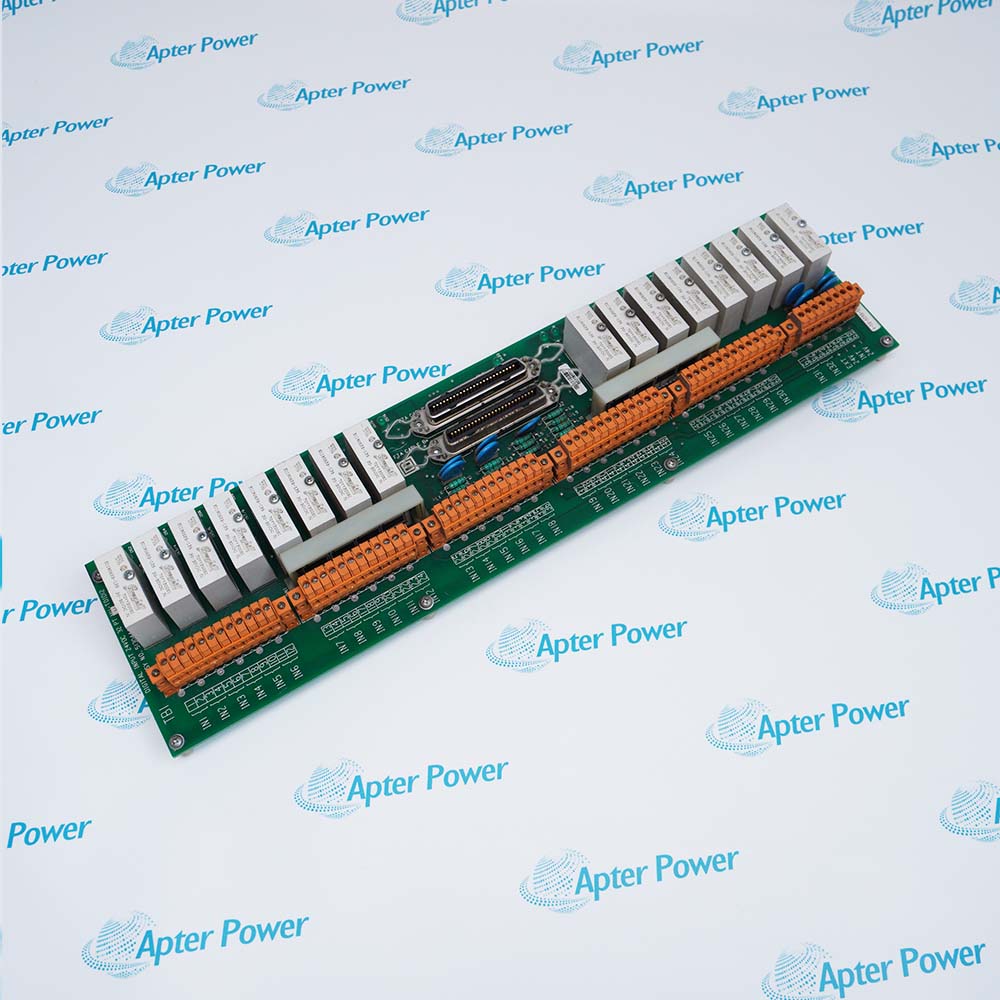
The Honeywell 51196041-100 serves as a dedicated alarm limit amplifier within the UDC controller’s backplane. Instead of using an external standalone alarm trip device (which requires its own power supply, housing, and wiring), this module integrates directly. It monitors a process signal and compares it to a user-defined setpoint. When a high-limit or low-limit condition occurs, an internal SPDT relay changes state.
A common problem in limit monitoring is relay chatter. If the process variable fluctuates slightly around the setpoint, an alarm without hysteresis will turn on and off rapidly. This can damage relays and create nuisance alarms. The Honeywell 51196041-100 solves this with an adjustable deadband (hysteresis) potentiometer. The engineer sets a reset point that is different from the trip point. For example, on a high-limit alarm, the relay might trip at 200°C but reset at 190°C. This gap ensures stable, single-switching behavior.
Different applications require different alarm reset behaviors. In a safety application (e.g., a high-pressure interlock), the alarm should remain active after the fault condition clears until an operator manually acknowledges it. In a simple indication application (e.g., a tank level reaching full), the alarm should automatically reset when the level drops. The Honeywell 51196041-100 supports both via internal jumpers. In latching mode, once the alarm trips, the relay stays in the alarm state even if the process returns to normal.
The 3500/15 106M1079-01 Bently Nevada Universal AC
Power Supply may still be available for purchase and support from Apter Power beyond
End-Of-Life (EOL)by the manufacturer (OEM).
Honeywell 51196041-100 Amplifier Module Manuals, Datasheets,Drivers,Link
Important Notice:Other accessories,manuals,cables,calibration data,software,etc.are not included with this equipment unless listed in the above stock item description.All prices are shown in USD.
Honeywell 51196041-100 Amplifier Module Specs
General
- Manufacturer Honeywell
- Model 51196041-100
- Condition New Original ready stock
- Product Family
51196041-101,51403642-100,51403640-100
Important Notice:Other accessories,manuals,cables,calibration data,software,etc.are not
included with this equipment unless listed in the above stock item description.All prices are
shown in USD.
- Oil Refineries and Petrochemical Plants: Distributing data traffic to various operator stations and controllers within complex control networks.
- Large Power Plants: Networking critical control equipment such as boilers and turbines.
- Pharmaceutical and Chemical Industries: Ensuring the stable transmission of highly sensitive monitoring data during production processes to the History Module.
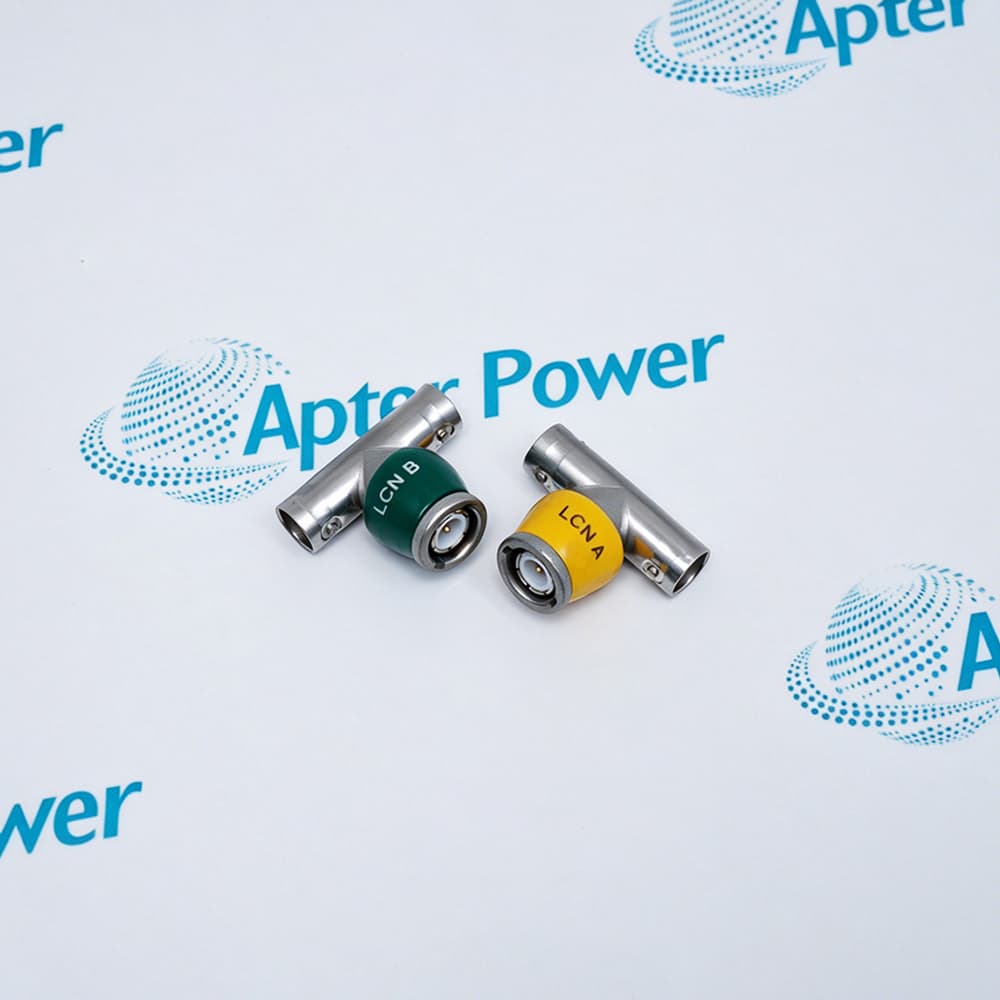
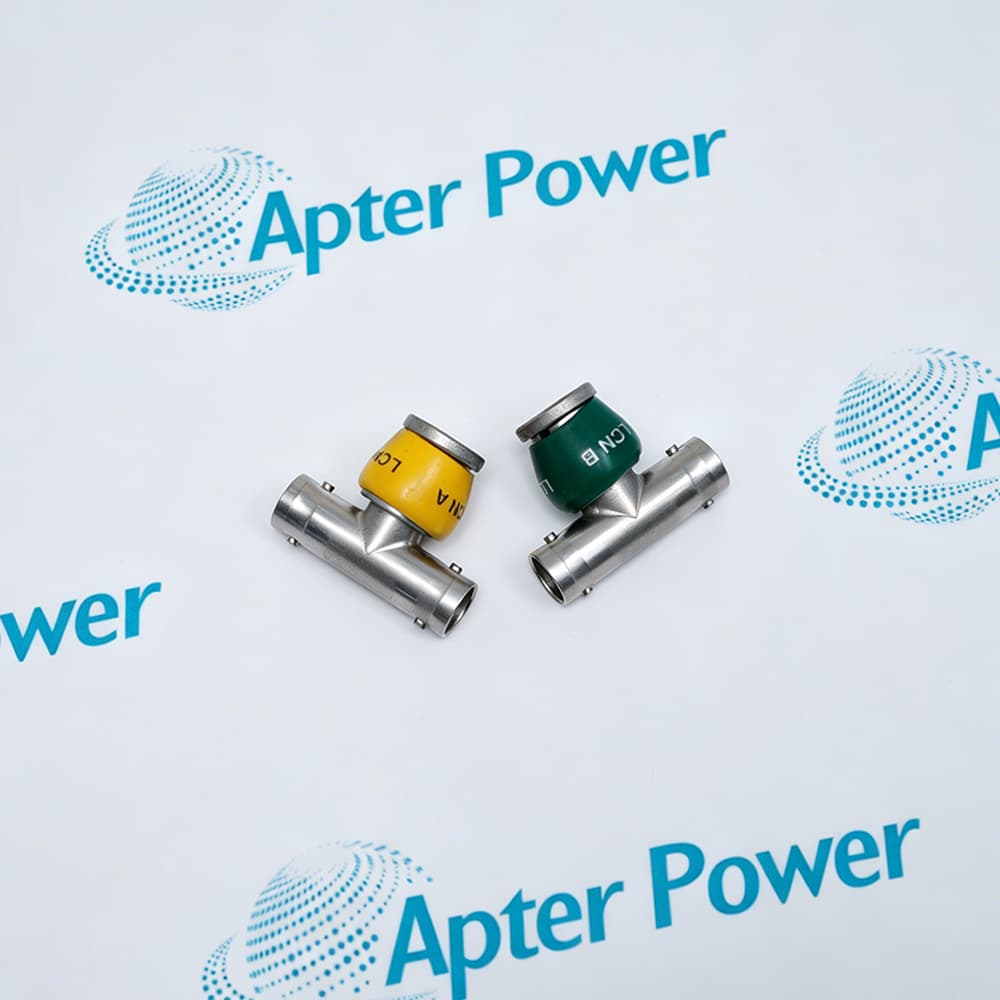
- Non-resistor Design: This T-connector is non-resistive, reducing signal attenuation and ensuring the full maintenance of 5 Mbps LCN network transmission rates.
- High-Reliability Connection: Employs an industrial-grade BNC interface with an anti-loosening mechanism to withstand minor vibrations in industrial environments, preventing system alarms caused by momentary communication interruptions.
- 8C Rating Conformal Protection: The surface features a conformal coating, maintaining good conductivity even in environments containing corrosive gases (such as hydrogen sulfide) or high humidity.
- Node Expansion and Branching: When adding new Universal Stations or Network Interface Modules (NIMs) to an existing LCN coaxial cable bus, this T-connector provides redundant connections between rails A and B.
- Network Maintenance and Spare Parts Replacement: As the TDC 3000 is a mature legacy system, this component is commonly used to replace connectors that have oxidized or aged due to long-term exposure to industrial environments, eliminating CRC errors or packet loss on the network.