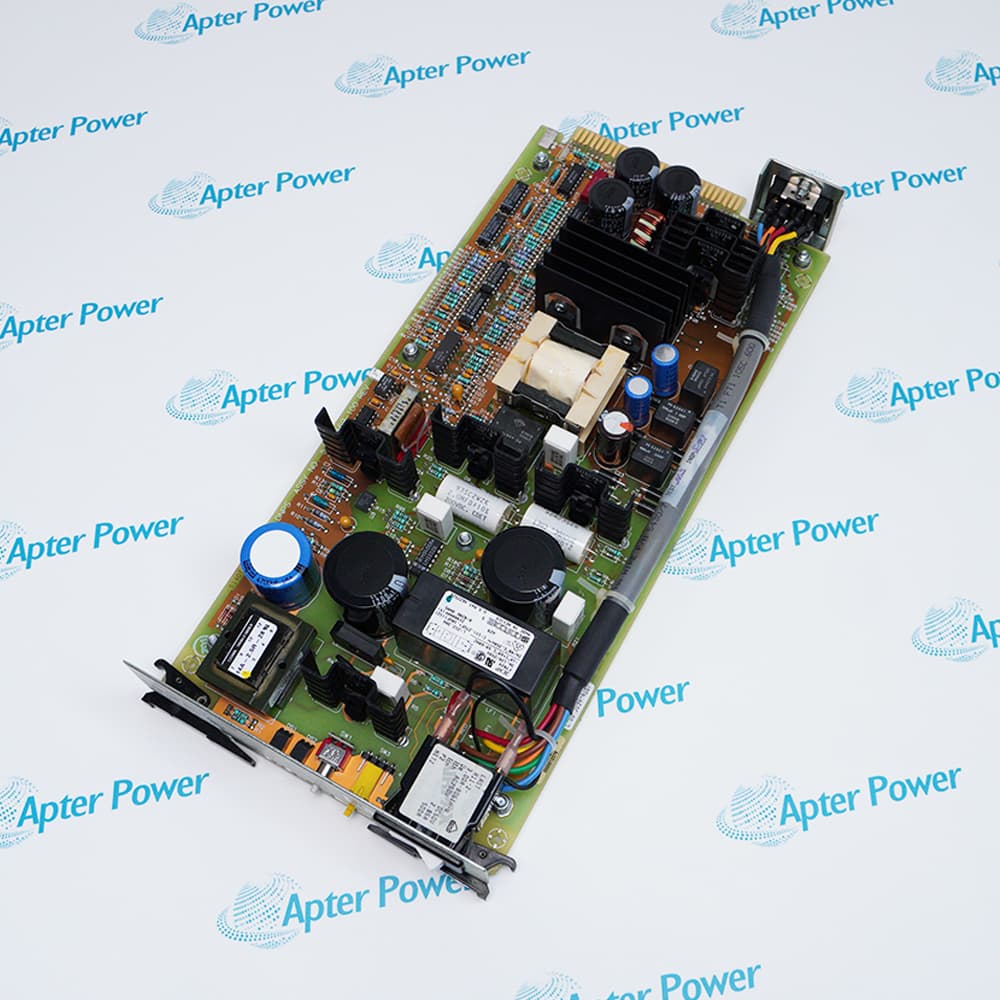
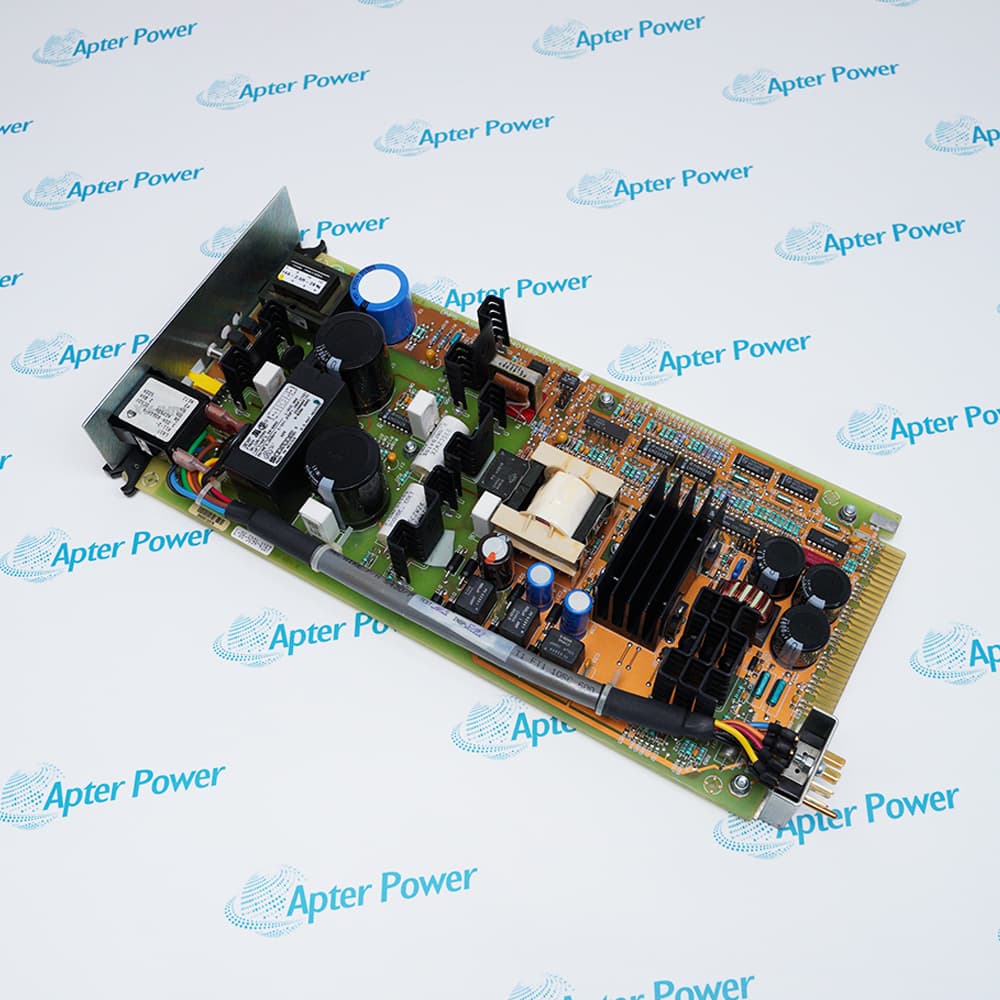
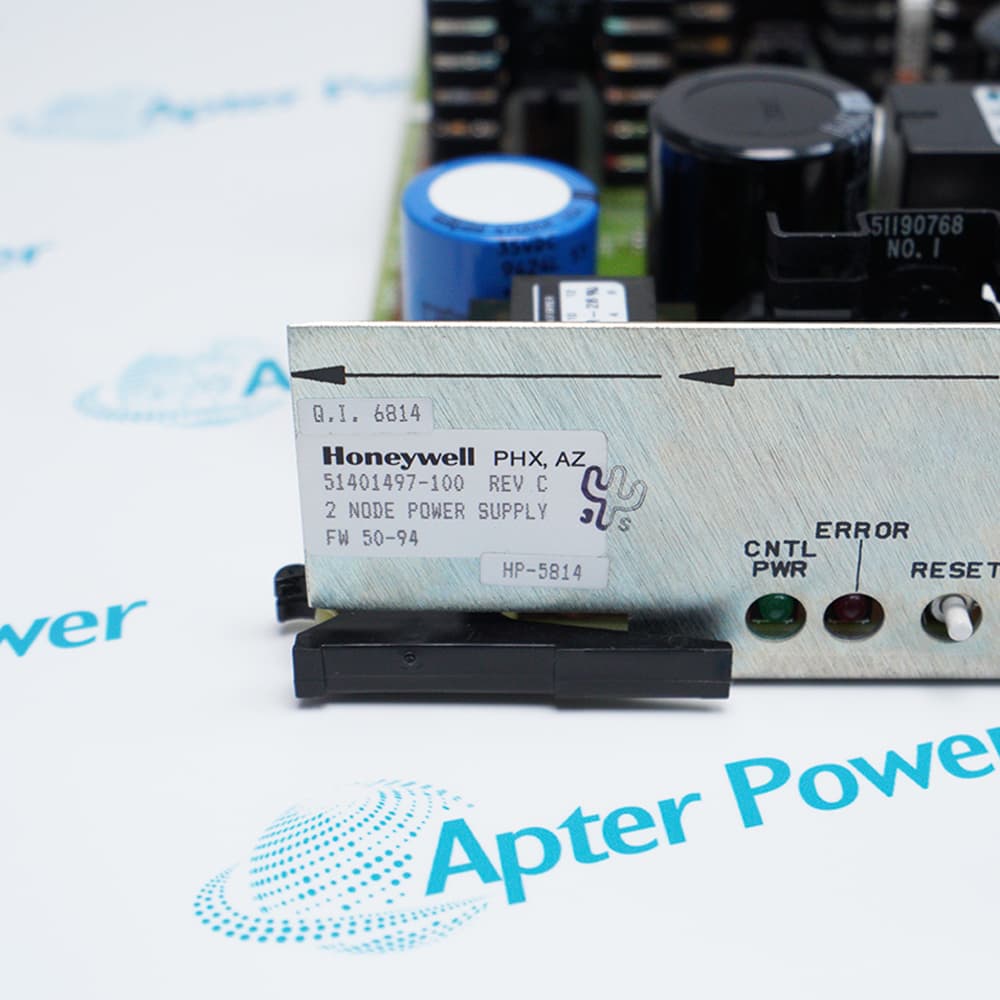
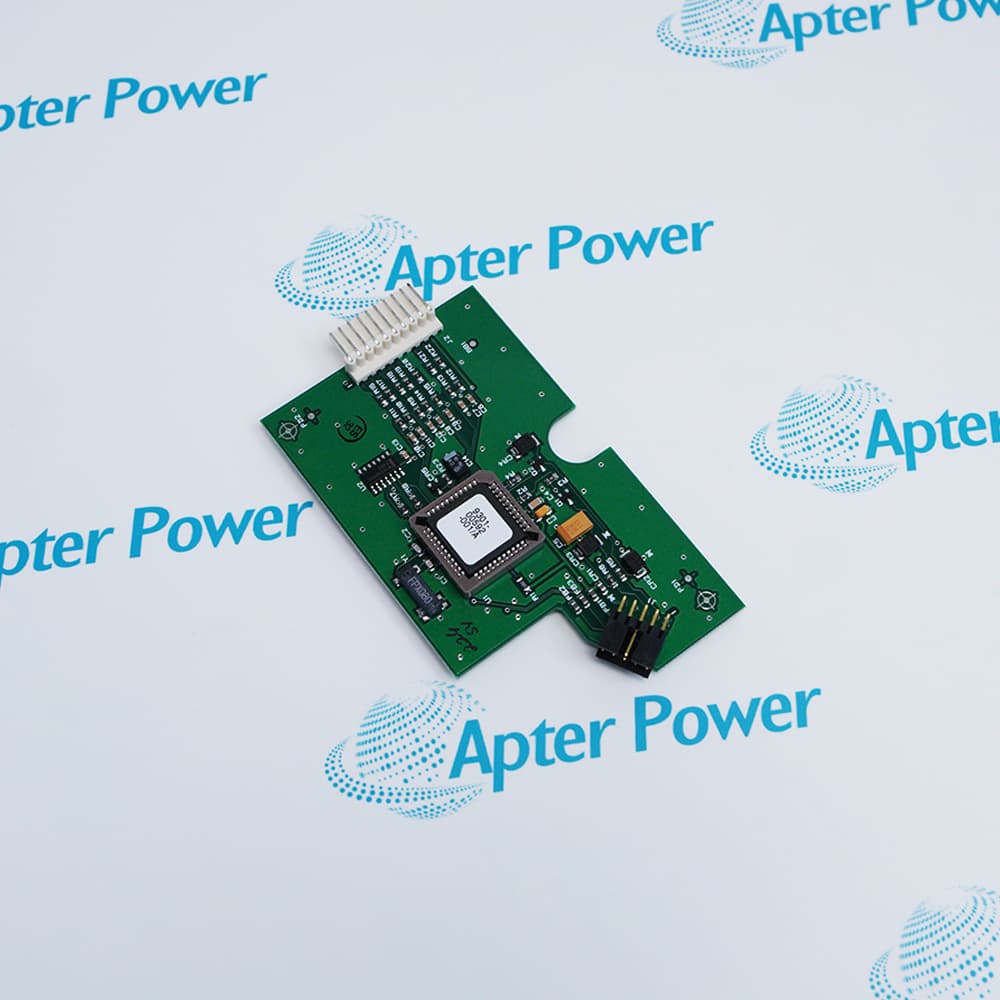
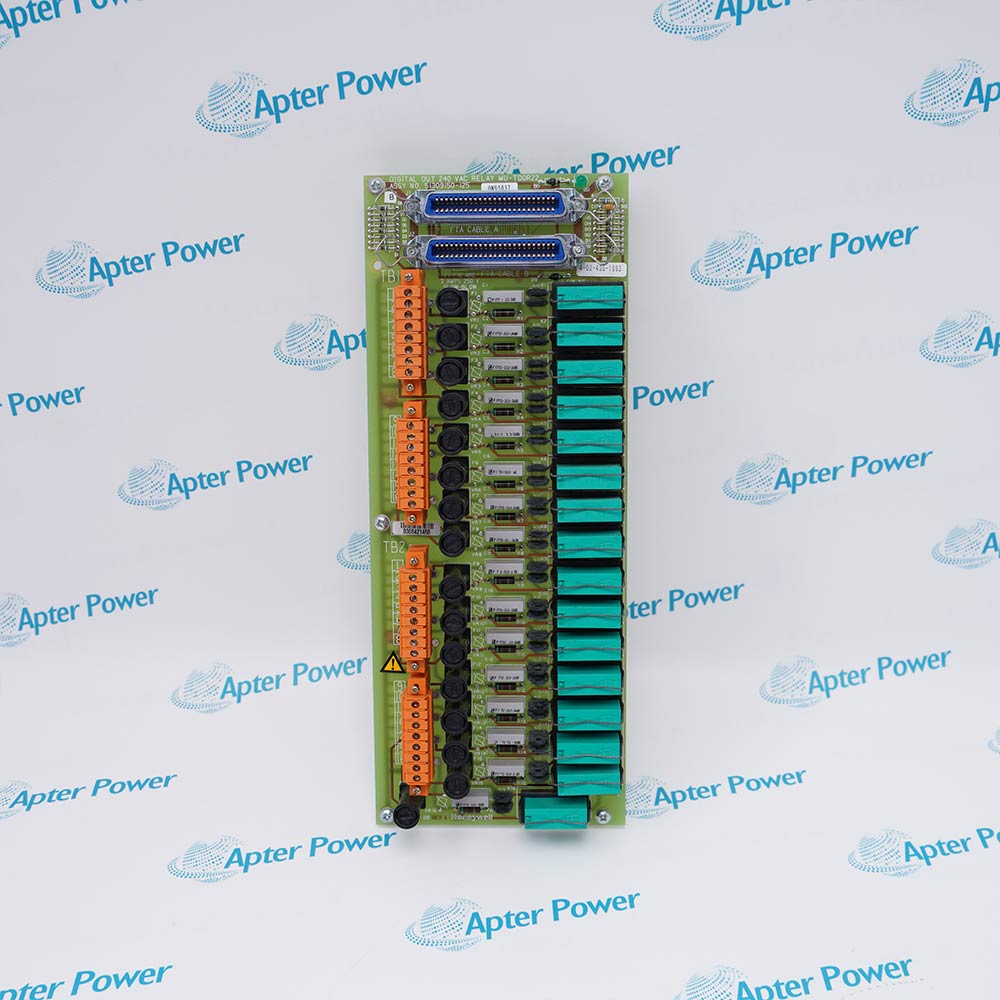
Features:
- Equipped with a 32-bit ARM processor, it executes complex PID loops, schedules, and Custom Algorithm Blocks (CAB) for precise building climate control.
- Integrates into modern Building Management Systems (BMS) via BACnet MS/TP (RS-485) and offers a path to BACnet/IP through a router.
- Engineered for reliability in mechanical rooms with a wide operating temperature range, IP65 protection, and non-volatile memory for program retention.
The 51401469-100 acts as the "brain" for zone or unit-level HVAC control. It utilizes a 32-bit ARM Cortex-M4 processor, enabling it to handle complex mathematical operations such as high-precision PID (Proportional-Integral-Derivative) loops and custom scheduling. This allows the controller to manage sophisticated air handling units (AHUs), heat pumps, or variable air volume (VAV) boxes more efficiently.
Communication is critical in building automation, and the 51401469-100 excels here by natively supporting the industry-standard BACnet protocol via an MS/TP (RS-485) network. This allows it to seamlessly talk to other field devices, operator workstations, or supervisory controllers (such as the Honeywell WEBs or Enterprise Building Integrator). By integrating via BACnet, the 51401469-100 ensures the building owner is not locked into a proprietary system, allowing for open interoperability with third-party systems.
Building automation equipment is often located in mechanical closets, boiler rooms, or even outdoor enclosures where temperatures can swing dramatically. The 51401469-100 is engineered to withstand harsh conditions, operating reliably in ambient temperatures ranging from -40°C to 70°C (-40°F to 158°F). Its IP65 protection rating means the unit is sealed against dust ingress and low-pressure water jets, making it suitable for wash-down areas or dusty environments.
Additionally, the controller features non-volatile flash memory.
The 51401469-100 Honeywell Controller may still be available for purchase and support from Apter Power beyond
End-Of-Life (EOL)by the manufacturer (OEM).
Honeywell 51401469-100 Controller Manuals,
Datasheets,Drivers,Link
Important Notice:Other accessories,manuals,cables,calibration data,software,etc.are not
included with this equipment unless listed in the above stock item description.All prices are
shown in USD.
Honeywell 51401469-100 Controller Specs
General
- Manufacturer Honeywell
- Model 51401469-100
- Condition New Original ready stock
- Product Family
51401469-120,51401469-140,51401469-150
Important Notice:Other accessories,manuals,cables,calibration data,software,etc.are not
included with this equipment unless listed in the above stock item description.All prices are
shown in USD.
- TDC 3000 / TPS System Racks: Mounted in system cabinets, providing a stable DC power supply for dual-node devices such as controllers or communication modules.
- Oil and Gas Refining: Supports redundant power architectures in environments requiring extremely high availability, ensuring uninterrupted power supply in the event of a single power failure.
- Pulp and Paper Industry: This model is often integrated with Measurex scanner systems for underlying power supply to quality control systems (QCS).
- No Software Updates Required: This hardware does not involve logic code execution, therefore no firmware upgrade is needed.
- Hardware Revision: Updates typically involve iterating hardware versions (e.g., from Rev. A to Rev. B). When replacing a hardware, ensure the new board's revision number is compatible with system requirements.
- Physical Maintenance: Although there are no firmware updates, the health of electrolytic capacitors needs to be checked after prolonged operation. This is considered a "physical update" in legacy system maintenance.
- Jumper Settings: Before installation, the jumpers on the board typically need to be configured according to rack requirements to determine the output voltage level or alarm feedback logic.
- Voltage Adjustment: This board features "Adjustable Voltage." Technicians need to use a multimeter in conjunction with the onboard potentiometer to accurately calibrate the output voltage (e.g., +5V, +12V, or -12V) under no-load or load conditions.
- Physical Positioning: Configuration work mainly involves correctly positioning the board in the system rack and ensuring proper connection to the backplane of the dual-node power module.
- Monitoring Integration: Although it cannot be programmed, its status is fed back to the Standard Node Service through dry contacts or system bus, allowing operators to see the power health status on the TPS or TDC 3000 operating interface.