RM1XA315
RM1XA315
RM1XA315
RM1XA315
RM1XA315
RM1XA315
Ask our team:
  • Phone: +86 181 0690 9650
  • E-Mail sales1@apterpower.com
How We Verify Your Order
Before dispatch, we confirm the exact model, revision, condition, inspection requirements and shipping documents for your order.
See a real on-site verification case >>
  • Lifecycle status

    OEM Lifecycle Status Not Confirmed
    Apter Power supports quotation, technical documents and installed-relay matching for RM1XA315.

RM1XA315 RM1-XA 315

/ 4.9
1001 reviews | Need a Specific Revision?
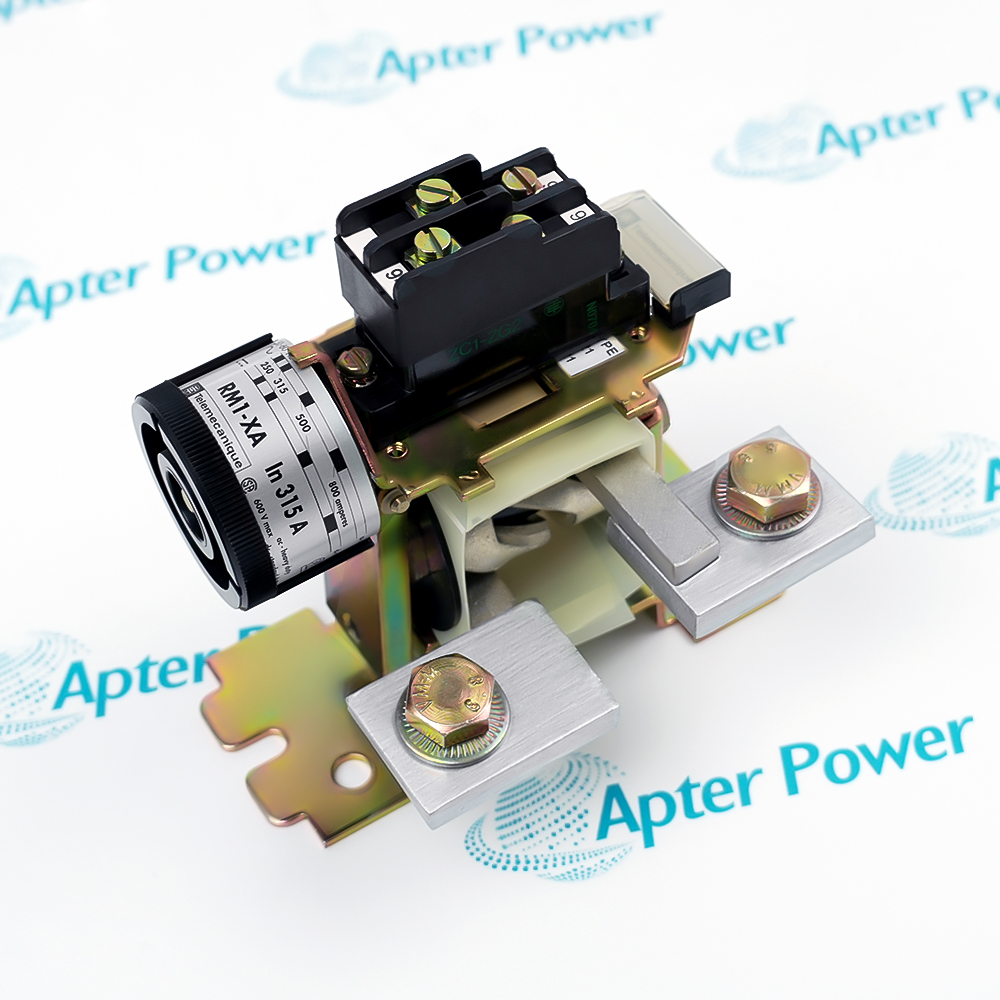
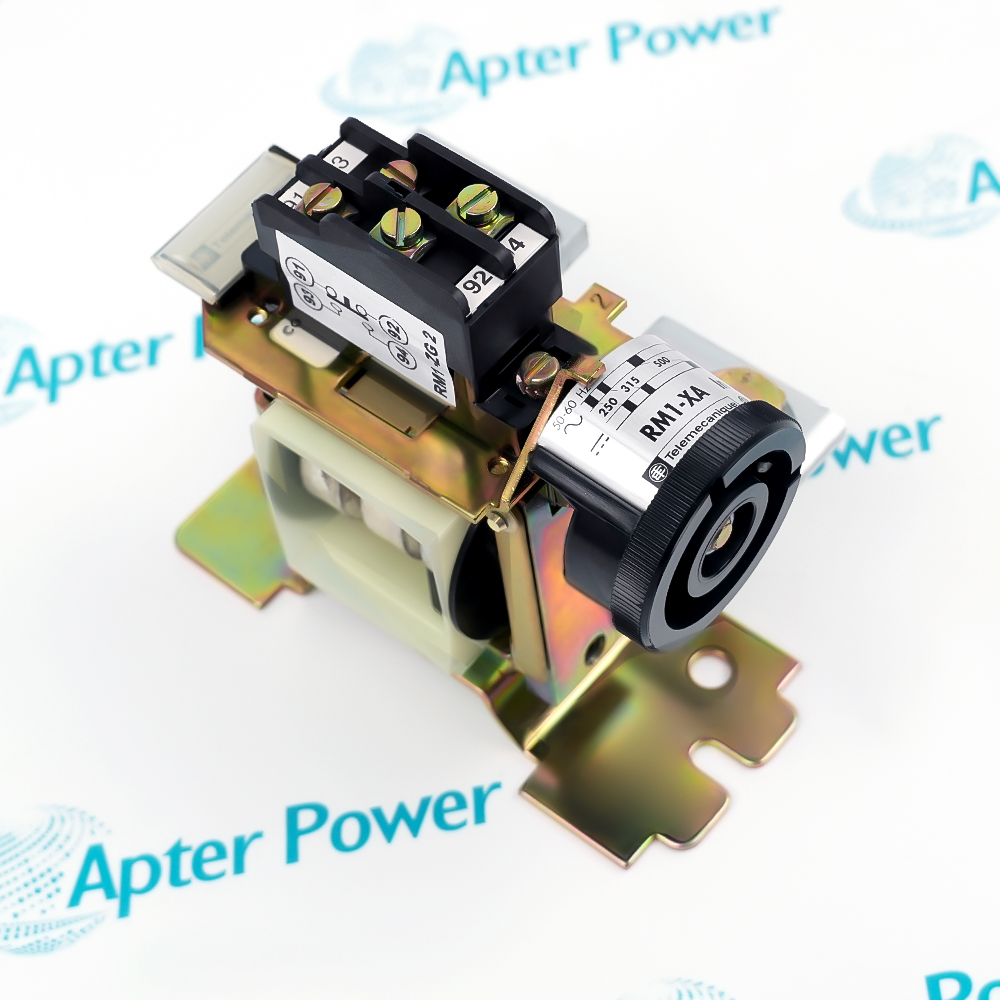
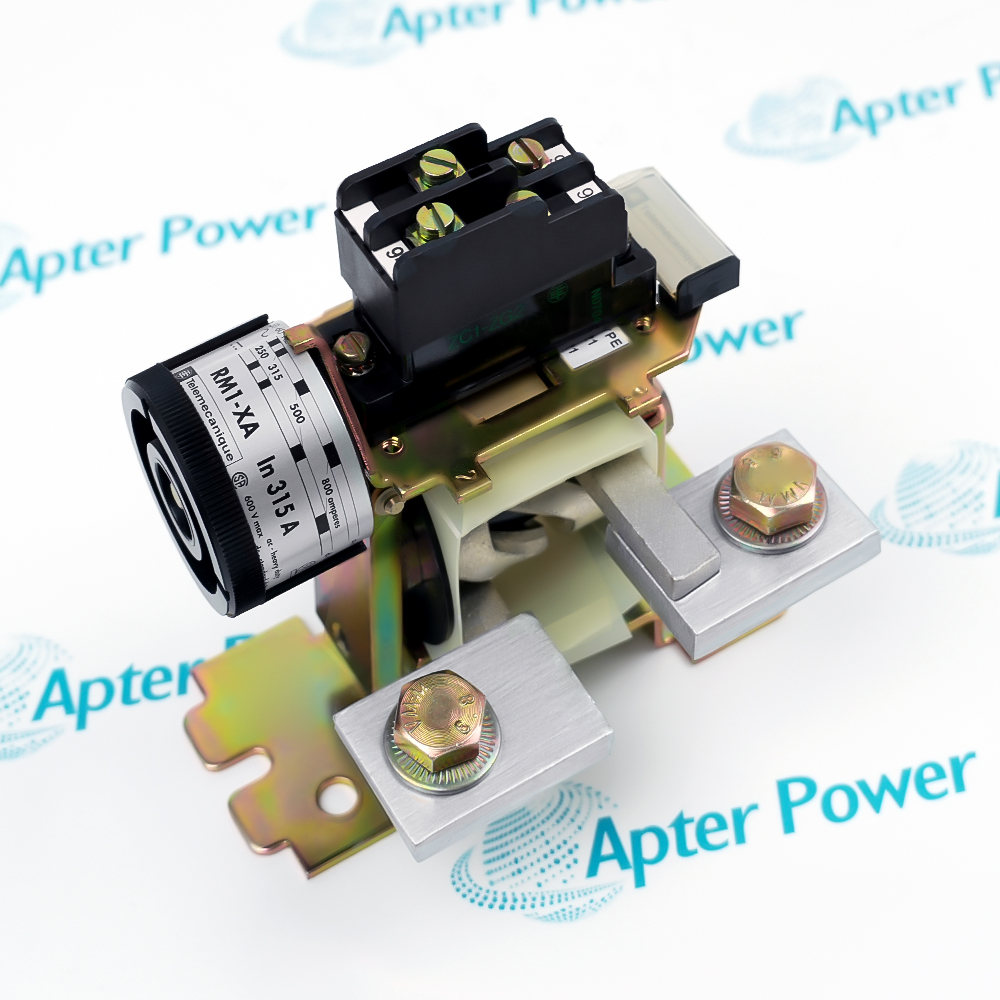
Schneider Electric RM1XA315 is a Telemecanique single-pole overcurrent relay for machine and feeder protection, marked 315 A with a 250–800 A setting scale.
In Stock
Ships by Saturday, November 14
Fast Shipping Available
Get a quick price for RM1XA315 RM1-XA 315
Quantity
*E-mail
Company
*Mobile
*Content
Upload (gif, jpg, jpeg, png, bmp, doc, docx, xls, xlsx, ppt, pdf, csv)

Technical specifications for RM1XA315 RM1-XA 315

  • Manufacturer:
    Schneider Electric
  • Part Number:
    RM1XA315 RM1-XA 315
  • Product Family:
    Telemecanique Sensors
  • Product Type:
    Telemecanique Current-Operated Protection Relay
  • Stock:
    1
  • Series marking:
    Telemecanique RM1-XA
  • Nominal current:
    315 A
  • Adjustment scale:
    250–800 A
  • Maximum marked voltage:
    600 V
  • Operating principle:
    Current-operated protection relay
  • Weight:
    1.05 kg
  • Estimated shipping dimensions:
    12.3x8.3x12.3cm
  • Tariff Code:
    Please confirm the destination before shipping
  • Country of origin:
    France
  • Place of shipment:
    Xiamen,Fujian,China
By purchasing this item, you agree to the Terms & Conditions, ApterPower is not an authorized distributor for listed manufacturers or tradenames and therefore the manufacturer's warranty does not apply. All our products come with ApterPower's 1-year warranty.

More Information

Overview Manuals Current Setting Trip Circuit Fault Finding Product Applications

Features:

  • Single-pole overcurrent detection: Operates a protection contact when the monitored conductor current reaches the selected level.
  • Adjustable current scale: The pictured RM1-XA unit is marked from 250 to 800 A around a 315 A reference.
  • Machine-protection role: Supports alarm or trip circuits in documented industrial feeder and machinery schemes.
Protection function: Adds current-dependent switching to a legacy motor or feeder protection circuit.

Installation dependency: Conductor routing through the sensing opening directly influences the effective pickup.

Troubleshooting value: Actual load current and the selected setting help separate overloads from relay problems.

Apter Power supports exact-model verification, documentation review and installed-system compatibility checks for Schneider Electric RM1XA315.
Schneider Electric RM1XA315 Telemecanique Current-Operated Protection Relay Manuals,Datasheets,Link
Important Notice: Confirm the complete model, revision, installed-system compatibility and site procedure before service or installation.
  • Threshold: Use the protection study or machine documentation to set the required pickup current.
  • Starting current: Allow for documented motor or transformer inrush without defeating overload protection.
  • Conductor passes: Keep the original number and direction of passes through the sensing opening.
  • Verification: Measure actual current when investigating an unexpected trip or failure to operate.
  • Contact logic: Confirm whether the connected circuit uses alarm, trip or permissive action.
  • Control voltage: Keep the connected circuit within the relay contact and panel design limits.
  • Terminal state: Verify the normal contact state before reconnecting interlock wiring.
  • Functional test: Prove the downstream alarm or trip path after the current test.
  • Early trip: Check overload, inrush, threshold position and changed conductor routing.
  • No trip: Confirm current passes through the sensing opening and test contact continuity.
  • Chatter: Look for current cycling around the threshold and loose control terminals.
  • Reset issue: Inspect the mechanism and verify the monitored current has fallen below reset conditions.
  • Motor feeders: Initiates alarm or trip action when motor current exceeds the designed threshold.
  • Machine panels: Adds current protection to industrial equipment retaining Telemecanique control hardware.
  • Distribution feeders: Monitors a documented conductor path in legacy low-voltage protection schemes.
  • Life extension: Restores the existing current-operated function without redesigning the surrounding circuit.

Description
Schneider Electric RM1XA315 is a Telemecanique single-pole overcurrent relay used to initiate an alarm or trip when conductor current reaches the selected threshold. The photographed nameplate identifies a 315 A reference marking, a 250–800 A adjustment scale and a 600 V maximum marking for the installed protection circuit.

The current seen by RM1XA315 depends on how the monitored conductor passes through its sensing opening. A changed number of conductor passes, different routing or abnormal motor starting current can cause early operation, so nuisance trips should be investigated with an actual current measurement before the relay is blamed.

Motor feeders, industrial distribution panels and heavy machinery can use RM1XA315 where the original Telemecanique protection scheme requires a current-operated contact. It is most valuable in legacy systems whose trip logic and conductor arrangement remain documented and must continue operating without redesigning the protection circuit.
Alternative Names
RM1-XA 315 RM1 XA 315 RM1XA-315 Telemecanique RM1XA315 Schneider RM1XA315 RM1XA In315A RM1 current relay 315A Telemecanique RM1-XA
Technical notes
Schneider classifies the RM1 family as single-pole electronic overcurrent relays for machine protection. For RM1XA315, preserve the documented conductor routing through the sensing opening: changing the number of passes changes the effective pickup. Verify actual current, the selected threshold and the output contact response during commissioning.
Exceptional Service

Our Mission

  • 100% Satisfaction

    We believe expertise is priceless. With over 20 years of experience, and top engineers on staff, we can help you solve or avoid problems that threaten your business.
  • Trust Guaranteed

    Not only do we have a vast inventory, our team makes sure every piece of equipment is in working condition. Your purchases are also backed by our Warranty.
  • Expertise

    Time is money, especially when your equipment is down. We work quickly to get your equipment on its way so you can get it back up and running.

FAQS

The following is a list of questions commonly asked by our customers. Please contact us if you have a question about our process that is not answered below.
Why does RM1XA315 trip when the machine appears to be operating normally?
Measure the actual current first, including start-up peaks. Then check the threshold and conductor passes because either can make normal inrush appear as an overcurrent.
What should be checked when RM1XA315 does not trip during an overload test?
Confirm the monitored conductor passes through the sensing opening, the applied current reaches the set level, and the output contact changes state.
Can RM1XA315 monitor several parallel conductors?
Only when the original protection design specifies that arrangement. The magnetic fields of conductors through the opening determine the effective current seen by the relay.
Why does RM1XA315 chatter near the trip point?
The load may be cycling around the threshold or the control terminals may be loose. Trend the current and inspect the contact circuit before replacing the relay.
How should RM1XA315 be tested after installation?
Apply a controlled current under the site procedure, verify pickup and reset, and confirm that the connected alarm or trip device responds correctly.
How does an extra conductor pass through RM1XA315 affect the pickup point?
Each pass contributes ampere-turns to the sensing element, so an added pass can make the relay operate at a lower actual line current. Preserve the documented number and direction of passes.