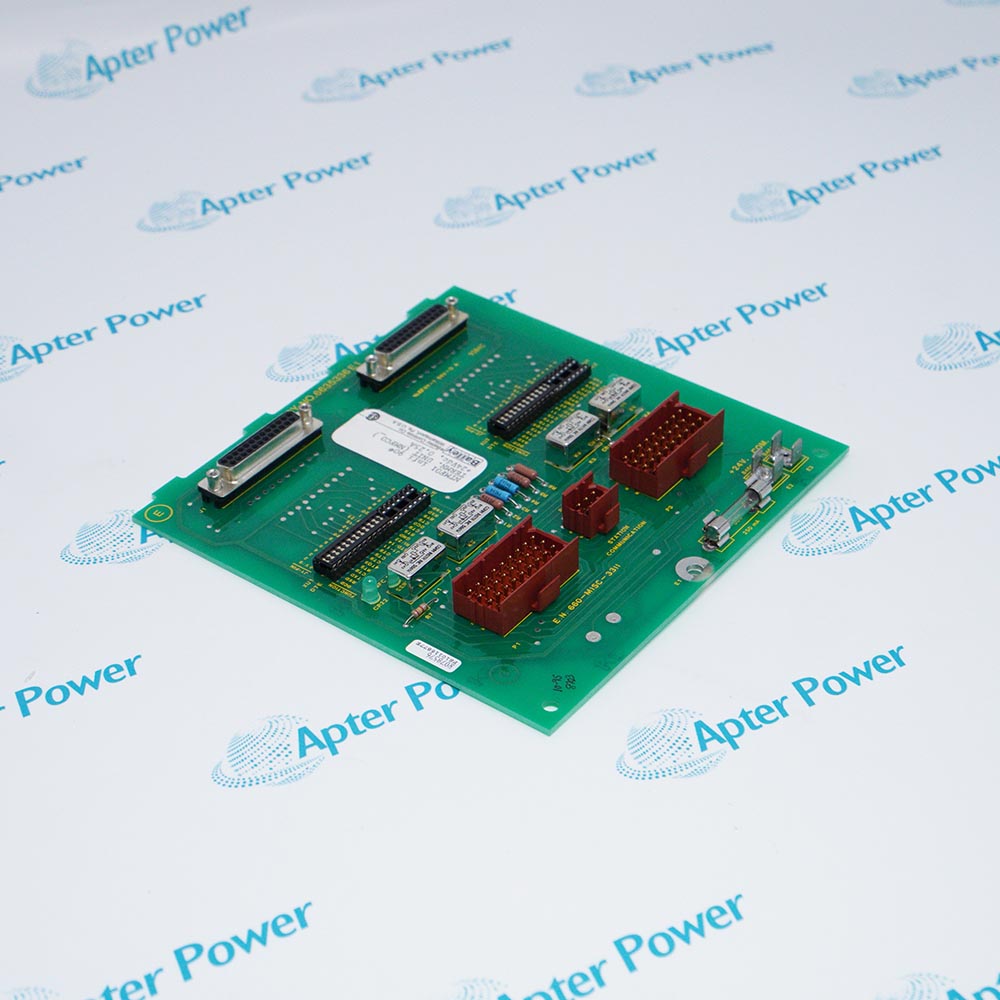
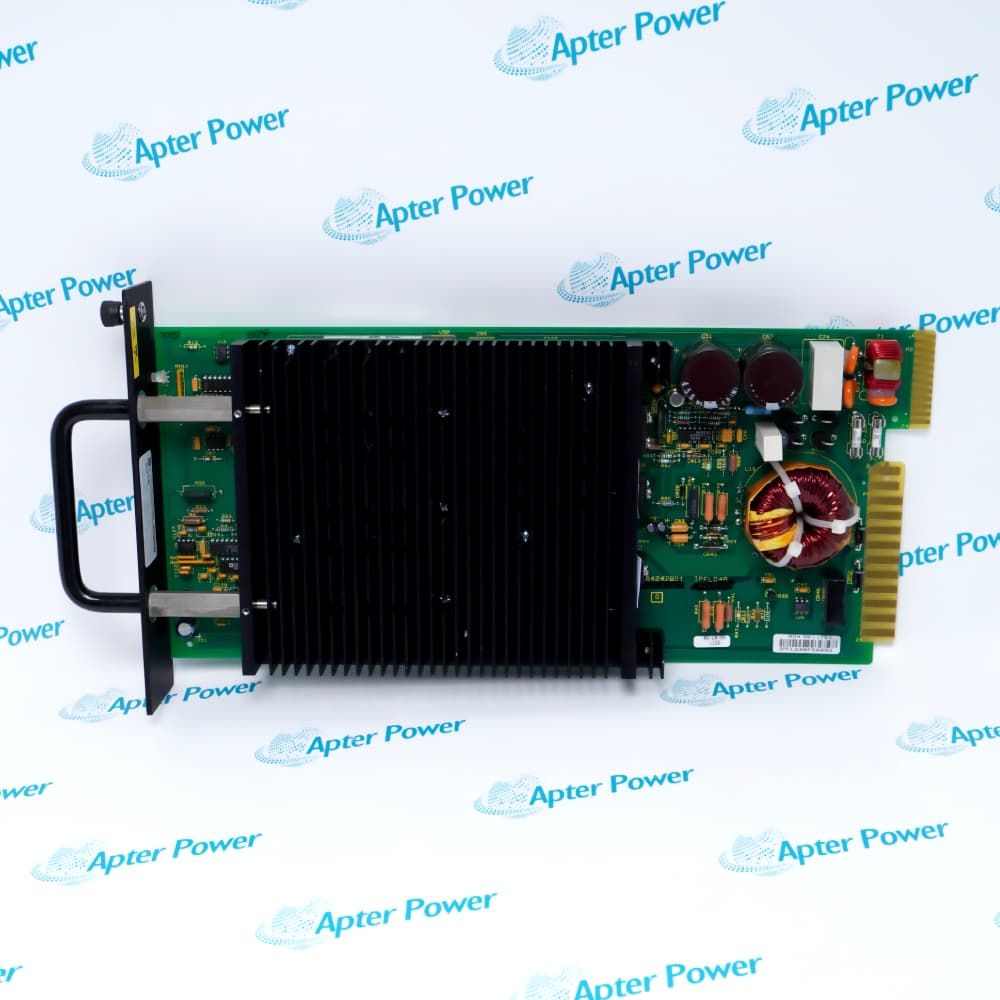
Features:
- Provides the VP800 valve-positioning function for ABB Symphony Plus Harmony Rack turbine control.
- Interfaces with servo valves or electrohydraulic converters used to position turbine actuators.
- Uses external position feedback to regulate the commanded valve position in a closed control loop.
The current ordering configuration is SPHSS03, the ABB Symphony Plus Harmony Rack VP800 Hydraulic Servo Module for turbine valve-positioning service.
SPHSS03 drives the connected hydraulic actuator interface and evaluates position feedback so the control system can regulate turbine valve movement.
Before commissioning, confirm the servo-valve or electrohydraulic converter interface, feedback direction and scaling, termination wiring, and controller configuration.
Availability is subject to Apter Power inventory and sourcing confirmation.
Verified resources for ABB SPHSS03:
Important Notice: Other accessories, manuals, cables, calibration data, software, etc. are not included with this equipment unless listed in the above stock item description. All prices are shown in USD.
- Positions turbine hydraulic actuators in Harmony Rack control systems that use the VP800 control function.
- Drives compatible servo valves in closed-loop steam- or fuel-valve positioning applications.
- Operates electrohydraulic converter interfaces where measured actuator position is returned to the module.
- Configures the valve-positioning loop around the actuator command and its corresponding position-feedback signal.
- Requires the feedback polarity, scaling, and travel limits to agree with the installed actuator arrangement.
- Uses project-specific controller configuration to coordinate the VP800 output demand with turbine control logic.
- Integrates with the ABB Symphony Plus Harmony Rack turbine-control hardware architecture.
- Supports documented servo-valve and electrohydraulic converter interfaces used by the VP800 positioning function.
- Requires exact confirmation of the module, termination, actuator, and feedback-device interfaces before replacement.
- Translates the controller position demand into an output signal for the connected hydraulic actuator interface.
- Continuously evaluates position feedback to close the turbine valve-position control loop.
- Allows commissioning personnel to verify commanded movement against actual feedback response throughout the actuator travel.