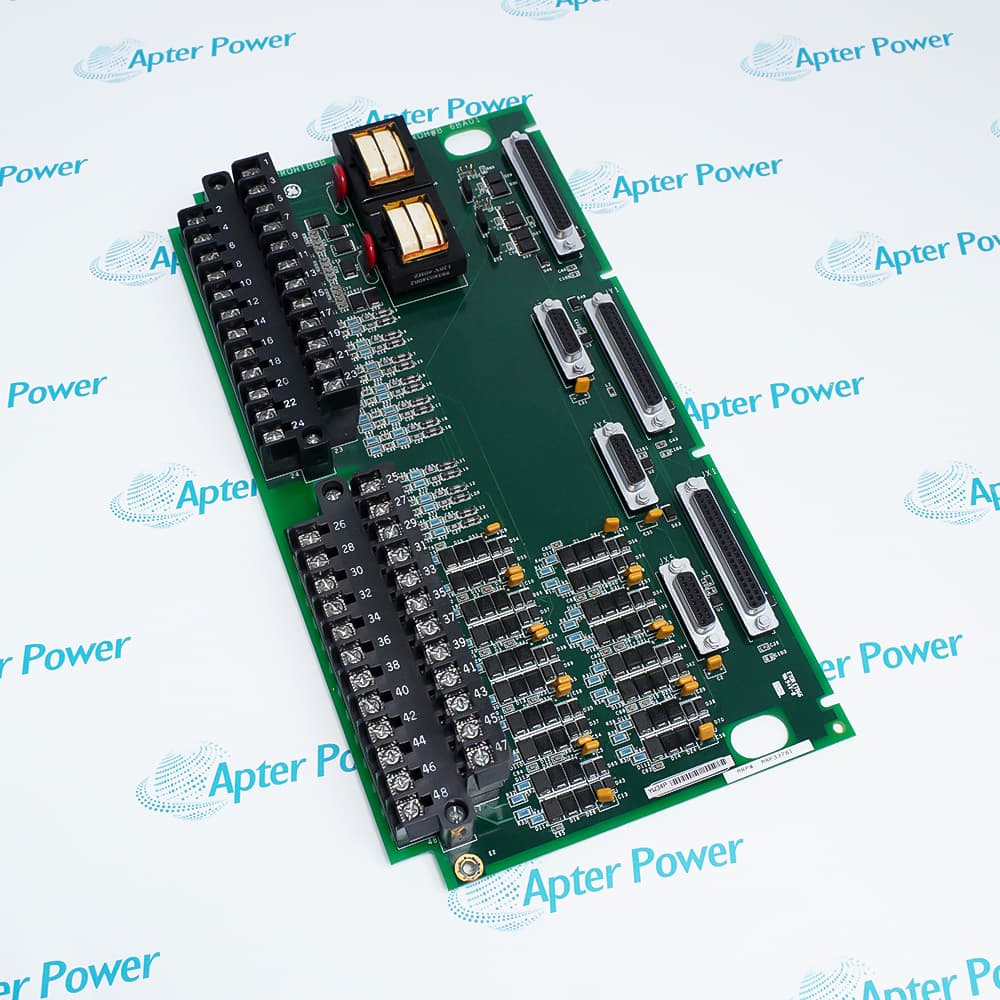
Features:
- Primary Speed Signal Processing and Overspeed Protective Safeguards
- Direct Integration for Automatic Generator Synchronization and Main Breaker Management
- Comprehensive Monitoring for Shaft Electrical Stress and Flame Detection Systems
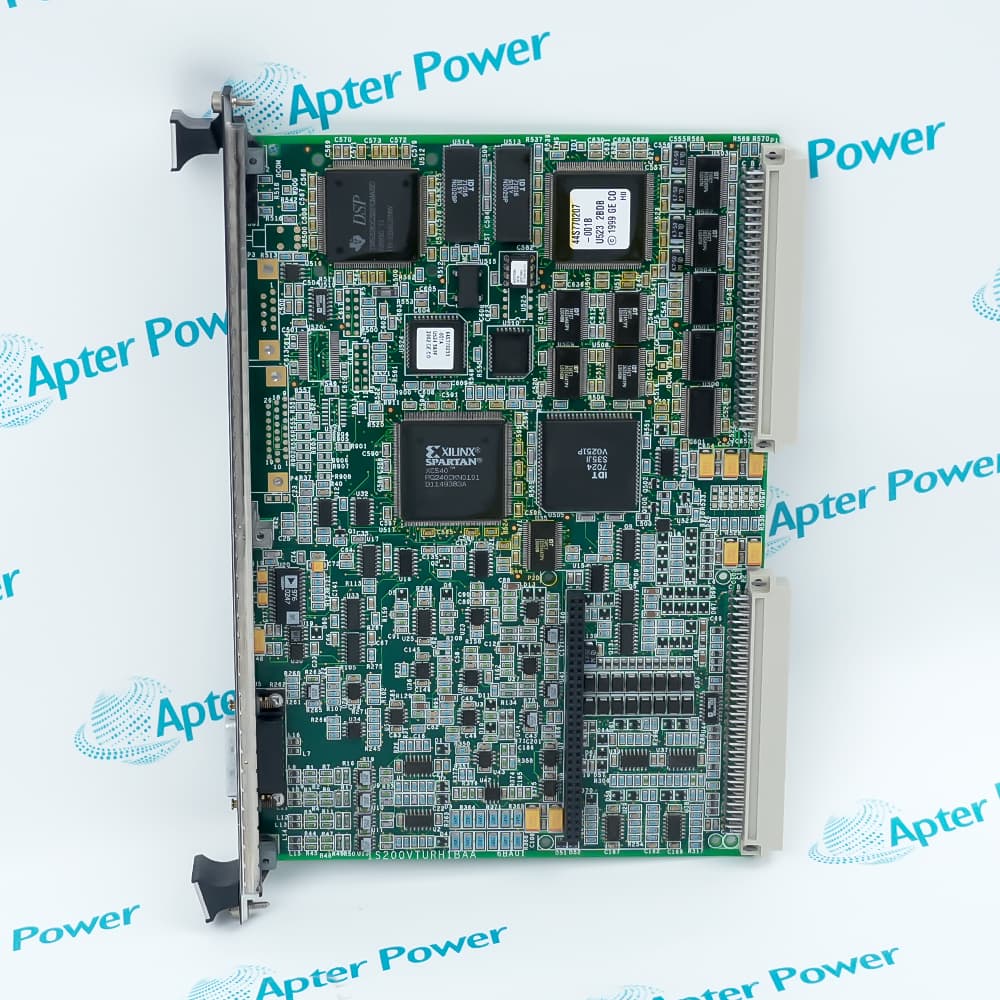
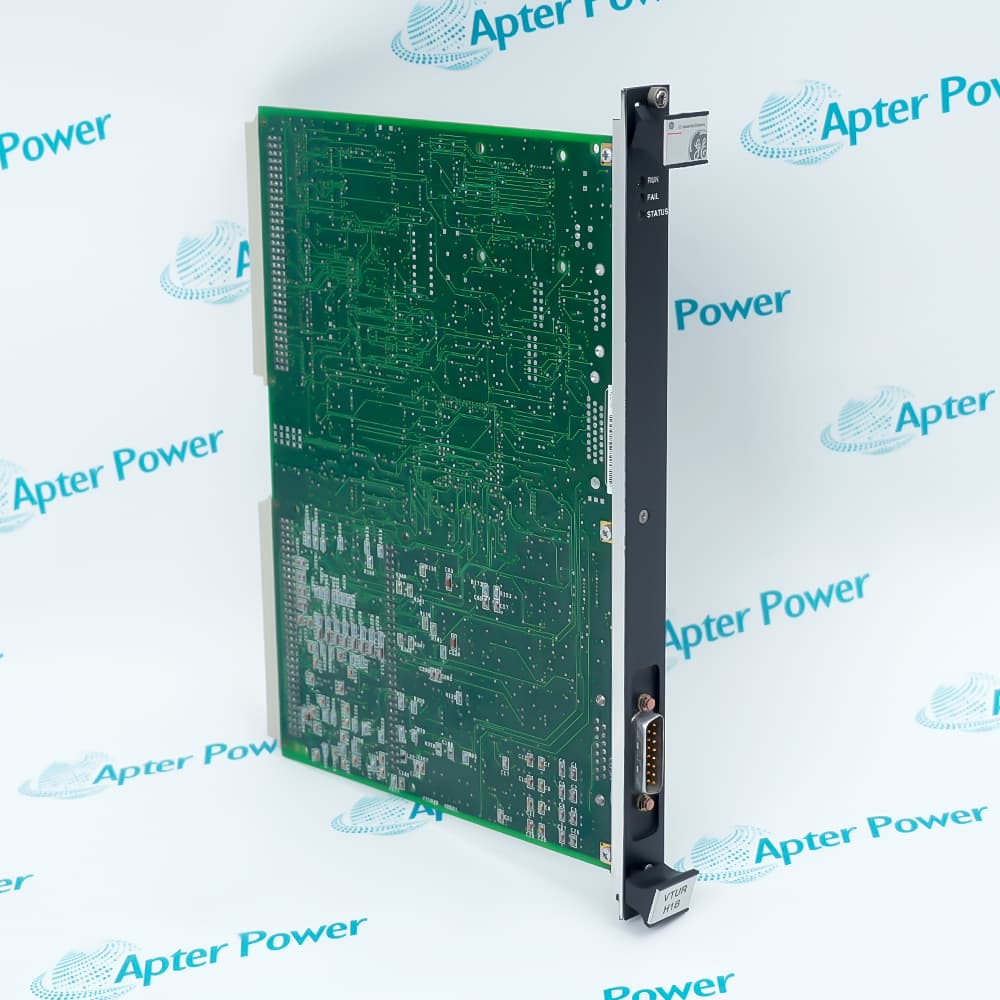
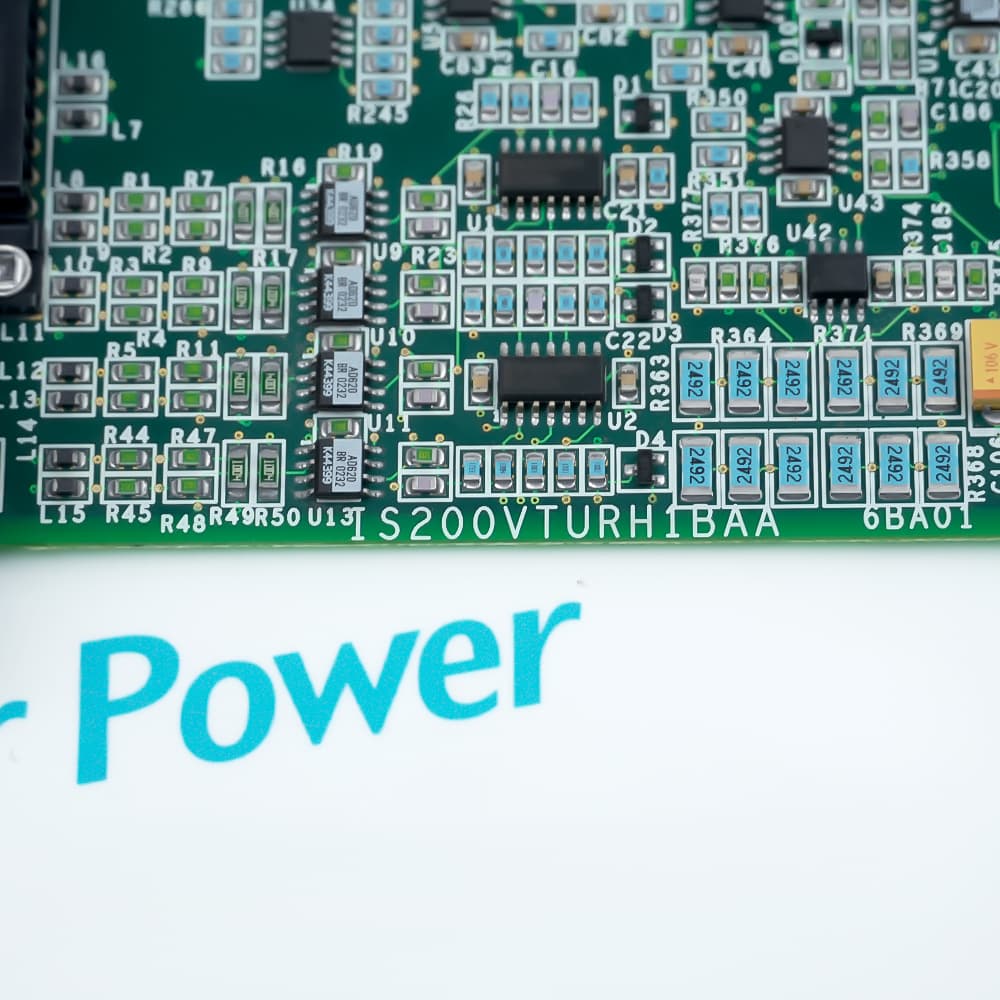
The General Electric IS200VTURH1BAA functions as the turbine specific primary trip board within a Mark VI Speedtronic control rack, delivering continuous protective oversight and signal processing for turbine operations. It directly processes inputs from four passive pulse rate speed sensors to calculate turbine rotational velocity and relay overspeed trip commands to the controller. The IS200VTURH1BAA enhances system safety over legacy trip mechanisms by combining primary overspeed trip logic, automatic generator synchronization controls, and specialized Geiger-Mueller flame sensor management within a unified system architecture.
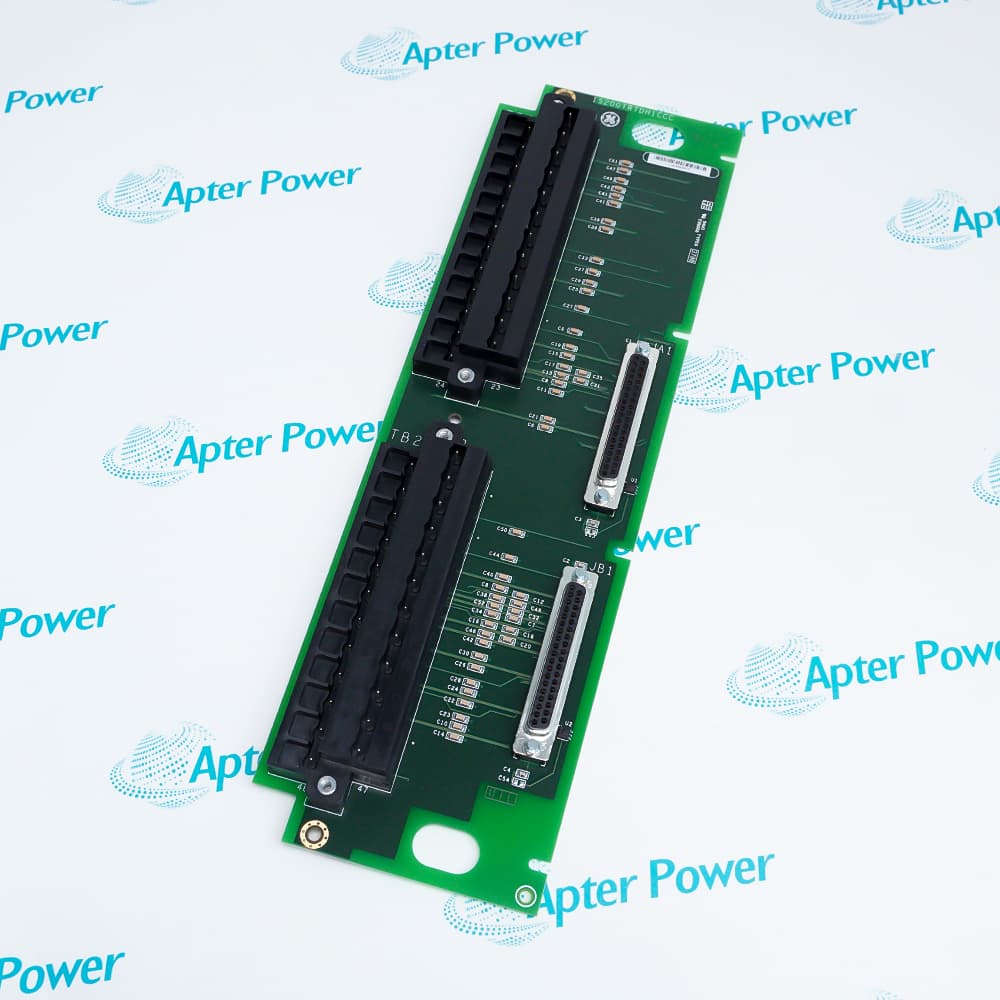
The IS200VTURH1BAA provides vital protective functions common to the entire turbine safety architecture, serving as a key hardware component that directly dictates the execution of emergency trip sequences. Depending on system topology, one or more IS200VTURH1BAA boards are deployed in the Mark VI VME rack structure, interfacing directly with the TRPG (Primary Trip Terminal Board). The IS200VTURH1BAA connects through designated rack slots to output trip commands to the magnetic relays mounted on the terminal board.
For high-reliability power generation applications, the system utilizes the IS200VTURH1BAA alongside the VPRO emergency trip card to establish a redundant dual-path safety architecture. Beyond standard single-channel (Simplex) operation, the IS200VTURH1BAA in a Triple Modular Redundant (TMR) configuration works with nine TRPG relays across three voting channels. In this arrangement, the safety network continuously evaluates turbine speed and trip inputs; if the IS200VTURH1BAA detects an abnormal overspeed condition or flame loss, it immediately de-energizes the corresponding relays on the TRPG, firing the Electrical Trip Devices (ETD) to trigger an immediate mechanical shutdown.
The IS200VTURH1BAA General Electric Turbine Specific Primary Trip Board may still be available for purchase and support from Apter Power beyond End-Of-Life (EOL) by the manufacturer (OEM).
General Electric IS200VTURH1BAA Turbine Specific Primary Trip Board Manuals,Datasheets,Link
Important Notice: Other accessories, manuals, cables, calibration data, software, etc. are not included with this equipment unless listed in the above stock item description. All prices are shown in USD.
General Electric IS200VTURH1BAA Turbine Specific Primary Trip Board Specs
General
- Manufacturer General Electric
- Model IS200VTURH1BAA
- Condition New Original ready stock
- Product Family IS200VTURH1B,IS200VTURH1BAC
Important Notice: Other accessories, manuals, cables, calibration data, software, etc. are not included with this equipment unless listed in the above stock item description. All prices are shown in USD.
- Primary Overspeed Protection: Measures turbine shaft speed via 4 passive magnetic pickup (MPU) devices. It acts to instantly trigger a system trip if boundaries are breached.
- Flame Detection Tracking: Monitors up to 8 Geiger-Mueller flame detectors inside gas turbine chambers. It isolates fuel valves if a flameout condition occurs.
- Generator Autosynchronization: Evaluates phase and voltage alignment between the grid and generator. It automatically closes the main breaker relays (K25, K25A, K25P).
- Shaft Voltage Monitoring: Tracks stray currents and ground faults across the main turbine rotor. It flags early mechanical friction or bearing insulation degradation.
- Ambient Temperature Range: 0°C to 60°C (32°F to 140°F) continuous.
- Pulse Rate Frequency: 2 Hz to 20 kHz tracking spectrum.
- Speed Sensing Accuracy: Within ±0.05% of the total reading.
- Minimum Input Sensitivity: 27 mV peak-to-peak signal threshold.
- Sensor Excitation Output: Supports 335 VDC at 0.5 mA line.
- Physical Hardware Blueprint: Double-slot VME form factor board design.
- Power Down Mandate: Power down the VME rack before board removal. Hot-swapping this component will damage the circuit boards.
- Mechanical Card Insertion: Align the board with the designated rack guide rails. Press the front levers until the backplane pins seat.
- Faceplate Screw Securing: Fasten the upper and lower captive panel screws tightly. This step ensures proper chassis grounding and structural stability.
- Terminal Board Connections: Connects directly via ribbon cables to peripheral terminal boards. It pairs specifically with TTUR, TRPG, and TREG modules.