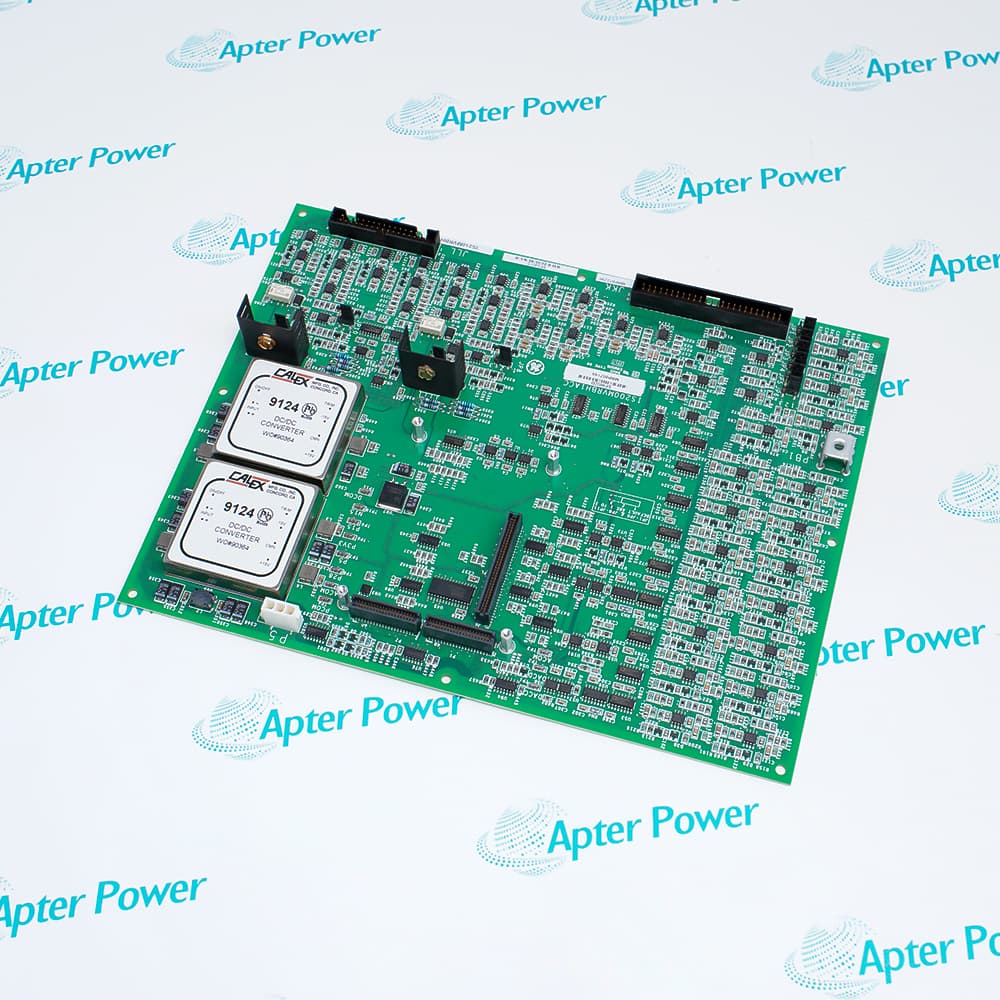
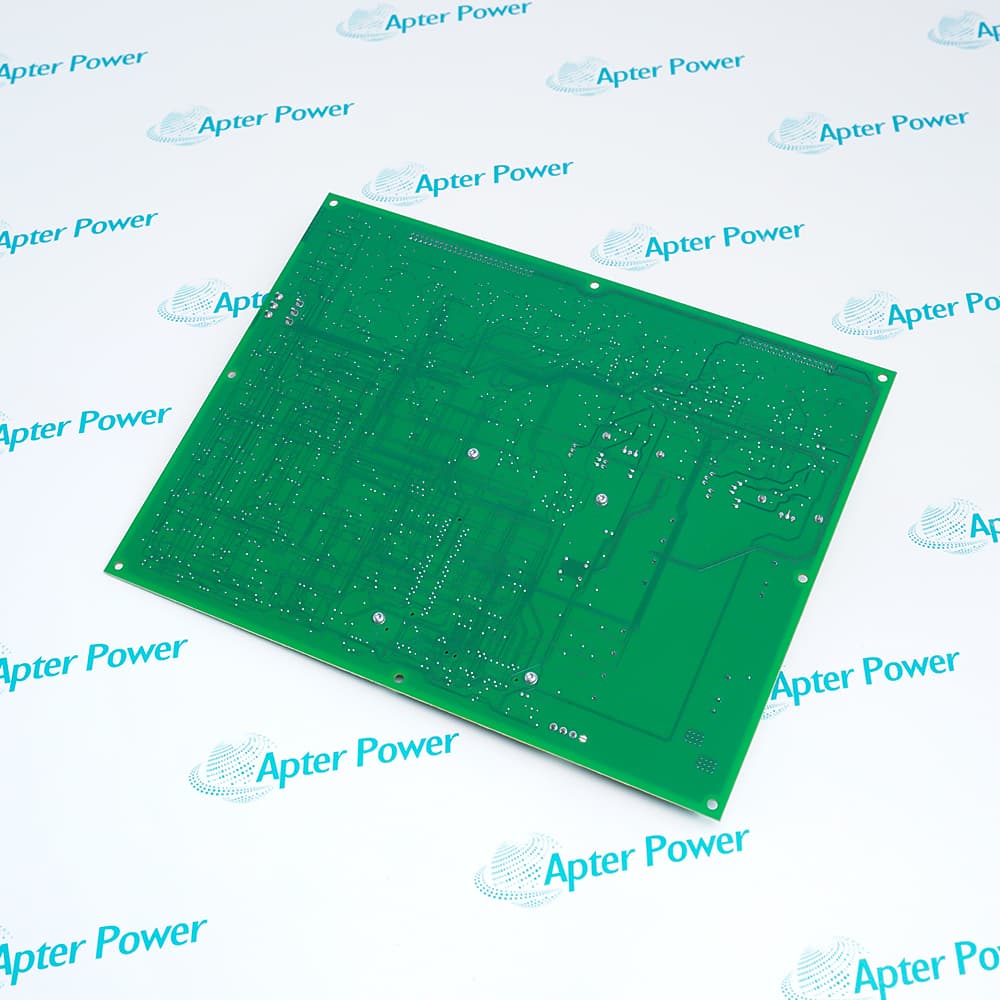
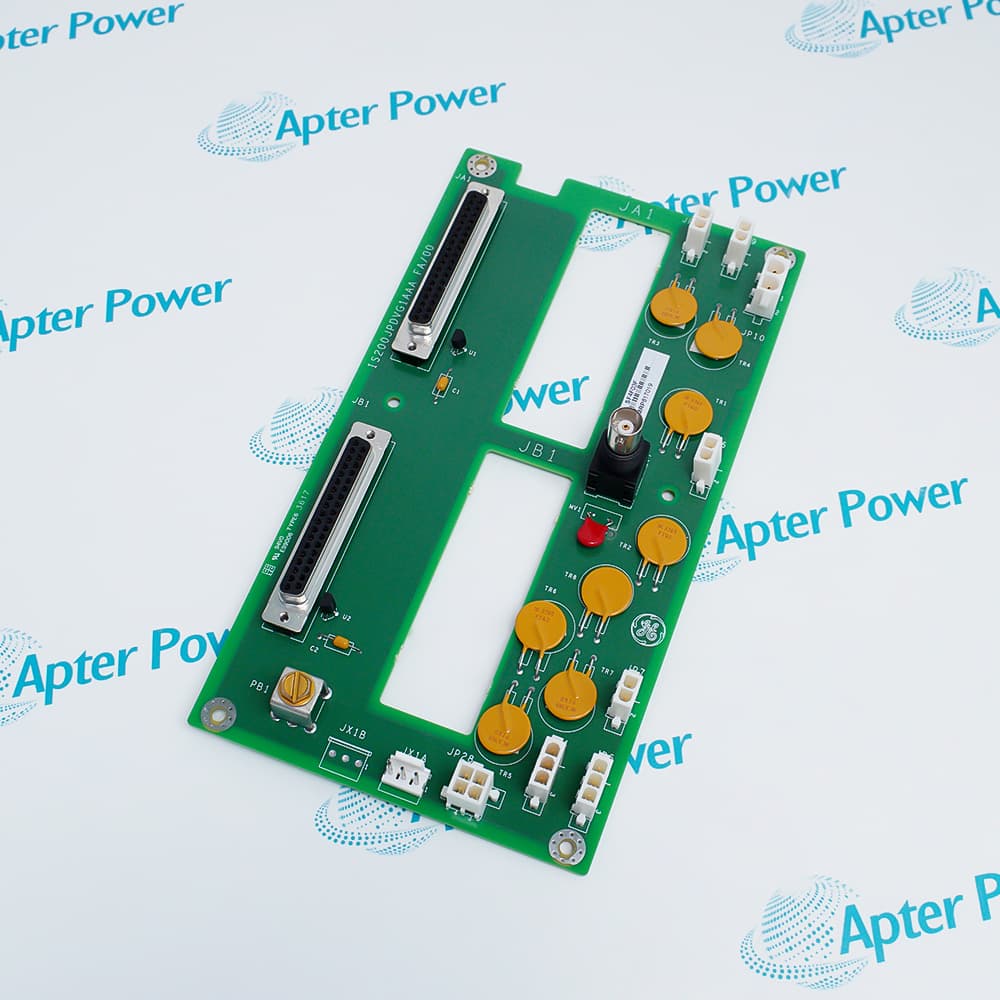
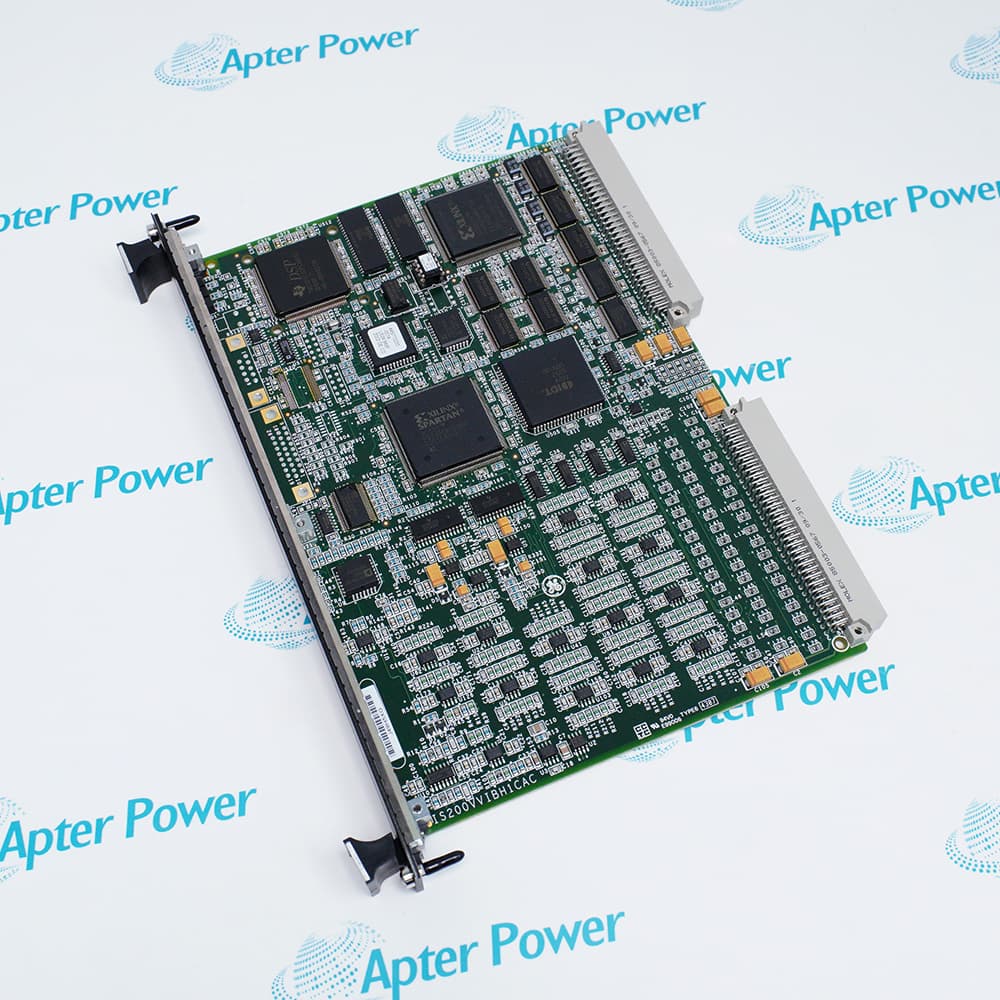
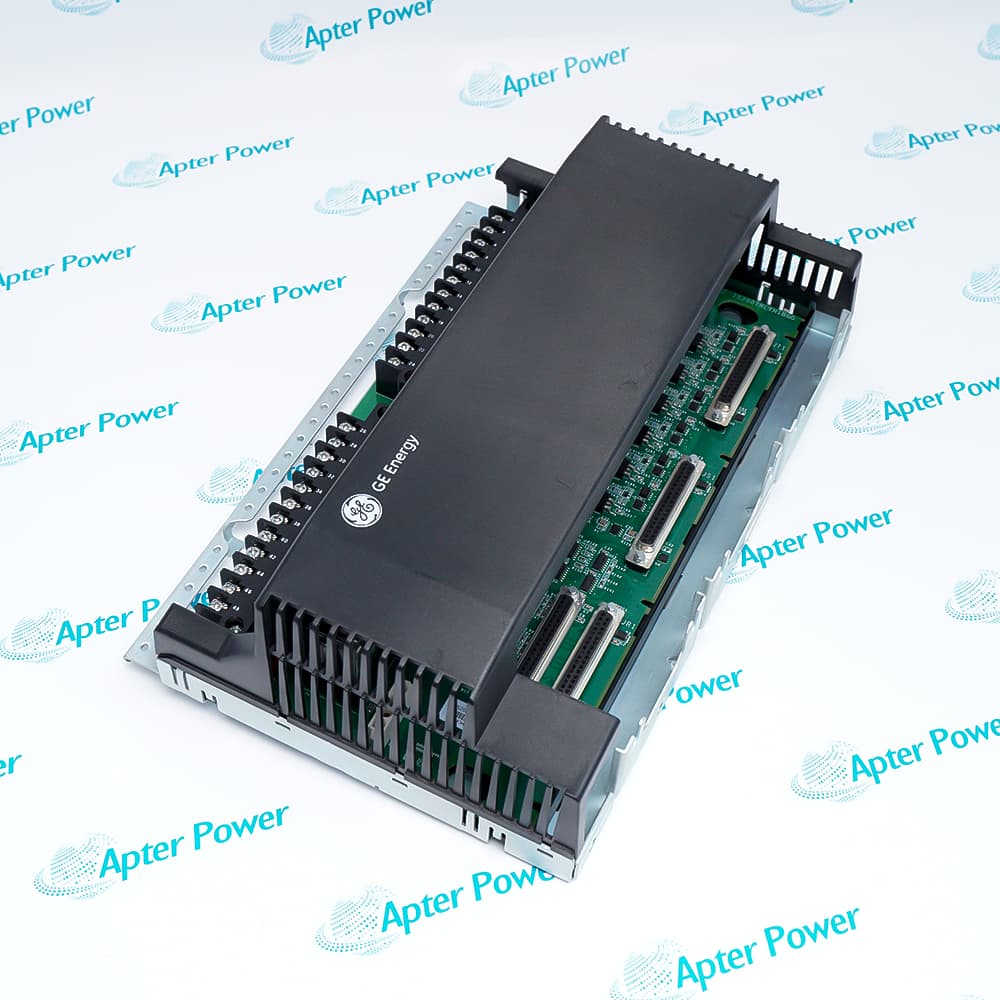
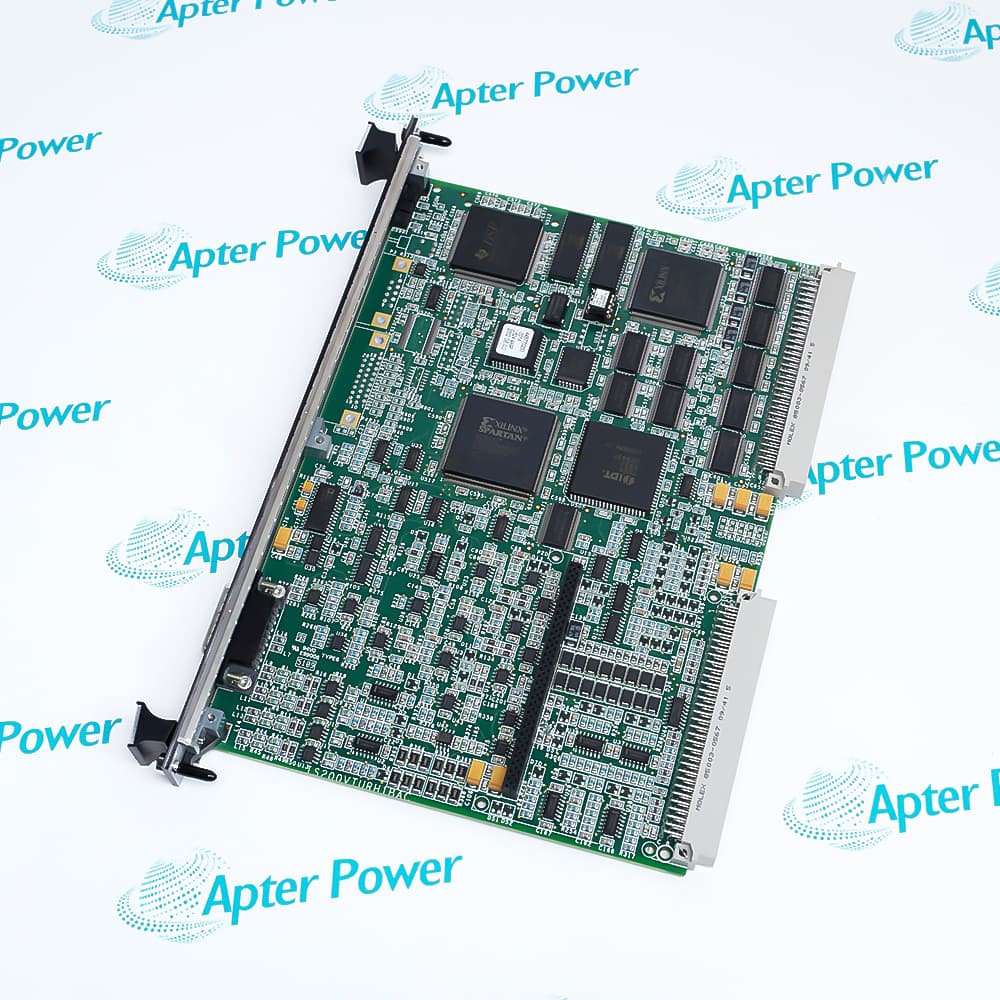
Features:
- Precision Environmental Diagnostics,Predictive failure prevention via ±2°C onboard sensing.
- IONet-Based Independent Operation,Zero-downtime replacement without rewiring.
- Dual-Board High-Speed Serial,Architecture,Deterministic data transfer for closed-loop excitation control.
The General Electric IS210MVRBH1A IS200MVRBH1ACC is equipped with a high-accuracy temperature sensor that provides real-time thermal monitoring of the I/O pack environment. Unlike standard boards that simply fail in overheat conditions, this module logs temperature data continuously. If levels exceed the -30°C to +65°C operational threshold, it generates a diagnostic alarm logic stored in the Mark VIe database, enabling condition-based maintenance scheduling.
Traditional I/O card failures often require system shutdowns and tedious re-termination of field wiring. The General Electric IS210MVRBH1A IS200MVRBH1ACC leverages the IONet architecture where each I/O pack communicates independently. This allows a failed board to be replaced while the turbine is live without disturbing adjacent I/O channels or removing field termination, directly supporting critical uptime KPIs in power plants.
The General Electric IS210MVRBH1A IS200MVRBH1ACC utilizes a robust dual-board topology: a primary board for signal conditioning and a dedicated daughterboard for high-speed serial link processing. This separation ensures that analog inputs (4-20mA) are processed without latency interference from network traffic, providing the deterministic response required for EX2100 excitation systems and fuel valve positioning.
The IS210MVRBH1A IS200MVRBH1ACC General Electric Mark VIe MVRB PC Module I/O Interface Board may still be available for purchase and support from Apter Power beyond End-Of-Life (EOL) by the manufacturer (OEM).
General Electric IS210MVRBH1A IS200MVRBH1ACC Mark VIe MVRB PC Module I/O Interface Board Manuals,Datasheets,Link
Important Notice: Other accessories, manuals, cables, calibration data, software, etc. are not included with this equipment unless listed in the above stock item description. All prices are shown in USD.
General Electric IS210MVRBH1A IS200MVRBH1ACC Mark VIe MVRB PC Module I/O Interface Board
General
- Manufacturer General Electric
- Model IS210MVRBH1A IS200MVRBH1ACC
- Condition New Original ready stock
- Product Family IS210AEBIH1B IS210AEBIH1BED,IS210AEAAH1BKE IS210AEAAH1,IS210AEPSG1AFC IS210AEPSG1
Important Notice: Other accessories, manuals, cables, calibration data, software, etc. are not included with this equipment unless listed in the above stock item description. All prices are shown in USD.
- Gas Turbine Excitation Control (EX2100/EX2100e):The module excels in managing field excitation for GE gas turbines, precisely regulating DC bus voltage and field current through high-speed I/O processing to maintain grid stability.
- Steam Turbine Retrofit & Modernization:Specifically designed for legacy system upgrades, it provides the deterministic I/O necessary for replacing Mark V standard components with higher Mark VIe capabilities, preserving existing field wiring while upgrading core logic.
- Combined Cycle Power Plant (CCPP) Integration:In CCPP applications, the I/O board aggregates critical parameters (bearing vibration, exhaust temperature, steam pressure) from both gas and steam blocks, feeding real-time data to the DCS for optimized heat recovery.
- Large-Scale Industrial Process Control:Beyond power generation, it supports heavy industries (Oil & Gas, Metals) where high-density analog/digital I/O is required for controlling large pumps, compressors, and material handling systems within a PLC/DCS networked environment.
- Continuous Thermal Profiling:Unlike simple thermal switches, the General Electric board provides continuous temperature data (±2°C accuracy) accessible via the system database. Control logic can utilize this data to throttle processing speeds or activate external cooling before shutdown occurs.
- Independent IONet Data Highway:The module features a dedicated communication pathway on the IONet. This allows for deterministic scanning of inputs regardless of controller CPU load, ensuring critical trip signals are received within the required safety timeframe.
- Signal Fault Detection & Masking:The board’s firmware includes advanced algorithms to differentiate between a genuine process spike and a sensor wiring fault (open circuit/short circuit). It supports channel masking for commissioning, preventing false trips during startup sequencing.
- Redundancy Management:In TMR (Triple Modular Redundant) configurations, the onboard logic automatically synchronizes data with sibling boards, performing a "voting" function on analog inputs (e.g., median selection) to output a single, validated value to the controller.
- Extreme Thermal Resilience:Rated for operation across -30°C to +65°C (ambient) and storage from -40°C to +85°C. This range accounts for unheated turbine enclosures in winter and confined control cabinet heat buildup in summer.
- High-Humidity Tolerance:Engineered with conformal-coated components to withstand 5% to 95% relative humidity (non-condensing). This prevents corrosion and current leakage in high-moisture environments often found in combined cycle plants with steam bypass systems.
- Vibration & Shock Immunity:While specific g-force ratings rely on the chassis, the PCB design utilizes high-density edge connectors with locking mechanisms to maintain electrical continuity under continuous turbine vibration (50/60Hz harmonics).
- Convection Cooling Design:Designed for free convection cooling, eliminating the need for fans or external forced air that could draw dust/debris into the control cabinet. This passive thermal management ensures high MTBF (Mean Time Between Failures) in dirty industrial environments.