Features:
- Differential Voltage Acquisition Interface for Triconex Safety Systems
- Integrates TMR Signal Processing with DC-Coupled Analog Measurement
- Functions Cooperatively with Tricon Main Processors and I/O Subsystems
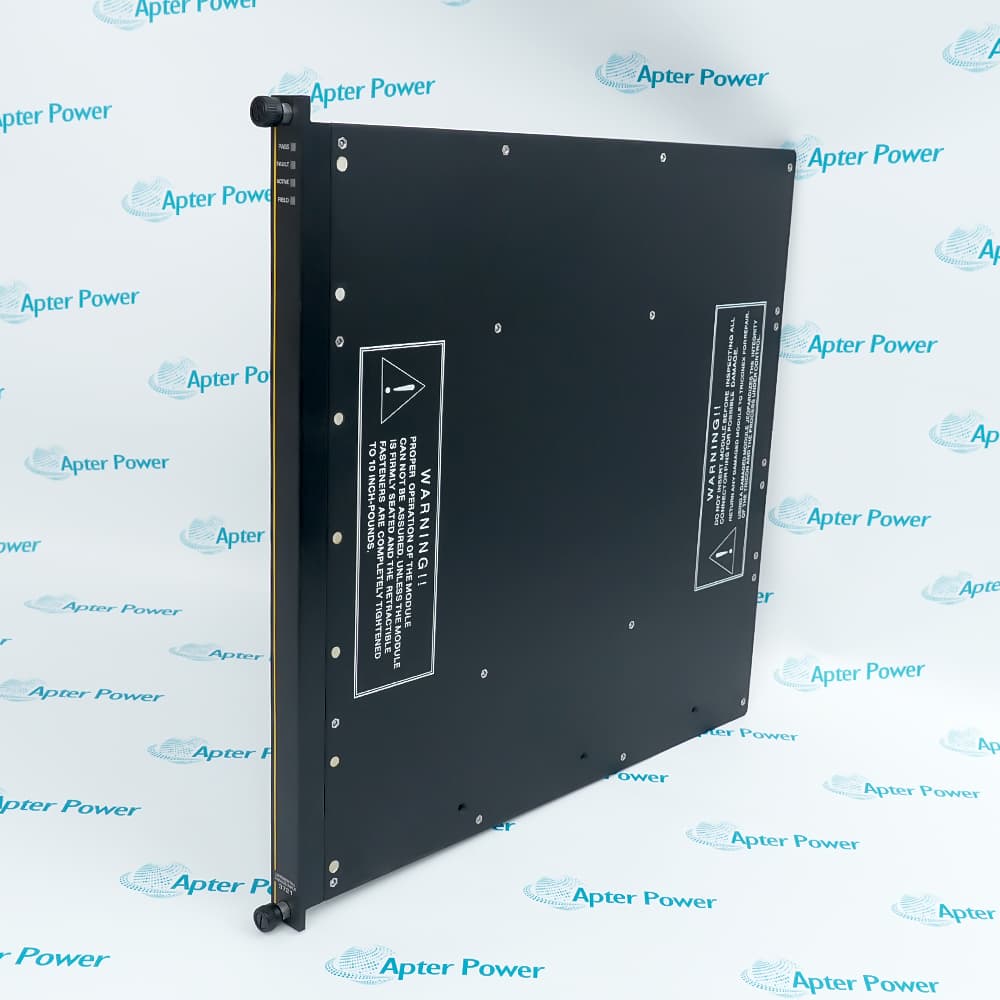
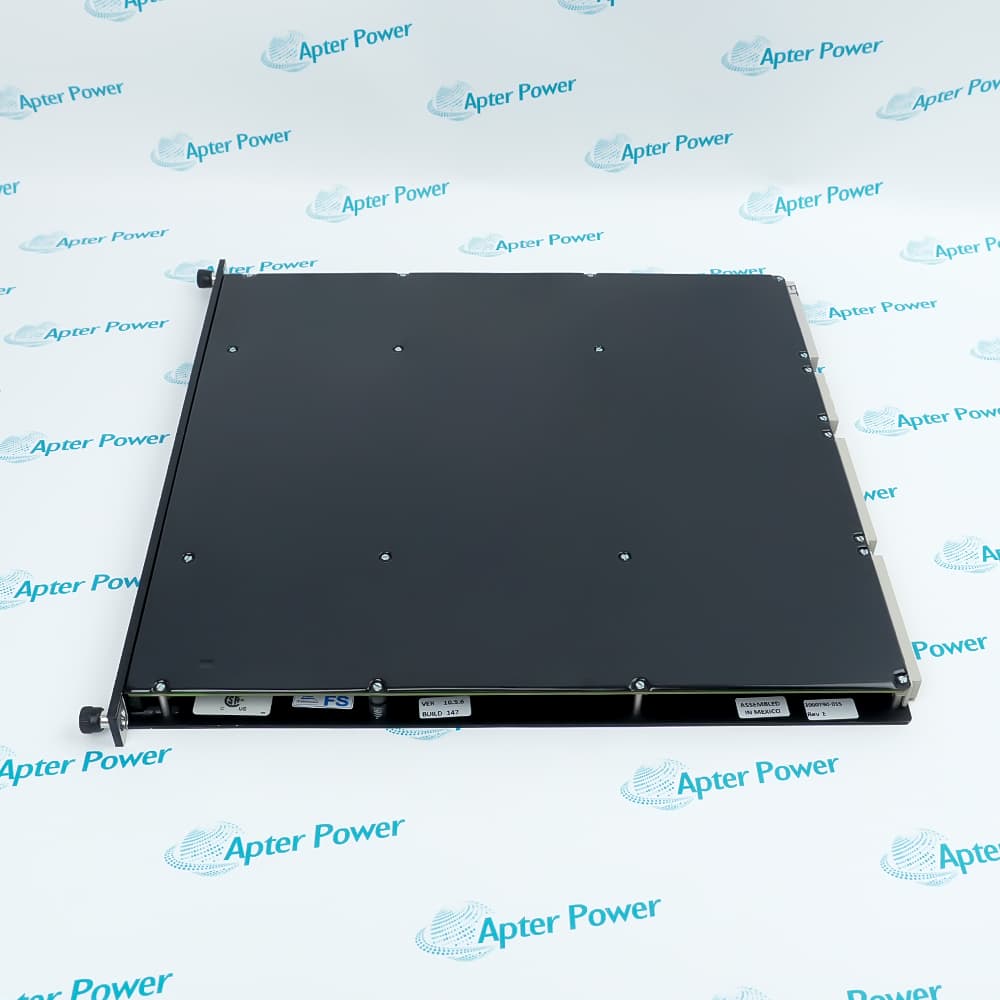
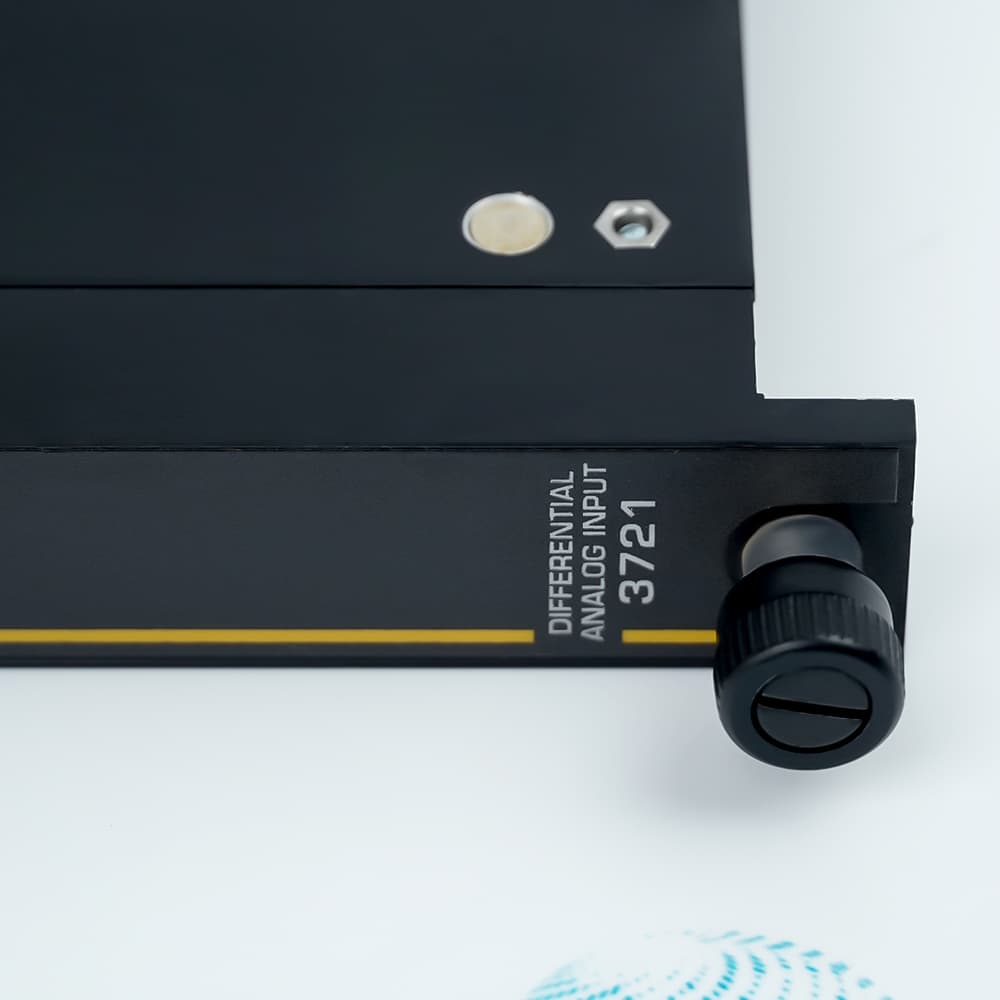
The Triconex 3721 Analog Input Module serves as the primary differential analog input interface within a Tricon rack, delivering high-integrity voltage measurement capability to all safety functions across the system. The 3721 continuously accepts differential input signals in the range of 0 to 5 VDC or –5 to +5 VDC and processes these through its triple-modular-redundant architecture to ensure fault-tolerant data acquisition. Seamless signal validation is inherent to the 3721, as each channel employs three independent paths that execute a mid-value select algorithm, thereby isolating any path that deviates beyond acceptable tolerance. The 3721 achieves substantial improvements over conventional single-channel designs by incorporating DC-coupled differential measurement within the Tricon platform.
The 3721 provides essential analog input functions common to the entire safety loop, and is a critical component of the measurement path, directly affecting the accuracy and availability of the overall control system. One or more 3721 modules are deployed per rack depending on the required channel density and safety integrity level. The 3721 occupies a standard single slot in the Tricon rack and is installed in any available I/O slot position alongside other Triconex modules.
For high-availability applications, the Tricon system leverages the inherent TMR architecture of the 3721 at the channel level rather than requiring a second physical module. In addition to standard triple-path operation, the 3721 configuration performs continuous diagnostics. The 3721 TMR channel architecture executes fault detection using the internal comparators specified in the module design. Using this method, the 3721 continually monitors the health of all three signal paths. If the module detects that any single path is no longer providing valid measurement data (outside configured voltage or tolerance levels), it will automatically exclude that path from the voting process, maintain accurate output using the remaining two healthy paths, and report the diagnostic status to the main processor.
The 3721 Triconex Analog Input Module may still be available for purchase and support from Apter Power beyond End-Of-Life (EOL) by the manufacturer (OEM).
Triconex 3721 Analog Input Module Manuals,Datasheets,Link
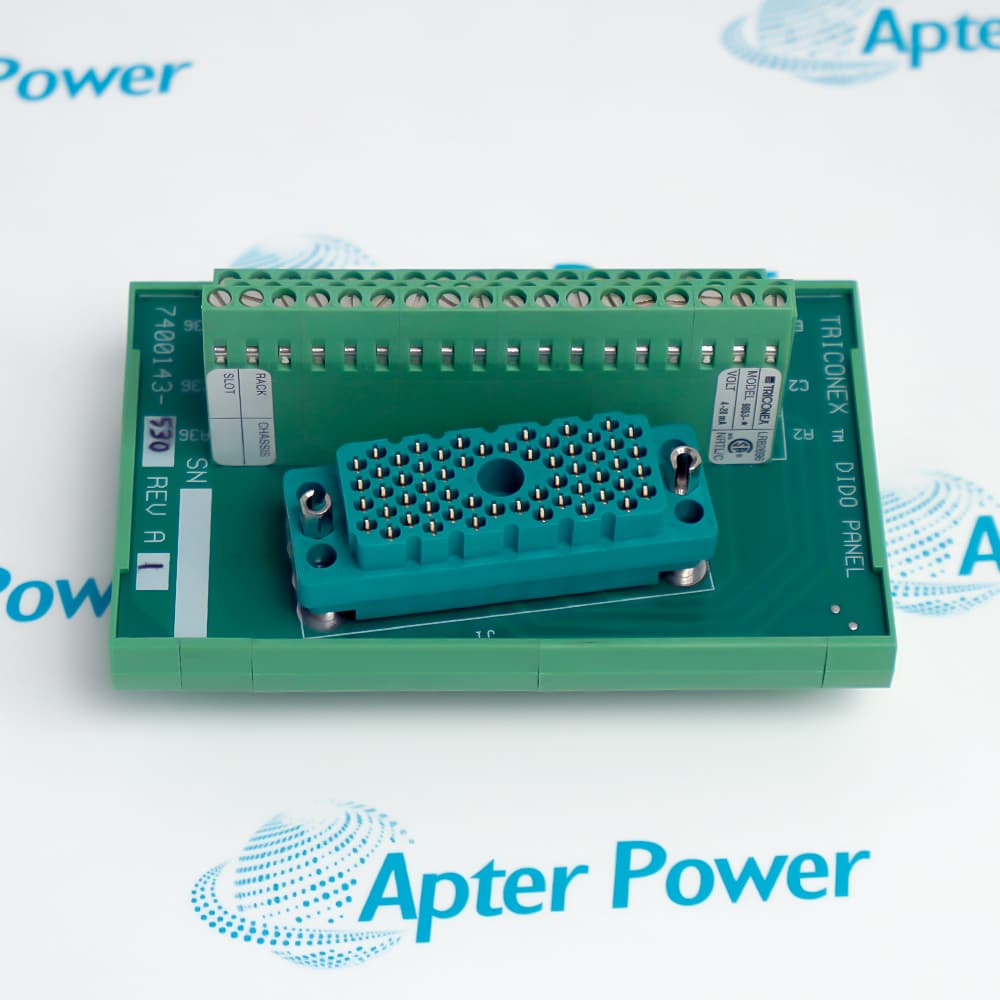
Important Notice: Other accessories, manuals, cables, calibration data, software, etc. are not included with this equipment unless listed in the above stock item description. All prices are shown in USD.
Triconex 3721 Analog Input Module Specs
General
- Manufacturer Triconex
- Model 3721
- Condition New Original ready stock
- Product Family 3704E,3720,3701,3703E
Important Notice: Other accessories, manuals, cables, calibration data, software, etc. are not included with this equipment unless listed in the above stock item description. All prices are shown in USD.
- Nuclear Reactor Protection: Used for real-time monitoring of nuclear steam supply systems, such as in the "Heqi-1" project at the Tianwan Nuclear Power Plant, to ensure safe and efficient industrial steam supply.
- Emergency Shutdown (ESD): Provides reliable data inputs for systems designed to safely shut down industrial processes during abnormal conditions.
- Turbomachinery Control: Monitors critical parameters in turbines and compressors to prevent overspeed or mechanical failure.
- Fire and Gas Detection: Reliable monitoring of environmental sensors in hazardous industrial environments.
- Redundancy & Voting: It uses three independent "legs" of circuitry; the system votes on incoming data to identify and compensate for individual hardware faults without interrupting the process.
- Certifications: Qualified for use in safety-critical systems by major agencies, including TÜV Rheinland and Factory Mutual (FM).
- Safety Integrity: Designed to meet SIL 3 (Safety Integrity Level 3) requirements, the highest level typically required for industrial safety systems.
- Nuclear Qualification: Specific versions (e.g., 3721N) are re-qualified and approved by the U.S. Nuclear Regulatory Commission (NRC) for safety-related applications in nuclear facilities.
- Hot-Spare Capability: Supports "hot-spare" modules, allowing for online, under-power replacement of a faulty module without impacting the running application.
- Advanced Diagnostics: Continuously monitors hardware health and field-load status, triggering alarms for faults before they lead to system failure.
- Environmental Resilience: Rated for operation in harsh conditions, with operating temperatures typically ranging from -20°C to +60°C.