Features:
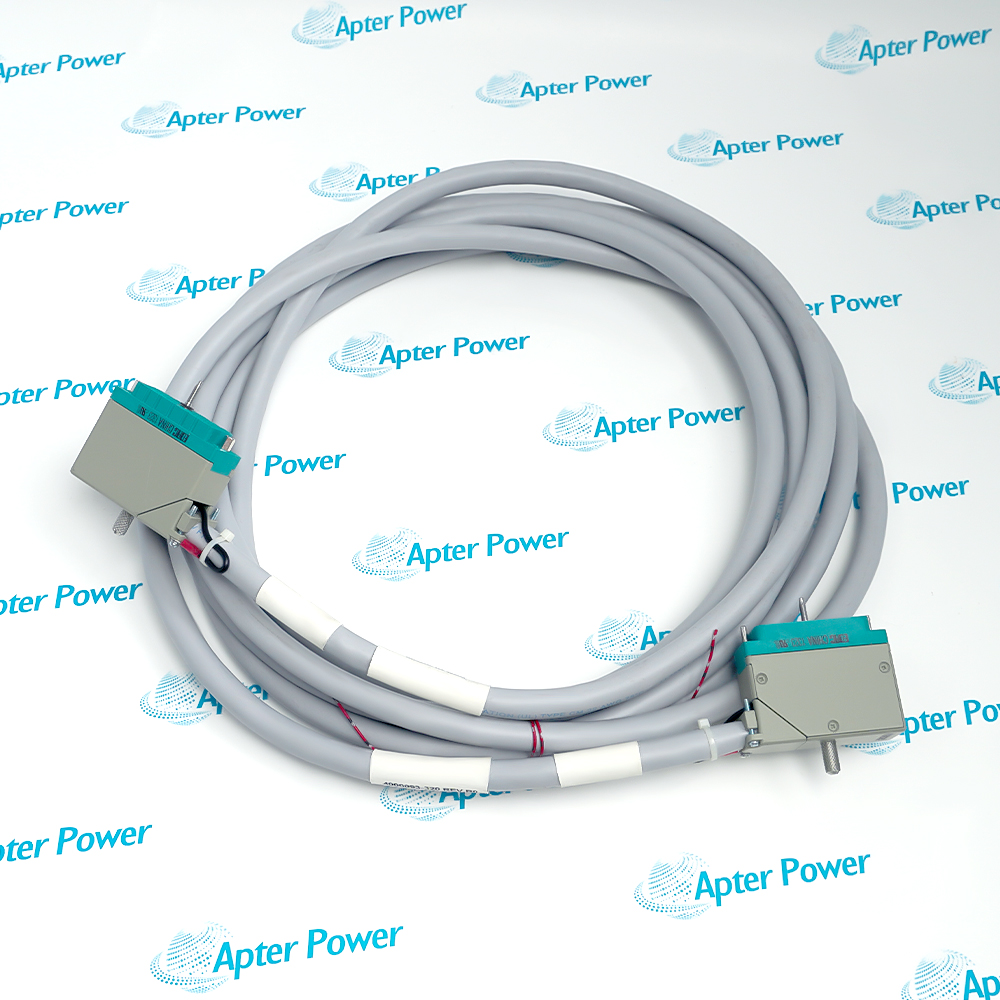
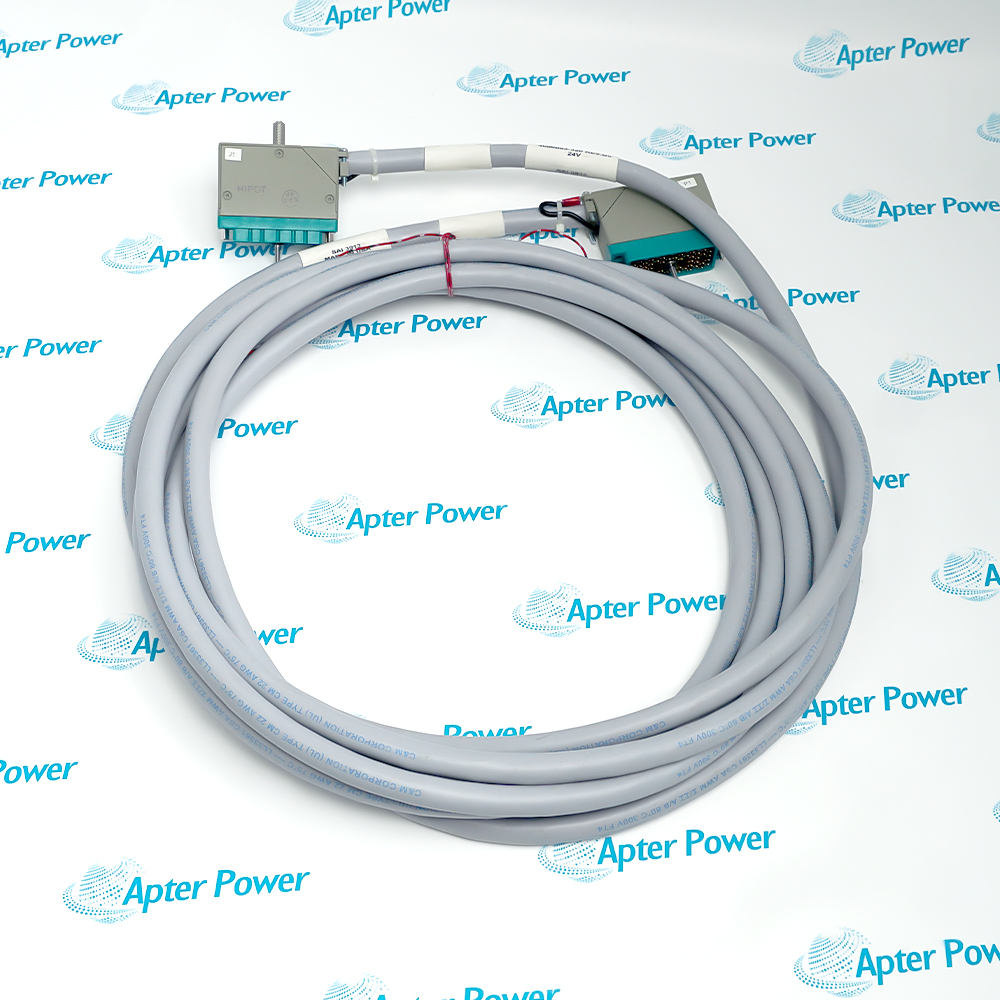
- Exact-model Triconex interface cable assembly
- Selection based on label and installed connector path
- Conservative service scope without unsupported interchange claims
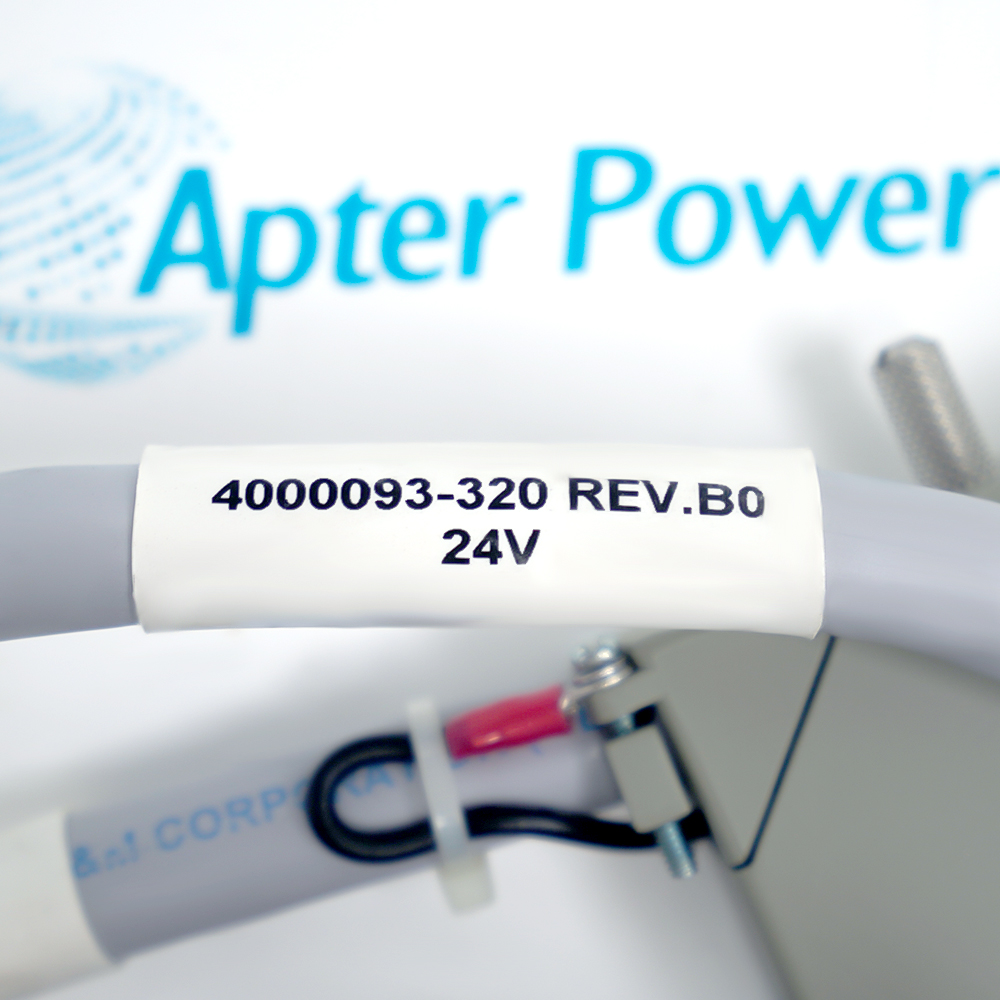
The complete catalog number is the primary identity for this legacy cable.
Panel compatibility must come from the installed drawing or original cable record.
A connector match by itself is not proof that conductors and circuit assignment are correct.
Apter Power supports Triconex 4000093-320 enquiries with exact-model, label and installed-system review.
Triconex 4000093-320 Triconex Interface Cable Assembly Manuals,Datasheets,Link
Important Notice: Confirm the complete model, revision, mating hardware and installed-system arrangement before use.
- Full number: Use 4000093-320 rather than the shared 4000093 family stem.
- Connector pair: Compare both ends, including keying and shell orientation.
- Installed record: Match the cabinet drawing and original cable tag before removal.
- Revision evidence: Retain any suffix, label or drawing references found on site.
- Connector pins: Look for bent, recessed, corroded or contaminated contacts.
- Backshells: Confirm shells, latches and strain-relief hardware remain secure.
- Cable body: Reject assemblies with cuts, crushing, sharp kinks or exposed shielding.
- Label condition: Keep the complete identifier readable for later maintenance.
- Routing: Restore the original supports and separation from heat or moving hardware.
- Seating: Confirm both connectors are fully engaged and mechanically retained.
- Circuit review: Check the affected input or output path against the cabinet drawing.
- Functional proof: Complete the site-approved safety-system test before release.
- Exact-model replacement: Renew a damaged cable where the installed label confirms 4000093-320.
- Cabinet maintenance: Restore a disconnected interface after documented service work.
- Legacy spares control: Hold the cable against a specific cabinet and drawing reference.
- Failure isolation: Separate cable and connector faults from module or termination faults.