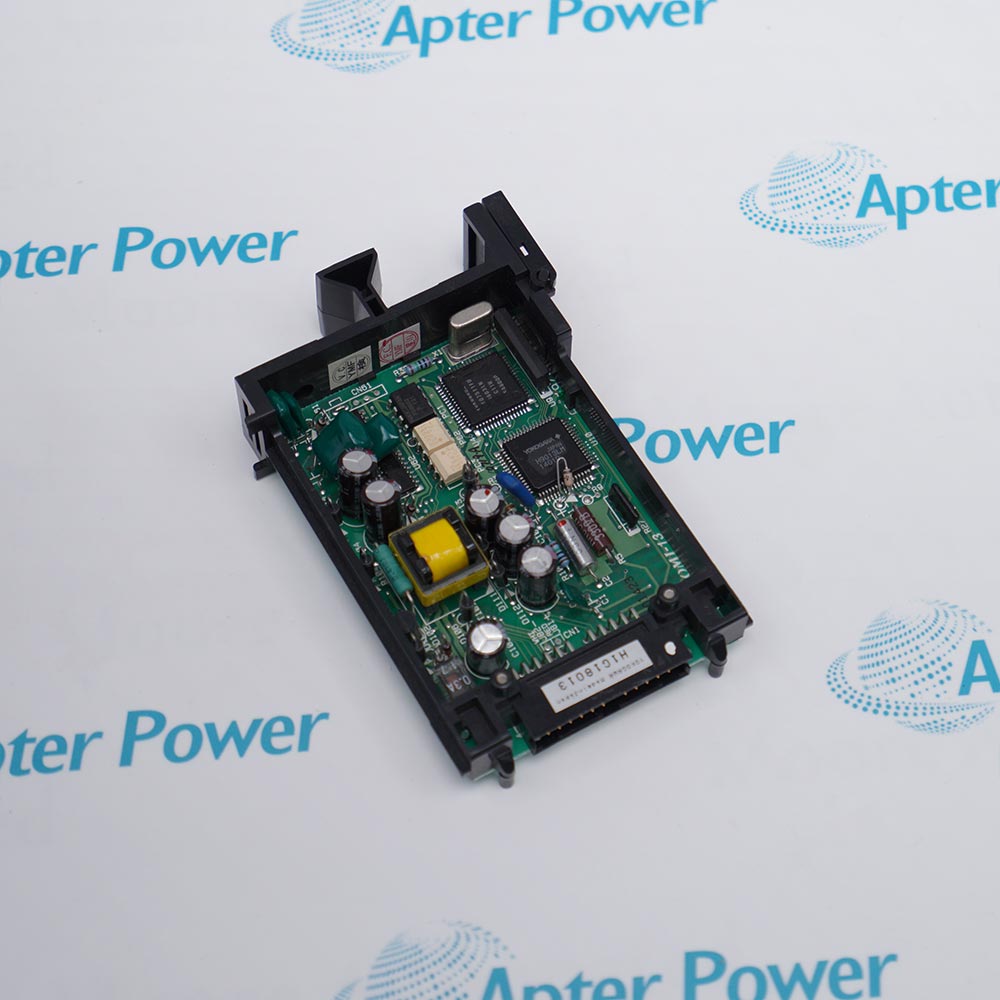
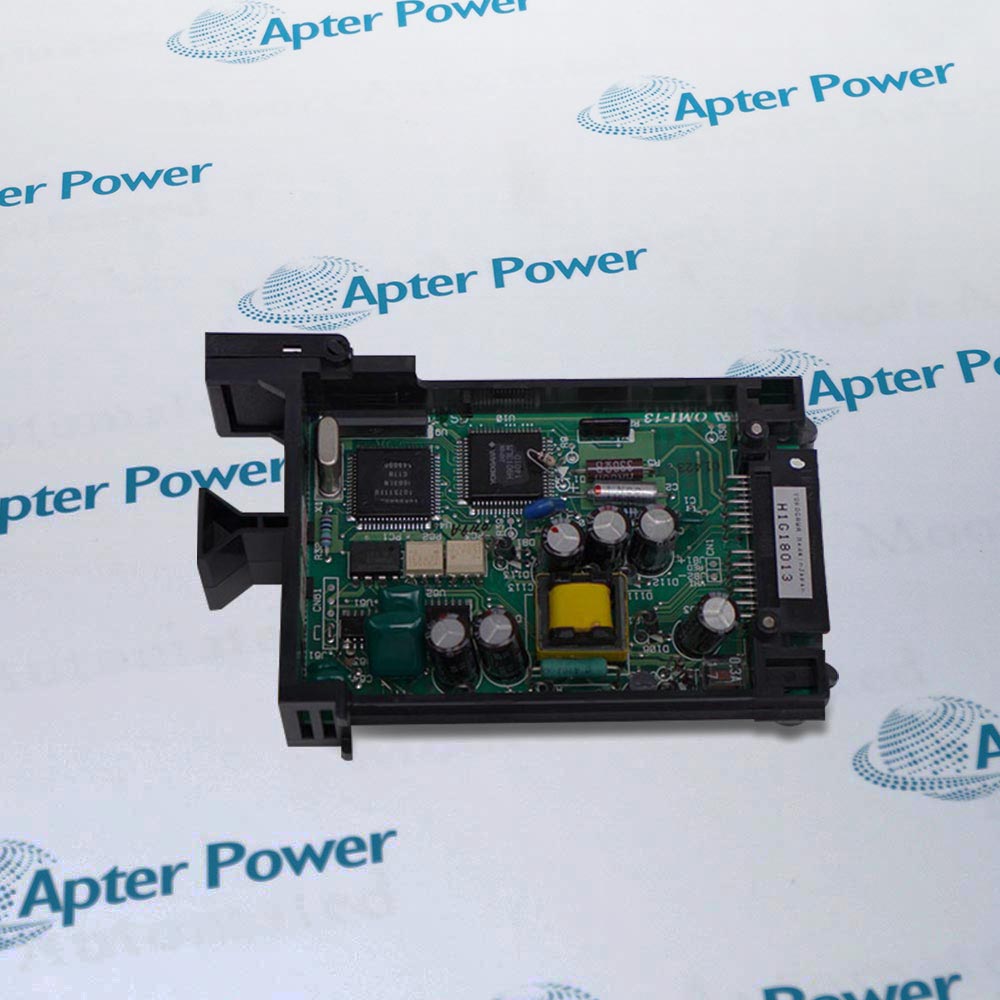
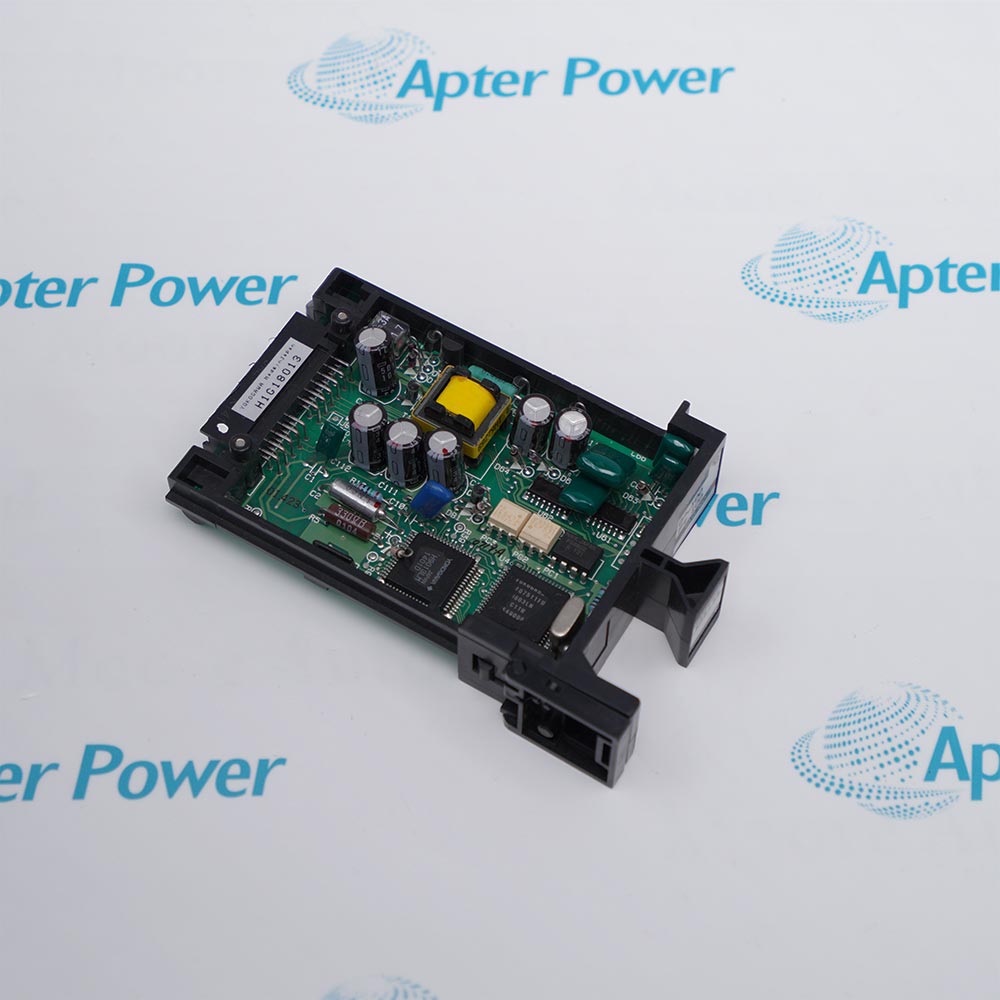
YOKOGAWA ER5-B
YOKOGAWA ER5-B
YOKOGAWA ER5-B
YOKOGAWA ER5-B
YOKOGAWA ER5-B
YOKOGAWA ER5-B
Ask our team:
  • Phone: +86 181 0690 9650
  • E-Mail sales1@apterpower.com

ER5-B

/ 4.9
1001 reviews | Need a Specific Revision?
The ER5-B is a Yokogawa resistance thermometer (RTD) input signal conditioner card for Pt100, JP100, and Pt50 sensors, with 1-5V DC output and BRAIN terminal configurability.
Get a quick price for ER5-B
Quantity
*E-mail
Company
*Mobile
*Content
Upload (gif, jpg, jpeg, png, bmp, doc, docx, xls, xlsx, ppt, pdf, csv)

Technical specifications for ER5-B

  • Manufacturer:
    Yokogawa
  • Part Number:
    ER5-B
  • Product Family:
    Yokogawa DCS system
  • Product Type:
    Input Signal Conditioner Card
  • Measuring Current:
    1 mA
  • Span Range:
    10 to 650°C (Pt100); 10 to 500°C (JP100)
  • Total Resistance Range:
    100 to 2000 Ω
  • Span Range (resistance mode):
    80 to 2000 Ω (≥50% of total resistance)
  • Zero Elevation:
    Max. 5 times span
  • Output Signal:
    1 to 5 V DC, 2 outputs
  • Output Resistance:
    1 Ω max.
  • Load Resistance:
    2 kΩ min.
  • Input Linearization:
    Provided
  • Accuracy:
    ±0.1% of span
  • Withstanding Voltage (I/O):
    1500 V AC for 1 minute
  • Power Supply:
    24V DC ±10%
  • Current Consumption:
    60 mA max.
  • Operating Temperature:
    0 to 50°C
  • Humidity:
    5 to 90% RH (non‑condensing)
  • Weight:
    0.08 kg
  • Estimated shipping dimensions:
    7.5x11.4x2.3cm
  • Tariff Code:
    8501310000
  • Country of origin:
    Japan
  • Place of shipment:
    Xiamen, Fujian, China
By purchasing this item, you agree to the Terms & Conditions, ApterPower is not an authorized distributor for listed manufacturers or tradenames and therefore the manufacturer's warranty does not apply. All our products come with ApterPower's 1-year warranty.

More Information

Overview Manuals Specifications Application Operating Environment Monitoring & Control

Features:

  • Accepts multiple RTD standards with 1 mA measuring current; configurable via BRAIN terminal; span range 10‑650°C (Pt100).
  • Provides two isolated analog outputs; output resistance 1 Ω max.; load resistance 2 kΩ min.; second output deviation ±0.2%.
  • Measuring range, zero elevation, and sensor type are adjustable via portable BRAIN terminal; no need to return the card to the factory for range changes.
The ER5-B is specifically designed for 3‑wire RTD temperature measurement. RTDs (resistance temperature detectors) are the most common industrial temperature sensors due to their accuracy and stability. The 3‑wire configuration cancels lead resistance errors – a critical feature when sensors are located far from the control cabinet.

The ER5-B provides two analog outputs, each 1‑5V DC. This dual‑output feature is useful when the temperature signal must be sent to two separate destinations: for example, to a DCS for control and to a display for local indication. The output resistance is very low (1 Ω max.), allowing the output to drive long cables without voltage drop. Load resistance must be at least 2 kΩ. The primary output accuracy is ±0.1% of span. The second output has a deviation of ±0.2% from the first output, which is sufficient for monitoring purposes.

The ER5-B is designed for field configurability using Yokogawa’s portable BRAIN terminal. This handheld communicator connects to the card’s configuration port, allowing engineers to change the input sensor type, measuring range, zero elevation, and other parameters without removing the card from the nest. This eliminates the need to return the card to the factory for range changes – a significant advantage during commissioning or when process requirements change. The BRAIN terminal also reads the card’s tag number, diagnostics, and output value. The effect of ambient temperature change is only ±0.2% of span per 10°C.

The ER5-B YOKOGAWA Signal Conditioner Card may still be available for purchase and support from Apter Power beyond End-Of-Life (EOL)by the manufacturer (OEM).

YOKOGAWA ER5-B Input Signal Conditioner Card Manuals, Datasheets,Drivers,Link Important Notice:Other accessories,manuals,cables,calibration data,software,etc.are not included with this equipment unless listed in the above stock item description.All prices are shown in USD.
YOKOGAWA ER5-B Input Signal Conditioner Card Specs

General

  • Manufacturer YOKOGAWA
  • Model ER5-B
  • Condition New Original ready stock
  • Product Family EH1-A,EP3-A,ER5-C,EXT-A,MX3-D
Important Notice:Other accessories,manuals,cables,calibration data,software,etc.are not included with this equipment unless listed in the above stock item description.All prices are shown in USD.
  • Petrochemicals & Refining: Monitors critical process temperatures in reactors, distillation columns, and cracking furnaces to avert runaway thermal reactions.
  • Power Generation: Tracks critical parameters including steam turbine bearing temperatures, boiler tube wall temperatures, economizer outputs, and cooling water circuits.
  • Metallurgy & Iron/Steel: Measures high-temperature points on blast furnace cooling staves, reheating furnaces, and hot rolling lines.
  • Pharmaceuticals & Food Processing: Used in highly regulated environments for precise temperature tracking in sterilization autoclaves, fermentation tanks, and cold-storage utilities.
  • Operating Ambient Temperature: 0 to 50°C (32 to 122°F). Stable ambient conditions are required to prevent thermal drift and maintain measurement accuracy.
  • Ambient Humidity: 5% to 90% RH (non-condensing). Typically deployed in air-conditioned and dehumidified rack rooms.
  • Vibration & Protection: Built as a plug-in module with high mechanical vibration resistance. Environmental ingress protection depends on the outer marshalling enclosure (typically rated IP54 or higher).
  • Galvanic Isolation: Offers robust three-way electrical isolation (Input-Output-Power) rated up to 1500 V AC for 1 minute, preventing ground loops, surges, and electromagnetic noise from penetrating the central control system.
  • Burnout Detection: Features built-in sensor diagnostics. If a field RTD element or extension wire breaks, the ER5-B forces its output upscale or downscale, instantly triggering a sensor-break alarm in the DCS.
  • Loop Health Checks: The upstream DCS controller continuously monitors the 1–5 V analog loop; values slipping outside this threshold (e.g., dropping to 0.8 V) alert operators to loop degradation or shorts.
  • Online Tuning: Supports Yokogawa's BRAIN communication protocol. Maintenance teams can connect a BT200 handheld terminal to the module's communication jacks or across the output signal lines to adjust the temperature range, change engineering units, or perform zero/span calibrations live without shutting down operations.
Description
The ER5-B is a resistance thermometer sensor input card from Yokogawa’s signal conditioner series. It accepts 3‑wire RTD inputs from Pt100 (JIS/IEC, DIN), JP100, and Pt50 sensors. The measuring current is 1 mA. The card provides two 1-5V DC outputs with an output resistance of 1 Ω max. 

When using the ER5-B, engineers can change the measuring range using a portable BRAIN terminal. The span can be set from 10°C to 650°C (Pt100) or 10°C to 500°C (JP100). Zero elevation is up to 5 times the span. Total resistance range is 100 to 2000 Ω, with a span of 80 to 2000 Ω (span must be at least 50% of total resistance). 

The ER5-B has isolation between input and output signals, and between output and power input. Withstanding voltage is 1500V AC for 1 minute between input and output. Power supply is 24V DC ±10%, with maximum current consumption of 60 mA. Accuracy is within ±0.1% of span. Ambient temperature range is 0-50°C, with 5-90% RH non‑condensing. 

For legacy Yokogawa DCS or signal conditioning systems, the ER5-B provides reliable RTD temperature measurement. It is part of a family of 16 signal conditioner cards for different field signals. The card has no reference junction compensation (not required for RTDs).
Alternative Names
EH1-A EP3-A PC10031 ER5-C ET5-B EXT-A MX3-D PS35-A
Technical notes
The ER5-B is a Yokogawa resistance thermometer (RTD) input signal conditioner card designed for precise temperature measurement in industrial automation. It accepts 3‑wire Pt100, JP100, and Pt50 sensors with a measuring current of 1 mA.
Exceptional Service

Our Mission

  • 100% Satisfaction

    We believe expertise is priceless. With over 20 years of experience, and top engineers on staff, we can help you solve or avoid problems that threaten your business.
  • Trust Guaranteed

    Not only do we have a vast inventory, our team makes sure every piece of equipment is in working condition. Your purchases are also backed by our Warranty.
  • Expertise

    Time is money, especially when your equipment is down. We work quickly to get your equipment on its way so you can get it back up and running.

FAQS

The following is a list of questions commonly asked by our customers. Please contact us if you have a question about our process that is not answered below.
Which RTD sensors work with ER5-B?
The ER5-B accepts Pt100 (JIS C1604:2013, IEC 60751; DIN/IPTS‑68; JIS C1604:1989), JP100, and Pt50 sensors. The 3‑wire connection ensures accurate measurement. Use the BRAIN terminal to select the sensor type and measuring range. The measuring current is 1 mA.
How do I change the measuring range of ER5-B?
Use a portable BRAIN terminal to adjust the span from 10°C to 650°C (Pt100) or 10°C to 500°C (JP100). Zero elevation can be set up to 5 times the span. The range is field‑configurable, eliminating the need for a different card.
What output signal does ER5-B provide?
The ER5-B provides two isolated 1‑5V DC outputs. Output resistance is 1 Ω max., load resistance must be 2 kΩ min. The second output has an accuracy deviation of ±0.2% from the first output. The outputs are not electrically isolated from each other.
How is ER5-B installed and wired?
The ER5-B mounts into a special nest (backboard). Signals and power are connected via backboard and connector. External wiring uses M4 screw terminals on the nest. For sensor wiring, use shielded twisted‑pair cable.

Product Browsing History