Fast Quote
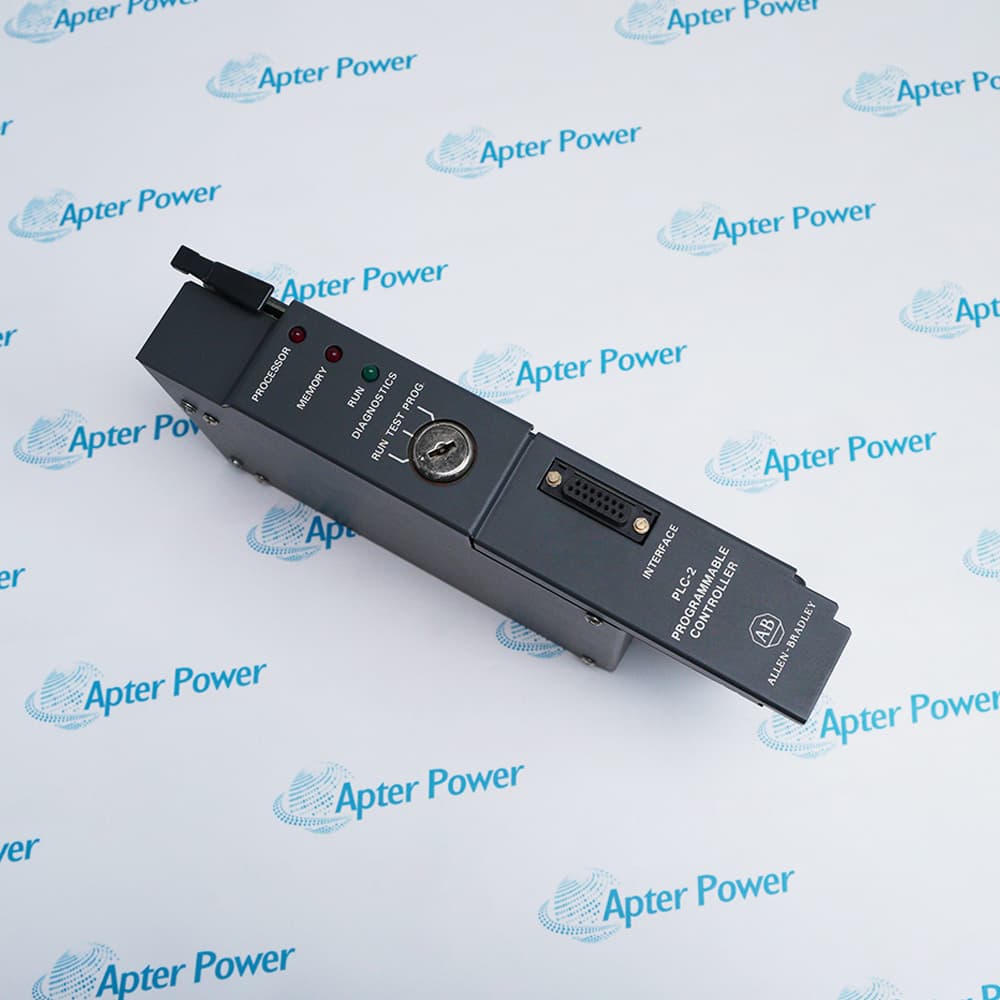
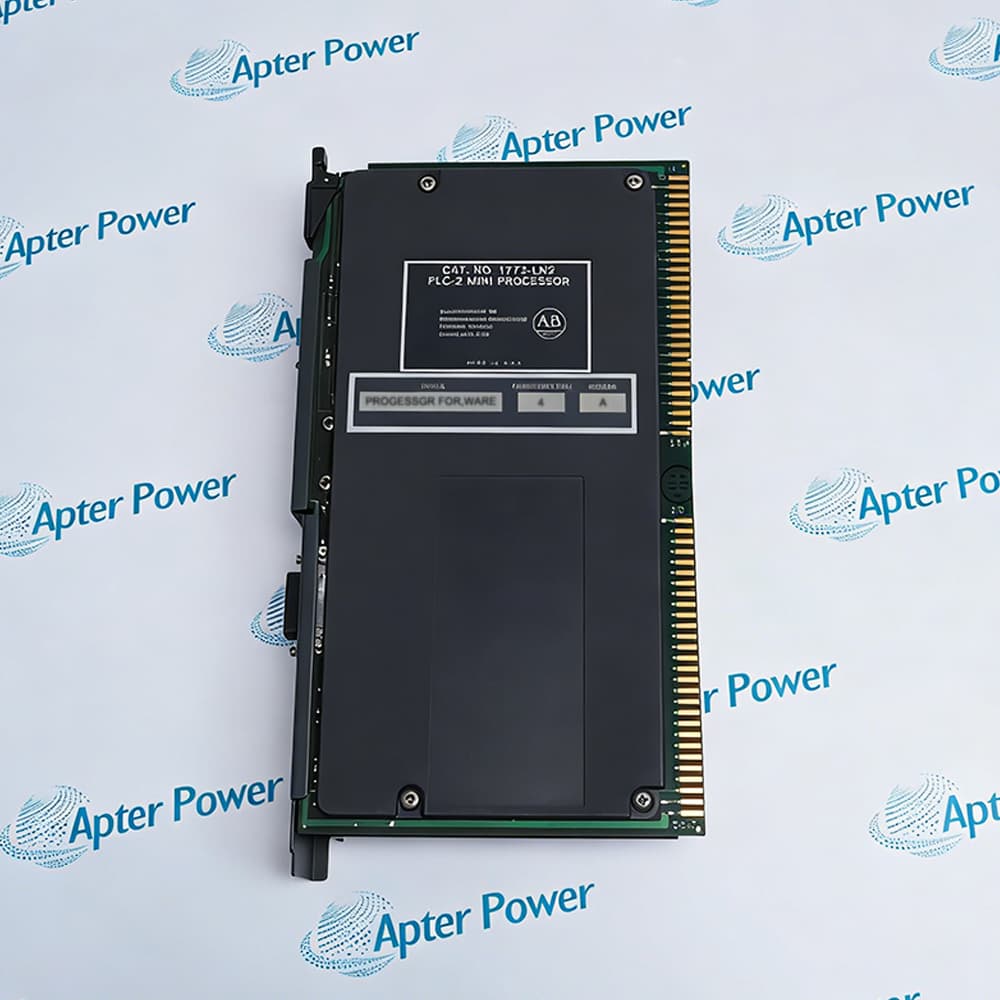
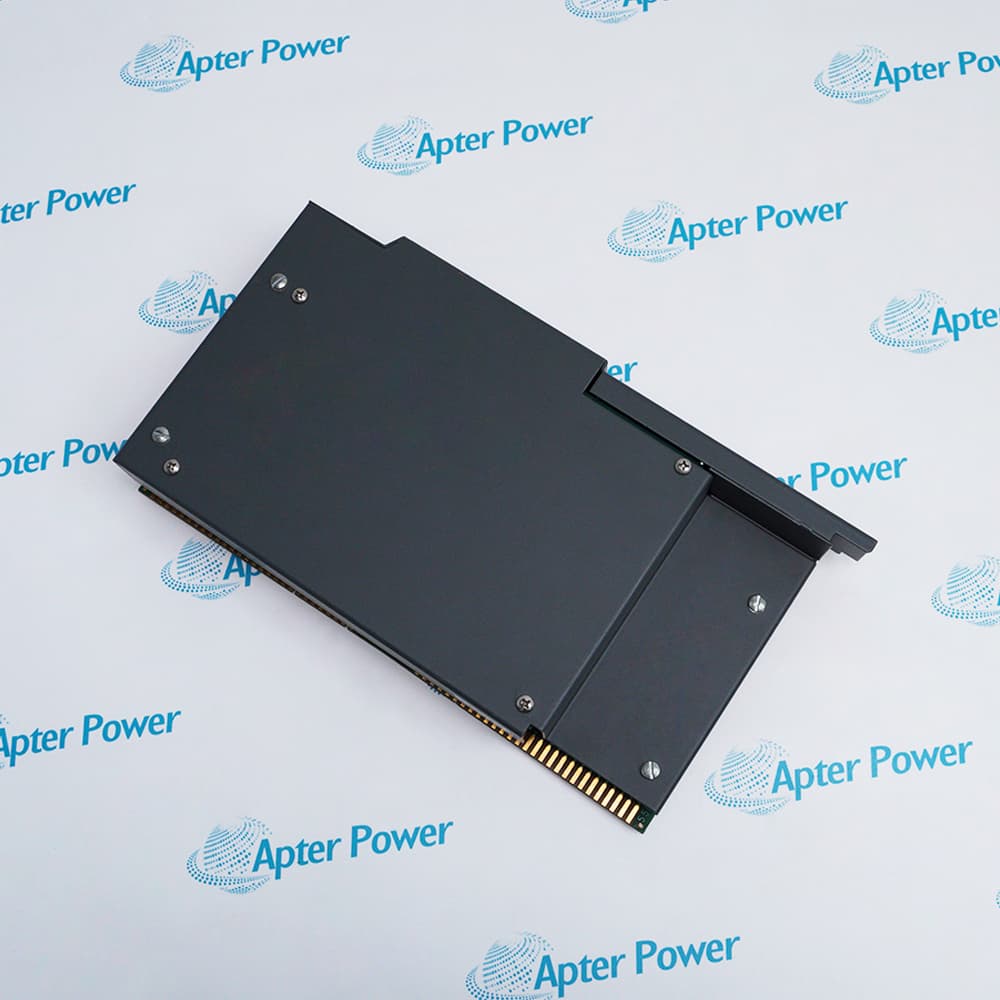

1772-LN2 serves as the central Mini-PLC-2 processor, executing the ladder application while coordinating the input and output image for the connected 1771 I/O.
Its 1,024-word memory is shared by the data table, user program, and optional message storage, so the installed memory allocation must be preserved when the processor is replaced.
Before returning the system to service, restore the verified program, confirm rack addressing and I/O assignments, and validate the original timers, counters, messages, and machine sequence.
Availability, condition, price, and shipping time for 1772-LN2 are confirmed during quotation.
Allen-Bradley 1772-LN2 Mini-PLC-2 Processor Manuals, Datasheets, Links
 Allen-Bradley 1772-LN2 DatasheetBrowse Allen-Bradley PLC Product ListingsReview Apter Power Service and Support Information
Important Notice: Other accessories, manuals, cables, calibration data, software, etc. are not included with this equipment unless listed in the above stock item description. All prices are shown in USD.


APTER.COM is an official website owned and operated by Apter Power Limited.All rights reserved.
Apter Power is not an authorized distributor or representative of the manufacturers featured on this website.All brand names and trademarks are the property of their respective owners.