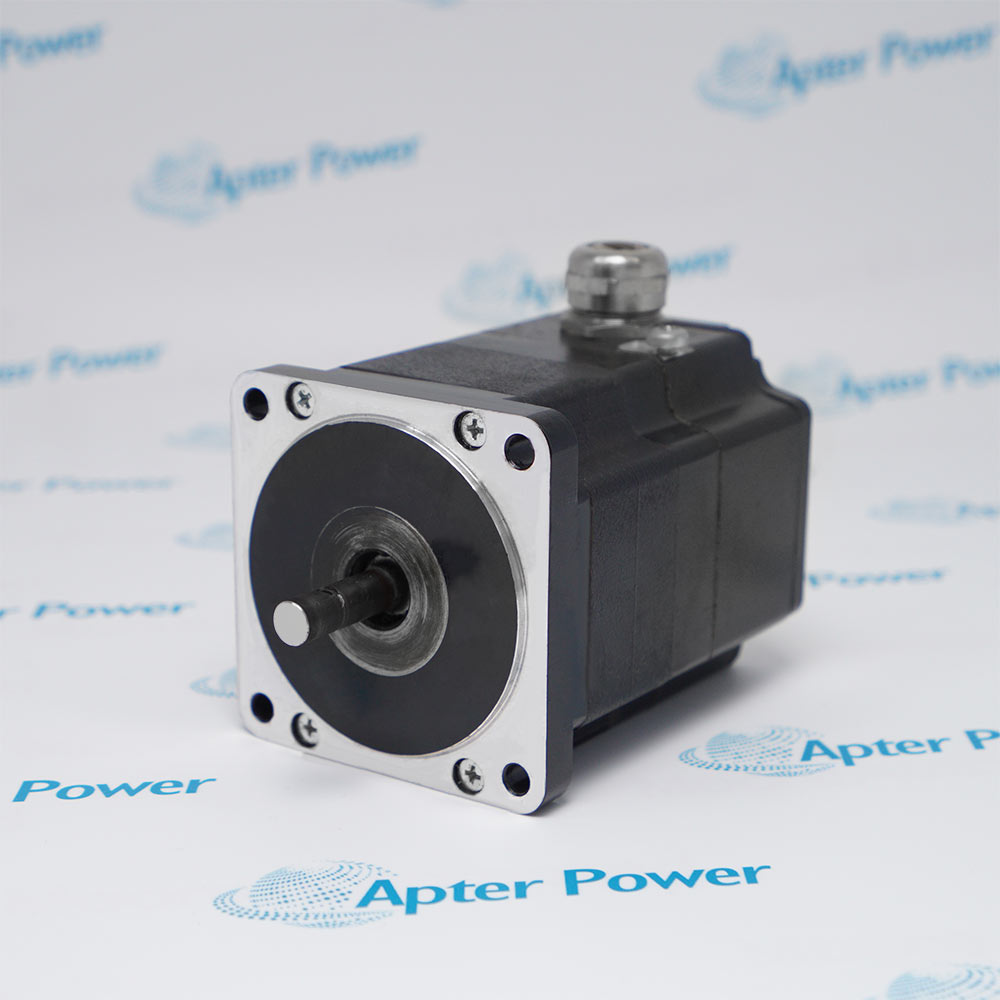
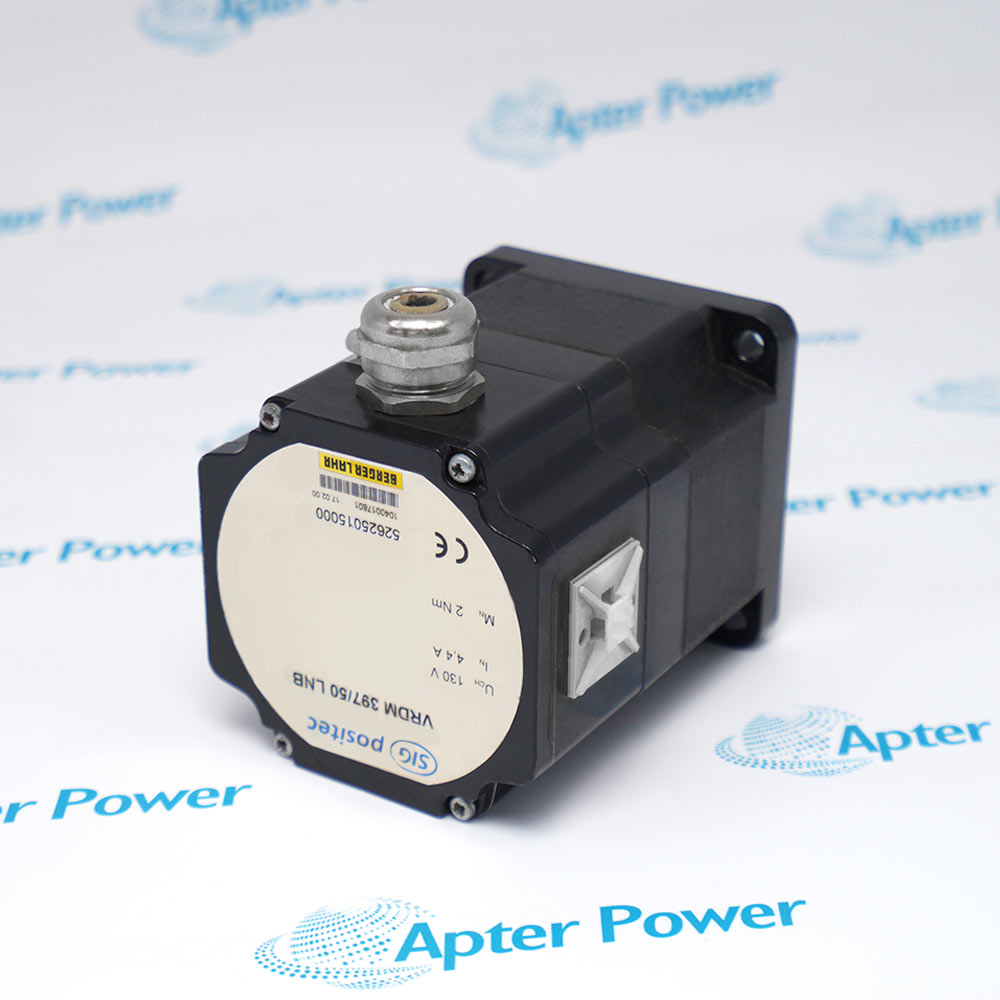
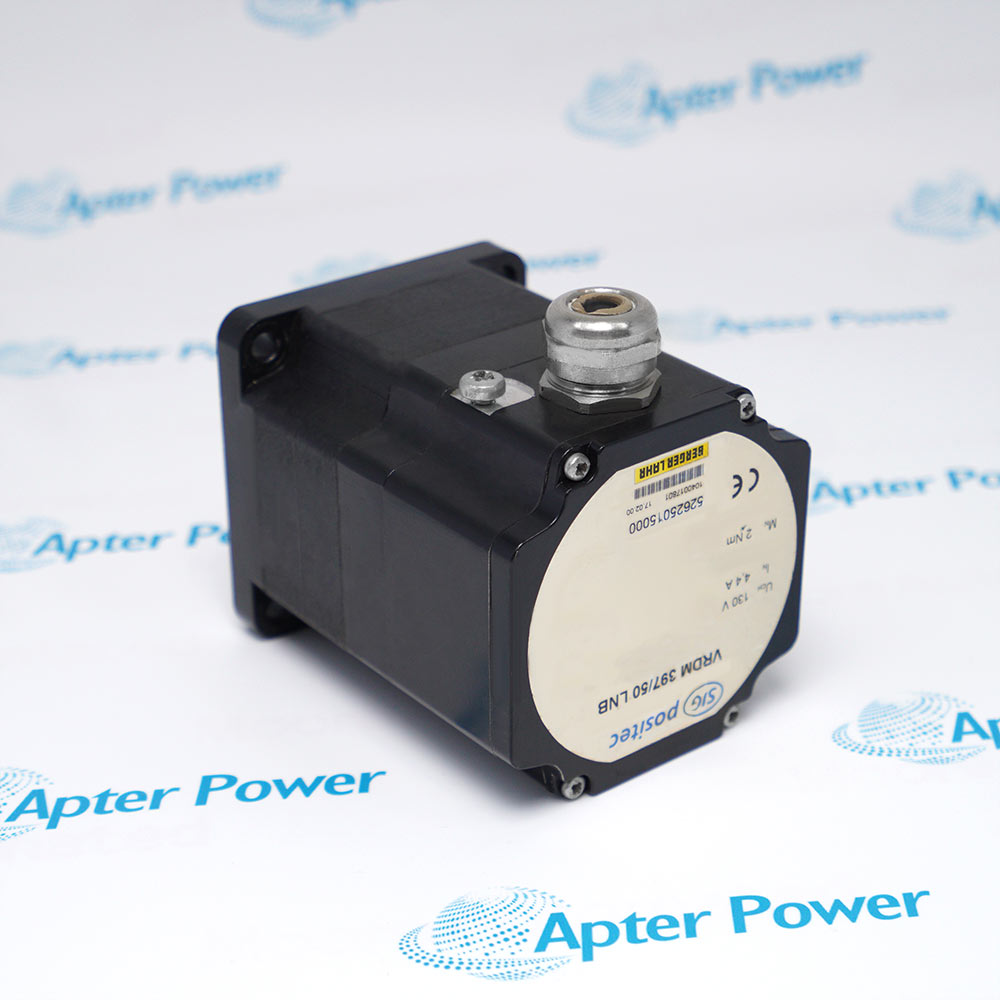
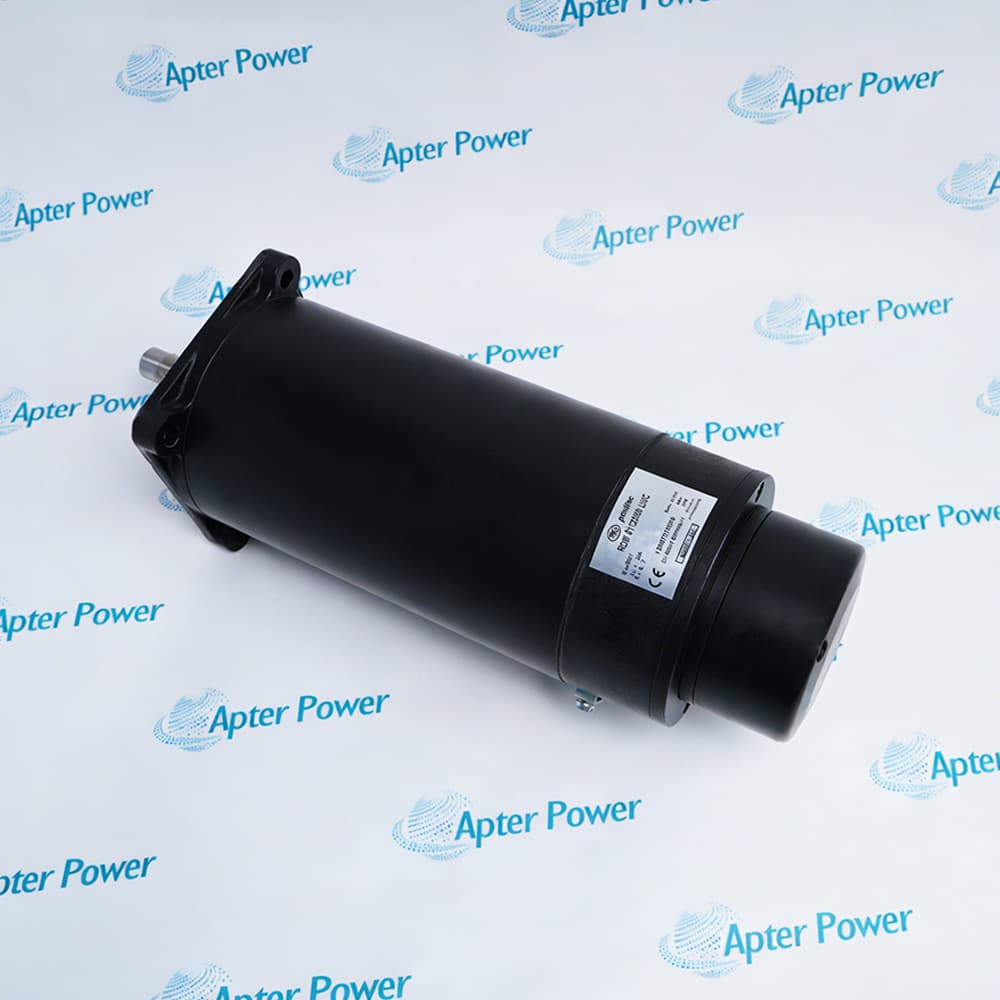
Features:
- Selectable step resolutions from 200 to 10,000 steps per revolution enable precise positioning with step angles as fine as 0.036°.
- High torque density with 1.5 Nm nominal torque and 1.70 Nm holding torque in a compact 57.2 mm square flange package.
- Flexible voltage compatibility with maximum supply of 230 VAC or 325 VDC and multiple phase current options for optimized performance.
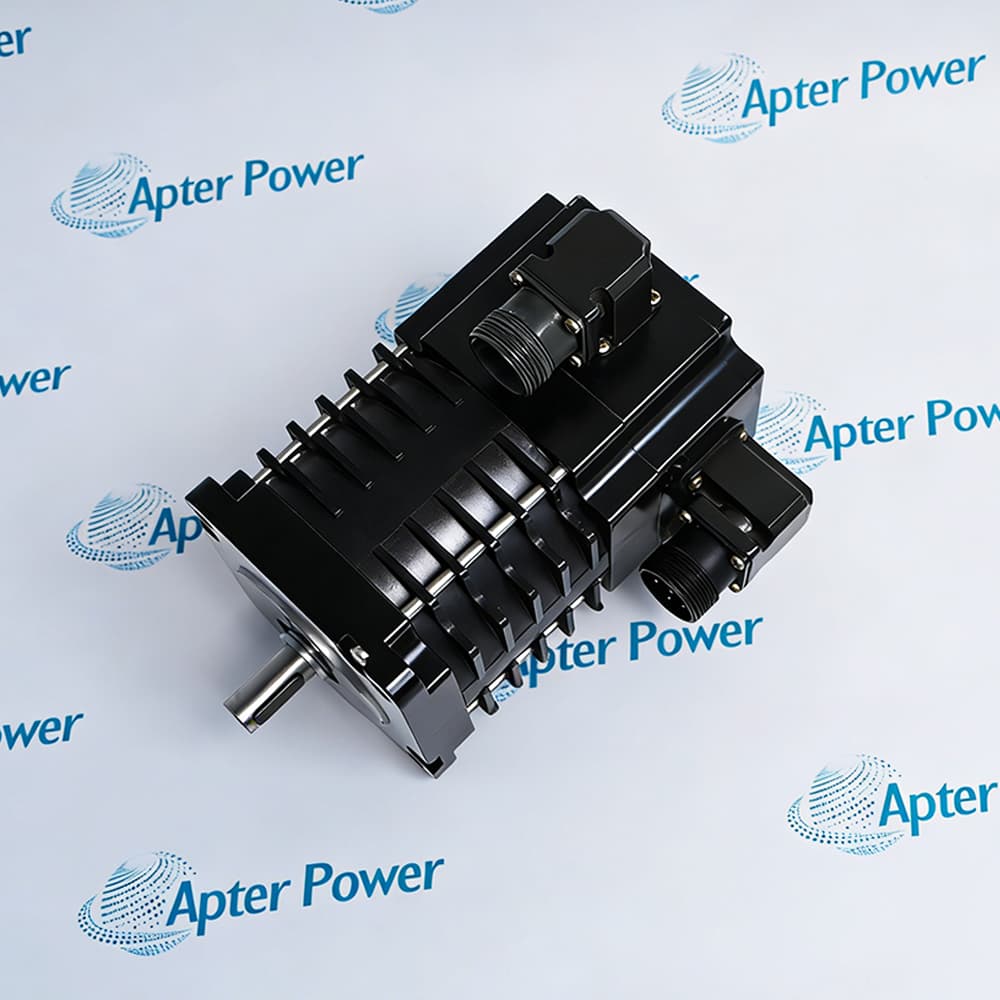
The VRDM 368/50 LNB offers exceptional positioning flexibility with eight selectable step resolutions ranging from 200 to 10,000 steps per revolution. This translates to step angles from 1.8° down to an ultra-fine 0.036°, allowing engineers to balance between speed and positional accuracy based on application requirements.
Despite its compact 57.2 mm square flange, the VRDM 368/50 LNB delivers impressive torque performance with 1.5 Nm nominal torque and 1.70 Nm holding torque. This high torque density makes it suitable for direct-drive applications that would typically require larger motors or gearboxes. The motor achieves this through optimized 3-phase winding configurations, available in HH (5.8 A), N (1.9 A), or H (0.9 A) current ratings.
The VRDM 368/50 LNB accepts a wide range of supply voltages—up to 230 VAC or 325 VDC—enabling seamless integration with various drive platforms. This voltage flexibility allows system designers to optimize power delivery based on speed-torque requirements. For applications requiring higher torque output, the motor can be combined with planetary gearboxes including PLE 40, PLE 60, and PLS 70 series.
The VRDM 368/50 LNB Berger Lahr 3-phase stepping motor may still be available for purchase and support from Apter Power beyond
End-Of-Life (EOL) by the manufacturer (OEM).
Berger Lahr VRDM 368/50 LNB 3-phase stepping motor Manuals,
Datasheets, Drivers, Link
Important Notice: Other accessories, manuals, cables, calibration data, software, etc. are not
included with this equipment unless listed in the above stock item description. All prices are
shown in USD.
Berger Lahr VRDM 368/50 LNB 3-phase stepping motor Specs
General
- Manufacturer Berger Lahr
- Model VRDM 368/50 LNB
- Condition New Original ready stock
- Product Family
VRDM 364,VRDM 366
Important Notice: Other accessories, manuals, cables, calibration data, software, etc. are not
included with this equipment unless listed in the above stock item description. All prices are
shown in USD.
- Industrial Automation and Robotics: Used for conveyor belt control, automated assembly lines, and precise displacement of robot joints.
- Packaging and Printing Equipment: Provides consistent synchronization in labeling, film feeding, or printhead positioning.
- CNC Machining: Used as feed drives for small milling machines or engraving machines.
- Medical Equipment: Used in laboratory analytical instruments requiring high reliability and microstepping control.
- Overheat Protection: The motor is typically equipped with a thermistor (such as a PTC) to monitor winding temperature and prevent motor burnout due to overload.
- Insulation and Protection Rating: Typically has an IP40 or higher protection rating (depending on the specific sub-model), protecting against dust and minor oil contamination.
- Fault Diagnosis: When used with a compatible drive (such as the Twin Line series), faults such as phase loss, short circuit, or stall can be identified.
- Installation Environment: Ensure the motor is installed in a well-ventilated location and use a coupling to ensure the concentricity of the motor shaft and load shaft to reduce bearing wear.
- Wiring Specifications: This model is a three-phase stepper motor. Wiring must strictly follow the driver wiring diagram to avoid incorrect phase connections that could cause motor vibration or reverse rotation.
- Upgrade Path:If the existing system is aging, it is recommended to check the driver's compatibility. Modernization upgrades typically involve replacing the older driver with a Schneider Electric Lexium series driver to obtain more advanced bus control (such as EtherCAT or CANopen).
- Spare Parts Replacement: When replacing an older model, ensure that the flange dimensions, shaft diameter, and encoder interface are consistent.