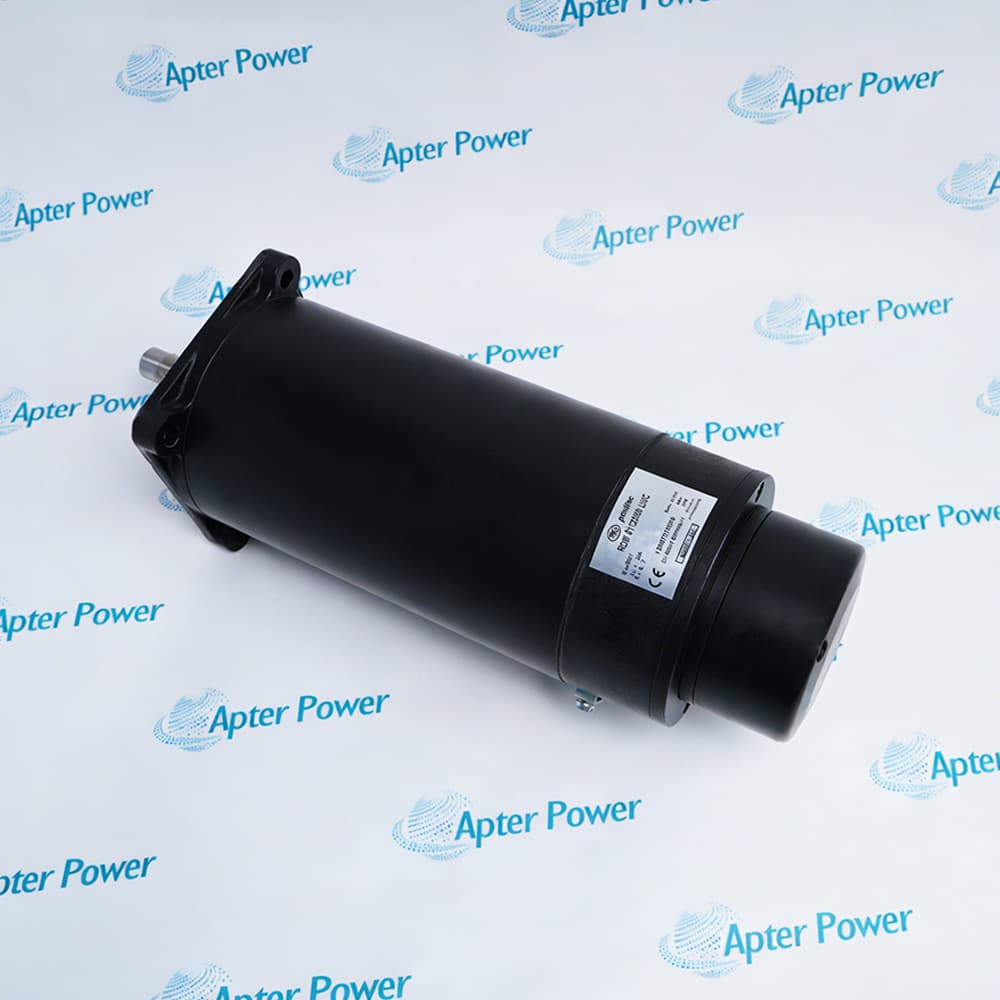
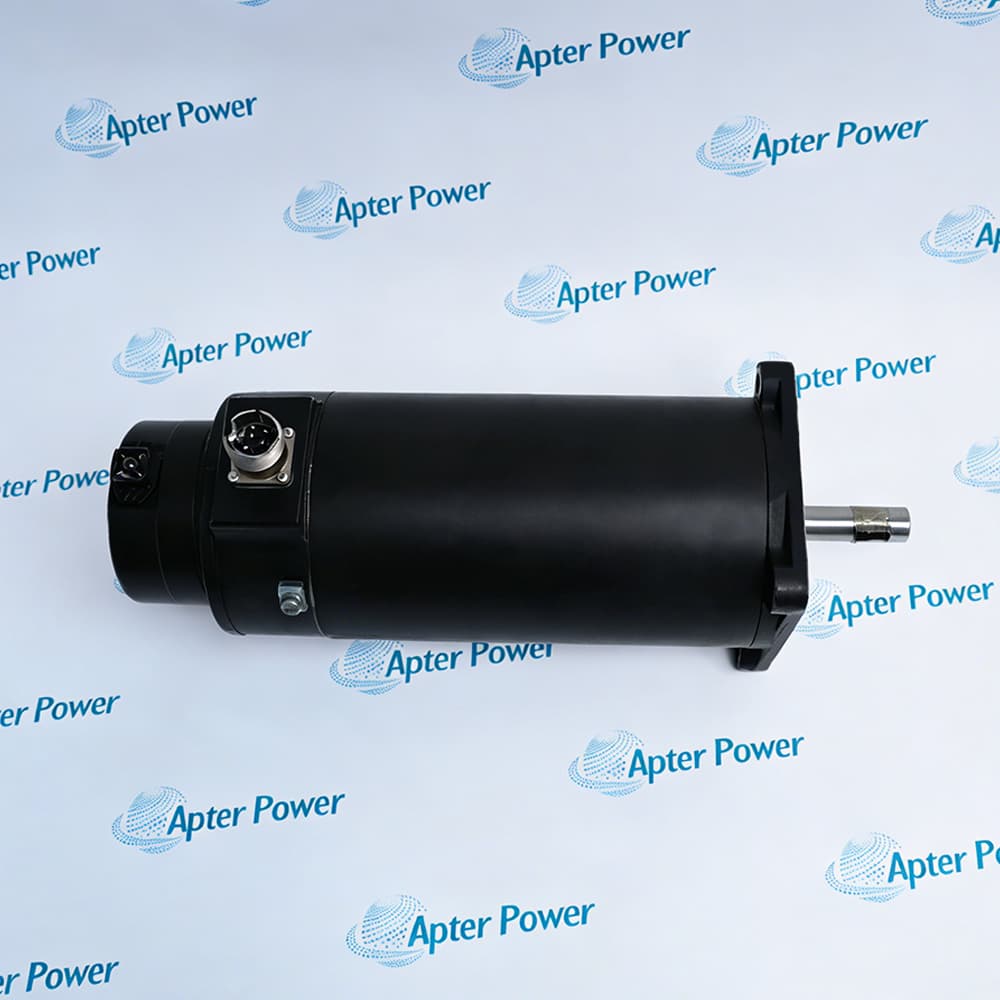
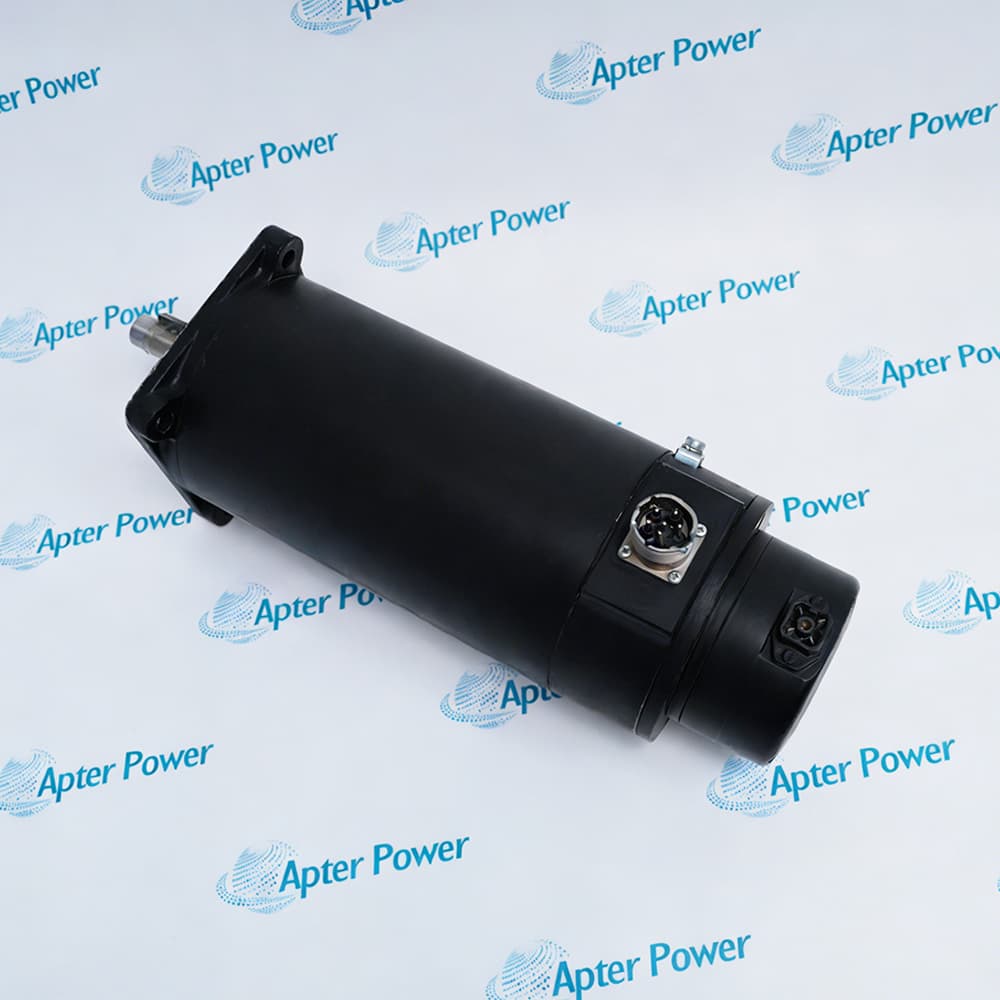
Features:
- Integrated holding brake with 4 Nm holding torque, 15 ms engagement, and 65 ms disengagement—locks the shaft when power is removed for vertical axis applications.
- 10-stranded wire winding technology reduces copper losses and improves thermal performance, enabling sustained torque output at elevated temperatures.
- 5-phase stepping motor design with encoder feedback provides smooth motion, high resolution, and precise position control for demanding automation applications.
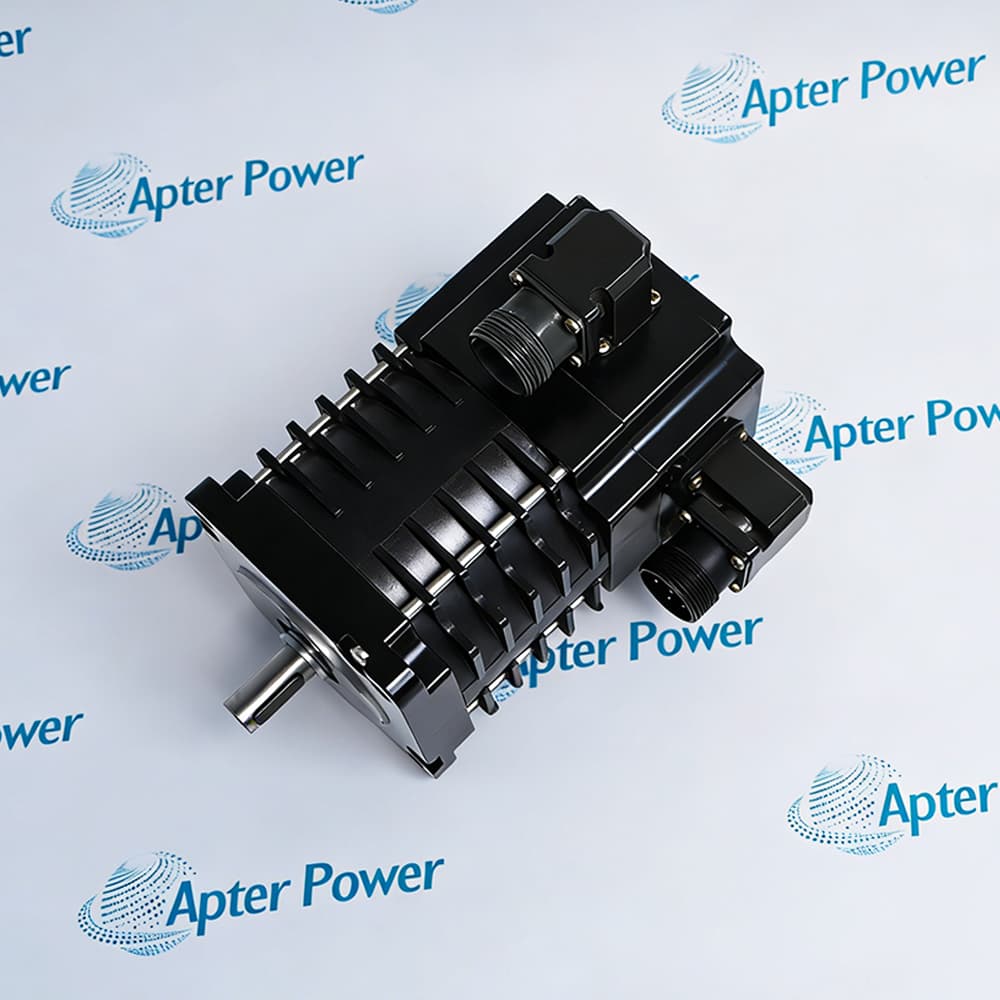
The RDM 51122/50 LWC integrates a holding brake that delivers 4 Nm of locking torque, engaging in just 15 ms when power is removed. This feature is critical for vertical axes, gantry systems, and any application where the load must remain stationary during power-off conditions. The brake consumes 20 W during operation and disengages in 65 ms when power is applied, allowing the motor to move freely.
Traditional stepping motors use solid copper windings that generate significant heat under sustained operation. The RDM 51122/50 LWC employs 10-stranded wire technology, which reduces eddy current losses and improves heat dissipation. This results in lower operating temperatures for the same torque output, or higher torque capability within the same thermal envelope.
The RDM 51122/50 LWC is a 5-phase stepping motor designed for smooth motion with minimal torque ripple. The integrated encoder provides closed-loop feedback, enabling the drive to monitor actual position and adjust commutation for optimal performance. This eliminates the risk of missed steps—a common issue in open-loop stepping systems—and allows the motor to recover from transient overloads without losing position.
The RDM 51122/50 LWC Berger Lahr Phase Stepping Motor may still be available for purchase and support from Apter Power beyond End-Of-Life (EOL) by the manufacturer (OEM).
Berger Lahr RDM 51122/50 LWC Phase Stepping Motor Manuals, Datasheets, Drivers, Link
Important Notice: Other accessories, manuals, cables, calibration data, software, etc. are not included with this equipment unless listed in the above stock item description. All prices are shown in USD.
Berger Lahr RDM 51122/50 LWC Phase Stepping Motor Specs
General
- Manufacturer Berger Lahr
- Model RDM 51122/50 LWC
- Condition New Original ready stock
- Product Family RDM 51117/50 LWC,RDM 51122/50 LT,RDM 51117/50 LT
Important Notice: Other accessories, manuals, cables, calibration data, software, etc. are not included with this equipment unless listed in the above stock item description. All prices are shown in USD.
- Printing and Packaging Machinery: Used for label tension control, paper feeding, and precision printhead positioning.
- Textile Machinery: Control of yarn guiding devices and precision movements of weaving machines.
- Medical Equipment: Moving axes for automated analyzers, liquid sampling systems, and scanning equipment.
- Important Technical Details: The RDM 51122/50 LWC is a pure hardware stepper motor; it does not contain a microprocessor or flash memory.
- No Firmware Updates: The motor itself does not require and does not support firmware updates.
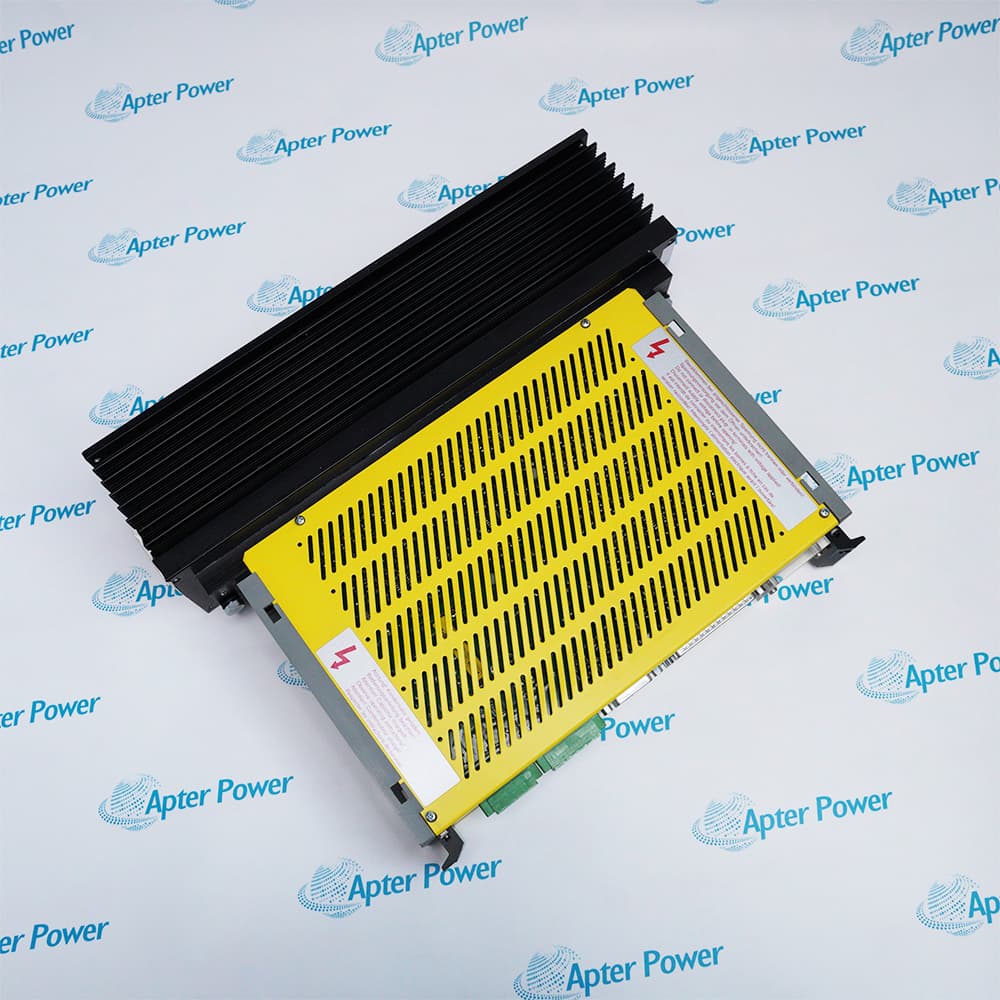
- Driver Level: If you are referring to the accompanying driver (e.g., D900, WD3, SD3 series), firmware updates typically occur at the driver level. Schneider Electric occasionally releases firmware for the driver's communication card (such as a Profibus or CANopen interface card), which requires a dedicated RS232/RS485 adapter cable and Motion Pro or related debugging software for updates.
- Wiring Configuration: The RDM 51122 is a 3-phase motor and must be connected to a 3-phase stepper driver in the correct phase sequence (usually marked as U, V, W or similar symbols). Incorrect wiring will cause the motor to jitter or not turn.
- Microstepping:
Set the step angle on the driver (via DIP switches or software). The native step angle of a 3-phase motor is typically 1.2° or 0.6°; higher precision can be achieved through driver microstepping.
- LWC versions typically have specific inductance and current characteristics (approximately 1.7A - 2A, depending on the specific circuit). The operating current must be correctly set on the driver to prevent the motor from overheating.