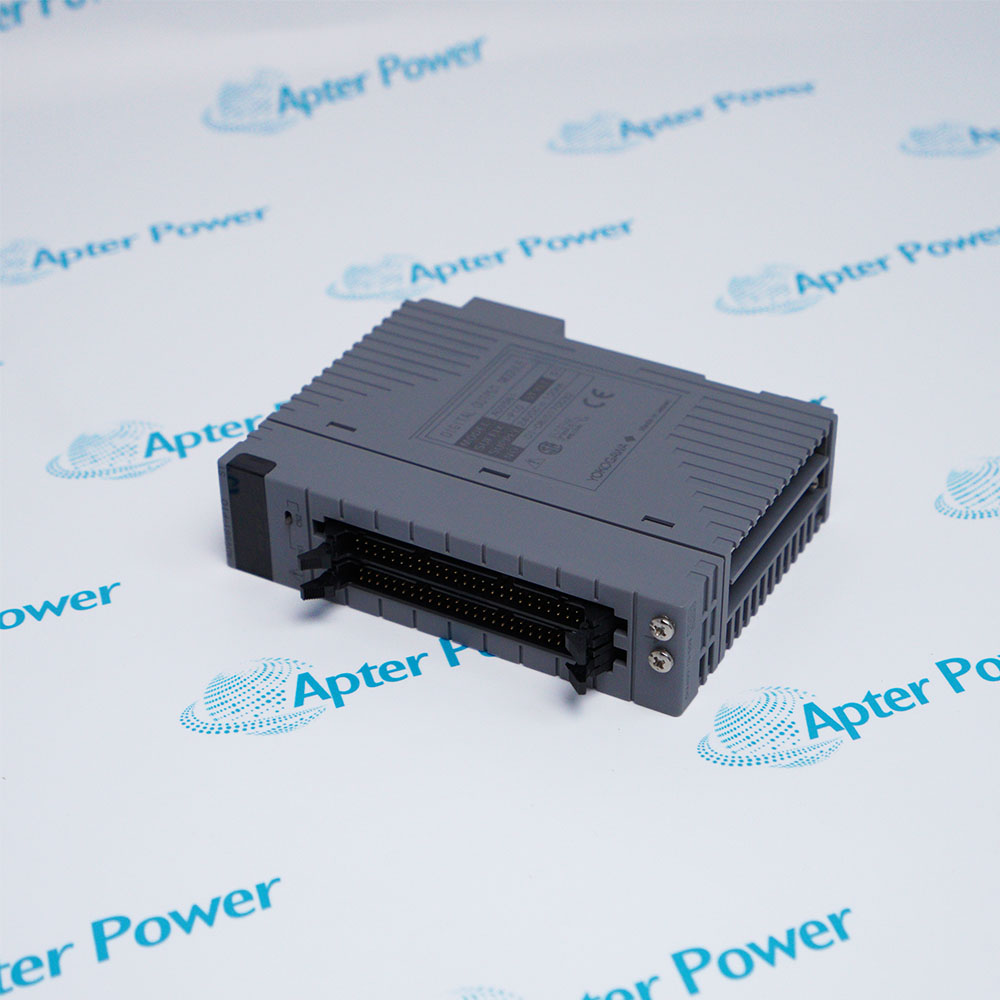
Features:
- Receives 32 isolated 24 V DC digital input signals.
- The P suffix provides pushbutton input for edge counting.
- Supports status detection and pushbutton input modes.
The ADV151-P03 S2 is the P-coded digital input configuration for Yokogawa FIO systems. Suffix code 3 specifies the ISA Standard G3 and -20 to 70 °C options.
Assigned input points report ON/OFF status or count pushbutton edges for the configured control application. The module can also be used in a documented dual-redundant arrangement.
Before installation, confirm the node, termination and cable combination. Each 16-channel group shares a common and must use consistent signal polarity; the cable determines the applicable input-to-system withstand rating.
Availability is subject to Apter Power inventory and sourcing confirmation.
Verified resources for Yokogawa ADV151-P03 S2:
Important Notice: Other accessories, manuals, cables, calibration data, software, etc. are not included with this equipment unless listed in the above stock item description. All prices are shown in USD.
- Receive discrete states from field switches, contacts, and operator pushbuttons.
- Feed digital state information into process interlocks and sequence logic.
- Use the acquired points for operator status indication in a configured CENTUM control application.
- The FIO specification lists the module with designated ESB and optical ESB node units and supported field control units.
- The P-coded variant is distinct from the E-coded SOE variant; match the required point function before substitution.
- Dual-redundant use is documented for the ADV151 family when the system is engineered for that arrangement.
- Status-input mode detects ON/OFF state changes for the assigned points.
- Pushbutton-input mode counts pushbutton edges when that point mode is selected.
- Electrical isolation is specified between input signals and the system, with commons grouped by 16 channels.
- The P03 configuration is installed within a supported CENTUM VP field I/O node or cabinet assembly.
- Maintain cabinet ventilation and the documented environmental envelope so the channel electronics remain within rated conditions.
- Isolate the module from condensation, corrosive atmosphere, conductive contamination, and mechanical shock during service.
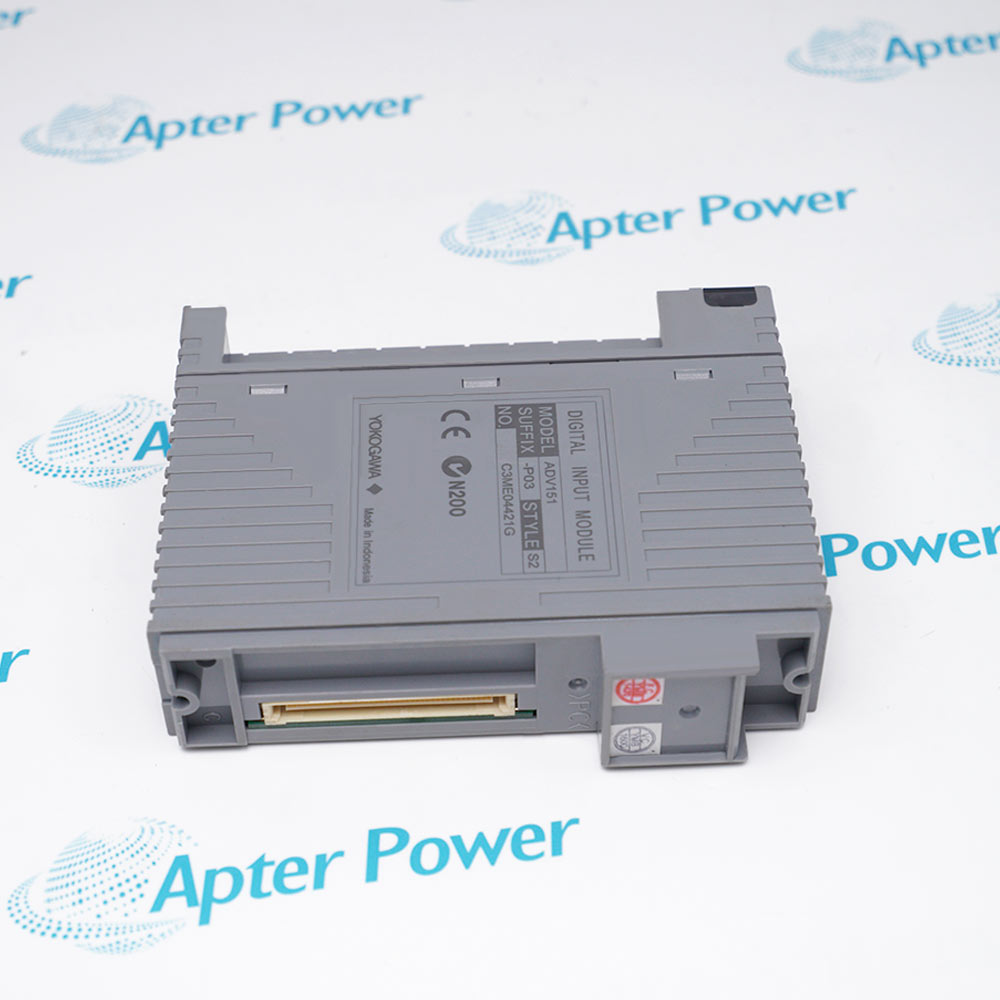
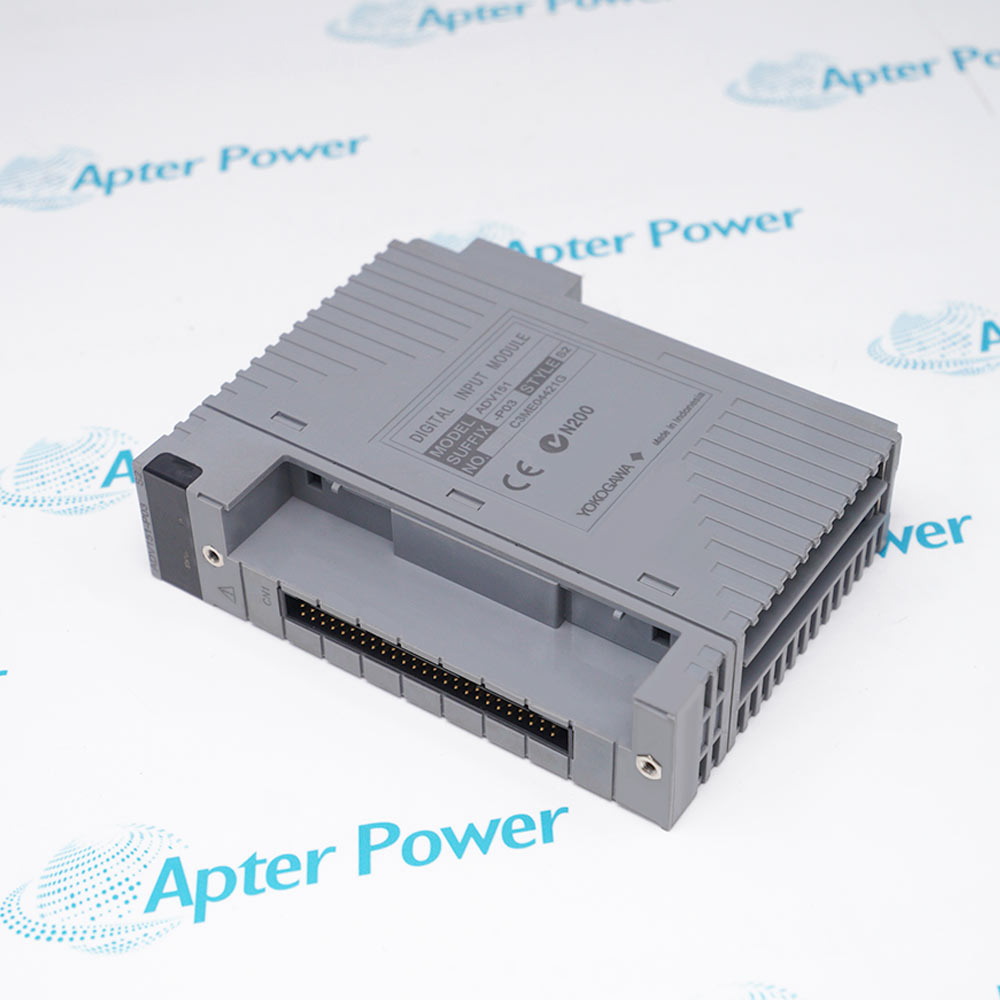
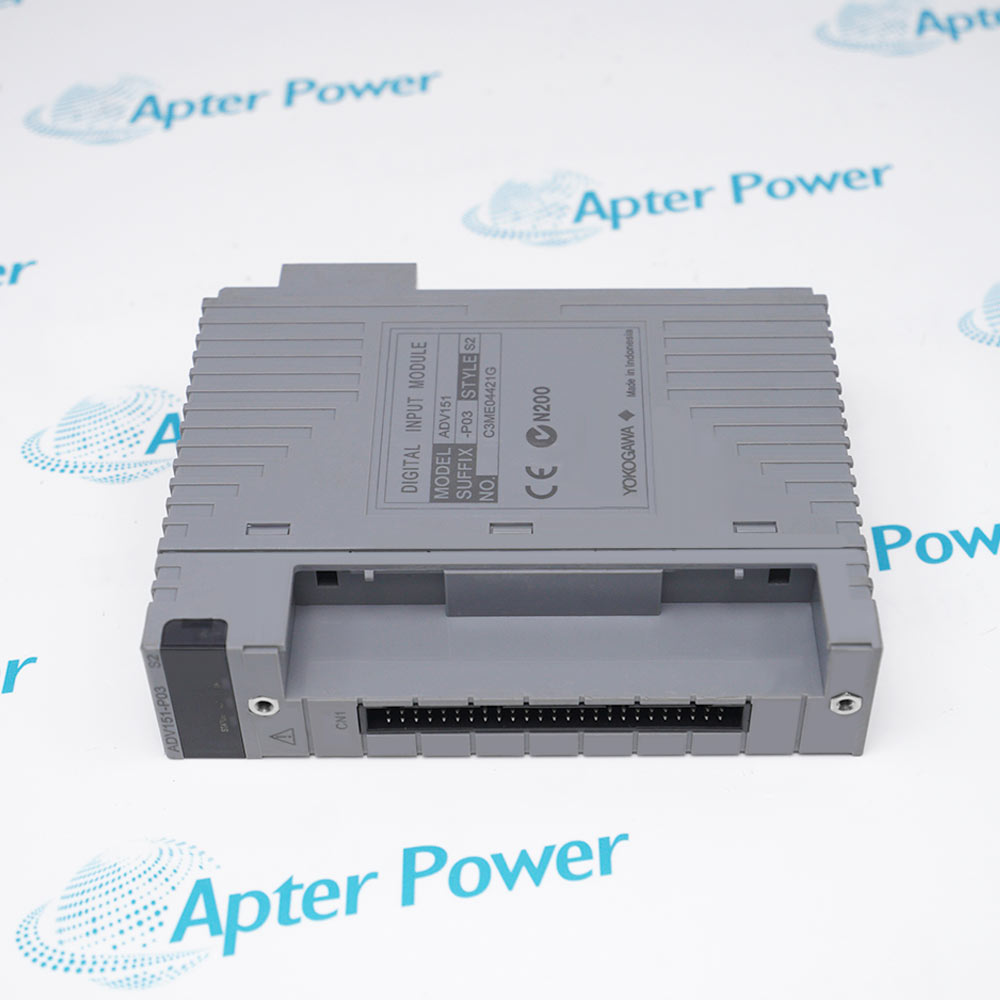

 Yokogawa ADV151-P03 S2 Datasheet