How to Source Legacy DCS Spare Parts Without Increasing Plant Risk
About the author
Written by Jim, Engineering Director of Apter power
Jim has over 10 years of experience and can quickly grasp customer needs, provide feedback and solutions immediately, and efficiently help customers solve all problems. He is a trustworthy business manager.
Sourcing legacy DCS spare parts becomes difficult long before a plant loses the ability to place an order. The real pressure comes from tighter support windows, thinner market supply, incomplete cabinet records, and the simple fact that a single wrong module can consume an outage that was supposed to last a few hours. In older control environments, the spare itself is only part of the decision. The bigger issue is protecting uptime, startup quality, and process stability while the system continues to age. A practical answer to how to source DCS spare parts has to connect technical fit, supplier discipline, and inventory logic in one workflow.
Which DCS Parts Are Hardest to Replace Once a System Ages Out?
The hardest parts to replace are usually the ones tied directly to system architecture. Controller CPUs, communication interfaces, proprietary network modules, selected power supplies, termination assemblies, and certain operator interface devices create the most exposure. These are the parts that often carry revision dependencies, limited interchangeability, and direct influence on process continuity. That is why legacy DCS spare parts should be ranked by consequence, not by how often they fail.
Why Some Parts Become Bottlenecks
Three conditions push an older spare into the high-risk category:
It depends on a specific rack, backplane, or terminal arrangement
It has hardware revision or firmware constraints
It supports a function that directly affects stable operation
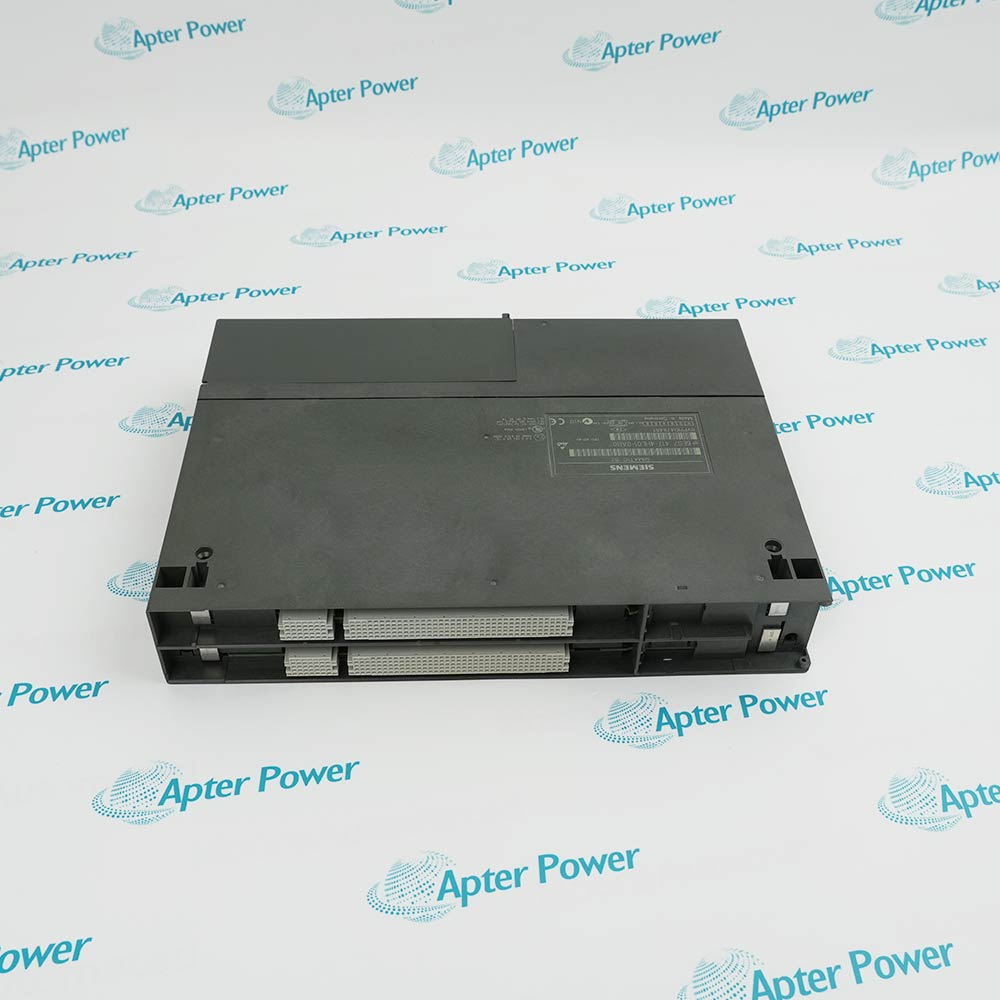
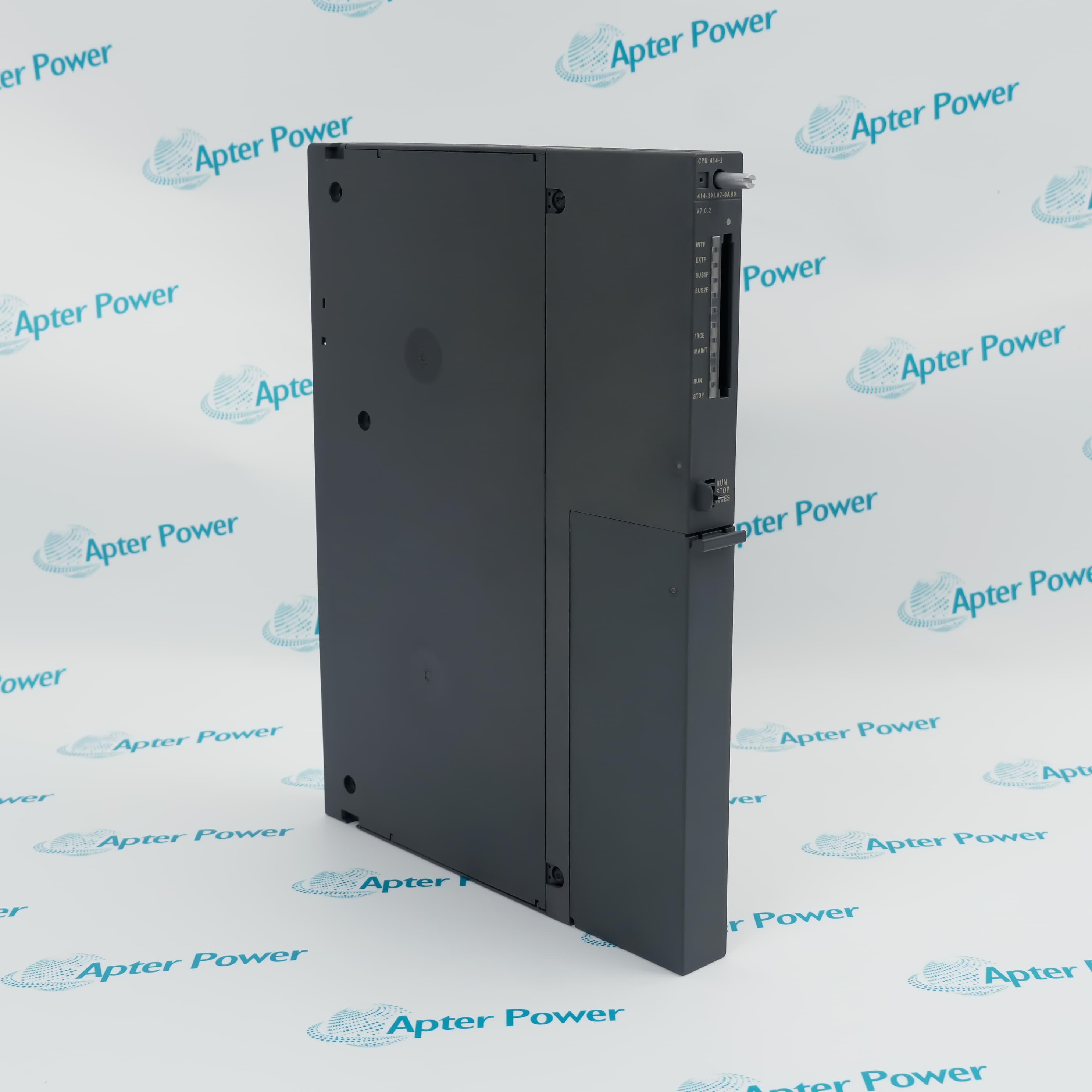
A controller such as 6ES7414-2XL07-0AB0 shows why part identity matters. It is not simply a CPU in the abstract. It sits inside a defined hardware and firmware context, with software requirements and compatibility limits that affect engineering, startup, and support planning. A plant cannot treat that as a loose equivalent and expect a smooth return to service.
An analog termination assembly creates a different type of risk. MU-TAIH02 / 51304453-100 looks straightforward until the team traces the loops it serves. If those loops are tied to reactor temperature, utility header pressure, burner permissives, or feed control, the spare moves out of routine stock and into the strategic category very quickly.
Where Plants Usually Feel the Pressure First
The first sign of trouble is often uncertainty, not failure. The site knows a module family is old, knows support is tightening, and knows documentation is incomplete. That combination can sit quietly for months. Then a turnaround approaches, a nuisance fault starts recurring, or one side of a redundant pair drops out. At that point, legacy DCS spare parts stop being a storeroom topic and become an operations topic.
This pattern is common in continuous plants, though it also hits recipe-based operations hard. In a resin unit with frequent grade changes, a control module problem can delay sequence execution, manual interventions, and quality stabilization. In a gas treatment train, the same problem can extend restart work well beyond the planned window. Those plants do not struggle because they lack a part number. They struggle because the part has to be correct, available, and ready for service at the same time.
How Do You Verify Part Numbers, Revisions, and System Compatibility?
This is where a sourcing plan either protects the plant or imports new risk. DCS spare parts compatibility cannot be confirmed by a partial model match or a quick visual check. The review has to go deeper than the faceplate. For legacy DCS spare parts, the technical check should include the full part number, suffix, hardware revision, firmware level where relevant, terminal arrangement, physical fit, redundancy logic, power needs, and any engineering software conditions attached to that module family.
What the Technical Review Should Cover
A reliable review usually follows this sequence:
Record the exact installed part number from the cabinet and maintenance history
Confirm revision, suffix, and any version detail tied to the site configuration
Check the rack, backplane, connector, and terminal base fit
Confirm signal type, channel count, power requirements, and redundancy behavior
Review successor mapping and engineering tool requirements
Bench check the spare against plant records before it is treated as ready stock
This step matters because a successor product can still require extra work. Some replacements fit electrically but need a different terminal approach. Some power up cleanly but still need engineering changes before the loop can be released. When working with a sourcing partner such as Apter Power, plants can use cross-reference data as a starting point, but the final approval should still come from cabinet records, revision details, and application requirements. That is exactly where plants get trapped when they assume family similarity is enough. Guidance on legacy migration and cross-reference use makes the same point clearly: compatibility has levels, and some successor products offer only limited compatibility in real field conditions.
What This Looks Like in a Real Plant
A batch plant gives a clear example. Imagine a line running several hundred recipes with frequent grade transitions. A replacement analog input module arrives during a short outage. The catalog description looks right, the card fits, and the team expects a quick swap. Then the review shows a revision mismatch tied to the cabinet setup and loop behavior. The result is not a dramatic equipment failure. It is lost time. The team ends up checking points one by one, confirming scaling, validating alarm behavior, and delaying the restart of several production paths.
A gas plant cutover produces a similar lesson. Online migration projects that finish smoothly do so because compatibility work is done before the outage begins. Cable adapters, terminal reuse, and point validation are resolved early, so the shutdown window is spent on execution, not discovery. That is the operational meaning of DCS spare parts compatibility. It is the difference between a clean turnover and a long night in the cabinet room.
A model such as 8C-PAIN01 / 51454356-175 fits well here as a technical example. The model itself does not prove field readiness. The plant still has to confirm where the module sits, what signal duties it carries, and how it behaves inside the installed control strategy. That level of review is what separates sound engineering from fast purchasing.
What Risks Come With Buying Older Cards Too Quickly?
Fast purchasing feels decisive during a fault. In many plants, it is exactly what moves risk into startup and commissioning. The usual pattern is easy to recognize. A card fails, operations wants the unit back, and the first available listing that looks close enough gets approved. That habit causes problems because older cards can carry hidden wear, storage damage, missing accessories, weak traceability, or the wrong revision. Plants that depend on legacy DCS spare parts cannot afford to treat visual similarity as service readiness.
The Risks That Show Up Most Often
A rushed purchase usually breaks down in one of these ways:
The part fits physically, but does not match the installed revision
The part powers up but performs poorly under real process load
The source history is unclear
Terminal pieces or related accessories are missing
Shelf storage degraded the unit before it reached the site
Return terms become difficult once a field failure has to be claimed
These points sound procedural until a plant lives through them. In a boiler house, an unclean replacement can burn half a shift in point checks and alarm review. In a wastewater system, an unstable module can interrupt transfer logic and operator timing. In a compressor control cabinet, the wrong communication card can add hours of troubleshooting to an outage that was supposed to be contained. Those are normal plant examples, and they are exactly why how to source DCS spare parts has to include a release gate, even under pressure.
A Short Micro Case From the Field
A maintenance team enters a shutdown with one failed I/O card and a narrow restart target. They approve a replacement that appears identical in the listing photo and product text. Once installed, the card powers up, though the channel behavior does not align with the cabinet record. The team then has to recheck the point list, confirm signal scaling, and verify permissive logic before handover. The part did arrive quickly. The unit still restarted late. That is the cost of buying too quickly. The delay comes from verification work that should have been done before the purchase order was released.
How Can Plants Balance Inventory Cost With Emergency Spare Coverage?
A useful stocking plan is built on process consequence, sourcing difficulty, and recovery time. Many sites still drift into one of two extremes. Some keep almost nothing and hope the market will respond in time. Others fill shelves with low-value items and still miss the few parts that can stop the unit. A sound plan for legacy DCS spare parts avoids both mistakes.
A Practical Stocking Matrix
Part Category
Operational Impact if It Fails
Sourcing Difficulty
Recommended Position
Controller CPU
High, can stop the unit or block restart
High
Keep onsite as a strategic spare
Proprietary network or communication module
High, can isolate cabinets or operator visibility
High
Keep onsite or under committed rapid access
Analog or digital I/O card for critical loops
Medium to high
Medium
Stock by installed base and loop criticality
HMI device in a critical operating station
Medium
Medium
Keep one ready spare per critical family
Standard power supply with wider availability
Medium
Lower
Stock by lead time and failure history
How to Divide Spares by Role
A practical program usually sorts stock into three groups:
Operational spares, used for expected maintenance needs
Critical spares, tied to functions that can disrupt production or safe operation
Strategic spares, low-availability parts whose absence could extend an outage significantly
This structure helps maintenance, operations, and finance work from the same logic. It also makes it easier to explain why a quiet shelf item can still deserve priority. In legacy DCS spare parts planning, rarity plus high process consequence is what usually justifies the investment.
A Plant Level Example
Consider a site with a single older controller family serving utilities for steam, condensate return, and plant air. The installed base is not large, so it is easy to assume the spare burden is small. In reality, the unit that looks least dramatic on paper may feed several production areas at once. If one controller failure can slow the entire site, the cost of holding a strategic spare looks very different. Inventory logic has to follow process exposure, not the physical size of the cabinet.
What Should You Ask a Supplier About Testing, Storage, Traceability, and Warranty Before Purchase?
Once the part is judged technically correct, the next issue is supplier quality. This section is about purchase risk, not engineering fit. Plants that manage legacy DCS spare parts well tend to ask the same practical questions every time, especially when the part is refurbished, pulled from surplus inventory, or tied to a critical process area.
Questions That Belong in Every Purchase Review
Use a short due diligence list before releasing the order:
What testing was actually performed
Was the part functionally tested, or only powered up
Was calibration completed where relevant
How is the condition described in precise terms
Is the source traceable to the inventory origin or the service history
How was the unit stored and packed
What does the warranty cover in the event of field failure
How does the return and replacement process work
These questions matter because the plant is buying restart confidence, not shelf appearance. For suppliers such as Apter Power, which handle hard-to-find and obsolete automation spares, buyers should ask how each item is classified, tested, packed, and supported before it becomes approved stock. Certified recycled part programs and clearly classified inventory listings show why this matters. Condition category, test depth, and warranty scope can vary sharply across sources, and those differences affect field risk directly.
Why This Matters on the Plant Floor
An operator input device can look secondary until a startup, trip review, or process upset forces intense operator interaction. The same goes for remote I/O that supports interlocks and sequencing. If the supplier cannot explain how the part was tested, how it was stored, and how a failure claim will be handled, the plant is carrying hidden risk. This is also where how to source DCS spare parts becomes a disciplined routine instead of a reactive scramble.
When Is It Smarter to Buy a Strategic Spare Than Wait for a Failure?
The right time to buy a strategic spare usually arrives earlier than most teams would like. By the time the market broadly agrees that a part is difficult, pricing is already moving, and available stock is already thinner. That pattern shows up repeatedly in aging control environments. A strong plan for legacy DCS spare parts uses early warning signals, not optimism.
Signals That Should Trigger Action
Move ahead with strategic buying when several of these conditions appear together:
Lifecycle support is tightening or already near the end
Repair channels are becoming less reliable
Lead times are stretching
Installed records show a large in-service population with a thin spare pool
The part supports a high-consequence process area
The next turnaround window is narrow
A single missing module can turn a short planned outage into a long recovery event. In that situation, early procurement often makes financial sense because it protects labor, startup timing, and production.
A Useful Decision Test
Ask one direct question: if this part failed next week, how long would the process be exposed before a technically correct replacement was installed and proven in service? If the answer is uncomfortable, the spare belongs in the strategic category.
A good example is a site with one remaining spare CPU for an aging utility controller that serves several units. The controller has been stable for years, so the temptation is to wait. The next major turnaround is only thirty-six hours long. If the installed CPU fails during that window and the only shelf spare proves faulty or incompatible, the plant has no time to recover. In that case, a second strategic spare is easier to justify than a long outage explanation.
Build a DCS Spare Strategy Before Obsolescence Forces the Decision
A stable plant does not wait for a fault to discover gaps in its spare philosophy. It keeps the installed part master clean, records revision detail at the cabinet level, ranks modules by process consequence, reviews supply risk routinely, and qualifies suppliers before the outage clock starts ticking. In that kind of program, a supplier such as Apter Power can support sourcing for difficult automation spares, while the plant still owns the final responsibility for technical approval and risk ranking. That is how legacy DCS spare parts become part of operational control instead of a recurring source of disruption.
The plants that handle this well are rarely the ones with the biggest storerooms. They are the ones with better records, tighter technical checks, clearer stocking logic, and stronger purchasing discipline. They know which modules protect uptime, which can be sourced with less urgency, and which demand early action. That is how legacy DCS spare parts support plant stability instead of becoming the next avoidable outage.
FAQs
Q1. Can a repaired legacy DCS module be more practical than buying another spare?
Yes. A repaired module can be a sound option when the failure mode is clear, the repair scope is documented, and post-repair testing is credible. It becomes less attractive when component aging is widespread or the same failure pattern is likely to return soon.
Q2. Who should own the spare parts record for an aging DCS system?
The most effective owner is usually a shared maintenance and controls function. Maintenance keeps stock status current, while controls engineers maintain revision, cabinet location, and application relevance. A record owned by only one side often misses either inventory accuracy or technical context.
Q3. How should plants handle shelf-life concerns for old electronic spares?
They should treat shelf life as a condition management issue, not a calendar issue alone. Long-stored electronics may face capacitor aging, packaging degradation, or contact oxidation. Periodic inspection, controlled storage, and defined revalidation before issue help reduce unpleasant surprises during installation.
Q4. What documents should be attached to a critical spare before it enters approved stock?
A critical spare should enter stock with a minimum technical packet. That packet should include the exact part number, revision record, cabinet location, application note, test evidence, condition status, and internal approval signoff. This saves valuable time when the spare is needed urgently.
Q5. How can plants prevent knowledge loss when only a few people understand the old system?
The strongest approach is to capture module-level knowledge before retirements or role changes occur. Build a short reference for each critical assembly, including location, function, known issues, replacement notes, and startup cautions. That turns personal memory into usable plant knowledge.







Leave Your Comment