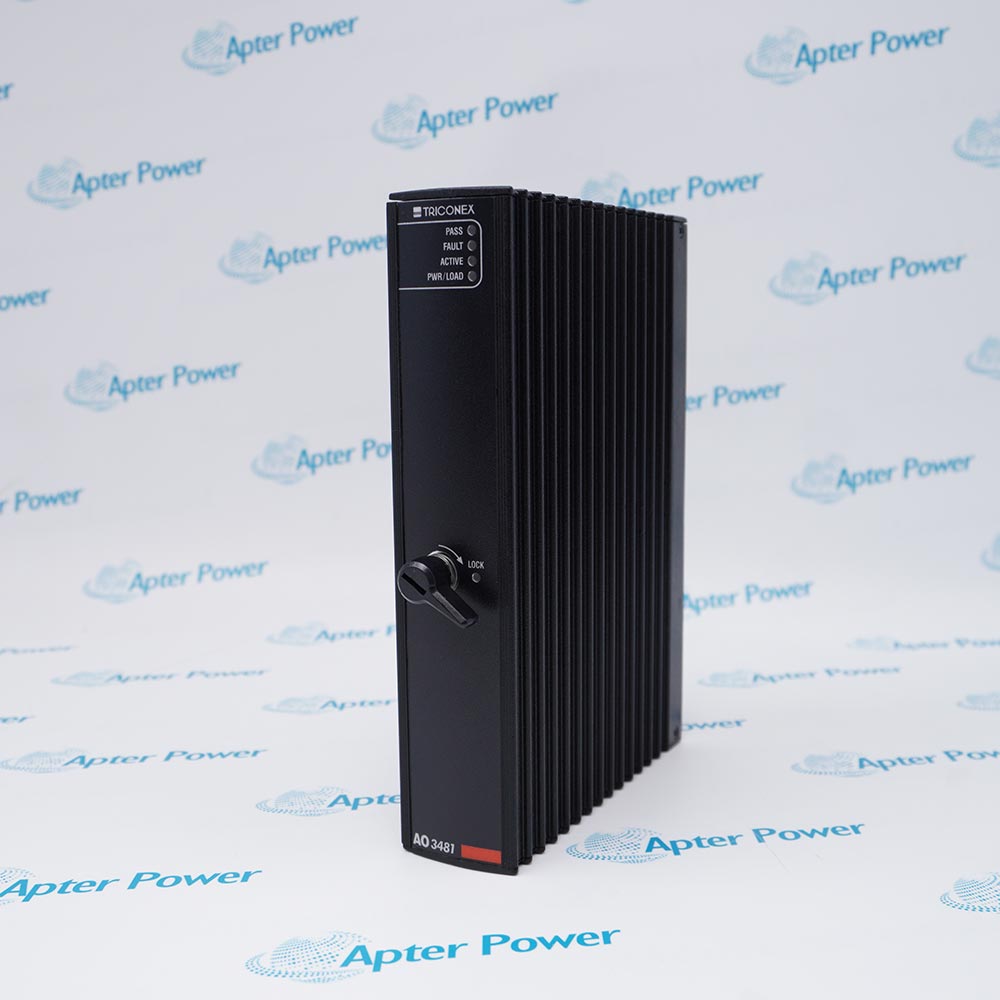
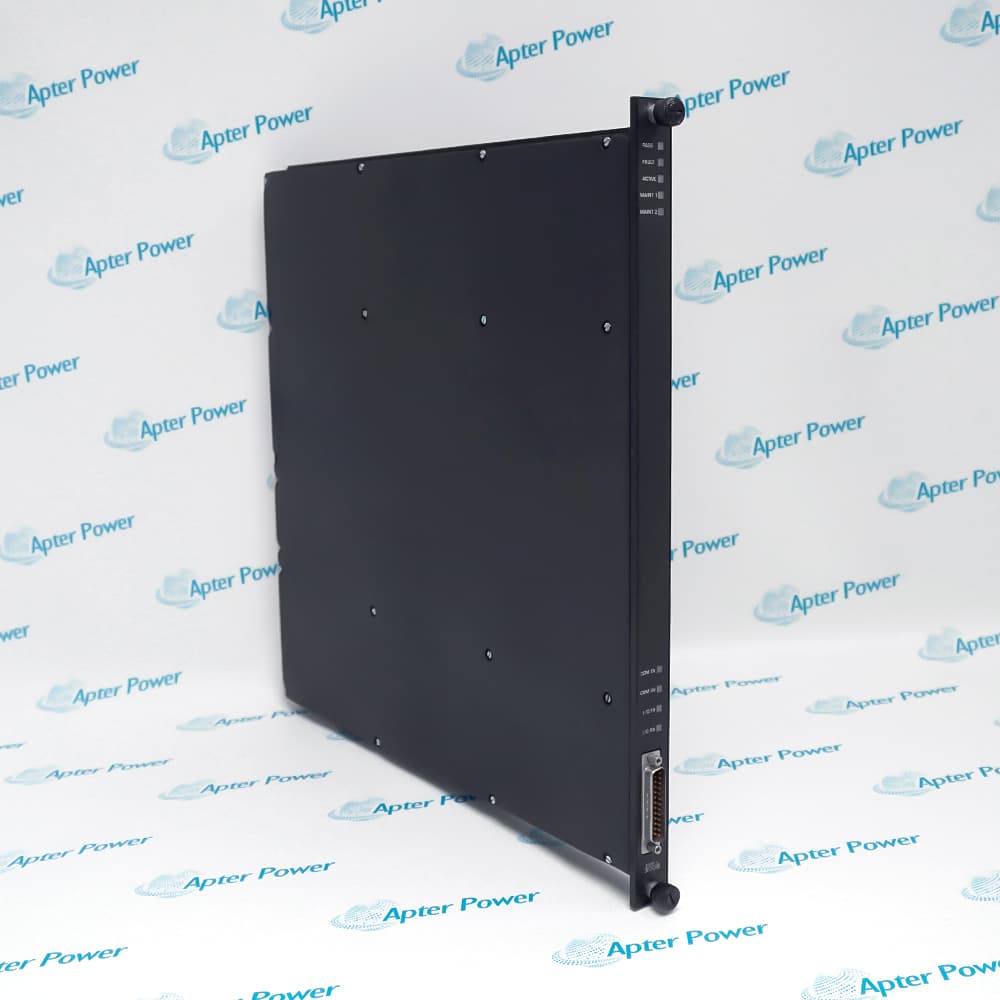
Features:
- Provides eight TMR pulse-input channels for fault-tolerant measurement in Tricon systems.
- Processes field pulse trains for controller counting, speed and frequency evaluation.
- Maintains triplicated acquisition paths for critical measurement availability and diagnostics.
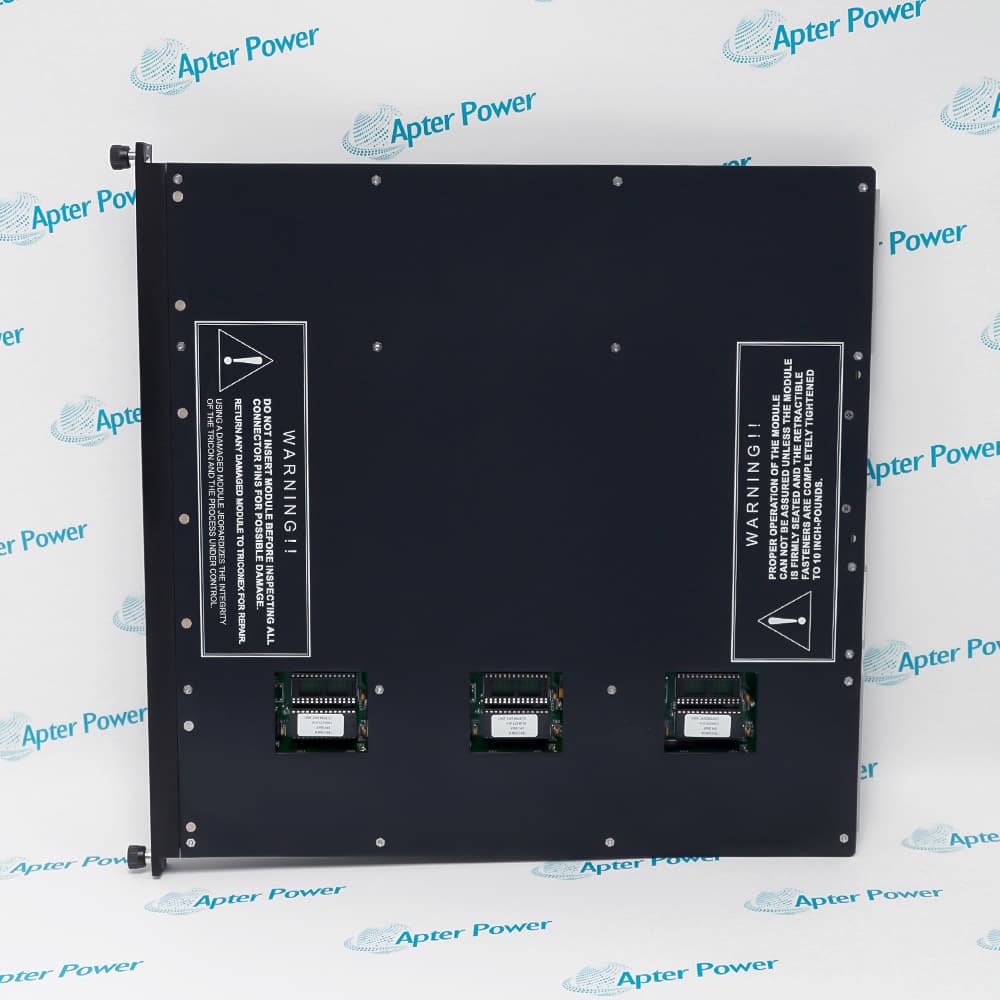
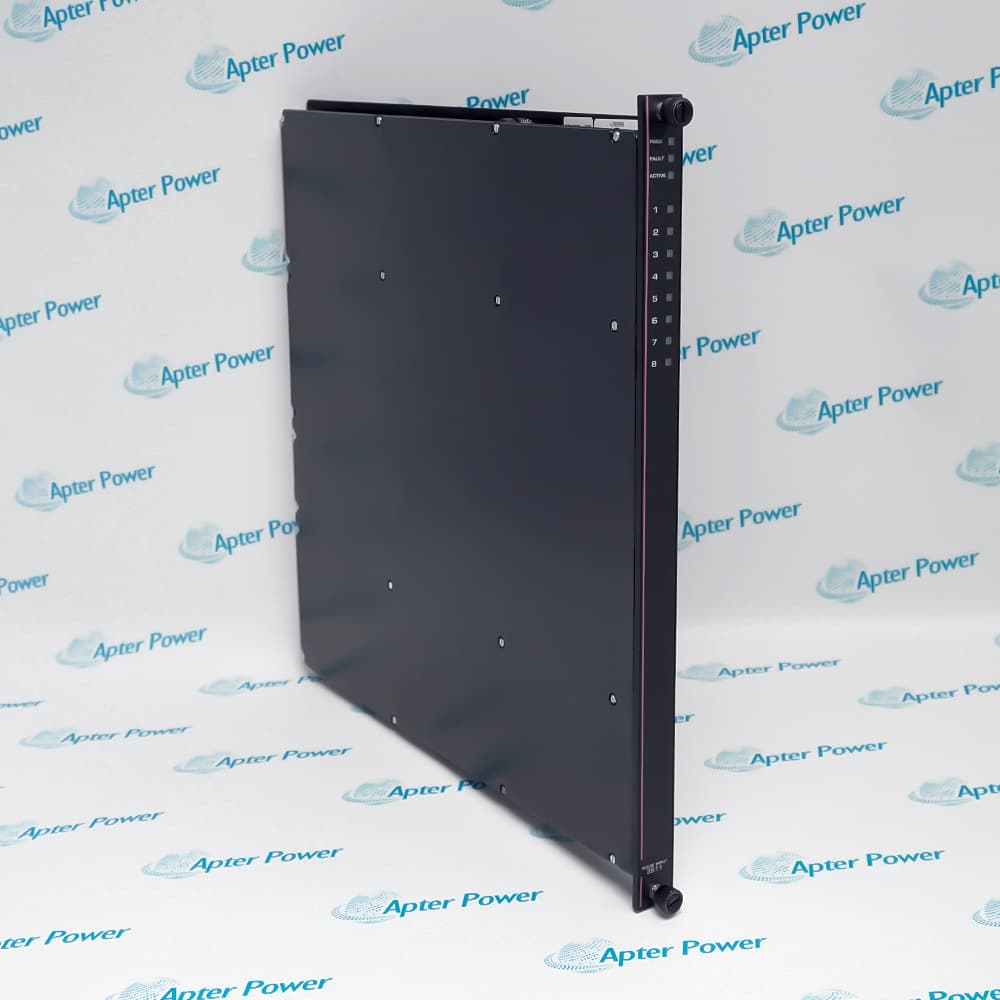
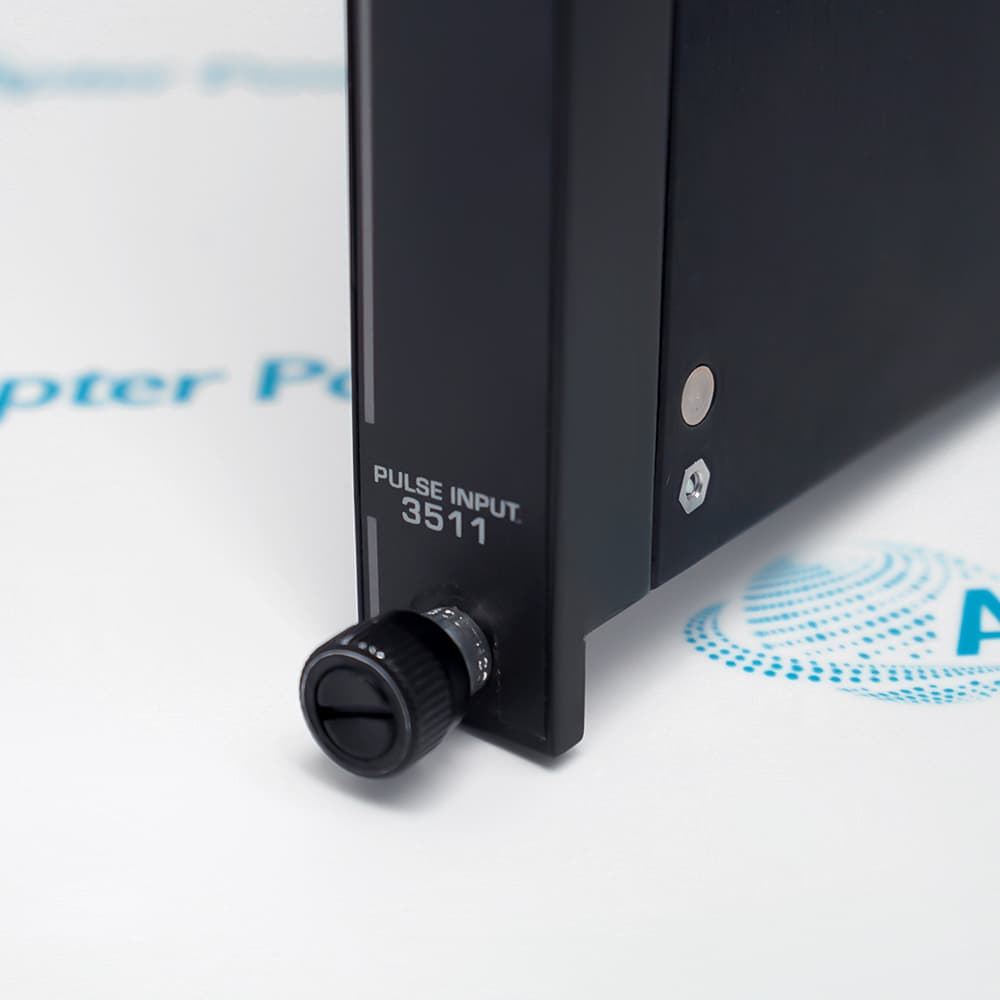
The selected item is the eight-channel TMR Pulse Input Module identified by model 3511.
It converts supported sensor pulses into controller information for rotating-equipment, flow or event-based safety functions.
Confirm signal amplitude, channel frequency, termination, scaling and proof-test requirements before replacement.
Availability is subject to Apter Power inventory and sourcing confirmation.
Verified resources for Triconex 3511:
Important Notice: Other accessories, manuals, cables, calibration data, software, etc. are not included with this equipment unless listed in the above stock item description. All prices are shown in USD.
- Measures pulse signals used for speed, frequency, flow-totalizing and event-counting functions.
- Provides redundant acquisition for critical rotating-equipment and process-protection measurements.
- Supports exact-model maintenance of eight-channel TMR pulse-input installations.
- Eight channels acquire discrete pulse trains through the documented TMR input architecture.
- Signal threshold and termination must match the connected pickup or pulse-producing device.
- Channel counts should be verified with known test pulses after wiring or module changes.
- The module converts pulse timing into frequency information used by controller logic.
- Configured scaling must correspond to the sensor pulse rate and the engineering-unit calculation.
- Commissioning should compare displayed frequency with an independent reference across the required range.
- Triplicated input processing supports continued measurement if one internal path develops a fault.
- Measurement response depends on the supported frequency range and clean field-signal transitions.
- Acceptance testing should confirm repeatability, channel agreement and expected diagnostic behavior.