The Benefits of Distributed I/O Systems in Large-Scale Manufacturing
About the author
Written by Leonia, Marketing Director of Apter Power
Leonia's LinkedIn:
Leonia brings 10+ years of automation sales experience, spanning PLC, DCS system integration across Asia, Europe, American. Having delivered 500+ lines for oil & gas clients, she knows where control architectures stall and how to pre-empt costly downtime.
Large plants pay for poor control layout in very visible ways. Cable trays fill up, central cabinets lose spare space, loop checks take longer, and shutdown work expands because too much wiring still has to be finished on site. In DCS and PLC systems, distributed I/O improves that situation by moving signal collection closer to the equipment. That reduces wiring density, speeds up fault isolation, supports phased expansion, and makes modernization easier to execute under live production constraints.
How Distributed Nodes Reduce Complex Wiring in DCS and PLC Systems
Wiring becomes expensive when new lanes, skids, and utility assets are all routed back to one cabinet strategy. Distributed nodes reduce cable volume, terminations, and checkout effort by collecting signals near the equipment.
Home-Run Cabling
A centralized layout sends every field signal back to the same cabinet or control room. That can still work on a compact machine. On a long packaging line, a tank farm, or a process area with several skids, it creates a large volume of home-run cables. Each added run increases copper use, tray loading, labeling, termination count, and inspection time.
The cost is also a labor issue. Electricians spend longer pulling cables. Panel builders face denser terminations. Controls engineers spend more time tracing points during loop checks. Once that pattern builds up, wiring becomes a delivery risk.
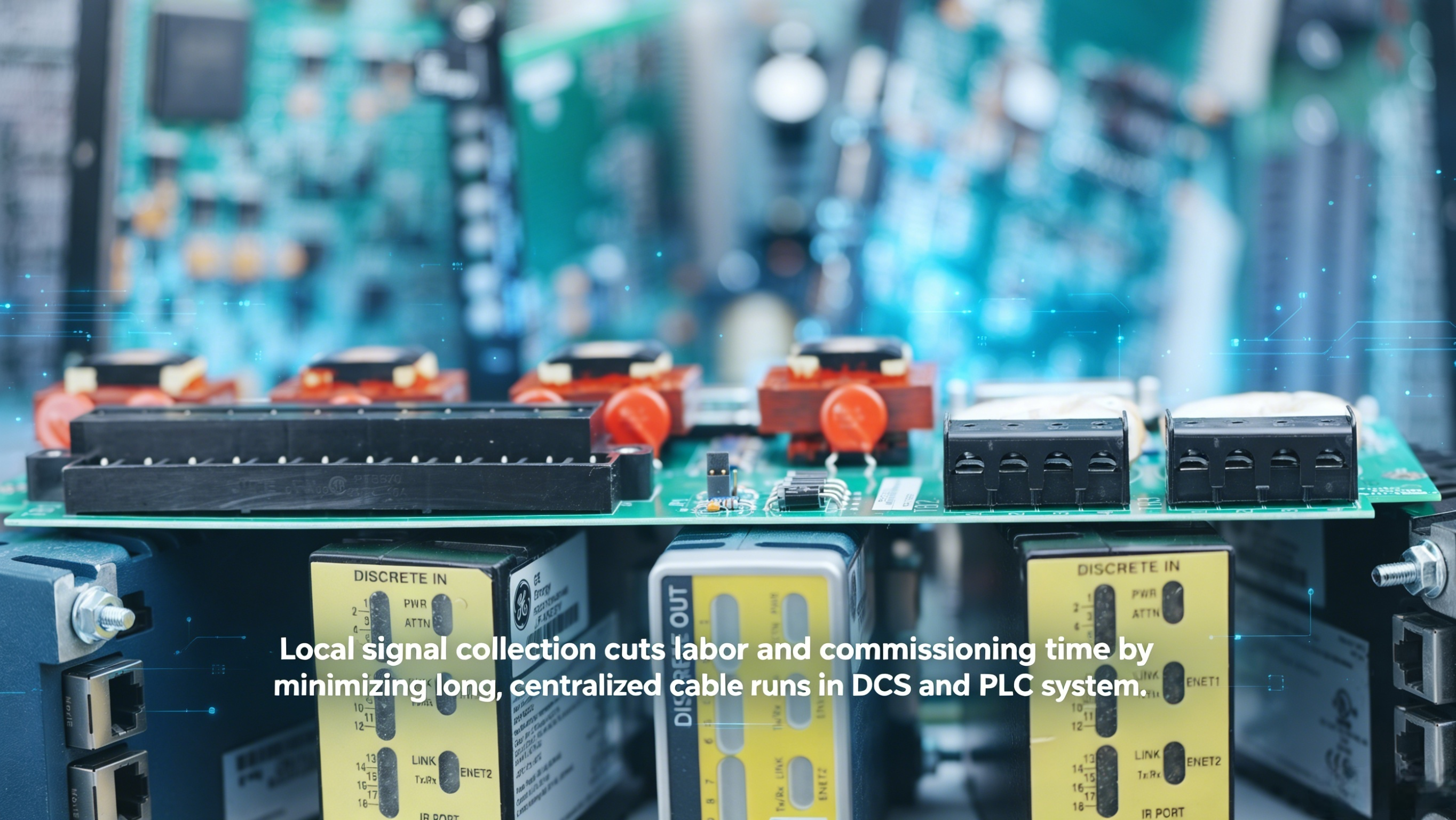
Local Signal Collection
Distributed nodes shorten that path. Sensors, valves, drive status points, and analog devices terminate near the production zone, while the network carries the data back to the higher control layer. That keeps one area from becoming tangled with another inside the same enclosure.
The gain is practical. A packaging block can keep its devices inside one local panel. A utility skid can own its own signal group. A new conveyor section can be added without routing every signal across the building. In DCS and PLC systems, local ownership is one of the simplest ways to control wiring growth.
Labor and Commissioning Impact
The first gains usually appear during installation and commissioning. Fewer long cable runs mean fewer wiring mistakes, fewer late drawing changes, and faster punch-list closure by area.
A documented wiring comparison showed how quickly conventional methods absorb labor. Wiring and labeling one I/O module took just over 46 minutes, and ten modules consumed roughly a full workday. In the same comparison, a prewired method completed ten modules in a little over 11 minutes. The exact result depends on hardware and shop practice, though the lesson is clear. Reducing long centralized terminations cuts labor quickly.
Benefits of Placing Modular Distribution Panels Near the Production Line
Line-side distribution panels work best when a plant has repeated equipment blocks and limited room for custom cabinet work on every project. They improve installation quality and create a repeatable standard for PLC and DCS systems.
Standard Panel Templates
A repeatable panel layout saves time across the full project cycle. Terminal assignments, cable schedules, spare-point strategy, and FAT routines can be reused on the next asset. That gives the team a standard template instead of a fresh cabinet concept for each expansion.
This matters in facilities that grow in phases. One modular cleanroom project reported up to 75% lower component cost, 80% lower programming time, and 30% lower mechanical space requirements after standardizing compact control hardware across prefabricated units. Those figures belong to one project, though the takeaway is useful for plants built around repeated skids, lanes, or utility modules.
Shorter Cable Routes
Panels near the line reduce the distance between devices and their termination points. That lowers cable volume and simplifies routing, especially in wide production areas where machines are spread out. It also reduces the chance that a late field change will force rework across several cabinet sections.
This is especially useful in brownfield facilities. Existing tray routes are usually crowded, and shutdown windows are usually short. A local panel keeps new wiring inside the target area instead of pushing every change back into an already busy central cabinet.
Maintenance Access
Proximity improves maintenance after startup. A technician standing at a line-side panel can see the equipment it serves, trace field wiring directly, and isolate a failed device without crossing the plant.
Some compact distributed I/O platforms, including ET 200SP, also support hot swapping and built-in diagnostics. Those features help cut service time in plants where even a short interruption affects throughput.
Speed Up Troubleshooting by Segmenting PLC and DCS Systems Architecture
Troubleshooting slows down when the control layout no longer matches the plant layout. Segmenting the architecture by area makes faults easier to trace and reduces time lost inside unrelated cabinets and drawings.
Fault Isolation by Area
A segmented layout gives each machine zone, skid, or utility section its own local signal group and panel identity. If a palletizer loses an input, the team should move straight to the correct enclosure and network segment. If a dosing skid shows a bad analog value, the first inspection should stay inside that skid boundary.
That shortens the path from alarm to physical verification. It also reduces diagnostic scatter, which is a common source of wasted time during live production.
Clear Panel Ownership
Fault isolation improves when ownership is obvious. Operations should know which area is affected. Electricians should know which panel to open. Controls engineers should know which I/O group and communication path to review.
Three rules usually help:
Give each production zone a defined panel name and network path.
Keep drawings aligned with the physical equipment layout.
Investigate faults inside the process boundary before escalating to the wider control layer.
Signal Diagnostics
Modern platforms add value through self-testing, loop supervision, and signal-level diagnostics. Those features help teams separate a nuisance sensor issue from a higher-risk control problem.
That distinction matters in large sites. A single failed sensor and a utility interlock fault should not trigger the same response path. Good diagnostics support better decisions, though the architecture still matters first.
Scalability Advantages of Adding Remote I/O to Existing Control Loops
Most plants expand in small steps, not through one large rebuild. Remote I/O gives DCS and PLC systems a practical way to absorb that growth without reopening the full cabinet strategy every time.
Expansion at the Edge
A plant adds one more inspection station, one more transfer skid, one more pump set, or one more small process island. The logic is usually manageable. Physical cabinet capacity is the real bottleneck.
Adding a remote node near the new asset lets the team extend the control loop where the work is happening. The higher control layer can stay in place while new signals are captured locally. This is especially useful in brownfield plants where the central cabinet has already gone through several rounds of improvement work.
Spare Capacity Without Cabinet Rebuild
In DCS and PLC systems, spare terminals and spare enclosure space disappear quickly. Remote I/O restores flexibility without forcing a cabinet rebuild for relatively small additions. It also keeps new signals grouped by process zone, which protects drawing quality and reduces future maintenance friction.
Screening Conditions
Ways to Synchronize Data Flow Across Integrated PLC and DCS Systems
Integrated PLC and DCS systems usually fail at the ownership level, not the protocol level. Good synchronization starts with control responsibility, then moves to alarm handling, tag structure, and data handover.
Control Ownership
Each control function needs one clear home. Fast protective actions, machine permissives, and immediate stop logic usually belong close to the equipment. Supervisory coordination, historian context, and plantwide visibility belong at the higher layer.
Plants lose time when too much logic is pushed upward too early. That weakens local autonomy and makes troubleshooting harder during disturbances. In DCS and PLC systems, clear control ownership is one of the most practical ways to prevent messy integration.
Alarm and Tag Standards
A plant cannot use its data well when one asset carries different names in different systems. The same problem appears when alarms are generated in multiple layers without a shared philosophy.
A workable model usually includes:
one naming structure across machine and process tags
one defined alarm boundary for each layer
one time-stamping method before data enters reports or historians
These choices directly affect operations, reporting, and maintenance history.
Project Example: Three-Phase Migration
One documented brewery modernization project provides a useful example. The migration used electronic marshalling to simplify I/O enclosure configuration, supported field commissioning of valve nodes, and was completed in three phases without changes to budget or schedule.
Synchronization across PLC and DCS systems works best when migration is planned around cabinet structure, commissioning flow, and shutdown constraints. Protocol compatibility alone does not make the project run cleanly.
Reduce Installation Costs with Pre-Fabricated Distribution Panels and Remote Nodes
Installation cost is driven by labor hours, cable quantity, cabinet footprint, field rework, and the amount of work left for the outage itself. Pre-fabricated panels and remote nodes improve that cost profile by shifting work into a controlled assembly environment.
Panel Shop Labor
Pre-fabrication makes labor more predictable. Assemblies can be built, checked, and documented before the shutdown begins. The team can resolve many quality issues in the shop instead of discovering them in the field under schedule pressure.
That stabilizes FAT and reduces the number of unresolved items that spill into commissioning. In plants with narrow shutdown windows, that schedule benefit is often as valuable as the direct labor savings.
Reduced Field Terminations
In one case, conventional hardwiring needed 20 hours and 5 minutes to complete the control circuits. A comparable in-cabinet networked layout completed the same scope in 6 hours and 39 minutes, a 66% reduction in wiring time. The same comparison also reported a 36% smaller panel footprint and 32% lower panel weight. When long terminations are reduced, labor pressure and execution risk usually fall with them.
Approval Criteria
A pre-fabricated panel strategy works best when most assembly can be completed in the shop, field terminations are kept to a minimum, FAT punch items are closed before shipment, and the same panel template can be reused on future additions. These conditions turn pre-fabrication into a real schedule and cost advantage.
Modernize Your Facility by Transitioning to a Decentralized DCS and PLC Systems Layout
A decentralized layout is often the safest modernization path for large facilities because it supports phased execution. Existing field wiring can stay in place while local nodes, updated networks, and cleaner panel boundaries are introduced step by step. Published migration data shows that preserving existing I/O can shorten transition time and reduce capital pressure. For plants expanding under live production constraints, this approach lowers disruption and makes DCS and PLC systems easier to scale, troubleshoot, and maintain.
FAQs
Q1. Is distributed I/O suitable for harsh industrial environments?
Yes. It can work well in washdown, high-vibration, dusty, or temperature-variable areas when enclosures, ingress protection, connector types, and mounting methods are selected correctly. The real decision point is environmental rating, not the distributed architecture itself.
Q2. What network design issue is most often overlooked in distributed I/O projects?
Network resilience is often underestimated. Plants should define switch topology, power-loss behavior, redundancy requirements, and recovery time targets before commissioning. A distributed layout adds flexibility, but weak network design can turn a local fault into a wider operational issue.
Q3. How should the spare parts strategy change after moving to distributed I/O?
A plant should shift from stocking only central cabinet parts to stocking node-level essentials such as interface modules, power components, communication modules, and common terminal assemblies. Spare parts planning should follow panel standardization, otherwise maintenance response stays slower than expected.
Q4. Can distributed I/O support regulated industries with strict documentation requirements?
Yes. It can improve control over documentation when panel templates, signal naming, revision rules, and test records are standardized. In regulated environments, consistency matters as much as hardware performance because it simplifies traceability, validation updates, and controlled change implementation.
Q5. Which PLC and DCS models are widely used?
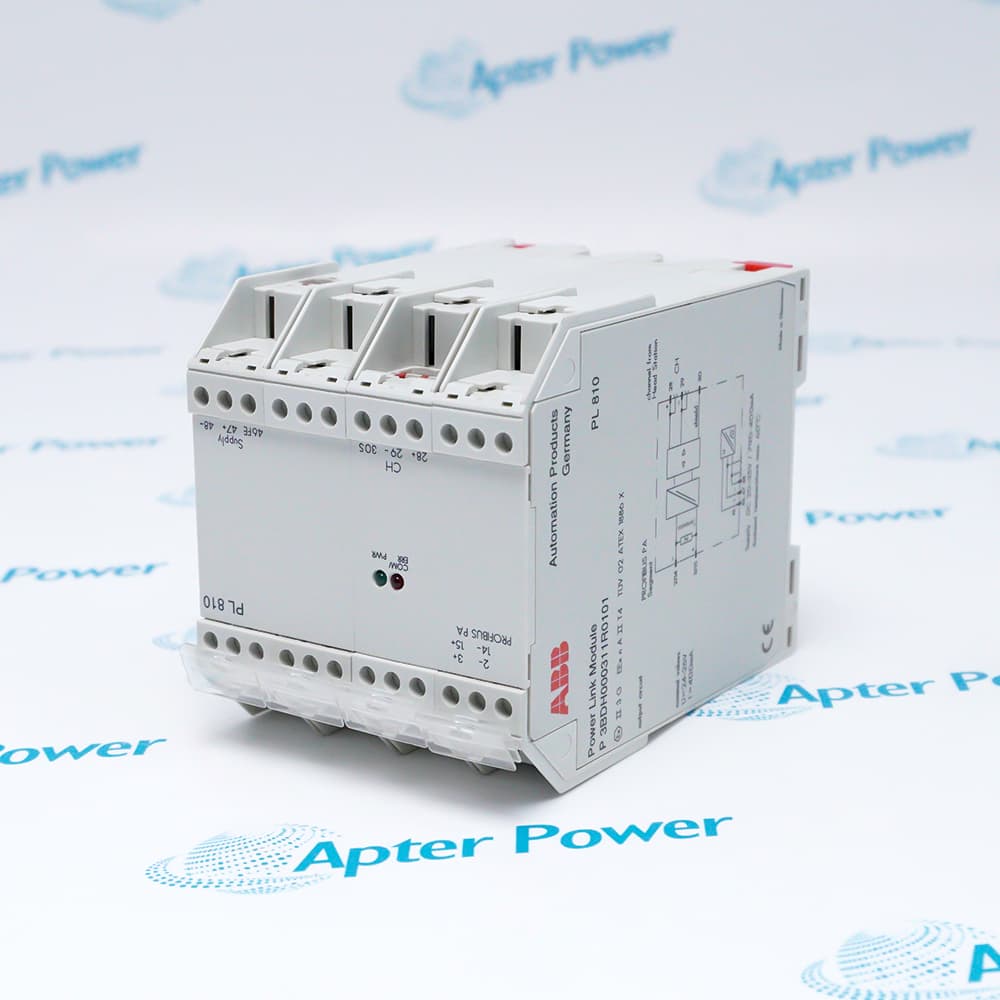
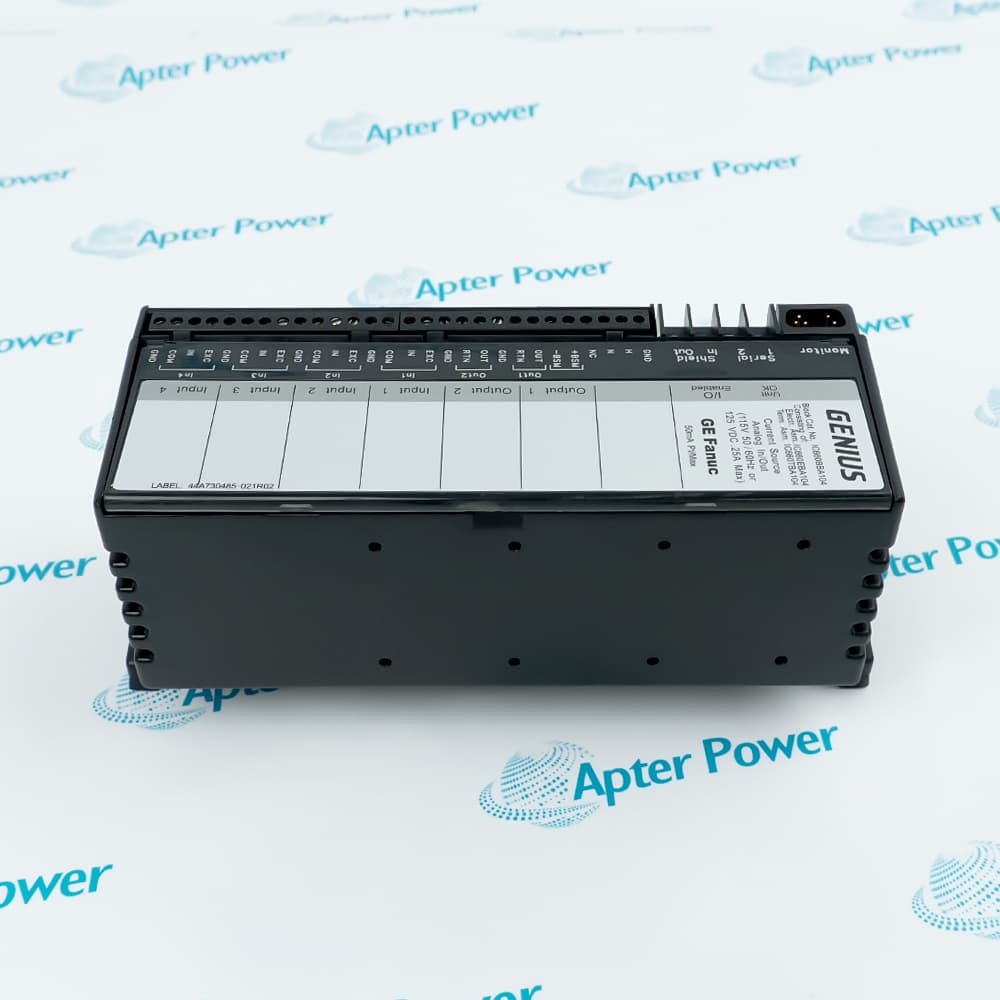
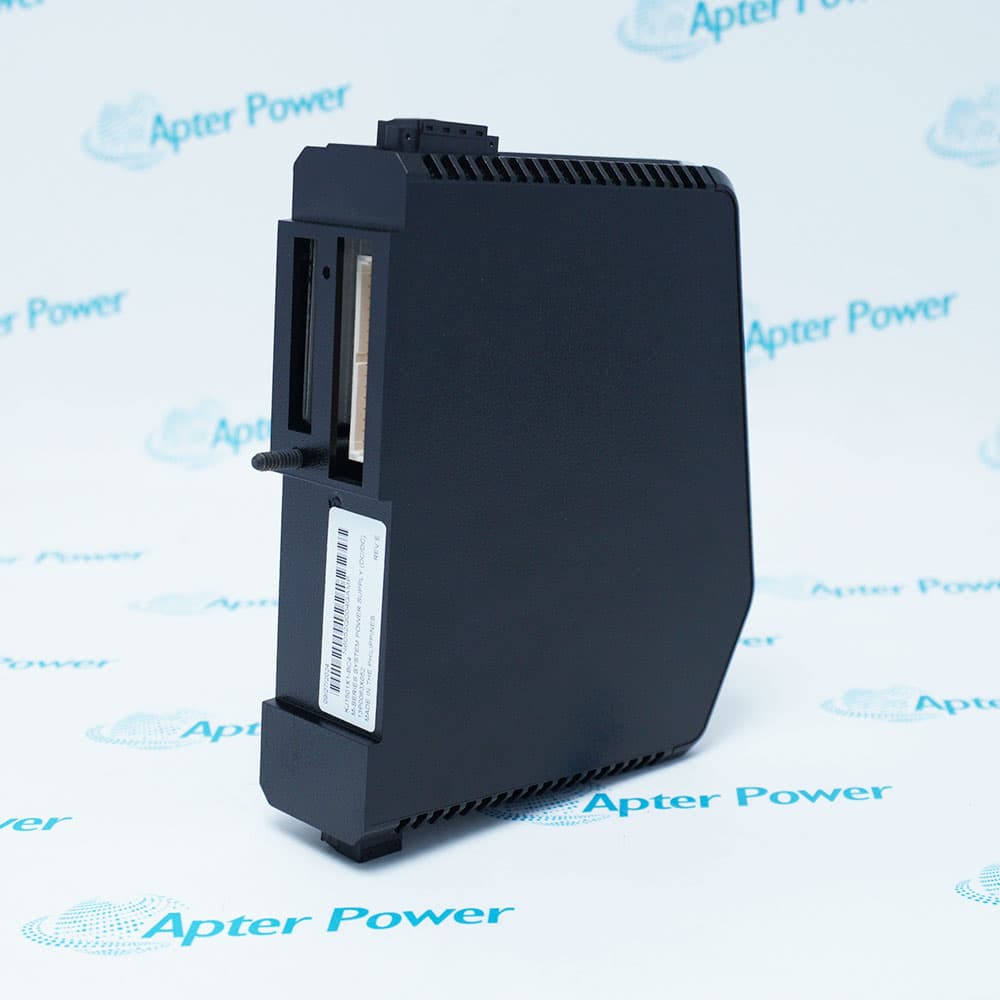
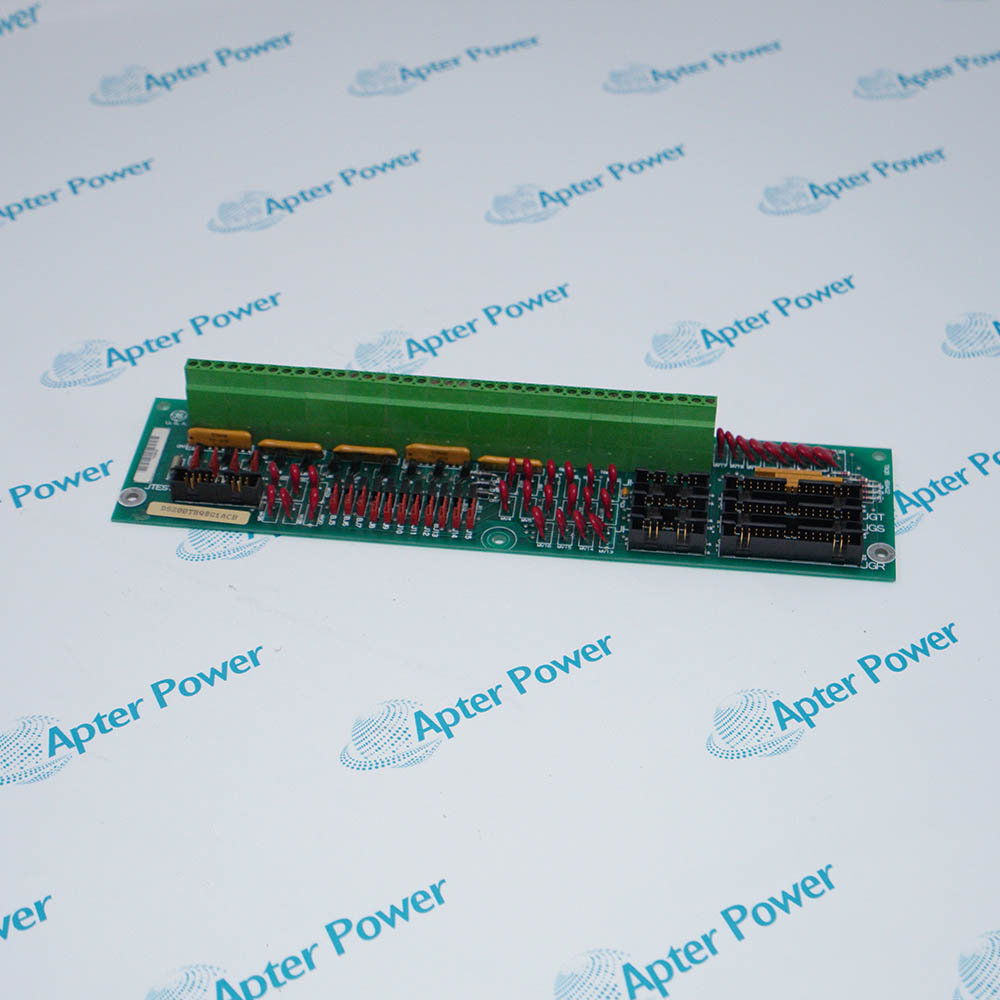
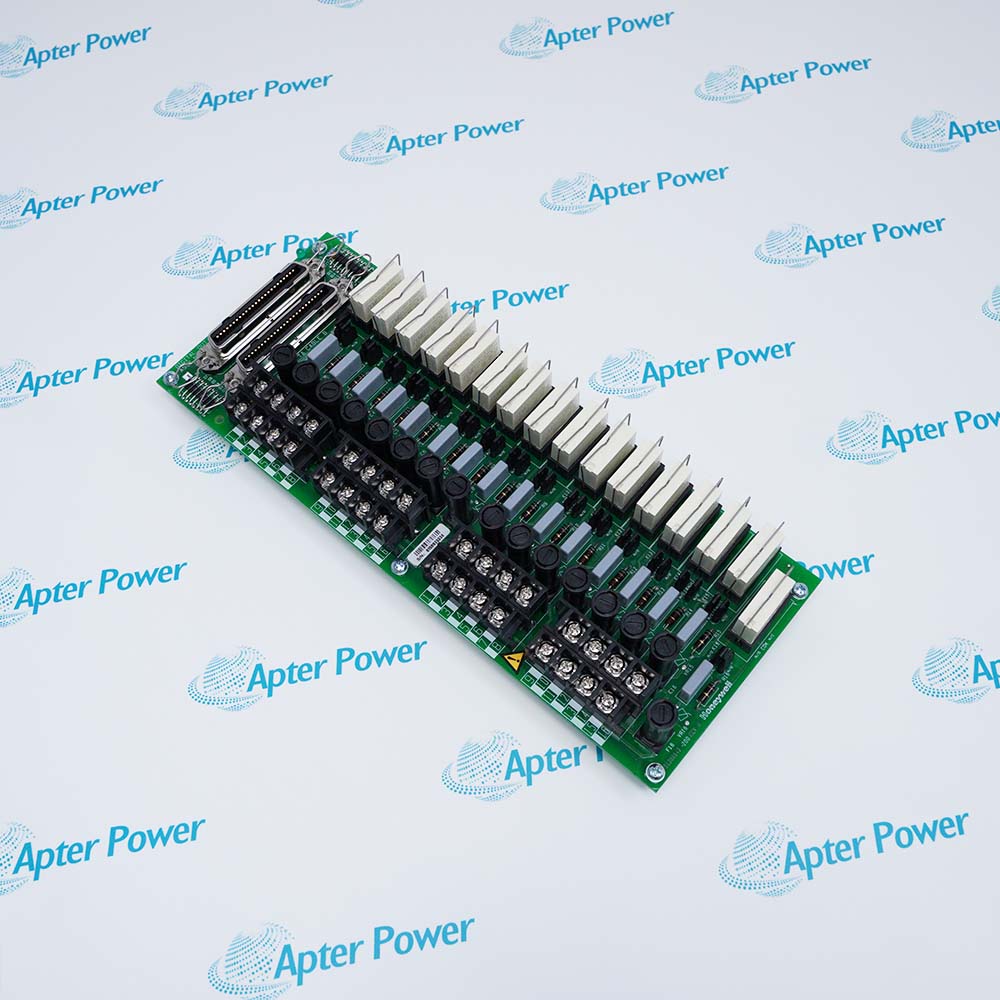
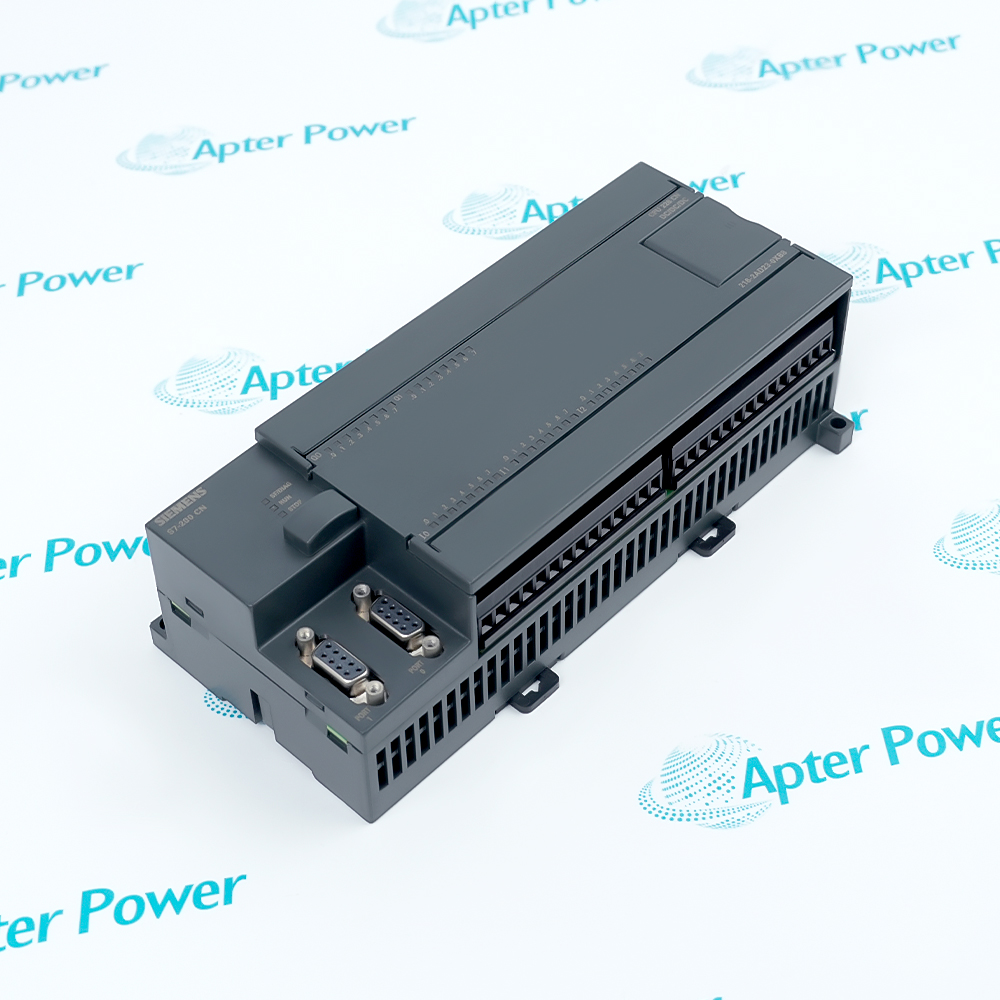
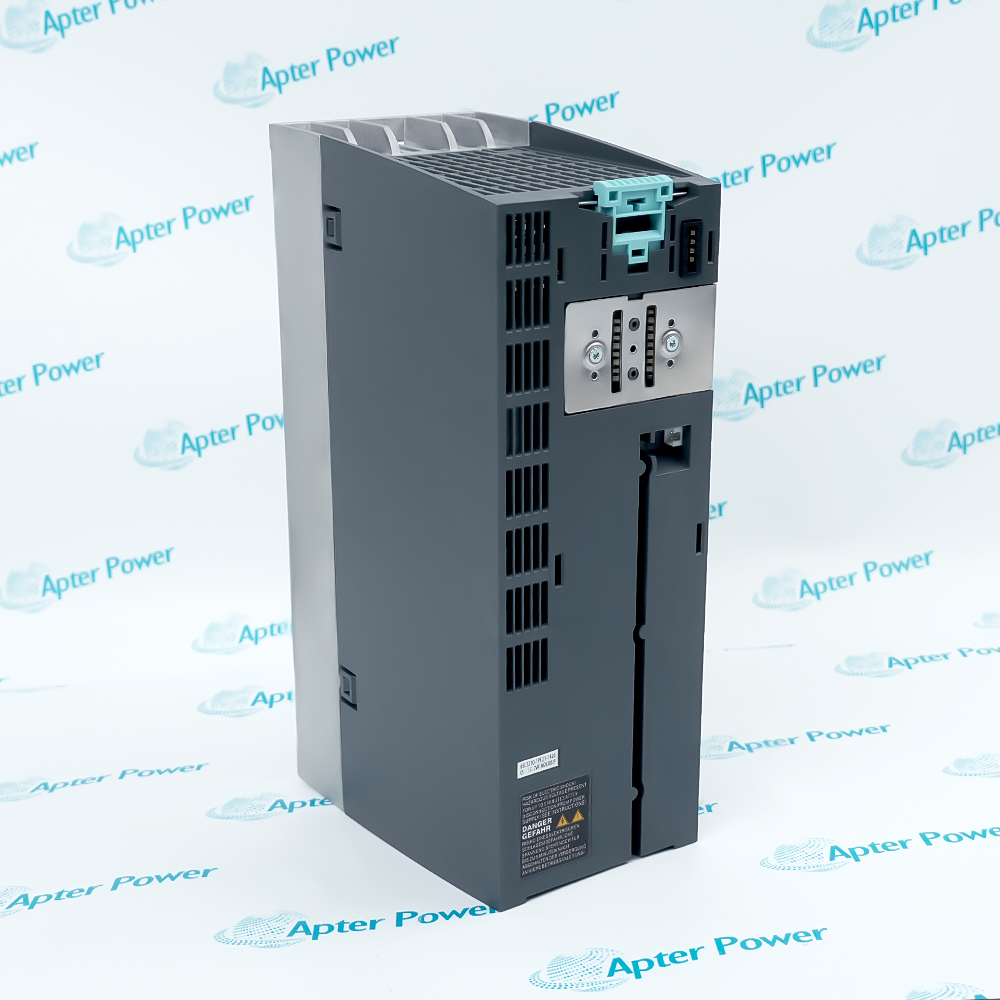
Commonly used models include: 6ES7 414-4HM14-0AB0、PM864AK01、DO880、KJ4001X1-NB1 12P3368X012、CC-PDOB01 51405043-176、CC-TAIX11 51308365-175、CC-PAOX01 51405039-275、CC-TDOB11 51308373-175 and so on.
Flexible Upgrades for Brownfield and Growing DCS/PLC Systems
Many plants expand gradually rather than through full reconstruction, creating challenges for legacy centralized control systems. Limited cabinet space, crowded cable routes, and complex retrofits often block development. Remote I/O offers a practical way to extend and modernize systems with minimal disruption:
Support Phased Expansion Without Cabinet Overhauls
Remote I/O nodes allow new equipment such as conveyors, skids, and pump stations to be connected locally. This avoids overloading central cabinets or rewiring entire areas, making small-scale expansions simple and feasible. Existing control structures can remain intact while capacity grows.
Low-Disruption Modernization for Brownfield Plants
Distributed architecture allows step-by-step upgrades while keeping existing field wiring in service. Plants can gradually introduce local nodes, upgraded networks, and standardized panels without full production stops. This approach lowers risk, controls investment, and creates a scalable, future-ready control system.





Leave Your Comment